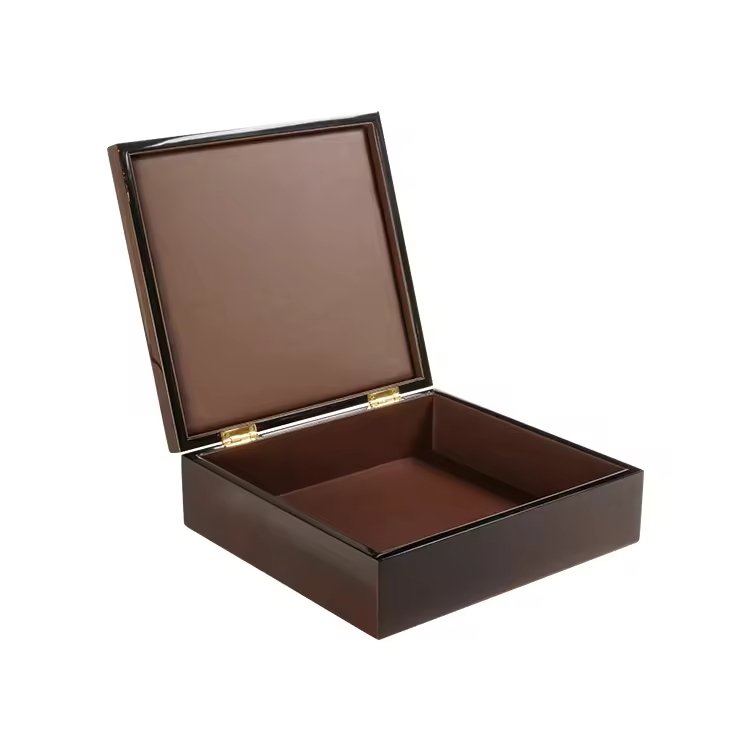

Reference images give inspiration, but they are not enough to build a real cigar box. Images hide critical details.
To capture both visual and structural intent, manufacturers must clarify dimensions, materials, functionality, branding, and confirm with prototypes or renders.
Turning pictures into products requires structured communication and technical validation.
How to clarify dimensions and proportions when they are not shown in the reference image?
Photos look clear, but they never show scale. Wrong assumptions here create big errors.
To clarify dimensions and proportions, manufacturers must request exact measurements and confirm capacity requirements, not rely on the photo alone.
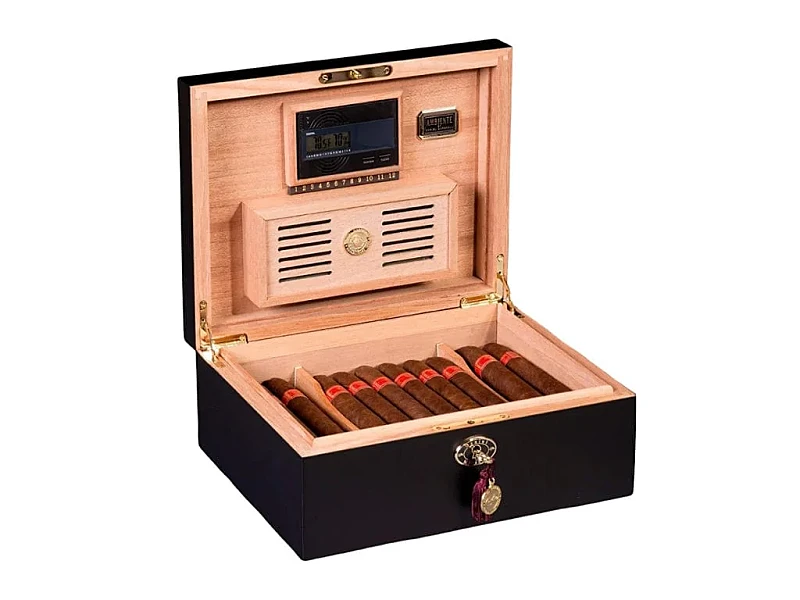
A box that looks small in a photo may actually be large in real life. Without measurements, proportion balance is only guesswork.
Steps to Clarify Dimensions
- Ask how many cigars the box should hold.
- Request cigar length and ring gauge in millimeters.
- Confirm overall height, width, and depth of the box.
- Check lid-to-base ratio, which defines elegance.
In one case, a client in Italy sent me an image of a “25-count cigar box.” I asked for exact cigar dimensions. They turned out to be a special edition, longer than standard Churchills. Without asking, the box would have been too short. This proves why technical dimensions must back up visuals.
What questions should be asked to confirm material type, texture, and finishing details?
Images show color, but they rarely show texture. Many mistakes come from wrong material assumptions.
Manufacturers should ask direct questions about wood species, veneer type, and finish level to avoid wrong interpretations from images.

A glossy photo may be solid mahogany, MDF with walnut veneer, or simply lacquer on plywood. Each looks similar online but feels different in person.
Key Material Questions
- Is it solid wood or MDF with veneer?
- Do you want natural wood grain visible?
- Should the surface be matte, semi-gloss, or high gloss?
- Do you require special finishes, like piano lacquer or PU coating?
I always prepare a comparison chart with real panels. For example, when a US brand asked for “a dark glossy box,” I sent samples of ebony veneer with gloss, MDF with black piano lacquer, and rosewood veneer with PU. Only after touching them did they realize the right choice. Asking clear material questions avoids wrong expectations.
How can 3D drawings or mock-ups help bridge the gap between image and real structure?
Even detailed images cannot explain structural balance. Drawings and mock-ups fill this gap.
3D drawings and mock-ups allow both client and manufacturer to visualize proportions, interior layout, and lid movement before production.

When clients see a 3D drawing, they can rotate and view from all angles. This helps them understand wall thickness, hinge position, and lid depth.
Benefits of 3D Mock-ups
| Tool | Benefit |
|---|---|
| 2D Drawing | Confirms measurements |
| 3D Rendering | Shows proportions and surface finish |
| Physical Mock-up | Tests feel, weight, and closure |
I once made a foam-core mock-up for a French client. It had no lacquer, but it showed lid balance and capacity. They immediately asked for a wider lid-to-base ratio after holding it. That early adjustment saved us from remaking an entire prototype later.
Why is it important to discuss functional details (hinges, humidity system, compartments) beyond visuals?
A cigar box is not just visual—it must work properly. Photos rarely show functional systems.
Discussing hinges, humidity options, and compartments ensures the box is practical, not just beautiful.

A glossy photo might hide the hinge type or inner lining. Without this, the final box might break or fail to preserve cigars.
Key Functional Elements
- Hinges: Soft-close, 90-degree, or traditional.
- Humidity: Sponge holder, crystal gel, or electronic module.
- Compartments: Single chamber or divided trays.
- Inner Lining: Spanish cedar, velvet, or leather.
I recall a client who sent only an image of a luxury box. It looked beautiful, but they forgot to mention humidity control. After we added a Spanish cedar lining and humidifier, the box became functional and well-received. This proves function cannot be assumed from visuals.
How to ensure the brand’s logo, colors, and decorative elements match their original intent?
Logos and colors define brand identity. Images often distort these details.
To ensure accuracy, manufacturers must use vector logo files, Pantone color codes, and confirm decorative techniques before production.

An image may show a gold logo, but is it hot foil stamping, laser engraving, or a metal plate? Each method looks different.
Branding Alignment Steps
- Request vector files (AI, EPS, or PDF).
- Ask for Pantone color codes.
- Provide digital mock-ups with logo placement.
- Show technique samples (foil, engraving, printing).
In one Middle Eastern project, the client sent an image with a gold logo. We asked if they wanted metallic shine or matte gold. They chose metallic hot stamping. If we assumed matte gold paint, the result would not match their luxury positioning.
What communication tools (samples, prototypes, digital renders) best minimize misunderstandings?
Images inspire, but confirmation requires tangible and digital tools.
The best way to avoid mistakes is to combine digital renders, real samples, and prototypes before mass production.

Each tool plays a unique role:
Comparison of Tools
| Tool | Best Use | Limitations |
|---|---|---|
| Digital Render | Shows color, proportion, logo | Cannot show texture |
| Material Sample | Confirms touch and finish | Limited to surface |
| Prototype | Validates structure and function | More time and cost |
I use all three together. For example, a German client received digital renders first, then finish samples, then a full prototype. By the time production started, every detail was locked. The final delivery had zero disputes. Multiple confirmation tools guarantee alignment between image and reality.
Conclusion
Reference images give ideas, but structured questions, samples, and prototypes ensure accuracy from vision to finished cigar box.
Brand Name: WoodoBox
Slogan: Custom Wooden Boxes, Crafted to Perfection
Website: www.woodobox.com
WhatsApp: +86 18359265311



 English
  Español
  Português
  Deutsch
  Français
  Italiano
  العربية