Perfume can change fast when light, heat, or air touch it, and this creates stress for brands and buyers.
Perfume usually lasts three to five years, but good storage helps it stay stable for much longer. Unopened bottles stay fresh when they avoid light, heat, and air.
I want to show why perfume changes and how smart storage protects the scent for many years.
How long does an unopened perfume typically stay fresh and stable?
Perfume can lose strength when sunlight or heat reach the liquid, even when the bottle is sealed.
An unopened perfume can stay fresh for many years, and most stay stable for at least three to five years when stored in a cool, dark place.
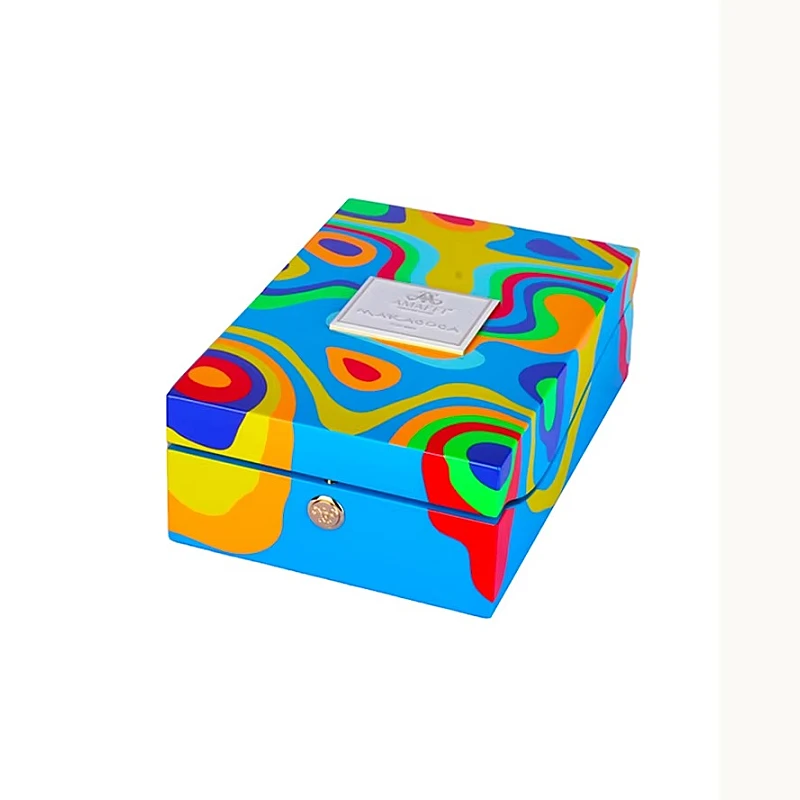
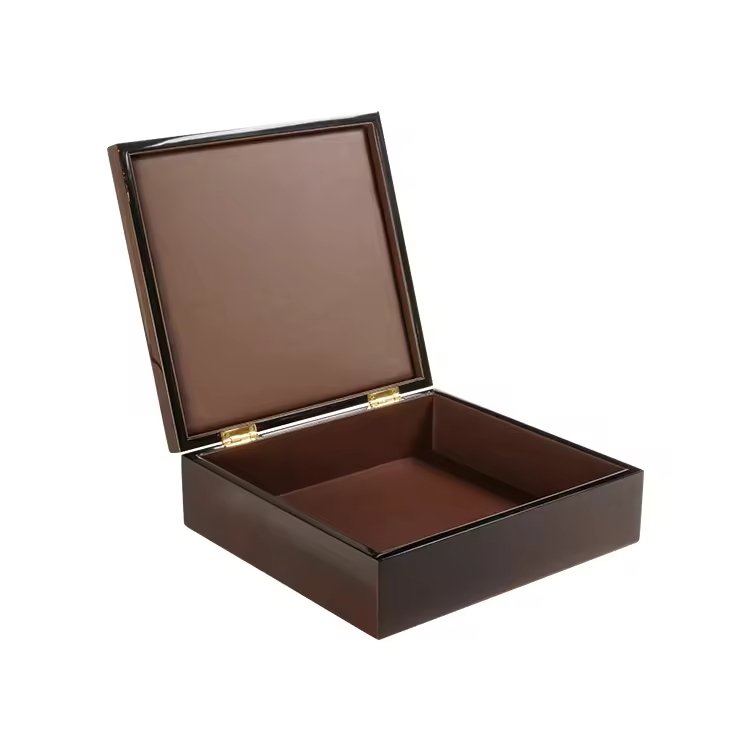
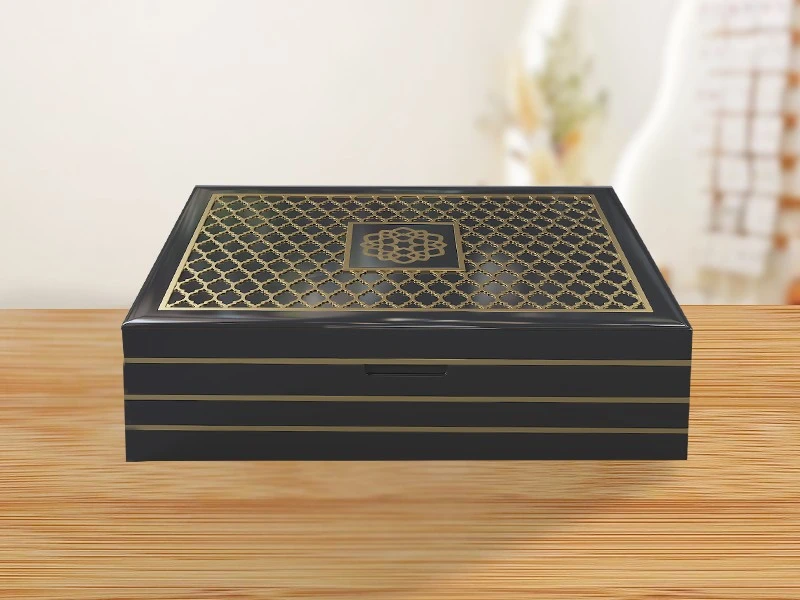
Unopened perfume stays stable because the formula has not touched oxygen. I see this often when brands order custom wooden perfume boxes from me. They want the box to protect the bottle during long shipping and storage. A good wooden box stops UV light, blocks small temperature changes, and keeps the perfume safe.
Why unopened perfume lasts longer
Unopened perfume keeps its structure because the alcohol base and fragrance oils remain sealed. The top notes stay bright. The heart notes stay smooth. The base notes stay warm. I often test old bottles in my workshop. When they were stored well, they still smell clean and strong. This is common with classic perfumes that use stable raw materials.
Shelf life ranges in real use
Most perfumes stay good for three to five years. Some stay good for ten years or more. The shelf life depends on formula quality, raw materials, and storage. Natural ingredients can change faster than synthetic ones. Heavy base notes often last longer than citrus top notes.
Here is a simple table I use when explaining this to my customers:
| Perfume Type | Typical Shelf Life Unopened | Notes |
|---|---|---|
| Citrus-based | 2–3 years | Top notes fade faster |
| Floral blends | 3–5 years | Stability depends on formula |
| Oriental / Woody | 5–10+ years | Strong base notes age well |
| Niche extrait | 5–15 years | High oil content, slow change |
When brands invest in custom wooden boxes, they extend the life of their stock. The box reduces light exposure and slows the chemical changes. I always tell clients that packaging is not only for beauty. It is also a tool that protects the perfume’s future.
What signs show that a perfume has expired or started to change its scent?
Many people worry when their perfume smells a little different from before.
A perfume shows aging when the color becomes darker, the scent shifts to sour or metallic, or the projection becomes weak.
I check these signs often when reviewing samples in my workshop. Some perfume makers send me early batches. They want to confirm that the scent stays stable while the box design is finalized. This gives me a close view of how perfumes age over months.
Main signs of change
The most common sign is color change. The liquid moves from clear to yellow or even brown. This happens when oxygen breaks down the aroma molecules. The scent also shifts. Bright notes like lemon or bergamot become dull. The heart and base notes might feel heavy or flat. The top notes can become sharp or sour.
How the texture changes
Aged perfume sometimes becomes thicker. This is more common with extrait formulas. The alcohol evaporates slowly over years, even inside a sealed bottle. The scent then becomes strong but unbalanced.
Comparing fresh and aged perfume
Here is a simple comparison I share with buyers:
| Condition | Fresh Perfume | Aged Perfume |
|---|---|---|
| Color | Clear, pale | Darker yellow or brown |
| Scent | Bright, clean, layered | Flat, sour, metallic |
| Projection | Strong, stable | Weak or uneven |
| Texture | Smooth, light | Slightly thicker |
A perfume that shows mild aging is not always “bad.” It can still smell nice. But it no longer matches the original formula. Good storage slows this process.
How do light, heat, and air exposure affect a perfume’s shelf life?
Light, heat, and air are the three main enemies of perfume.
Exposure to light, heat, and air speeds up oxidation, which changes the perfume’s color, strength, and scent profile.

I explain this chapter often when I help brands choose the right wooden box design. Many do not realize how strong the impact of sunlight can be. I learned this years ago when I did a test in my workshop. I placed two identical perfumes in different conditions. One sat on a sunny shelf. One stayed inside a wooden box. After two months, the difference was clear.
Light
Light breaks the delicate molecules in perfume. UV rays are the main problem. They attack bright notes first. Citrus notes fade fast. Floral notes lose shape. The color also gets darker. This is why many luxury brands use thick glass, tinted bottles, or wooden boxes.
Heat
Heat makes the perfume age faster. Heat increases evaporation. Heat also speeds up chemical reactions. I always tell clients never to store perfume near windows, heaters, or inside hot warehouses. A stable temperature around 15–22°C works well.
Air
Air causes oxidation. Once the bottle is opened, air enters. The perfume slowly changes. The first notes that suffer are the top notes. This is why a half-used bottle ages faster than a full bottle. Some clients even request tighter stoppers or screw caps for long-term storage.
Summary Table
| Factor | Effect on Perfume | Result |
|---|---|---|
| Light | Breaks molecules | Faded notes, darker color |
| Heat | Speeds reactions | Faster aging |
| Air | Causes oxidation | Sour or metallic shifts |
This is one reason wooden perfume boxes are popular with high-end brands. The box creates a stable environment for the scent.
Does perfume age like wine—getting better—or does it deteriorate over time?
Many people think perfume becomes better with age, like wine.
Perfume does not improve with age. It slowly oxidizes and loses its original balance, even if it still smells pleasant.
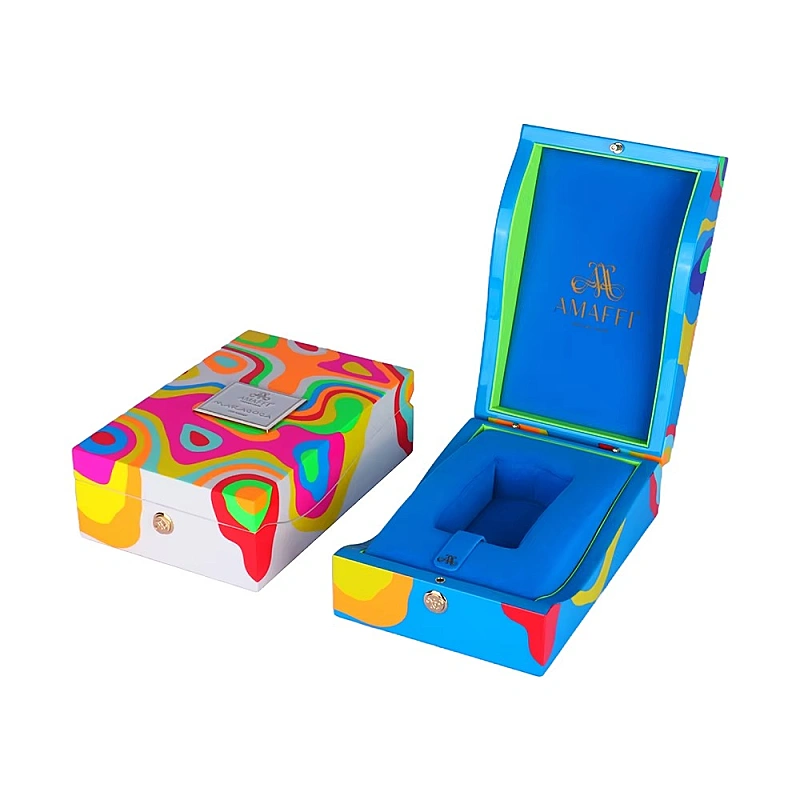
I hear this question often from new fragrance brand owners. They believe the scent might “mature.” This idea can be true only in rare cases. Most perfumes are designed to smell perfect on the day they leave the factory.
Why perfume does not age like wine
Wine changes through fermentation. Perfume does not. Perfume is a chemical mix. Over time, the molecules break apart. The top notes go first. The heart notes follow. The base notes remain longest. The scent becomes heavy and flat.
Rare cases where age smells nice
Sometimes, aged perfumes smell deeper. This happens with strong resin notes, oud, amber, or vanilla. I once kept a bottle of oud perfume for eight years. The scent became richer. But it was not “better.” It was only different.
What brands should understand
When brands create new packaging, they must consider perfume’s real shelf life. Good storage protects the scent, but it cannot stop aging forever. This is why I design wooden boxes with tight lids and dark interiors. These small details slow down the changes.
Simple comparison
| Wine | Perfume |
|---|---|
| Can improve with age | Does not improve |
| Natural fermentation | Chemical oxidation |
| Flavor deepens | Notes fade |
| Long-term storage helps | Only slows deterioration |
Perfume is art. The perfumer shapes every note. Aging moves it away from the original design.
How can you store perfume properly to keep it smelling great for years?
Good storage protects the scent and keeps it close to the original formula.
You must store perfume in a cool, dark, and dry place. Keep it inside its box and away from temperature swings.
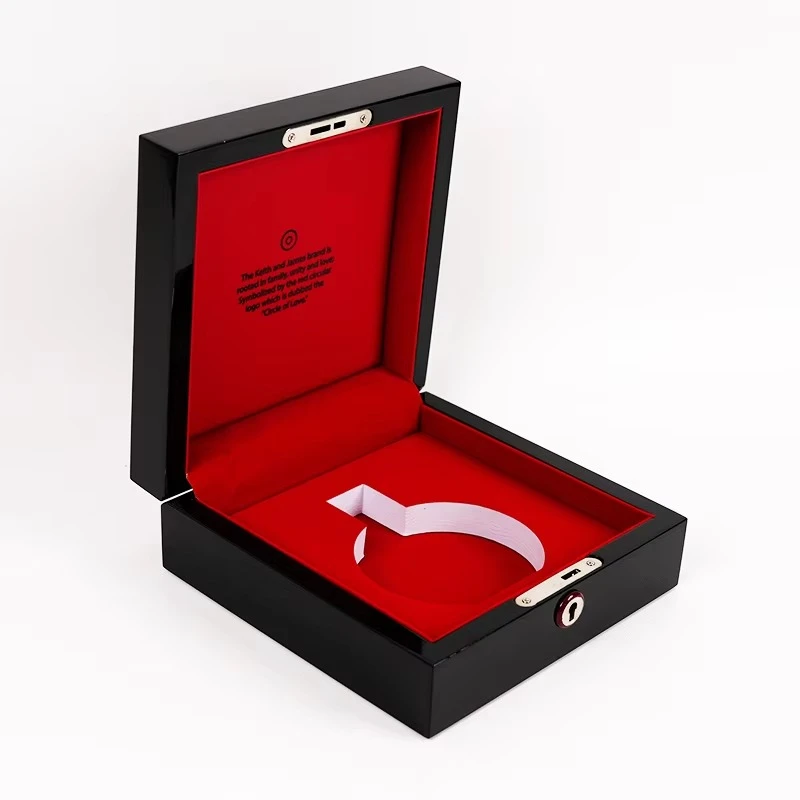
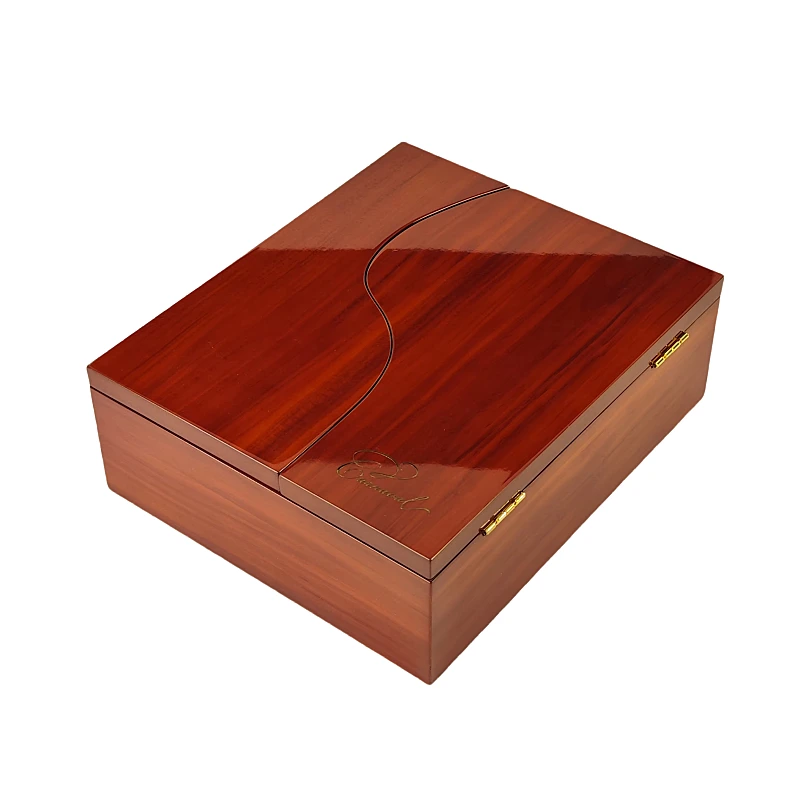
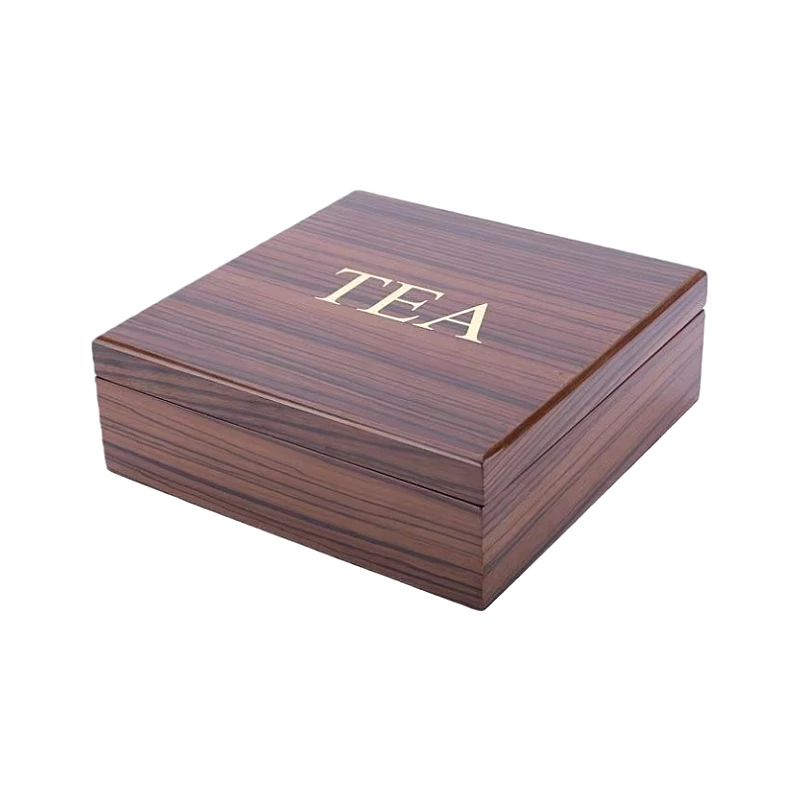
Many clients come to me because they want storage that protects the perfume and highlights the brand. I design wooden boxes that do this well. They stabilize temperature and block light. They also prevent accidental knocks during transport.
Key storage rules
I keep my own perfumes inside drawers or wooden boxes. I do this because the environment stays steady. Light never hits the bottle. The temperature stays neutral. I also avoid storing perfume in bathrooms. Steam and heat change the formula fast.
Best practices table
| Storage Method | Good or Bad | Why |
|---|---|---|
| Inside wooden box | Very good | No light, stable temperature |
| Inside original box | Good | Protects from light |
| On open shelf | Bad | Too much light exposure |
| In bathroom | Very bad | Heat and humidity |
Tips based on my workshop tests
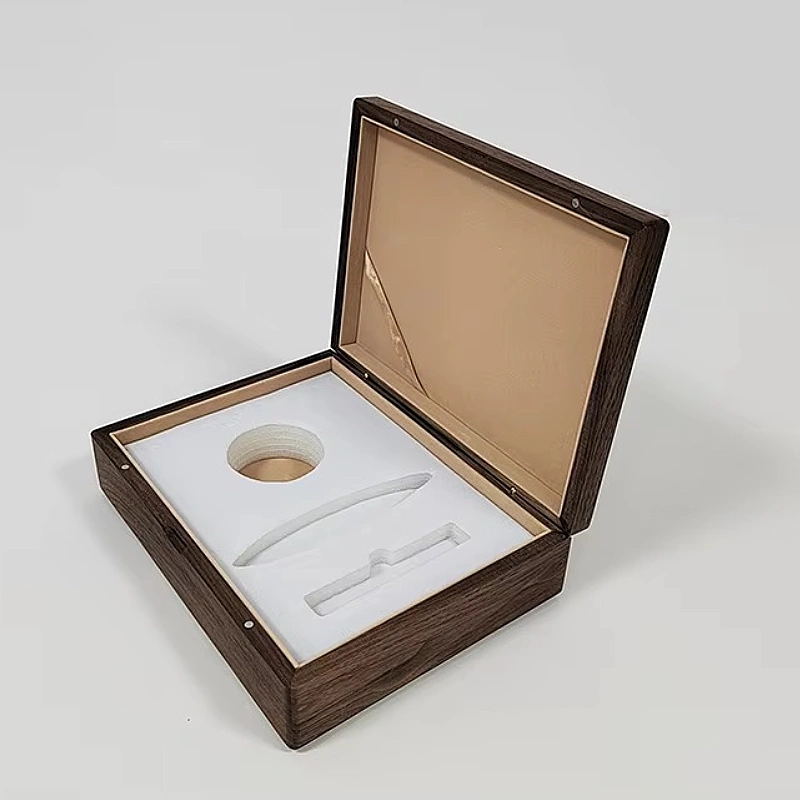
I did many small tests over the years. I placed perfume under warm light. I stored some inside foam-lined wooden boxes. The difference after two months was clear. The protected bottles smelled almost the same as day one. The exposed ones changed shape. This is why many luxury brands choose custom wooden boxes. The box becomes part of the quality guarantee.
Why proper storage matters for brands
When buyers receive a perfume that smells fresh, they trust the brand more. Good storage is not just a personal habit. It is part of the brand experience. My wooden box designs help many clients reduce returns and complaints about scent changes.
Conclusion
Perfume stays beautiful when we protect it from light, heat, and air, and good storage keeps the scent close to its original form.

 English
  Español
  Português
  Deutsch
  Français
  Italiano
  العربية