I see many people confused about why their perfume runs out fast. I hear this problem often when I speak with clients who design luxury perfume boxes with me at WoodoBox.
A perfume bottle lasts based on how often you spray it, the concentration, the sprayer design, and how you store it. A typical bottle offers 600–1,200 sprays, so daily habits decide the real lifespan.
I want to show how simple factors shape the life of every bottle, so you can plan better and help your customers understand their usage more clearly.
How does daily usage affect how quickly you finish a perfume bottle?
I talk with many brand owners who tell me their customers use perfume in very different ways, and this creates confusion about how long a bottle should last.
Daily usage decides the lifespan of a perfume bottle because more sprays mean faster consumption. Even two extra sprays a day can shorten the bottle’s life by weeks.
Daily habits shape how fast a bottle empties. Some people spray once on the wrist. Some spray five times around the body. Some refresh at lunch. I see this pattern clearly when perfume founders share their customer feedback with me. I also use perfume every day, and I see how my own routine shifts the lifespan of one bottle. Small choices add up fast.
How Usage Patterns Create Big Differences
I break usage into simple groups:
| User Type | Sprays per Day | Estimated Lifespan of 50ml (≈750 sprays) |
|---|---|---|
| Light User | 1–2 | 1–2 years |
| Average User | 3–4 | 6–10 months |
| Heavy User | 5–8 | 3–6 months |
Why This Matters for Brands
Many founders tell me their customers complain a bottle “ends too fast.” When I check their spray habits, the math always explains it. When brands understand usage patterns, they can guide customers better and reduce misunderstandings.
The Psychology of Spraying
People use perfume to match mood, weather, or confidence level. Morning stress, a night out, or a new relationship can change daily sprays. This emotional link makes usage unpredictable, but also very human. I see this often when brands build storytelling around scent.
Why do different perfume concentrations change how fast a bottle runs out?
I hear many clients confused about why two people finish the same bottle size at different speeds. Often, the concentration type is the hidden reason.
Perfume concentration changes how fast a bottle runs out because stronger formulas need fewer sprays, while lighter ones need more.
Different concentrations create different expectations. Eau de Parfum stays longer on skin, so people spray less. Eau de Toilette feels lighter, so people spray more. I work with many perfume brands, and every founder has a theory about how their customers spray.
Understanding Each Concentration
| Type | Typical Oil % | Longevity | Typical Sprays |
|---|---|---|---|
| Perfume/Extrait | 20–40% | Long | 1–2 |
| Eau de Parfum | 15–20% | Medium–Long | 2–4 |
| Eau de Toilette | 5–15% | Medium | 4–6 |
| Eau de Cologne | 2–4% | Short | 6–10 |
What This Means for Real Usage
Many customers think lighter formulas “run out too fast,” but they forget they are using twice the number of sprays. I tell founders to communicate this clearly in product pages, because it builds trust and improves customer experience.
Why Brands Should Consider Concentration When Pricing
When founders plan packaging with me—especially high-gloss wooden boxes—they often ask how concentration links to perceived value. Stronger concentration feels premium because it lasts longer per spray. This also means heavier users may still prefer lighter formulas because they enjoy the act of spraying more often.
How many sprays are typically in a 30ml, 50ml, or 100ml perfume bottle?
I get this question from perfume buyers all the time, especially when they plan gift sets or travel-size wooden boxes.
A 30ml bottle has around 450 sprays, a 50ml around 750 sprays, and a 100ml around 1,200 sprays, depending on the sprayer design.
These numbers help both brands and consumers predict usage more accurately. I often use these estimates when I help clients understand how their customers might experience the product.
Spray Count Estimates
| Bottle Size | Average Sprays |
|---|---|
| 30ml | 400–500 |
| 50ml | 700–800 |
| 100ml | 1,000–1,200 |
Why the Numbers Matter
A customer who sprays three times a day can finish a 30ml bottle in four to five months. The same customer may take over a year to finish a 100ml bottle. This difference is important for brands who plan subscription models, gift boxes, or refill programs.
Why Spray Counts Are Not Perfect
Not all sprayers release the same amount. I see this often when clients order custom atomizers. If a sprayer shoots out a big, heavy mist, then the bottle empties faster. If it produces a fine, controlled mist, the bottle lasts longer. These small mechanical choices matter more than many people realize.
Does the design of the sprayer (atomizer) influence the lifespan of a bottle?
I work with many perfume founders who were surprised to learn how much the sprayer affects usage. Some even redesigned their sprayer after customer complaints.
Yes, the sprayer design changes the lifespan because different atomizers release different liquid amounts per spray. A heavier spray means a shorter bottle life.
Sprayer design is often ignored, but it is as important as the formula. A good sprayer gives a fine, even mist. A poor sprayer gives inconsistent or heavy bursts. I see this when brands choose custom fittings for luxury wooden box sets. They want the spraying experience to feel premium.
Common Sprayer Types
| Sprayer Type | Output | Effect on Lifespan |
|---|---|---|
| Fine Mist | Low | Longer-lasting bottle |
| Standard Mist | Medium | Normal lifespan |
| Heavy Burst | High | Bottle empties faster |
The Hidden Impact on Customer Experience
When customers think a perfume “runs out too fast,” the sprayer is often the reason. Some atomizers release twice as much liquid as others. I have seen this many times when clients send me sample bottles.
Why Brands Should Test Sprayers Carefully
A luxury perfume in a beautiful wooden box must deliver a matching spraying experience. A bad sprayer can damage the entire impression. I tell clients to test at least three sprayer styles before mass production.
How can proper storage help your perfume last longer in both quality and quantity?
I learned something simple but powerful after years of designing premium perfume boxes: storage matters more than people think.
Proper storage slows down evaporation and protects the scent from breaking down, so your perfume lasts longer in quality and quantity.
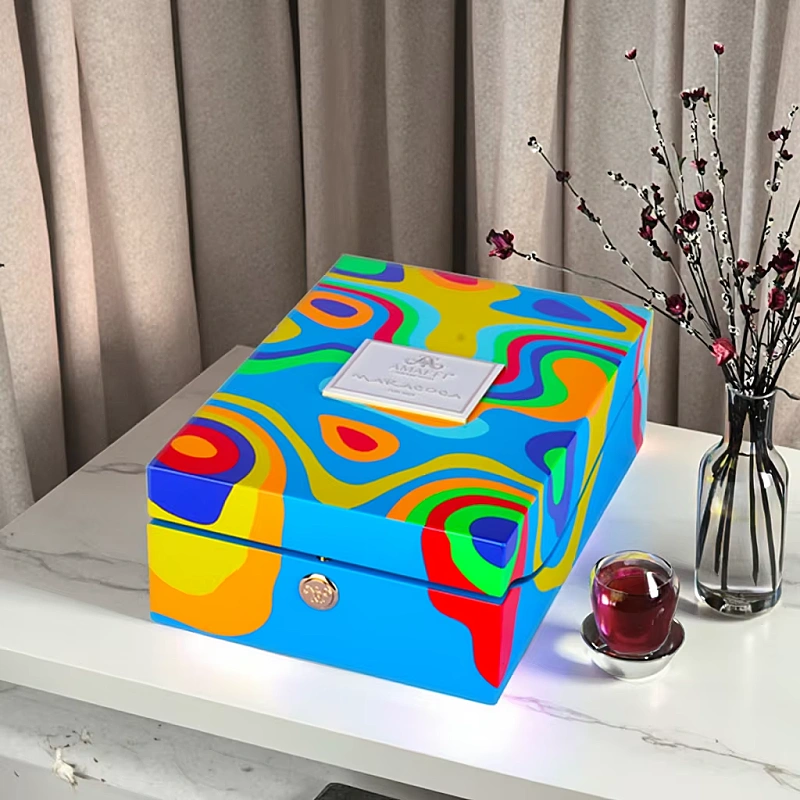
Light, heat, and air change perfume. Even a few degrees of heat can speed up evaporation inside the bottle. I often design wooden boxes that protect perfume from light because high-end brands know storage affects long-term customer experience.
What Damages Perfume?
| Factor | Effect |
|---|---|
| Sunlight | Breaks down fragrance molecules |
| Heat | Speeds up evaporation |
| Air Exposure | Oxidizes perfume |
| Humidity | Affects stability |
Simple Storage Tips
- Keep perfume away from sunlight.
- Store it in a cool, dry place.
- Do not leave it inside cars or bathrooms.
- Keep the cap tight to reduce oxidation.
Why Packaging Matters
I work with brands that choose solid wooden boxes for two reasons: visual impact and functional protection. A well-designed box can extend perfume life by blocking light and stabilizing temperature. This helps both the scent and the bottle volume last longer.
Conclusion
A perfume bottle lasts longer when you spray wisely, choose the right concentration, use a good sprayer, and store it well.

 English
  Español
  Português
  Deutsch
  Français
  Italiano
  العربية