I know many people feel confused when a perfume fades fast on their skin. I see this often when I work with luxury fragrance brands.
Perfume lasts on the skin for a few hours to more than half a day. The exact time changes because of perfume concentration, ingredients, skin type, and daily habits.
I want to explain these common factors in simple ways so you can understand how perfume behaves on your skin and why the same scent performs differently on different people.
What factors affect how long a perfume stays noticeable on your skin?
Many people feel worried when a fragrance they love disappears too soon. They think something is wrong with the perfume.
A perfume lasts long when its ingredients evaporate slowly and bond well with your skin. Heat, dryness, sweat, and fragrance strength change how long you can smell it.
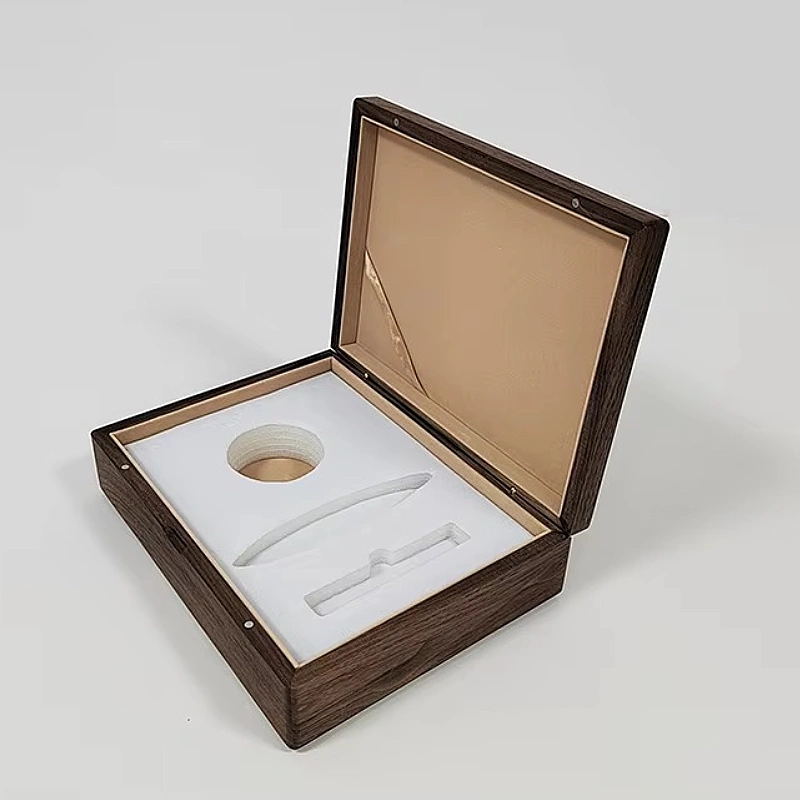
When I speak with brand owners who order custom wooden perfume boxes from WoodoBox, I often hear the same question from their customers: “Why does my perfume not stay?” I explain that perfume is made of small scent molecules. These molecules rise and fade at different speeds. Heavy molecules, such as woods, resins, and musk, last longer. Light citrus notes fade fast.
Key Factors That Change Longevity
| Factor | How It Changes Longevity |
|---|---|
| Heat | Makes scent evaporate faster |
| Humidity | Helps scent project more but may fade quicker |
| Skin moisture | Helps scent stay longer |
| Fragrance ingredients | Heavy notes last longer |
| Daily habits | Lotion, shower, sweat all matter |
Why Ingredients Matter
Strong base notes slow down evaporation. Natural oils stay longer than light alcohol-based notes. When I help brands design packaging, perfumers tell me they adjust formulas based on how they expect the scent to behave on warm or cool skin. This is why no two perfumes act the same.
Why do different perfume types—EDP, EDT, oils—last for different amounts of time?
Many people feel frustrated when one perfume lasts all day while another disappears fast, even from the same brand.
Different perfume types last for different times because each one has a different concentration of fragrance oil. More oil means slower evaporation and longer wear.
Perfume Concentration Levels
| Type | Oil Concentration | Typical Longevity |
|---|---|---|
| Eau de Toilette (EDT) | 5–15% | 4–6 hours |
| Eau de Parfum (EDP) | 15–25% | 6–10 hours |
| Perfume Oils | 25–40%+ | 8–15+ hours |
Why Concentration Creates Big Differences
EDTs have more alcohol. Alcohol rises fast, so the scent fades sooner. EDPs hold more oil, so they bond better with skin. Perfume oils move slowly and stay close to the skin for a long time.
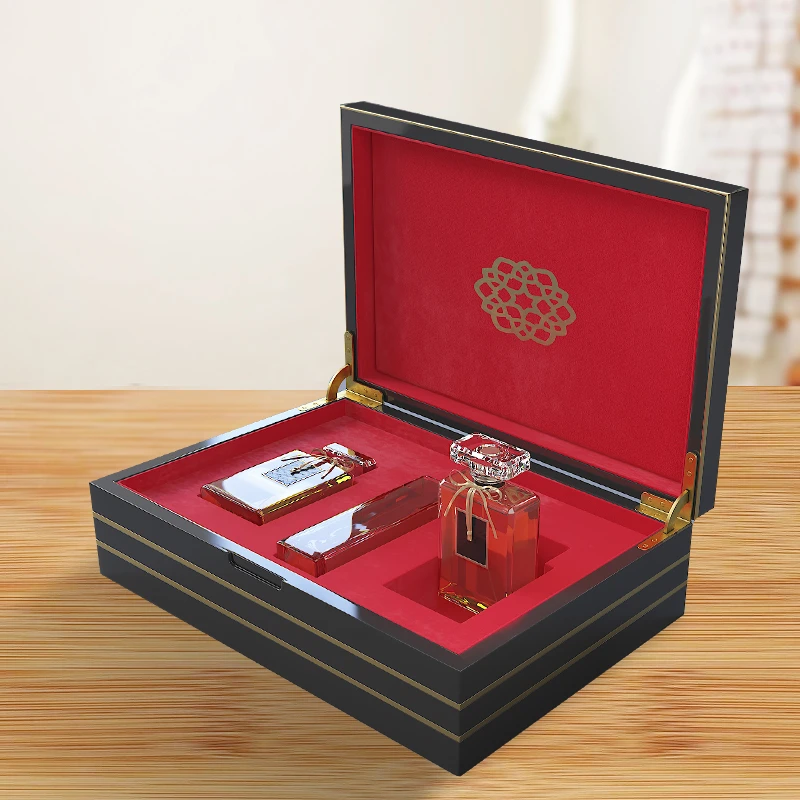
I speak with many niche perfume founders who use our custom perfume boxes for limited-edition releases. They often choose EDP or oil formats because they want deeper performance and a longer experience for their customers.
The Role of Heavy and Light Molecules
Heavy notes such as amber, oud, or sandalwood hold a scent together. Light notes such as bergamot, lemon, and mint fade fast. Even a high-concentration perfume disappears fast if the formula is built with mostly light notes. This is something perfume buyers often overlook.
How does skin type (dry, oily, hydrated) influence fragrance longevity?
Many people feel confused when a perfume lasts longer on a friend than on themselves. They think the perfume is weak.
Perfume lasts longer on oily or well-hydrated skin because scent molecules stay better on skin with moisture. Dry skin makes perfume evaporate faster.
How Different Skin Types Change Longevity
| Skin Type | Result |
|---|---|
| Dry Skin | Perfume fades fast because moisture is low |
| Oily Skin | Perfume lasts longer because oil traps scent |
| Hydrated Skin | Balanced and steady scent release |
| Warm Skin | Faster projection but faster fade |
| Cool Skin | Slower release and longer staying power |
Why Skin Chemistry Matters
Every person has a natural scent and a different pH level. These small differences change how fragrance molecules move. When I help clients choose interior linings for perfume boxes, perfumers often mention that customer skin chemistry is one of the biggest reasons people describe the same perfume in different ways.
How to Help Perfume Last on Dry Skin
If you have dry skin, I always suggest applying an unscented moisturizer first. Many luxury brands even add this tip to cards inside their wooden perfume boxes because customers notice a clear improvement.
What external conditions—weather, temperature, daily activity—change how a scent develops?
Many people feel surprised when their perfume seems strong on some days and weak on others.
Heat, cold, humidity, sweat, and daily movement all change how perfume evaporates. Warm weather pushes scent out fast, while cool weather slows it down.
How Weather Shapes Scent
| Condition | What Happens |
|---|---|
| Hot weather | Faster evaporation, strong start, shorter wear time |
| Humid weather | Strong projection, but top notes fade quickly |
| Cold weather | Slower release, softer projection, longer wear |
| Wind | Top notes fade quickly |
| Indoor AC | Can dry skin and shorten longevity |
How Activity Changes Longevity
Your body heat rises when you walk, run, or work under pressure. Perfume reacts to this heat. The scent becomes stronger, but it may fade faster. Many perfume founders I work with test their fragrances under different conditions before packaging them in our wooden boxes because they want consistent customer experience.
Why Storage Also Matters
Light and heat break down perfume. This is why niche brands choose wooden boxes. Wood protects perfume from UV and heat, which helps the formula stay stable until you use it.
How can you make perfume last longer on your skin without overapplying?
Many people spray too much perfume because they feel it disappears too fast. This wastes perfume and can feel too strong for others.
Perfume lasts longer when you apply it on moisturized skin, pulse points, and clothing fibers that hold scent well. You do not need many sprays to get better performance.
Simple Ways to Improve Longevity
| Method | Why It Works |
|---|---|
| Moisturize first | Perfume sticks better to hydrated skin |
| Spray pulse points | Warm areas release scent evenly |
| Do not rub wrists | Rubbing breaks down top notes |
| Apply on clothes | Fabric holds scent longer |
| Use a matching lotion | Layers extend longevity |
Extra Tips I Share With Clients
Many fragrance brands add instructions inside their custom boxes that explain how to apply perfume. When customers follow these steps, they often enjoy a longer and smoother scent. A small change, like spraying behind the knees or on inner elbows, can add hours of performance.
Conclusion
Perfume lasts longer when you understand how your skin, environment, and habits shape the scent.

 English
  Español
  Português
  Deutsch
  Français
  Italiano
  العربية