跳到内容
跳到内容 
I see many people struggle with perfumes that fade too fast, and this can feel frustrating when they expect an all-day scent.
The longest lasting perfumes are usually extrait de parfums and perfume oils because they contain the highest level of fragrance concentration and slower-evaporating ingredients.
I want to show you how perfume strength, ingredients, and even your skin decide how long a scent stays with you.
Which perfume concentrations—EDP, extrait, oils—naturally offer the longest wear time?
I meet many buyers who pick weaker concentrations and then wonder why their scent disappears quickly.
Extrait de parfum and perfume oils last the longest because they contain more fragrance compounds and less alcohol, so they evaporate slowly and stay on the skin for hours.
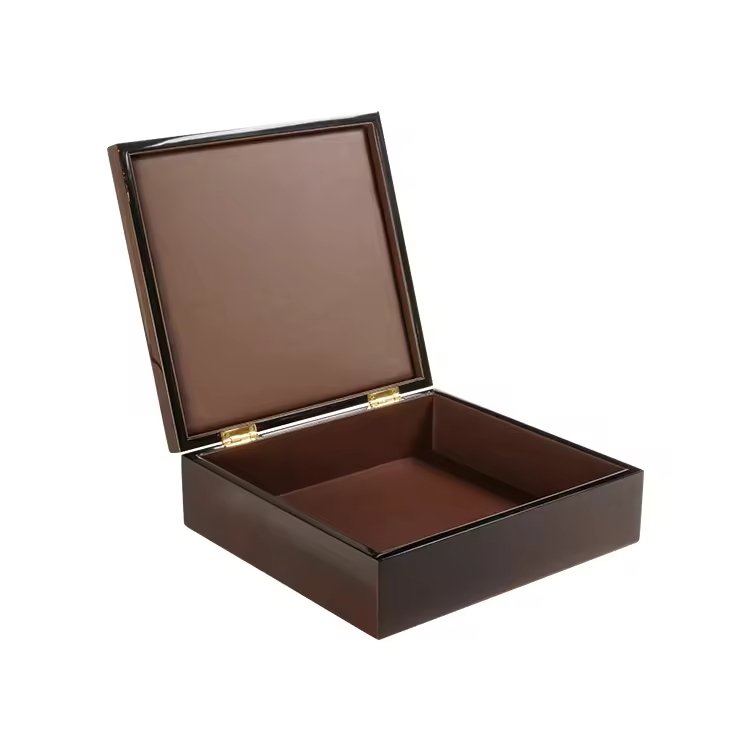
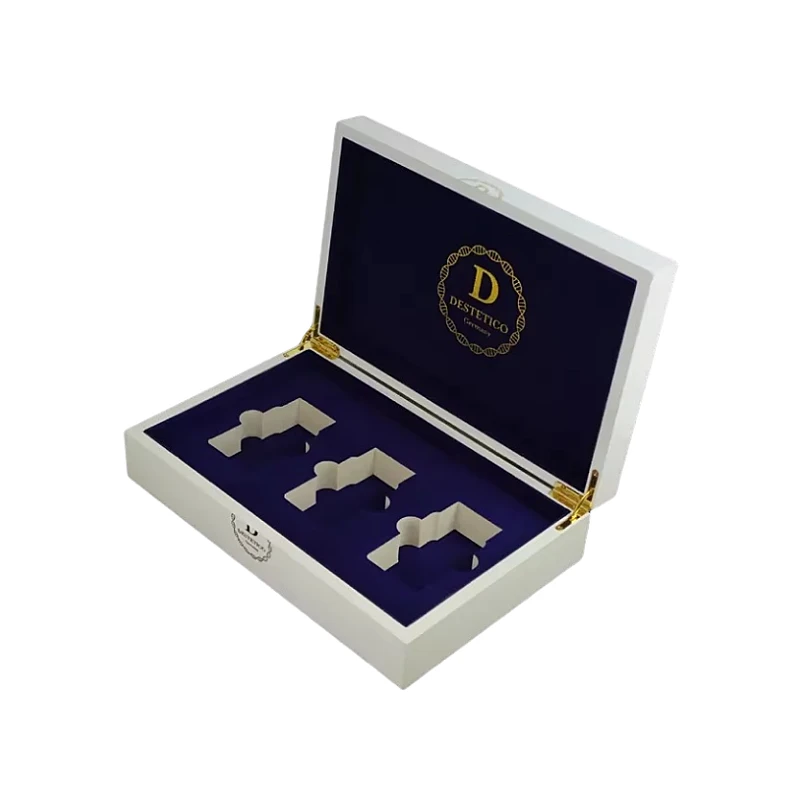
When I work with niche perfume brands at WoodoBox, I see how seriously they treat concentration levels. They adjust formulas again and again until the evaporation curve feels balanced. I also see how they choose wooden boxes that match the richness of the formula. Heavy bottles often go inside thick piano-lacquer wooden boxes because customers expect a long-lasting scent when they see this type of packaging.
Understanding Concentration Levels
| Concentration Type | Typical Strength | Average Longevity | Notes |
|---|---|---|---|
| Eau de Toilette (EDT) | 5–15% | 2–4 hours | Light and airy |
| Eau de Parfum (EDP) | 15–20% | 4–8 hours | Most common choice |
| Extrait de Parfum | 20–40% | 8–12+ hours | Rich and long-lasting |
| Perfume Oils | 100% oil base | 10–15+ hours | Slow evaporation |
Why Higher Concentration Lasts Longer
Higher concentrations mean more raw perfume material and fewer volatile elements. Alcohol evaporates fast. Oils evaporate slow. This simple structure keeps the scent on your skin longer.
Many founders tell me that customers often expect EDP to perform like extrait. When I explain the difference during custom packaging discussions, they realize why their premium extrait lines deserve more luxurious boxes. Wooden boxes with velvet interiors or magnetic lids give the right impression before the bottle even opens.
The Role of Evaporation Curve
Strong perfumes do not “hit” the skin the same way. They unfold gently. Base notes appear earlier. They do not jump out then vanish. They stay steady. This helps brands who want to express depth and maturity through scent.
I see this clearly when I compare sample batches in the factories. Extrait stays on my wrist even after hours of woodworking dust, while EDT disappears. This clear difference helps many new brands understand why concentration choice shapes their customer experience.
How do certain ingredients like oud, amber, and musk create ultra-long-lasting scents?
People often ask why some warm notes stay all day while fresh notes fade fast.
Ingredients like oud, amber, musk, patchouli, resins, and vanilla last longer because they are heavy molecules that evaporate slowly and stay close to the skin.
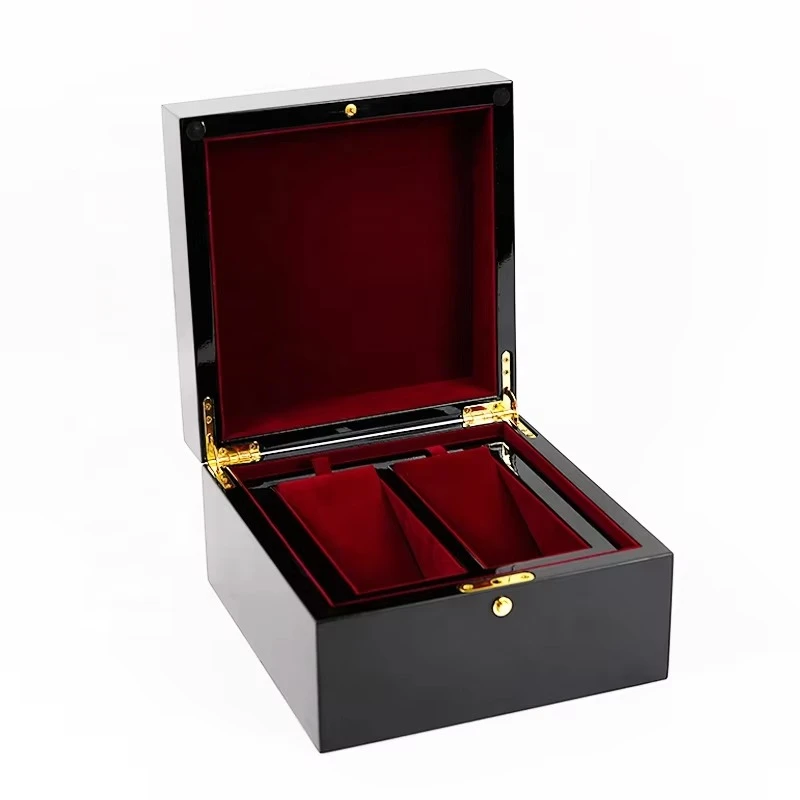
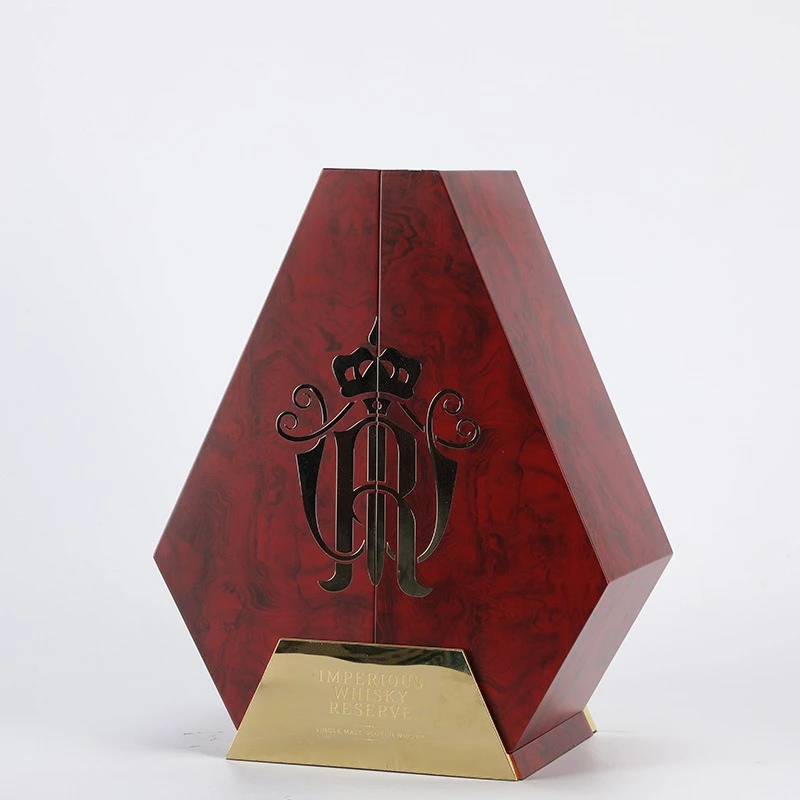
I have learned a lot about ingredient behavior from founders who bring us their strongest formulas. Some arrive with tiny vials that smell intense even before I open the cap. These formulas often become luxury collections that we pack inside dark glossy wooden boxes.
Understanding Heavy vs. Light Molecules
| Ingredient Type | Examples | Longevity | Reason |
|---|---|---|---|
| Heavy Base Notes | Oud, Amber, Musk, Patchouli, Resins | Very Long | Slow evaporation |
| Medium Notes | Spices, Woods, Florals | Medium | Moderate evaporation |
| Light Notes | Citrus, Herbs, Green Notes | Short | Fast evaporation |
Why Heavy Notes Stay Longer
Heavy notes contain dense molecules. These molecules cling to skin and cloth. They resist wind and temperature changes. They also blend with your natural scent, which creates a warm and stable base.
When I test oud samples, I sometimes still smell them on my fingers after sanding a wooden prototype. This tells me why so many Middle Eastern brands insist on oud. Their customers want a scent that outlasts a full day of activity.
Resins, Balsams, and Their Power
Resins like labdanum and benzoin create a sticky, warm layer on the skin. They slow down evaporation for the entire formula. This is why amber accords feel deep and long-lasting even when paired with lighter notes.
Brands who focus on longevity often choose these ingredients as anchors. They also ask for deep-colored wooden boxes with strong lines because they want packaging that reflects this bold identity.
Why do perfume oils often outperform alcohol-based fragrances in longevity?
Many people get surprised when they discover that tiny oil rollers last much longer than big spray bottles.
Perfume oils last longer because oil evaporates slower than alcohol, so the fragrance stays on the skin instead of quickly diffusing into the air.
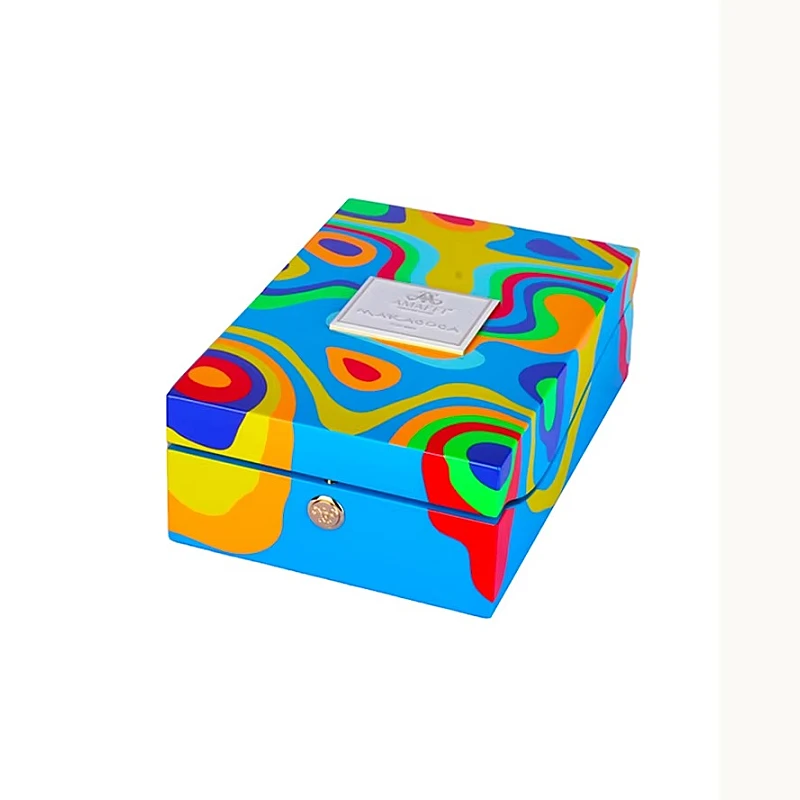
When I work with fragrance houses that produce oil-based products, I notice their customers behave differently. They apply oils on pulse points, wait a moment, and feel the scent all day. These brands often choose slimmer, more elegant wooden boxes because oils feel more intimate than sprays.
How Oil Molecules Work
Oil sits close to the skin. It does not lift into the air quickly. This means the scent stays personal, warm, and persistent. Alcohol lifts scent rapidly, which feels bright at first but fades soon.
Why Brands Love Oil Format
- It lasts longer
- It gives better control over application
- It feels luxurious and personal
- It carries heavy notes well
My Experience With Oil Samples
Many times, after reviewing wooden box samples at the workshop, I pack testers into oil rollers for clients. Even as I move through the factory, the scent stays with me. This direct comparison with alcohol-based samples always shows how strong oils are in longevity.
Packaging Impact
Perfume oils often pair well with compact wooden boxes, sometimes with velvet foam inside. This keeps the product safe and enhances the premium feeling.
How do skin type, weather, and personal chemistry influence how long a scent stays?
Some people feel their fragrances vanish fast even when they buy strong formulas.
Your skin type, daily weather, and personal body chemistry change how perfume molecules behave, which affects how long the scent lasts on you.
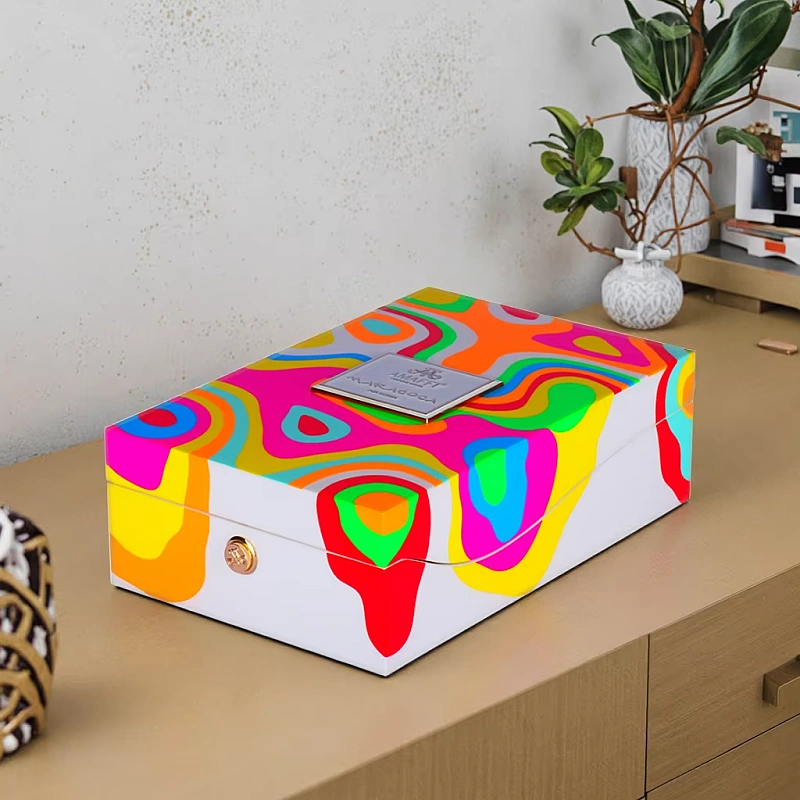
I talk with many buyers who think their perfume is defective. After a short discussion, I learn they have dry skin or live in a cold climate. These factors play a huge role in longevity.
Key Factors That Change Longevity
| Factor | Effect | Why It Matters |
|---|---|---|
| Skin Type | Dry skin loses scent faster | Oil helps fragrance lock in |
| Weather | Heat boosts projection | Cold slows evaporation |
| Body Chemistry | pH changes scent behavior | Notes transform differently |
| Sweat & Activity | Opens pores | Releases scent faster |
Dry vs. Oily Skin
Dry skin absorbs fragrance quickly. It traps the scent instead of letting it diffuse. Oily skin holds perfume on the surface, which makes the scent last longer.
This is why many customers in cold or dry regions choose richer formulas or perfume oils. Some brands even create special winter editions and ask us to design wooden boxes with deeper foam to protect heavier bottles.
Weather and Environment
Heat helps molecules move fast. This means perfumes feel stronger and last longer in warm weather. Cold weather slows these movements, so the scent stays close to the skin.
I often test samples outdoors near our workshop. On hot days, oud feels powerful and long-lasting. On cold days, I need a heavier concentration to get the same effect.
Personal Chemistry
Every person smells slightly different because of pH and hormones. This is why the same perfume smells amazing on one person but disappears on another. Many brands encourage customers to test samples first. When I prepare sample box sets, I always remind clients to include space for multiple vials because testing improves customer experience.
What should you look for when choosing a fragrance that truly lasts all day?
People want clear guidance because the fragrance market can feel overwhelming.
Choose a long-lasting scent by focusing on concentration level, heavy base notes, oil formats, and how the perfume behaves on your own skin.
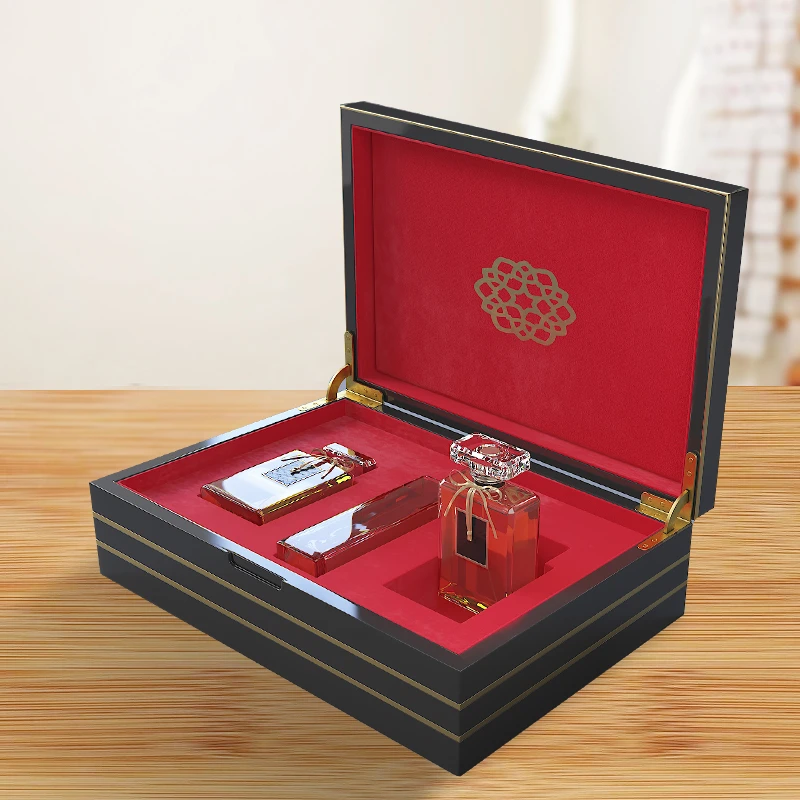
I help many brands design wooden boxes for their best-selling long-lasting perfumes. In these discussions, I often hear what customers ask for. They want a perfume that stays through work, dinner, and travel. They want a reliable scent.
Key Things to Look For
- Extrait de parfum or oil format
- Notes like oud, amber, musk, vanilla, patchouli
- Heavy molecules and resin bases
- Strong performance during your own skin test
- Good performance in your climate
- A formula that stays stable after several hours
Why Testing Matters Most
No matter how strong a perfume seems on paper, it must work on your skin. Brands know this. This is why they invest in sample kits. At WoodoBox, I build many sample presentation boxes so customers can try the perfume before buying the full bottle.
Packaging as a Signal
Long-lasting perfumes often come in dark, solid, glossy wooden boxes. This visual weight signals richness and depth. Customers expect the scent to reflect the packaging. This shows how deeply longevity flows through the entire product, from formula to presentation.
Conclusion
Long-lasting perfume depends on strong concentration, heavy notes, oil formats, and how the scent works on your skin.

 English
  Español
  Português
  Deutsch
  Français
  Italiano
  العربية