I know many fragrance lovers feel lost when they try to understand niche perfume, because the market looks confusing and full of noise.
Niche perfume is a fragrance category that focuses on artistic ideas, small-batch production, and unique scent profiles instead of mass-market popularity. These scents aim to express identity, not trends.
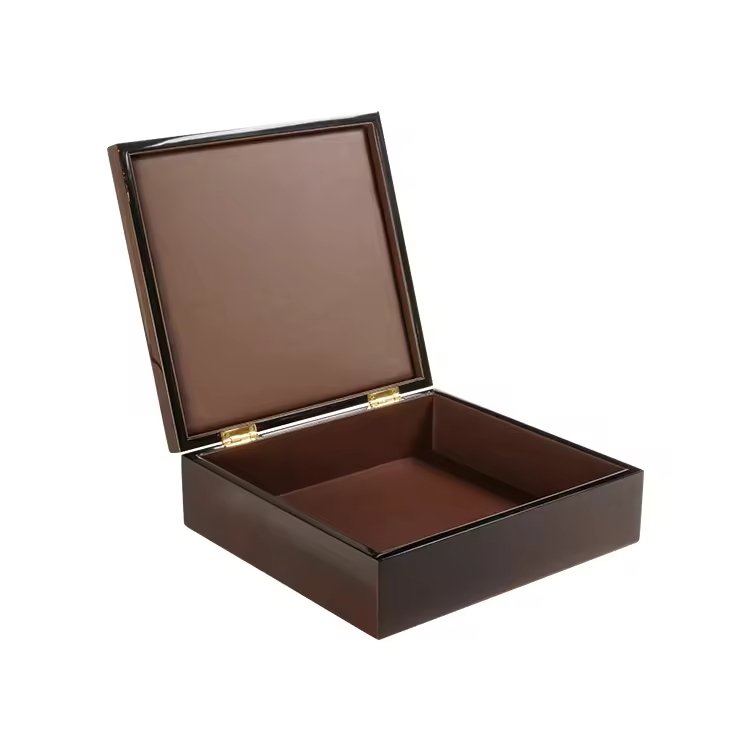
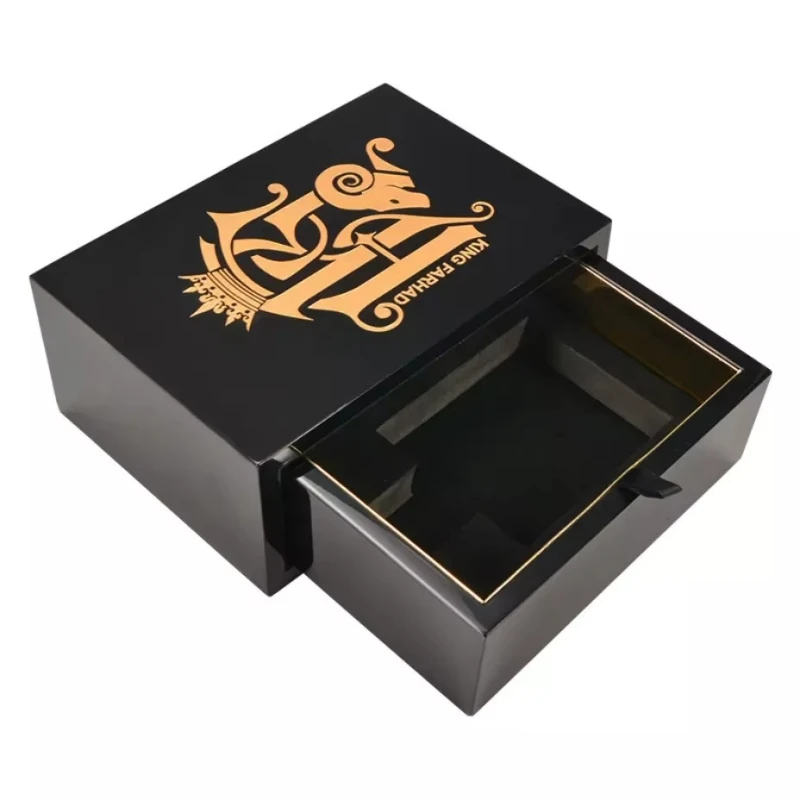
I want to guide you through this world step by step, so you can see why niche perfume feels special and how it connects to craftsmanship in the same way my custom wooden boxes do.
What makes a perfume “niche,” and how is it different from mainstream designer fragrances?
Many people feel frustrated when designer perfumes smell too similar or too generic, and they want something that feels more personal.
A niche perfume is different because it is created for artistic expression, not mass appeal. Designer perfumes follow trends. Niche perfumes follow ideas.
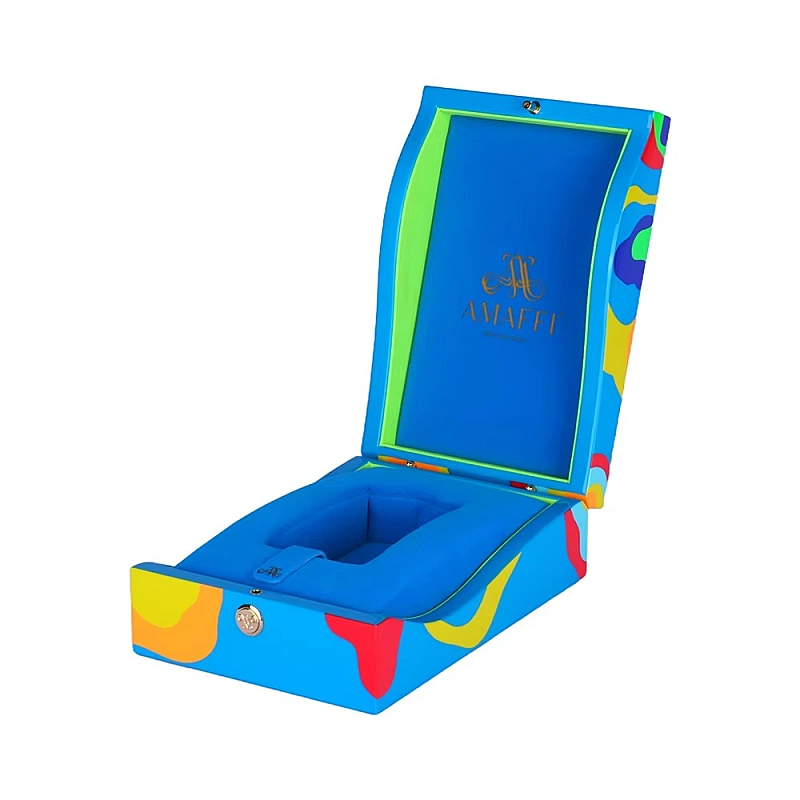
When I first entered the luxury packaging world, I learned how big brands design for scale. They choose safe ideas because they want millions of customers. I see the same pattern in designer perfumes. Most of them use popular scent structures, familiar ingredients, and crowd-pleasing notes. Niche brands take another path.
What sets niche perfumes apart?
Niche houses focus on:
- Small production
- Artistic formulas
- Rare or bold ingredients
- Clear identity in every scent
- Less concern for mass approval
A Simple Comparison Table
| Category | Niche Perfume | Designer Perfume |
|---|---|---|
| Purpose | Art and storytelling | Trend and mass appeal |
| Production | Small batches | Large scale |
| Ingredients | Often higher quality and rare | Often synthetic and cost-controlled |
| Audience | Enthusiasts and collectors | General consumers |
| Risk Level | High (unusual scents) | Low (safe scents) |
Why this difference matters
As a maker of high-end wooden boxes, I see how design choices shape value. A niche perfume chooses emotion over mass adoption, the same way a custom wood box chooses details over shortcuts. This gives the end product a deeper sense of identity. When you wear a niche perfume, you feel the story behind the scent. You feel the intention. You do not feel a crowd. You feel yourself.
Why do niche brands focus on artistic expression, unique ingredients, and unconventional scent profiles?
Many fragrance lovers feel bored with typical notes like citrus, vanilla, or clean musk, because they smell these everywhere.
Niche brands choose artistic direction because they want to express ideas, emotions, and culture. They do not want a safe scent. They want a memorable one.
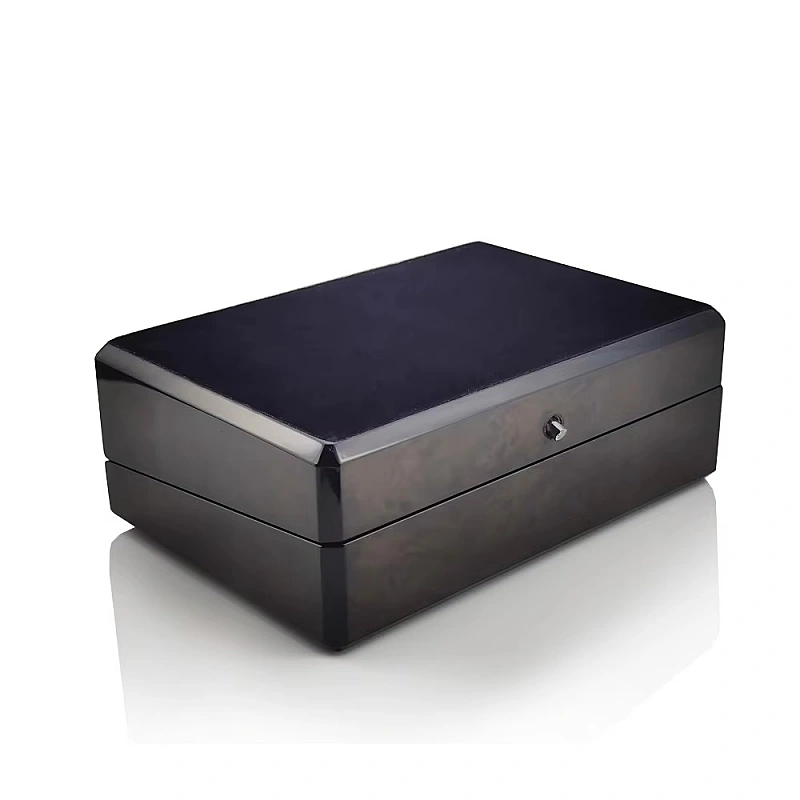
When I speak with perfume clients who order custom wooden boxes from me, I always see the same mindset. They want a box that tells their story. They want a box that people want to keep. Niche perfume brands think the same way. They use scent as art.
The Artistic Mindset Behind Niche Perfumery
Niche perfumers often say:
- “I want to show a feeling.”
- “I want to show a memory.”
- “I want to break a rule.”
- “I want the scent to start a conversation.”
This is why many niche perfumes smell unusual at first. They do not follow a fixed template. They follow imagination.
Common Artistic Approaches
| Approach | Description |
|---|---|
| Storytelling | A scent based on a memory, place, or emotion |
| Cultural themes | Inspired by history, music, literature, or travel |
| Bold contrasts | Mixing notes that normally never meet |
| Minimal formulas | Using fewer notes but with strong character |
| Ingredient focus | Building a scent around a rare or difficult material |
Why ingredients matter
Niche perfumers use:
- Natural resins
- Aged woods
- Rare flowers
- Strong spices
- Animalic notes
- Smoke, leather, ink, metal, soil accords
These materials create a scent that feels alive. A designer perfume often uses diluted versions of these notes. A niche perfume often uses the real thing, and you can smell the difference.
Why artistic scents attract a special audience
When someone chooses a niche perfume, they want more than “nice.” They want “meaningful.” They want a scent that speaks. This is why niche perfume has become a home for people who see fragrance as a personal art form.
How do small-batch production and high-quality materials shape the identity of niche perfumes?
Many new collectors feel confused when they hear “small-batch” or “hand-blended,” because they are not sure what these words mean in real production.
Small-batch production allows niche brands to use better ingredients, take more risks, and control quality in every stage of the process.
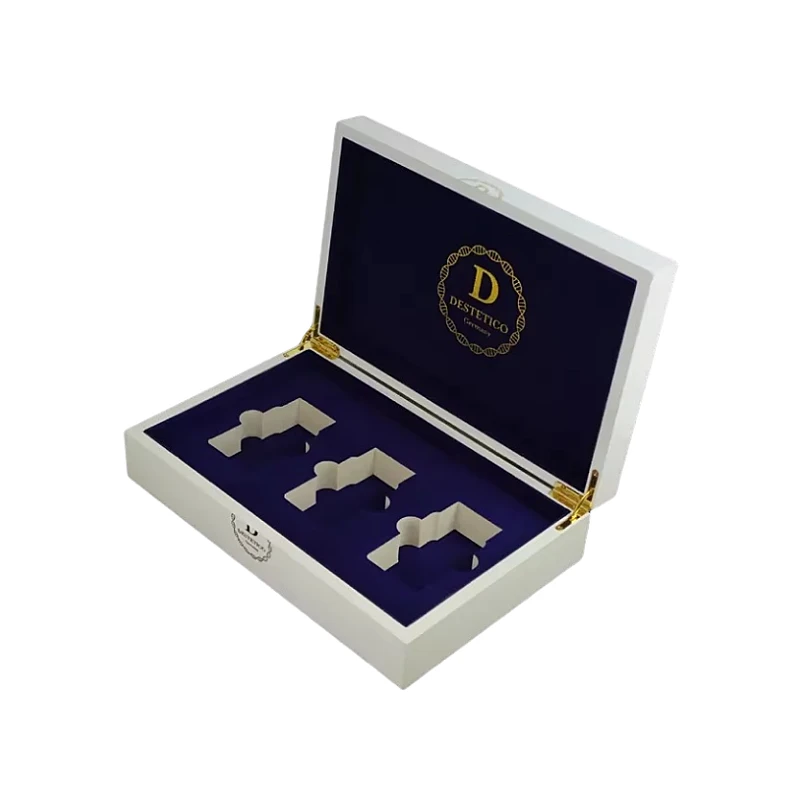
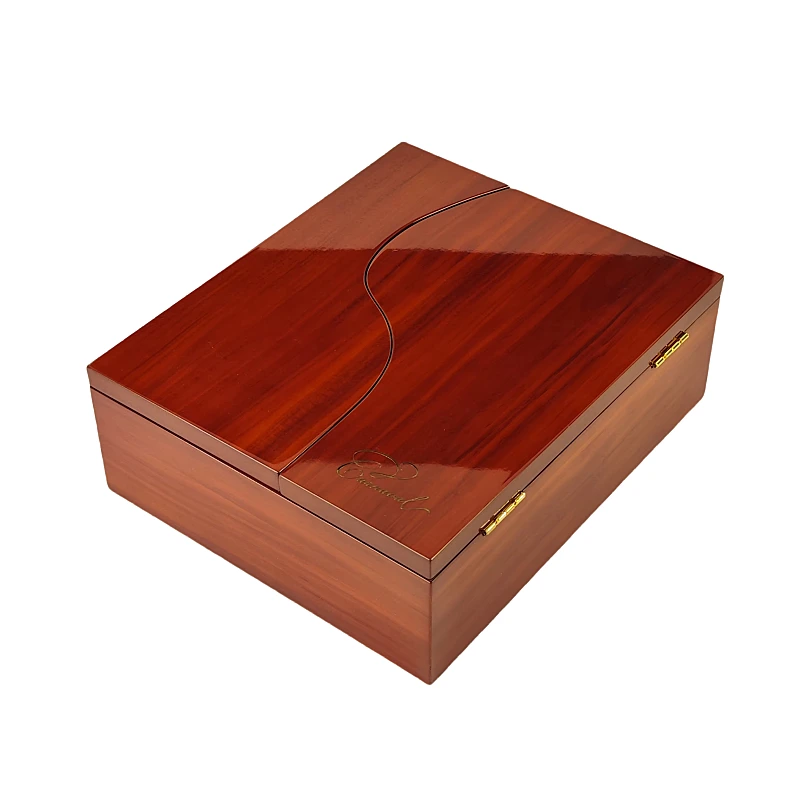
As a manufacturer of luxury wooden boxes, I know exactly how small-batch production changes everything. When I produce a high-end perfume box with piano-lacquer finish, I cannot lower the standard. Every corner, every coat of lacquer, every hinge must be perfect. If I produce thousands per day, that level of detail becomes impossible.
Niche perfume houses work the same way.
What small-batch production allows
- More natural materials
- Better control of maceration time
- More complex formulas
- Easy adjustment of ratios
- More time for evaluation
- Less pressure from investors
Why small-batch matters in perfumery
Perfume ingredients behave differently depending on temperature, humidity, and aging. A small batch allows the perfumer to check every detail.
Key Advantages
| Factor | Impact |
|---|---|
| Precision | Perfumer adjusts formula without mass-scale limits |
| Freshness | Oils are used at their peak quality |
| Flexibility | Perfumer can improve the next batch |
| Customization | Some brands offer bespoke blends |
High-quality materials and identity
When a perfume uses natural oud, aged patchouli, or true musk-like accords, you can smell the depth. The scent feels textured. It feels real. It changes on the skin. This is the identity of niche perfume. The material tells the story. The perfumer guides it.
How this mirrors luxury wooden box manufacturing
When I use real hardwood veneer or high-gloss lacquer, the box becomes a piece of art. It feels heavy. It feels honest. This is the same experience people feel when they wear a true niche perfume.
Are niche perfumes worth the higher price, and who are they really designed for?
Many people hesitate when they see the price of niche perfumes, because the price looks high compared to designer brands.
Niche perfumes cost more because they use better materials, smaller batches, and artistic formulas. They are made for people who value identity over trend.
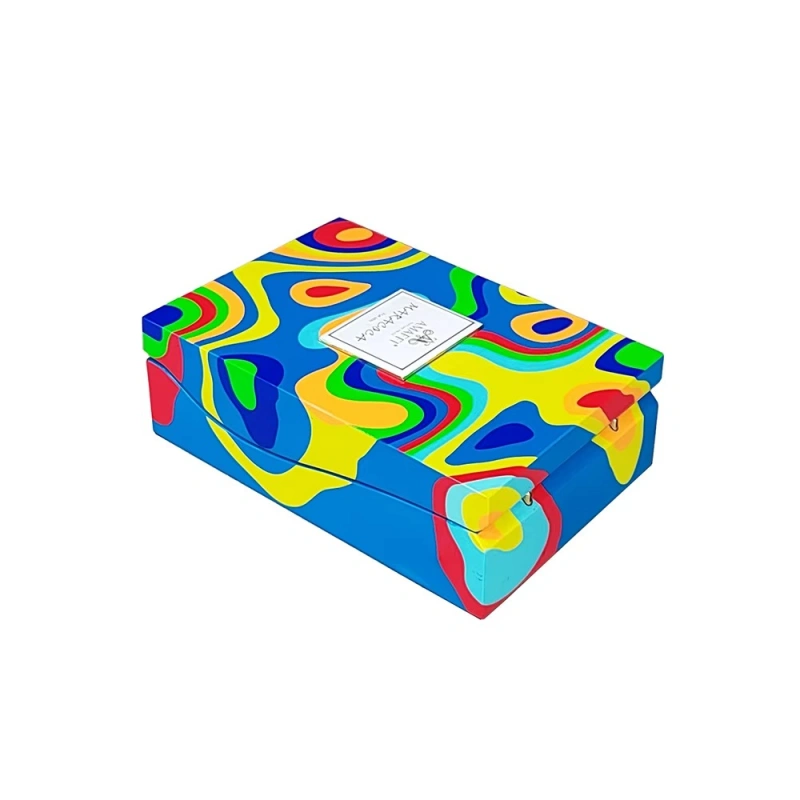
When someone buys a niche perfume, they are not paying only for the scent. They are paying for time, craft, and risk. They are paying for a perfume house that chooses quality instead of scale.
Why niche perfumes are expensive
| Cost Factor | Explanation |
|---|---|
| Rare materials | Natural oud, resins, spices, extractions |
| Small-batch work | Slower and more controlled production |
| Artistic formulas | More trial-and-error, more revisions |
| Packaging | Often premium and custom-made |
| Limited audience | No mass-scale profit |
Who niche perfumes are designed for
Niche perfume lovers often:
- Want to express personality
- Want something uncommon
- Enjoy artistic scent journeys
- Prefer quality over quantity
- Are curious and open-minded
In my experience, the clients who order luxury wooden boxes for their perfume brands are the same type of people. They want a product that tells a story before it is even opened. They want a feeling of exclusivity.
Are niche perfumes “worth it”?
The value depends on the person.
If someone wants a scent that is simple and familiar, designer perfumes are enough.
If someone wants a scent that feels like art, niche perfume is worth every dollar.
How can beginners explore niche fragrances without feeling overwhelmed by too many choices?
Many beginners feel lost when they enter the niche world, because there are hundreds of brands and thousands of scents.
The best way to explore niche perfume is to test slowly, learn basic notes, and follow your own preference instead of reviews.
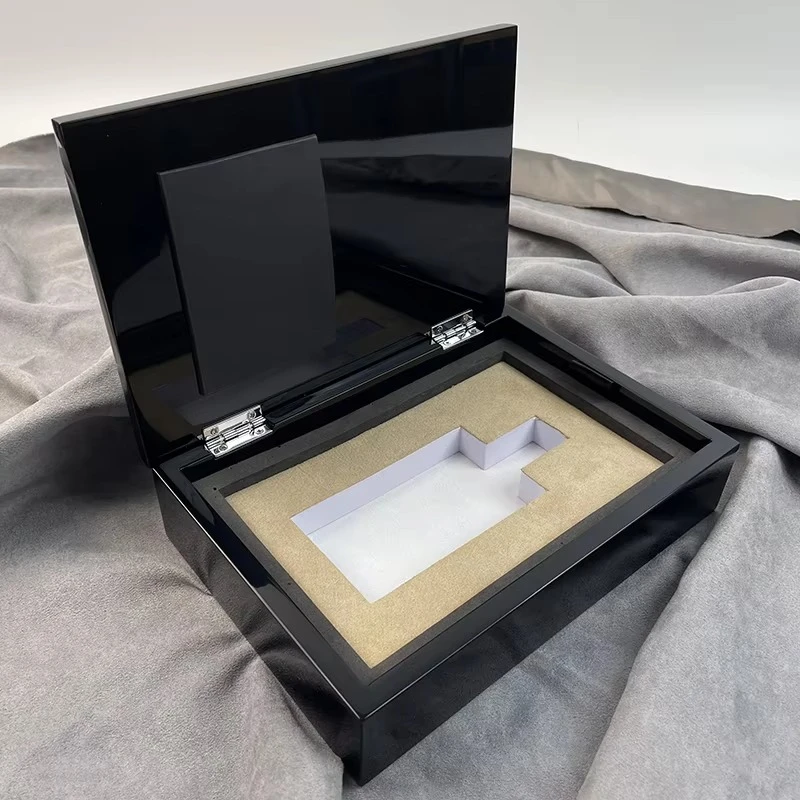
I guide many of my packaging clients through their first niche perfume experience, and I always give the same advice: take your time. Treat it like art. Do not rush.
Simple steps for beginners
1. Start with sample sets
Most niche brands offer sample kits. This saves money and avoids blind-buy mistakes.
2. Test one scent at a time
Spray on skin, not paper. Let it develop for hours.
3. Learn the main fragrance families
This helps you find your taste.
| Family | Notes |
|---|---|
| Woody | Cedar, sandalwood, vetiver |
| Oriental/Amber | Resin, spice, vanilla |
| Fresh | Citrus, herbs, greens |
| Floral | Rose, jasmine, iris |
| Gourmand | Chocolate, coffee, caramel |
4. Follow small, trusted brands
Start with houses known for balance and quality.
5. Ignore hype
A scent that works for someone else may not work for you.
Why beginners feel overwhelmed
Niche perfume is like entering a gallery instead of a department store. There are too many paths. Too many voices. Too many opinions. This is normal. The key is to enjoy the journey.
A personal note
When a client asks me to design a custom wooden box for their niche perfume, I always ask about the story. I ask what emotion they want to show. Niche perfume exploration works the same way. You find the scent that speaks to your story.
Conclusion
Niche perfume is about identity, art, and emotion. It is a scent made with purpose, crafted for people who value sto

 English
  Español
  Português
  Deutsch
  Français
  Italiano
  العربية