跳到内容
跳到内容
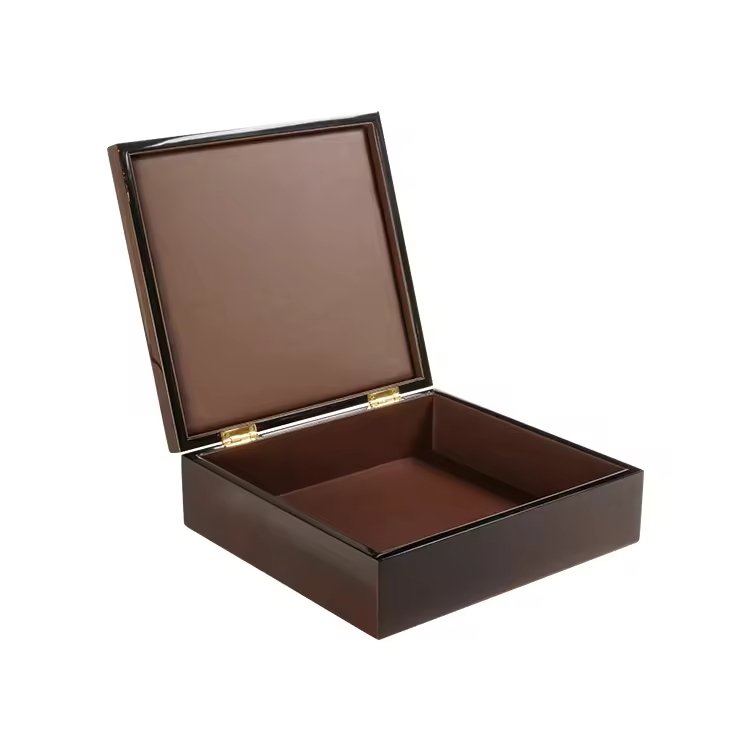
I see many customers worry when their perfume smells odd or looks different, and this fear grows fast because they do not know what changed.
Expired perfume usually shows clear signs like color shifts, scent changes, or weaker performance. These signs happen because fragrance ingredients break down over time.
I want to walk you through these signs and explain what I have seen in my years of working with high-end perfume brands and wooden perfume box production.
How Do Customers Usually Realize Their Perfume Has “Expired,” and What Signs Should They Look For?
Many people panic when they see their favorite perfume turn darker or smell sharper, and they think something is very wrong.
Expired perfume shows signs like color change, sour scent, or reduced projection. These are simple clues that the formula is no longer stable.
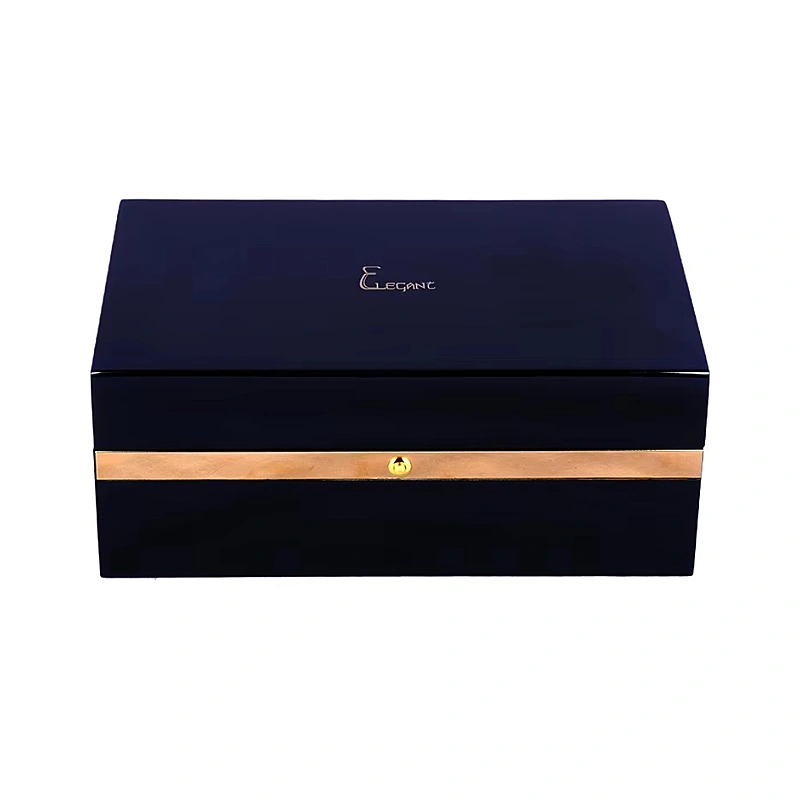
When I talk with customers who source custom perfume boxes, I often hear the same confusion: they expect perfume to last forever. But perfume is like wine. It changes when air, light, or heat touch it for long periods.
Some people notice the liquid turn darker. Some see small particles. Others smell a harsh note that was never part of the original scent. These are normal signs of oxidation.
I explain that this does not always mean the perfume is dangerous. It only means the formula has reacted with its environment.
What People Usually See
| Sign | What It Means |
|---|---|
| Darker color | Oxidation is happening |
| Weak scent | Top notes have faded |
| Sharp or sour smell | Ingredients broke down |
| Cloudy liquid | Separation of components |
I use these examples often when customers ask me how long their perfume should last. Most problems come from poor storage. That is why packaging choices matter so much, even for high-end brands.
Why Do Perfumes Break Down Over Time—And What Have I Observed From Years of Packaging High-End Fragrances?
People feel frustrated when they realize expensive perfume is still aging even when unopened.
Perfumes break down because natural oils, alcohol, and aroma molecules react with light, heat, and oxygen. I see the impact in how brands choose packaging.
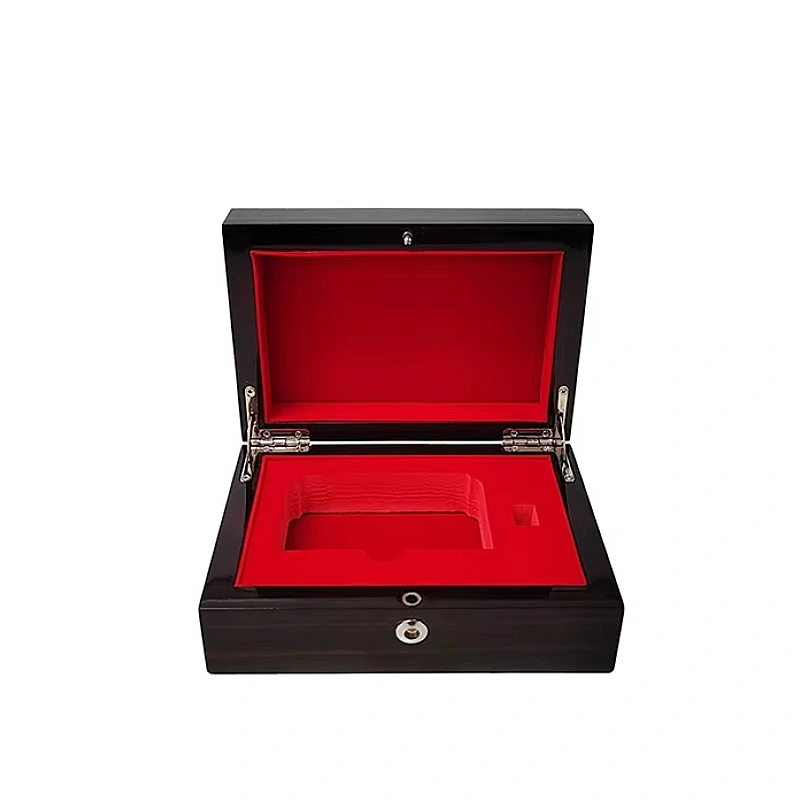
Over years of making wooden perfume boxes, I saw how small changes in storage conditions create big differences in perfume aging. Perfume formulas are delicate. Many luxury brands use natural essential oils. These oils react faster to light and temperature shifts.
I learned this from many manufacturing discussions with brand owners. They often ask why their fragrance turns from pale yellow to amber within two years. The answer is simple chemistry. When oxygen enters the bottle through micro gaps in the sprayer, oxidation starts.
Heat makes this faster. Light does the same. Humidity can also break down alcohol balance.
Key Factors That Age Perfume
| Factor | Effect |
|---|---|
| Light | Breaks aroma molecules |
| Heat | Accelerates oxidation |
| Air exposure | Makes scent unstable |
| Poor packaging | Makes all reactions faster |
Some brands ignored packaging quality at first and saw customer complaints about changes in scent. After switching to thicker wooden boxes or improved coatings inside the packaging, the stability improved a lot.
This taught me that packaging is not only decoration. It is a protective tool.
Does Expired Perfume Change Its Scent Performance, and What Do My Clients Most Often Report?
People feel disappointed when their perfume does not project the same way, even if the bottle looks full.
Expired perfume often becomes weaker, flatter, or harsher. Clients usually report faint top notes and a heavier base.
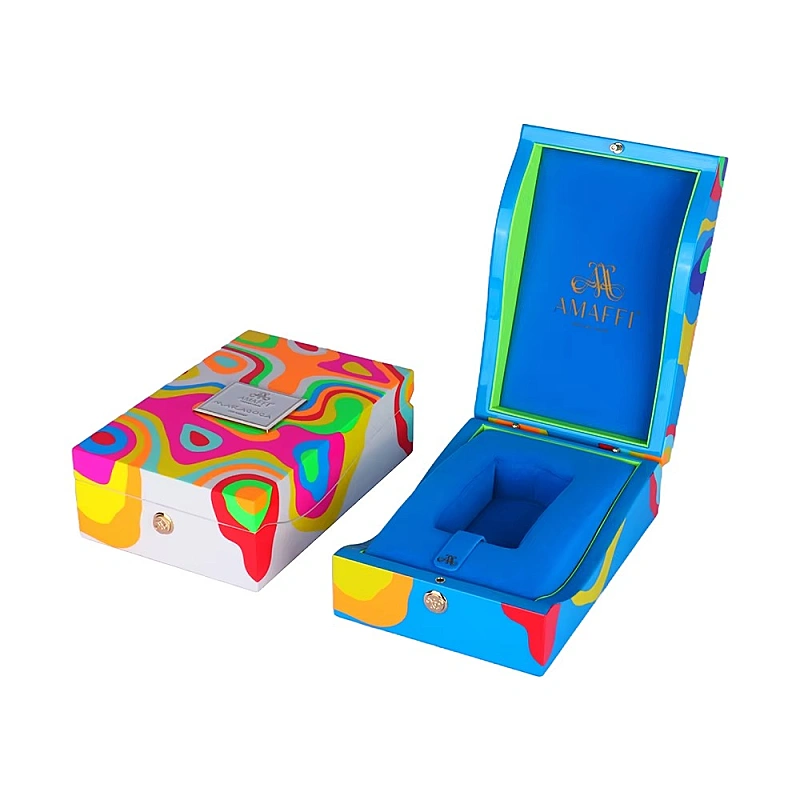
Over time, I heard many customers say their perfume “does not feel alive anymore.” This is a strong way to describe oxidation. The bright citrus notes disappear first. Floral notes become soft. The base notes become thick.
Some luxury fragrance clients told me that older stock smelled “muddy.” This comes from essential oils merging in an unbalanced way.
I tested this myself with stored samples we kept for packaging checks. A two-year-old citrus perfume used in a project smelled almost like a different product. It was not bad. It was just flat.
Many customers assume bad storage means the perfume becomes dangerous. That is usually not true. It only means the performance changed.
Common Customer Complaints I Hear
| Complaint | Reason |
|---|---|
| “It smells weak.” | Top notes faded |
| “It smells sour.” | Oxidation increased |
| “It does not last.” | Alcohol balance changed |
| “It feels heavy.” | Base notes dominate |
I use these examples when guiding clients on storage or packaging improvements.
Is It Still Safe to Use an Expired Perfume, or When Do I Recommend Discarding It?
People worry about safety because they do not want skin reactions from old perfume.
Expired perfume is usually safe, but if it smells harsh, causes irritation, or shows separation, I suggest not using it.
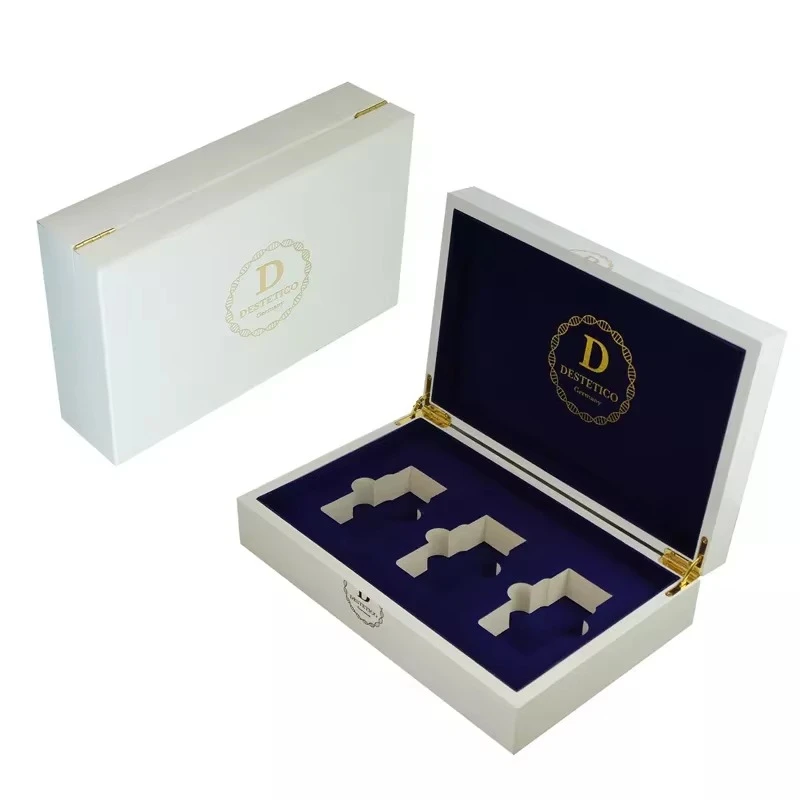
In my experience, most expired perfumes are not harmful. They just smell different. Alcohol prevents most bacterial growth.
But I also saw a few cases where customers stored perfume in extreme heat or direct sunlight. These conditions break the formula faster. Some reported mild skin redness after using such perfume.
When I support brand owners, I always remind them to include basic storage advice for buyers. Proper guidance reduces complaints and helps people use their perfume safely.
When I Advise Customers to Stop Using Perfume
| Condition | Why Stop |
|---|---|
| Strong sour smell | Heavy oxidation |
| Cloudy or separated liquid | Formula is unstable |
| Skin irritation | Sensitive skin reacting to changes |
| Very old storage (5+ years) | Scent profile is far gone |
I think safe use comes from simple observation. If the perfume looks and smells normal, it is usually fine.
How Can Proper Packaging—Including Wooden Perfume Boxes—Help Perfume Stay Fresh Longer?
Many people do not know that packaging is a powerful tool in keeping perfume fresh.
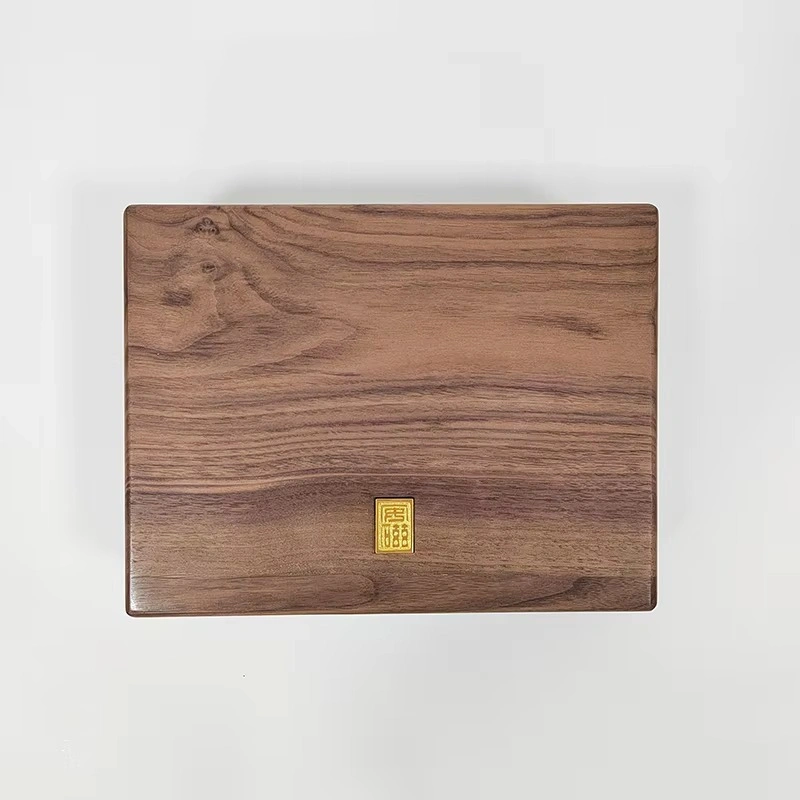
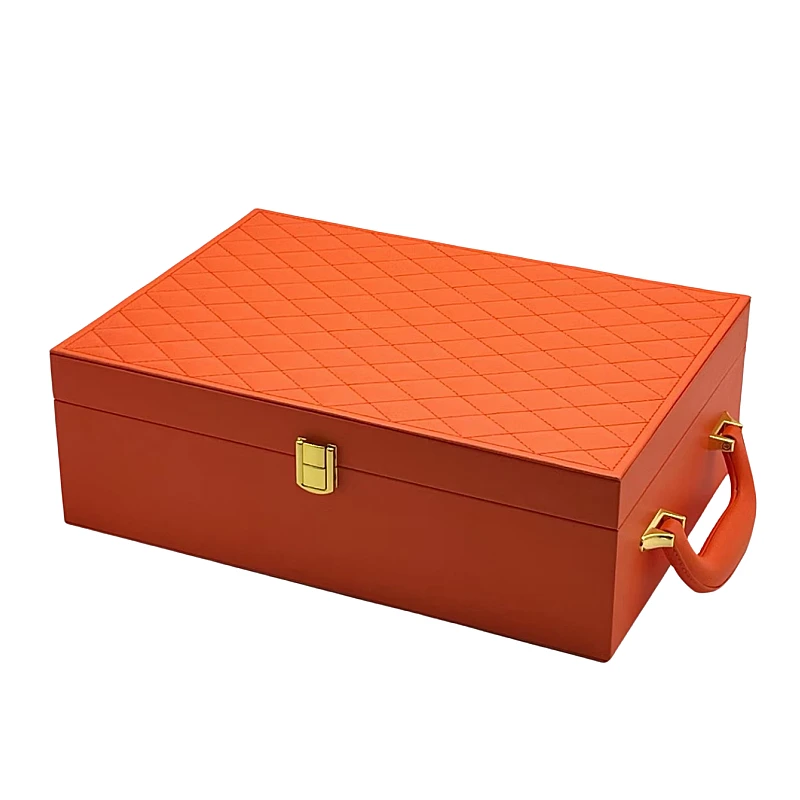
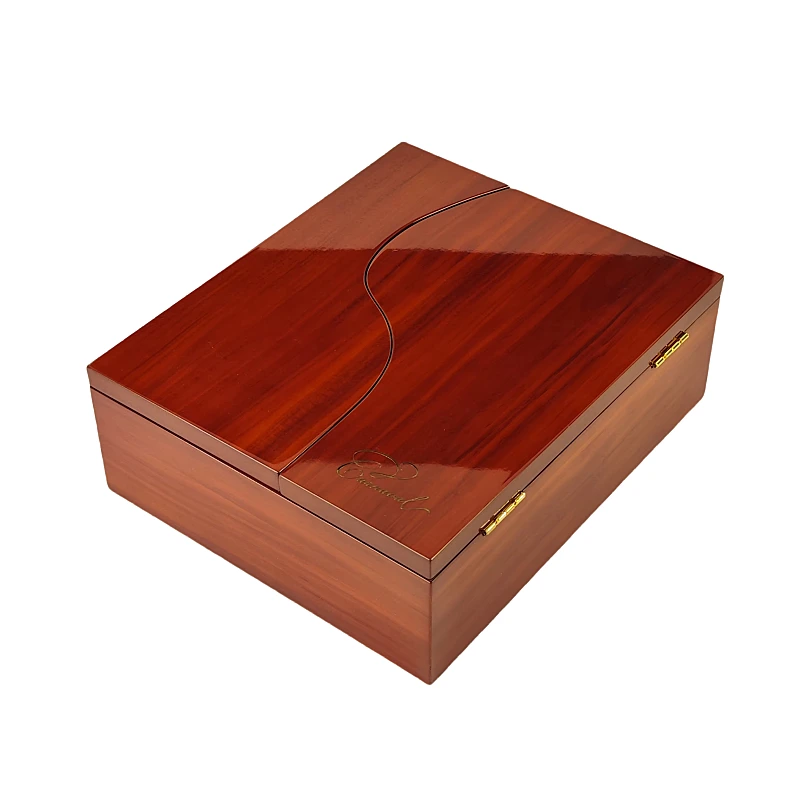
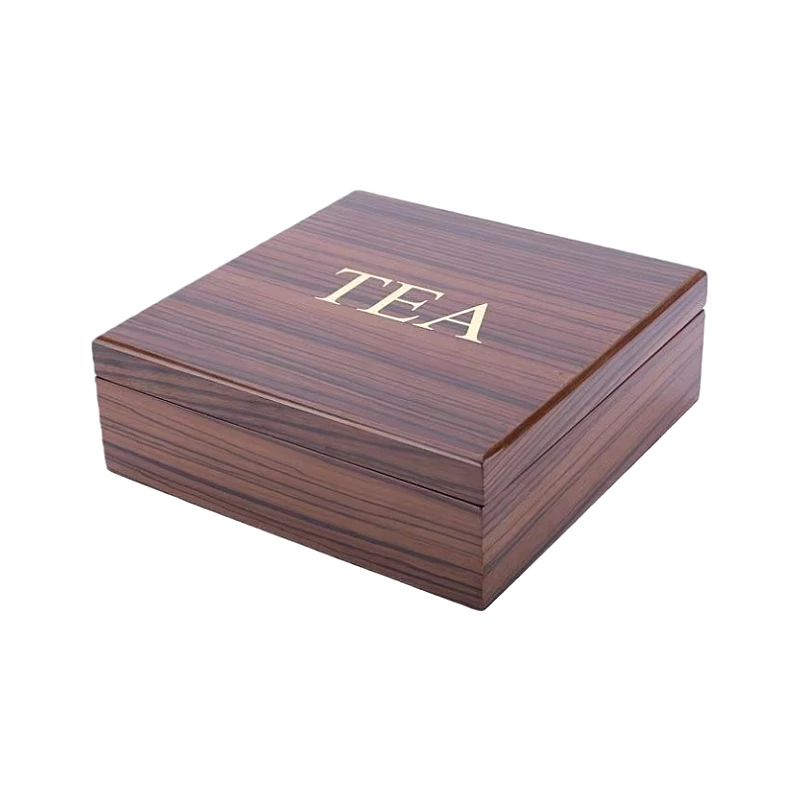
Good packaging blocks light, reduces temperature changes, and protects the bottle. Wooden perfume boxes offer strong stability and longer freshness.
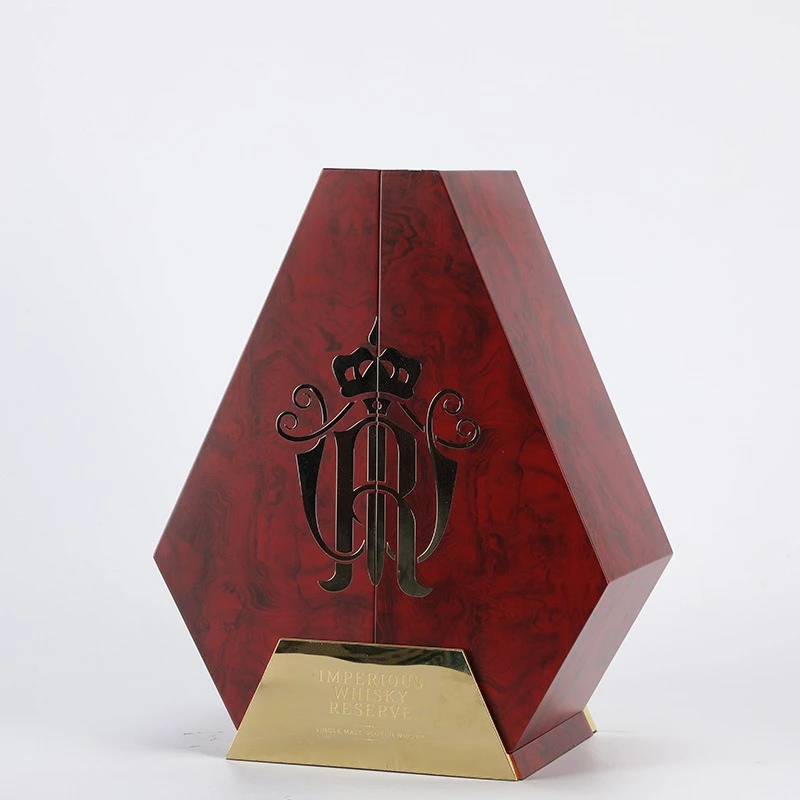
This is the part where my experience becomes very clear. Over years of working with luxury brands, I saw how packaging upgrades improved customer satisfaction.
A solid wooden perfume box shields the bottle from UV light. This is important because light damages aroma molecules fast.
Wood also keeps temperature more stable. It slows down sudden heat changes that happen in many homes or shops.
Many brands ask me to design the interior with soft PU leather or velvet. This is not only for beauty. It keeps the bottle still and reduces shock. Vibration can accelerate molecular separation in some formulas.
How Wooden Packaging Helps
| Benefit | How It Protects |
|---|---|
| Blocks light | Prevents UV damage |
| Insulates temperature | Slows oxidation |
| Reduces humidity exposure | Keeps formula stable |
| Holds bottle firmly | Prevents micro shaking |
| Premium look | Helps brand value |
Extra Design Features I Often Recommend
1. Thick wall structure
It increases insulation.
2. High-gloss piano paint
It seals the wood surface and prevents moisture movement.
3. Soft interior lining
It protects glass bottles from micro impacts.
These features come from many years of testing and customer feedback. In most cases, perfumes stored in well-made wooden boxes stay fresh longer.
Conclusion
Expired perfume is normal, but good packaging and simple care help keep it fresh for a longer time.

 English
  Español
  Português
  Deutsch
  Français
  Italiano
  العربية