跳到内容
跳到内容 
A dry cigar ruins the experience because it breaks easily and loses flavor fast.
A cigar is dry when the wrapper cracks, the body feels stiff, the aroma fades, and the burn becomes hot and uneven. These signs show the tobacco has lost its natural moisture.
I want to help you recognize dryness early, so you can protect your cigars and enjoy a smooth smoke every time.
What physical signs—cracks, flaking, brittleness—show a cigar has lost too much moisture?
A dry cigar breaks, flakes, and feels unstable in your hand.
You can tell a cigar is dry when the wrapper cracks easily, small flakes fall off, and the body feels hard because the tobacco has lost its natural moisture.
When I check a cigar, I always look at the wrapper first. The wrapper tells the truth because it reacts fastest to humidity changes. A healthy wrapper has soft oils that let it stay smooth and flexible. A dry wrapper looks dull. It also feels rough. Fine pieces of leaf flake off as you roll it between your fingers.
Key signs you can observe
| Symptom | What It Means |
|---|---|
| Cracks along the wrapper | The leaf is brittle and cannot bend |
| Flaking when touched | Moisture content has dropped too low |
| Hard, stiff body | Filler tobacco has dried out |
| Hollow sound when tapped | Air pockets formed as moisture left |
Why these signs appear
Wrapper leaf is thin. It loses moisture faster than filler. When the water and oils evaporate, the leaf cannot bend with the binder and filler. This mismatch causes small splits. With enough dryness, these splits grow into long cracks.
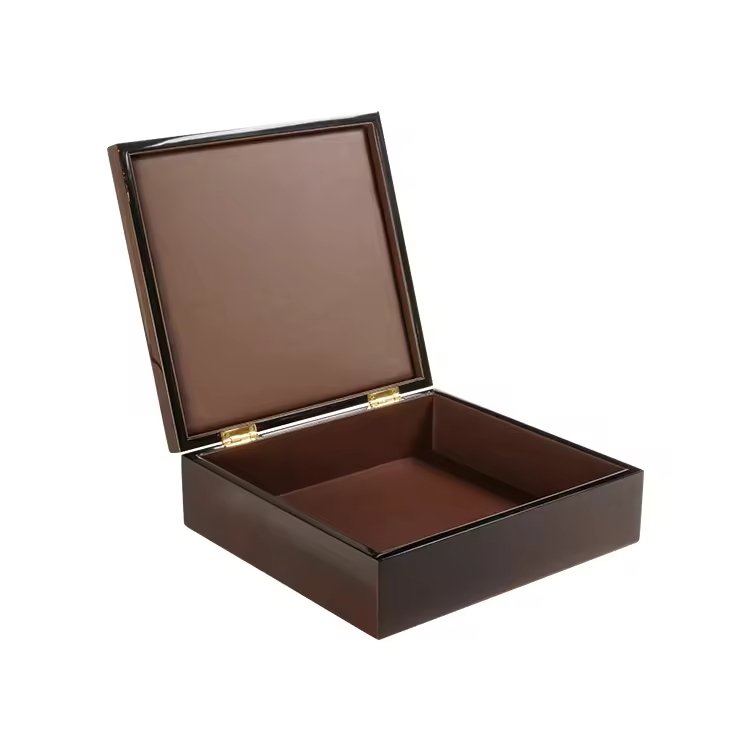
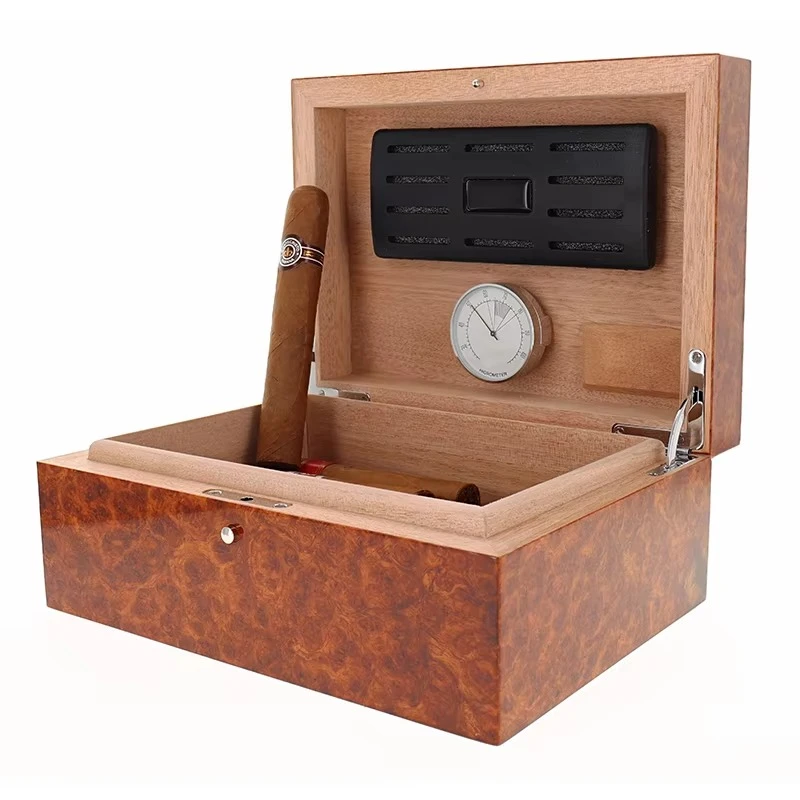
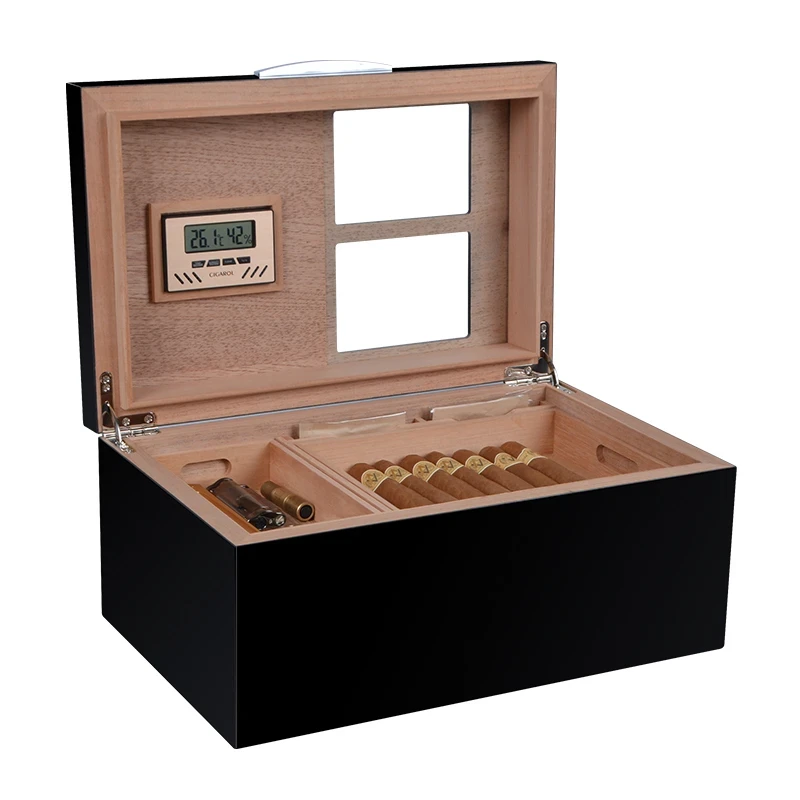
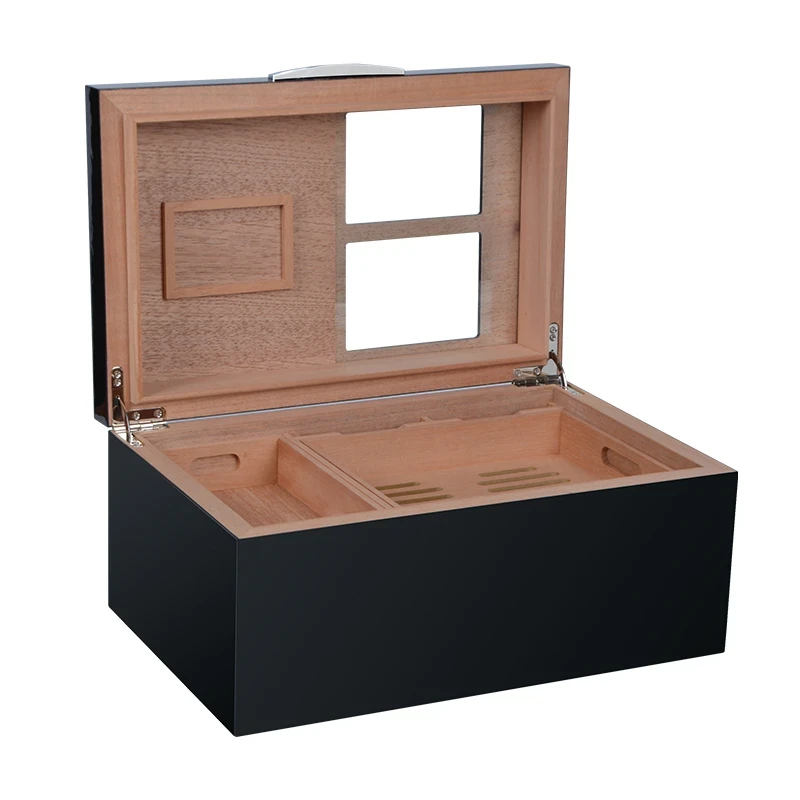
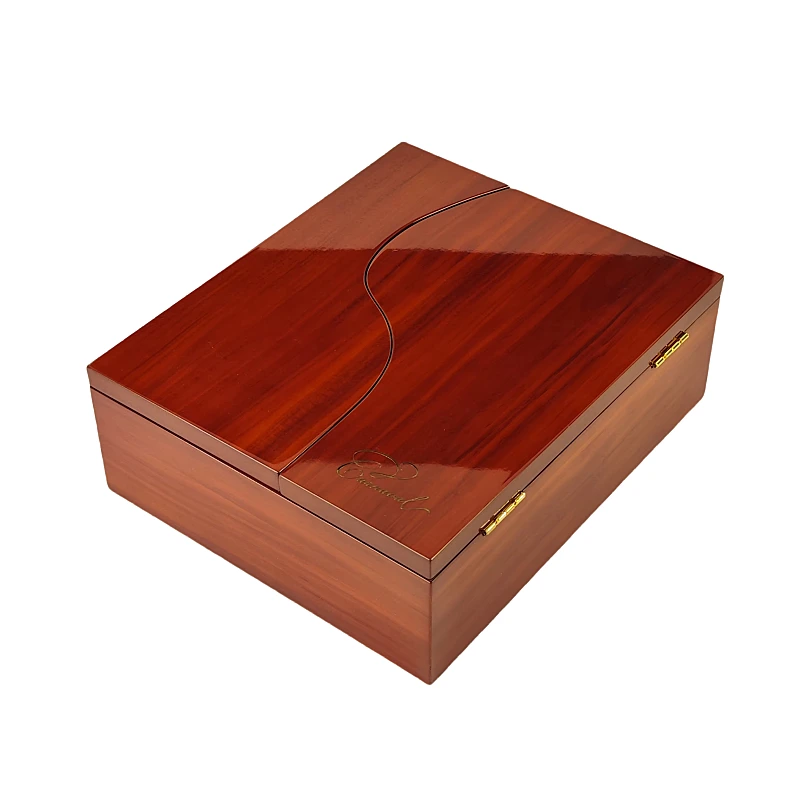
I saw this many times when clients stored cigars in wooden boxes without a humidifier. Even with a high-gloss piano-paint cigar box—which looks beautiful—humidity still matters. A box only slows moisture loss. It does not stop it. When customers opened the lid after a few weeks, they found cracked wrappers because the cigars slowly dried in the room air.
What this means for you
If you see cracks or flaking, you already know the cigar is dry. You can still try to rehydrate it slowly, but the wrapper may not fully recover. At least you understand the condition before lighting it, so you avoid a harsh smoke.
How does the feel of the wrapper and filler reveal whether the cigar is properly humidified?
Touch gives you a fast and clear answer.
A properly humidified cigar feels smooth, slightly oily, and gently springy, while a dry cigar feels stiff, dull, and rough because moisture has escaped from the wrapper and filler.
When I hold a good cigar, the wrapper has a soft drag under my fingers. It feels alive. This feel comes from natural oils that stay inside the leaf when humidity stays stable. These oils protect the wrapper and carry much of the cigar’s aroma.
What proper humidity feels like
| Condition | Wrapper Feel | Filler Feel |
|---|---|---|
| Good humidity (62–70%) | Soft, slightly oily | Springy and flexible |
| Slightly dry | Matte, dry surface | Firm but not cracking |
| Very dry | Rough, fragile | Hard and rigid |
How the feel changes as a cigar dries
When humidity drops, the wrapper becomes thin and sharp at the edges. You can feel lines and veins more clearly. The filler loses its bounce. When you press the cigar lightly, it does not push back. It stays flat. This is a sign that the inner leaves have lost elastic strength.
My experience over the years
I learned this from testing samples for custom cigar boxes. Many of our luxury clients ship cigars to us for size confirmation. I often check 20–30 cigars in a batch. Some feel perfect. Some feel dry from long transport. After many years, I can judge the humidity level within seconds. With practice, you will also feel the difference easily.
Why feel matters
Touch reveals problems earlier than burn quality. If the cigar feels wrong, you know the humidity is off before you even light it. This helps you fix the issue early and save the cigar.
What aroma changes signal that the cigar’s natural oils have evaporated or weakened?
Your nose reveals what your eyes cannot see.
A dry cigar has a weak, papery smell because its natural oils evaporate, while a healthy cigar has rich notes of earth, wood, sweetness, or spice.
When I bring a cigar close to my nose, I can tell if it has been stored well. Aroma comes from oils inside the tobacco leaf. These oils need moisture to stay active. When humidity drops, the oils dry up. The aroma fades fast.
Aroma differences you can detect
| Condition | Aroma Strength | Aroma Notes |
|---|---|---|
| Well-humidified | Strong | Earthy, sweet, woody, cocoa |
| Slightly dry | Reduced | Flat or muted |
| Very dry | Weak | Papery, dusty |
Why aroma changes matter
Aroma is one of the clearest signs of dryness. Even before the wrapper cracks or the body stiffens, the aroma drops. Tobacco is like any natural plant product. When oils disappear, the product loses its character.
How I learned to rely on aroma
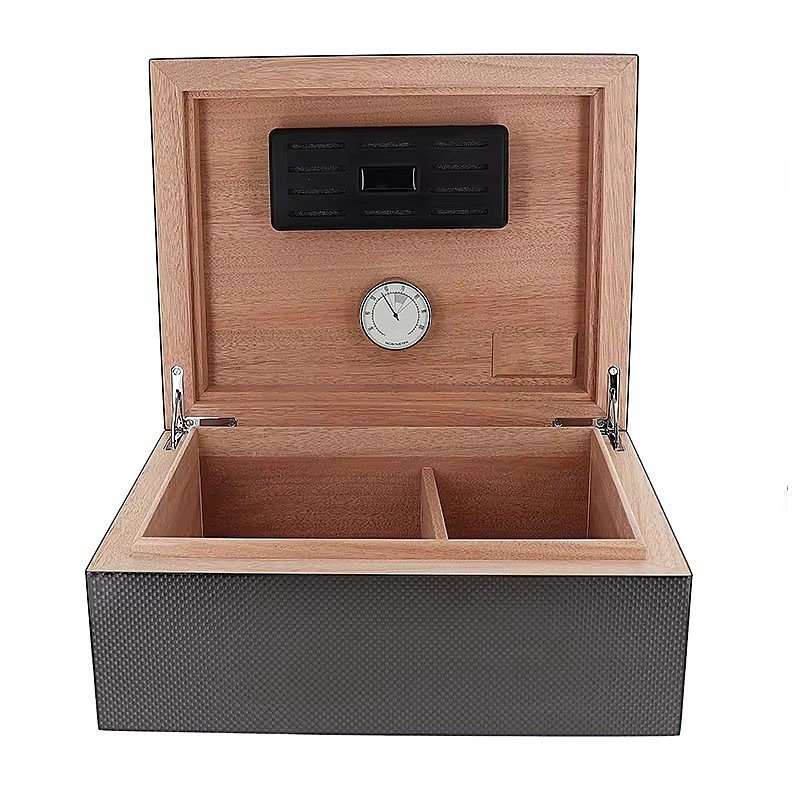
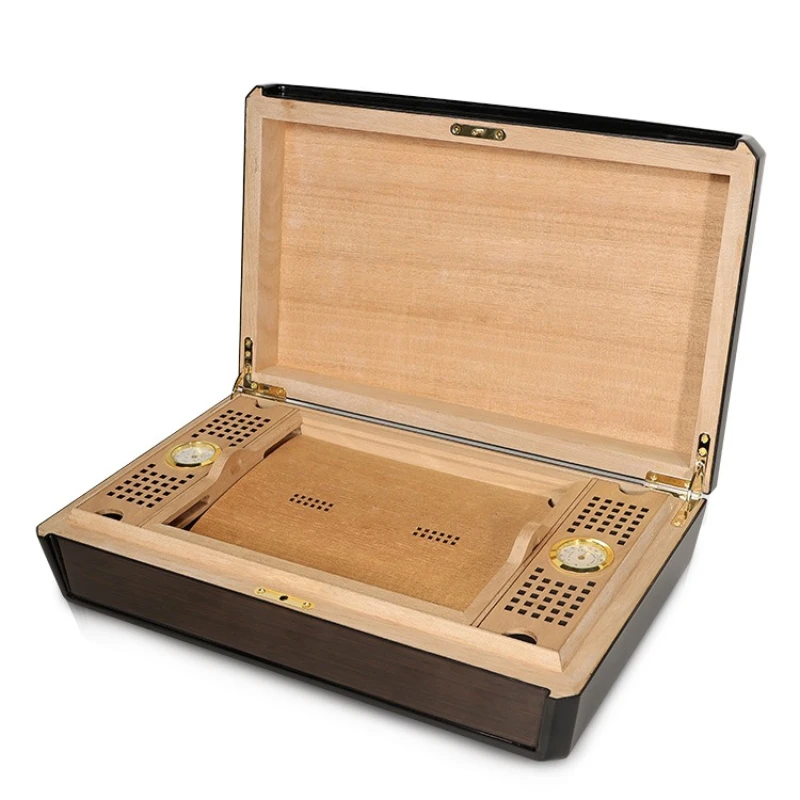
When we design high-end wooden cigar boxes, many clients ask for Spanish cedar lining. Spanish cedar holds aroma well. When I open a fresh box with good cigars inside, I smell a deep mix of cedar and tobacco. When cigars are dry, that smell is missing. I get only cedar, not tobacco. This simple scent test helped me notice many storage issues early.
What you should look for
If the cigar smells weak or dusty, it has likely been dry for some time. Aroma does not return fully even if you rehydrate the cigar. You may still smoke it, but the taste will not be the same.
How can a simple “pinch test” or gentle squeeze help you judge dryness without causing damage?
A gentle squeeze tells you more than a visual check.
A good cigar feels springy when you pinch it lightly, but a dry cigar feels hard, thin, or crackly because the filler and wrapper have lost flexibility.
The pinch test is simple. Hold the cigar between your thumb and index finger. Press gently—just enough to feel the body. Do not squeeze hard. Dry cigars break easily.
What the pinch test reveals
| Result | What You Feel | What It Means |
|---|---|---|
| Springy bounce | Soft resistance | Proper humidity |
| No bounce | Hard or stiff | Filler is dry |
| Crackling sound | Tiny breaks inside | Both wrapper and filler are dry |
Why it works
Tobacco leaves need moisture to stay flexible. Good filler tobacco springs back after pressure. When the cigar dries, the inner structure becomes rigid. You lose the bounce. You may even feel the cigar compress like a chalk stick.
My personal habit
I always use the pinch test when clients send us samples for wooden cigar box sizing. I need to know whether the cigars dried during shipping. If the cigars feel too hard, I warn the client that the sample may not represent their real product. Over the years, this test saved many brands from producing boxes with inaccurate internal dimensions.
Tips for doing it correctly
- Pinch gently
- Pinch in two or three places
- Avoid the head and foot
- Stop if you feel cracking
If you pinch correctly, you will not damage the cigar. You will also get a fast sense of its condition.
What burn issues—uneven heat, fast burn, harsh flavor—confirm a cigar is too dry to enjoy?
Dry cigars burn hot and fast.
A dry cigar burns unevenly, smokes hot, loses flavor, and often tunnels or flakes because the tobacco cannot burn at the right speed.
Once you light a cigar, burn behavior tells you the full truth. Even if a cigar looks fine, the burn exposes moisture problems immediately.
Burn problems you may see
| Burn Issue | What You Notice | What It Means |
|---|---|---|
| Fast burn | Cigar disappears quickly | Moisture is too low |
| Uneven burn | One side burns faster | Wrapper dried unevenly |
| Harsh or hot smoke | Taste feels sharp | Oils have evaporated |
| Loose ash | Ash falls too fast | Filler is too dry |
Why dryness affects the burn
Tobacco needs moisture to burn slowly and evenly. When moisture drops, the leaf ignites too fast. The smoke becomes thin. Flavor becomes sharp. Heat increases. These problems combine into a bad smoking experience.
What I learned from cigar makers
During factory visits, cigar masters often show me how humidity impacts burn behavior. They light two cigars made from the same batch. One is stored correctly. One is left out in the open for a few days. The dry cigar burns almost twice as fast. It also tastes bitter. This simple comparison made the importance of humidity very clear to me.
How to confirm dryness by burn
If you see a fast, uneven, or hot burn, the cigar is dry. You may try to smoke it slowly, but the core issue remains.
Conclusion
Dry cigars show clear signs in feel, smell, and burn, so you can judge their condition quickly.
Brand Name: WoodoBox
Slogan: Custom Wooden Boxes, Crafted to Perfection

 English
  Español
  Português
  Deutsch
  Français
  Italiano
  العربية