I see many people feel confused when they start making perfume because they do not know what they really need.
You can make a simple perfume with only alcohol, essential oils, and distilled water. These ingredients form the base of almost every beginner-friendly fragrance. They are easy to control and help you learn how scents behave.
When I talk with fragrance buyers, I hear the same thing. They want a clear path. So I will walk you through each step in a simple way and also share what I learned from perfume brands that trust WoodoBox for their wooden perfume box packaging.
What Basic Ingredients Do You Need to Start Making a Simple Perfume?
I hear many new creators tell me they feel lost when they see too many ingredients.
You only need alcohol, essential oils, and water to start. These three items help you learn how perfume works without pressure.
Dive deeper
Every perfume has three basic parts. I learned this from many fragrance clients over the years. They often come to me with a formula in hand while we discuss their custom perfume box design. They always begin with the core materials first.
Here is a simple breakdown:
| Ingredient | Role | Notes |
|---|---|---|
| Alcohol (usually 95% ethanol) | Main carrier | Helps oils mix and spread on skin |
| Essential oils or fragrance oils | Scent source | You choose top, middle, and base notes |
| Distilled water | Dilution | Softens strong formulas |
I keep these three elements in all sample tests. Alcohol is the most important part because it allows the scent to open. If you use a lower alcohol grade, the scent becomes flat. Perfume brands who work with me often bring several alcohol samples when we discuss packaging because they want to see how their blends behave under different storage conditions.
The oils are the heart of the perfume. I always tell new creators not to buy too many oils at the beginning. Choose no more than ten. This helps you focus on learning how notes rise or fade. When I visit clients' labs, I see simple shelves with maybe ten to fifteen oils for early creation. It is very clean and easy to manage.
Distilled water helps balance the final product. I use it when brands want softer scents for gift markets or hotel amenities. If the perfume is for luxury retail, many brands skip water for a stronger concentration.
When you get familiar with these ingredients, you understand how small changes create new emotions in a perfume. This first step also helps you prepare for packaging decisions because oil concentration affects how bottles and wooden boxes protect the formula.
How Do Top, Middle, and Base Notes Work Together to Create a Balanced Fragrance?
Many beginners feel frustrated because their perfume smells good at first but changes fast.
Top, middle, and base notes work like a timeline. Each note group appears at a different moment and creates a complete scent story.
Dive deeper
I work with many perfume designers, and they always start with the same mindset—the fragrance must “travel.” This means the scent should move through stages in a smooth way. So let me break down each note group:
Top Notes
These are the first scents you smell. They usually last 10–20 minutes. Many brands choose citrus, herbs, or light fruits. When my clients test samples inside a wooden perfume box, they can feel how the top notes stay brighter because the box blocks light.
Middle Notes
The middle notes form the body. They appear when the top fades. Florals, spices, or tea notes are common. I see designers spend the most time perfecting this layer because it carries the brand's character.
Base Notes
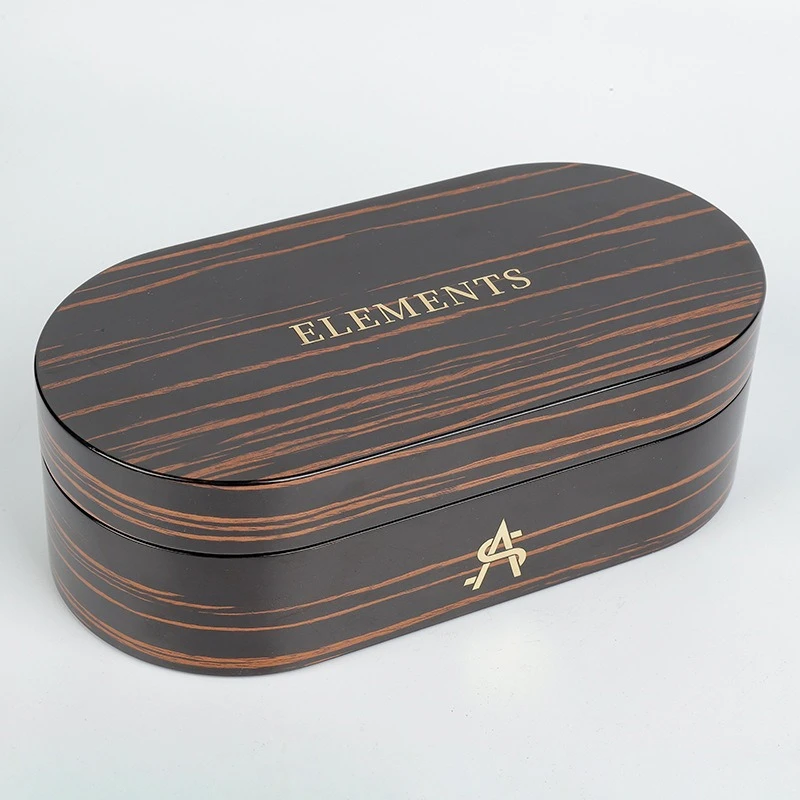
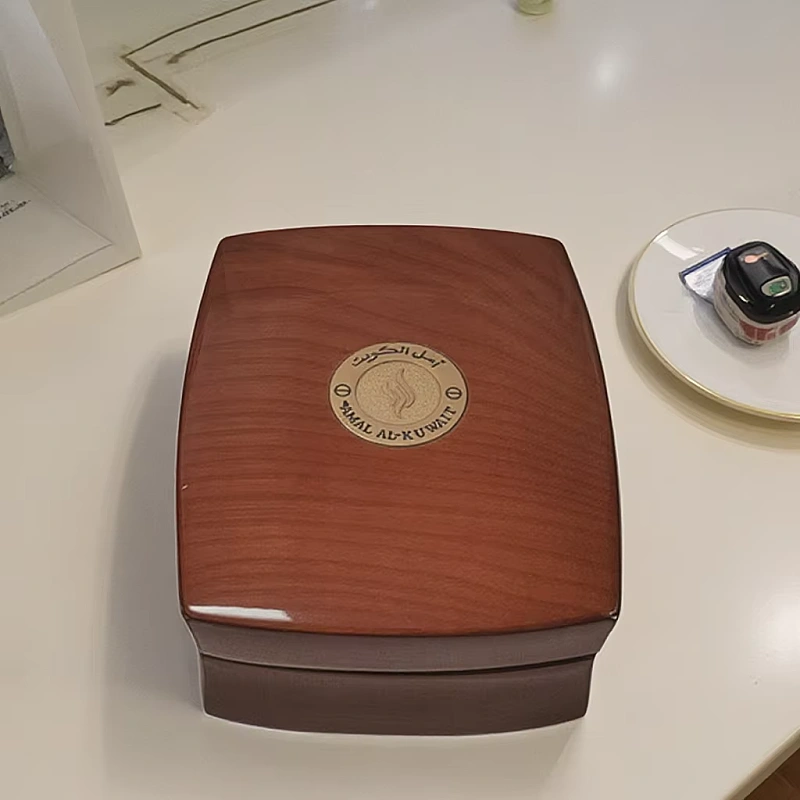
These stay the longest. They help the scent last for hours. Woods, musk, and resin notes work here. I often notice a strong connection between base notes and packaging. When brands select a deep walnut wooden box or piano-paint finish, they want a warm, rich story to match the heavy base notes.
Here is a simple table that many beginner perfumers find helpful:
| Note Type | Duration | Common Oils | Purpose |
|---|---|---|---|
| Top | 10–20 min | Lemon, bergamot, mint | First impression |
| Middle | 30–60 min | Rose, jasmine, nutmeg | Scent identity |
| Base | Several hours | Sandalwood, vanilla, musk | Long-lasting depth |
When you understand how these notes connect, you can create a smooth scent. It is like building a house. The top is the entrance, the middle is the living room, and the base is the foundation. All three must work together.
What Steps Should You Follow When Blending Oils to Achieve a Smooth and Stable Scent?
Many people mix oils without a plan, and the result smells messy.
The best way is to follow a simple step-by-step process. You choose oils, build ratios, blend slowly, and test often.

Dive deeper
I mix hundreds of scent samples every year with my clients, especially when we design wooden boxes for full product lines. I notice the same thing: the most successful perfumes follow a clear procedure.
Here is a practical process you can use:
Step 1: Choose your scent direction
Ask yourself what emotion you want. Fresh? Warm? Sweet? Woody? Many designers show me a mood board before we talk about packaging. This helps them stay focused.
Step 2: Select 1–2 notes from each category
Do not overload the formula. A simple blend of 5–8 oils is perfect for beginners.
Step 3: Start with small ratios
I always begin with the base notes at around 20–30%, middle notes at 40–50%, and top notes at 20–30%.
Step 4: Blend drop by drop
Add oils slowly. Shake the bottle. Smell. Rest. Adjust. This part feels slow but gives you the best result.
Step 5: Add alcohol
Typical perfume uses around 70–90% alcohol. More alcohol means lighter scent.
Step 6: Let the blend rest
Even one hour can show how oils behave.
Helpful Ratio Table
| Note Type | Suggested Range | Example |
|---|---|---|
| Base | 20–30% | Sandalwood + vanilla |
| Middle | 40–50% | Rose + clary sage |
| Top | 20–30% | Lemon + mint |
When I work with luxury brands, they often bring early blends to my factory when we discuss wooden box colors and finishes. They want to see how the scent feels next to the packaging design. This alignment creates a full experience for customers.
The smoother your blending process is, the easier it is to scale production later.
How Long Should Perfume Mature, and Why Does This “Resting Time” Matter?
Many people skip the resting stage because they think the blend already smells good.
Perfume needs time to mature so the oils can merge with alcohol and form a stable scent.
Dive deeper
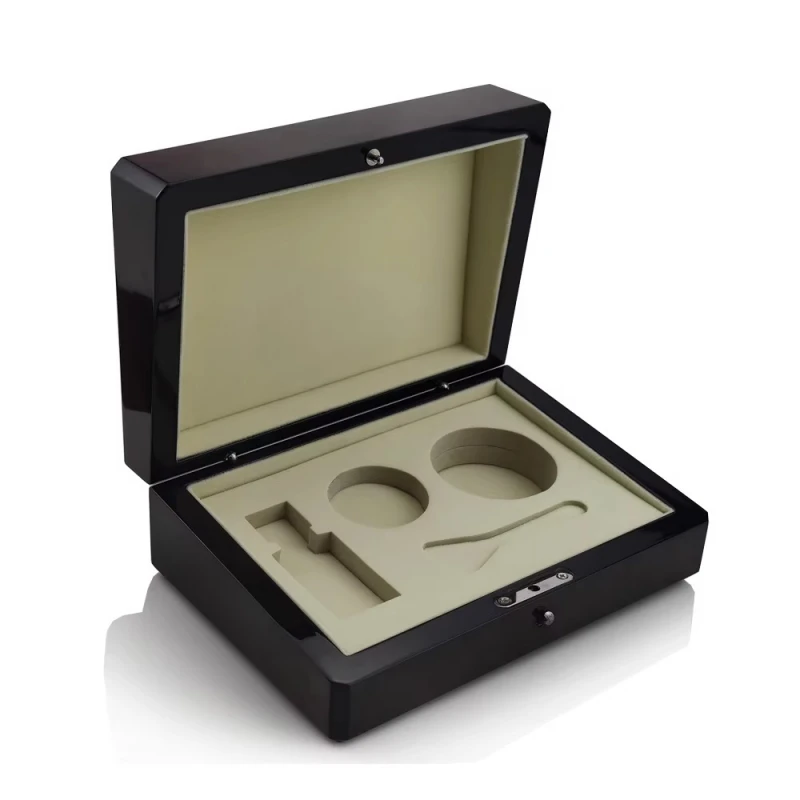
Perfume maturity is one of the topics clients often ask me about when they order custom perfume boxes. They want to know how long they should age their scent before final packaging. Based on my experience, this step can change everything.
Why resting matters
Alcohol and oils do not become one immediately. They need time to merge. During this time, strong edges soften, and hidden notes appear.
Typical timelines
- Eau de Toilette: 1–2 weeks
- Eau de Parfum: 3–6 weeks
- Perfume oils: 4–8 weeks
Some brands rest their perfume for three months when they want very smooth transitions between notes.
What happens during resting
- The top notes become clear.
- The middle notes open.
- The base notes connect better with the full blend.
- The alcohol bite fades.
I once worked with a perfume studio that used a piano-lacquer wooden box for maturing their samples. They told me the stable temperature inside the box gave them more predictable results.
Here is a simple maturity chart:
| Type | Rest Time | Result |
|---|---|---|
| Short (1–2 weeks) | Light blends | Fresh top notes |
| Medium (3–6 weeks) | Most perfumes | Balanced structure |
| Long (8+ weeks) | Complex scents | Deep, smooth finish |
Resting also helps you know the true scent before deciding bottle size, label style, or packaging feel.
How Can Proper Storage or Packaging — Including Wooden Perfume Boxes — Improve the Final Quality?
Many creators lose quality because they store their perfumes in the wrong place.
Good packaging protects the scent from light, heat, and air so the formula stays stable.
Dive deeper
This is where my experience in the wooden packaging industry becomes very useful. After 15 years working with luxury perfume brands, I see one clear truth: good packaging protects the fragrance, and great packaging elevates it.
Why storage matters
Perfume is sensitive. Light breaks down oils. Heat shifts the blend. Air changes concentration. This means the scent you create today may not smell the same next week if stored poorly.
How wooden perfume boxes help
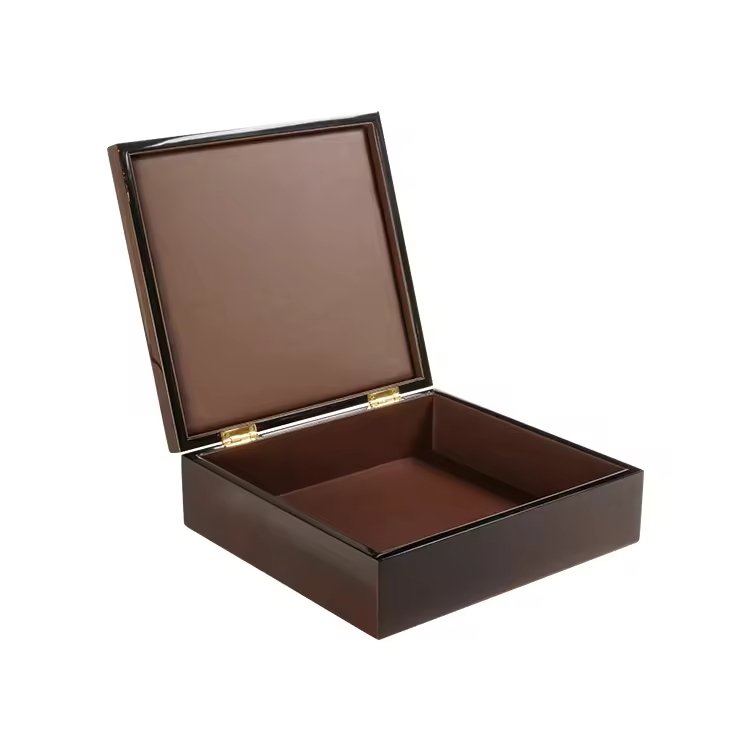
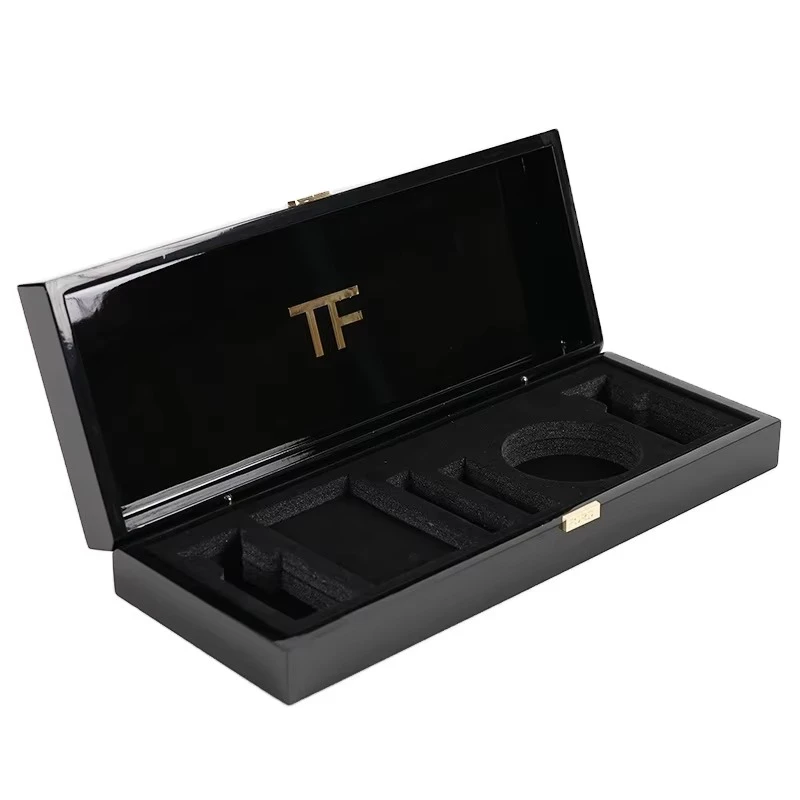
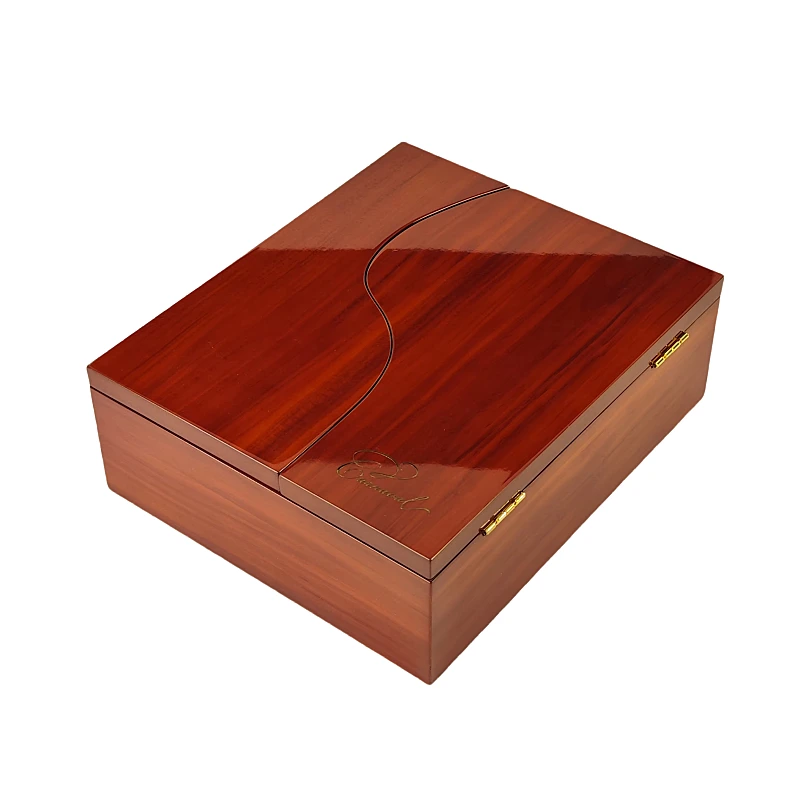
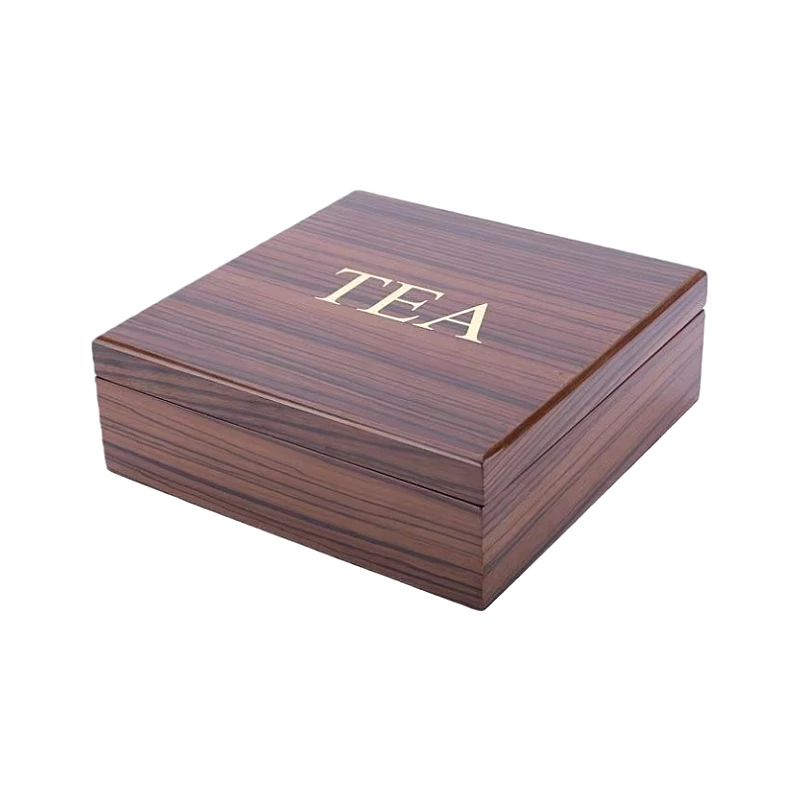
A wooden perfume box creates a stable micro-environment. It reduces exposure to sunlight and helps manage temperature swings. Many brands choose solid wood or MDF with veneer because the structure is strong and the inside stays dark.
Here are some common improvements brands see when using wooden boxes:
| Problem | Without Good Packaging | With Wooden Perfume Box |
|---|---|---|
| Light damage | Top notes fade fast | Notes stay bright |
| Heat changes | Oils separate | Blend stays stable |
| Air exposure | Alcohol evaporates | Bottle stays sealed and protected |
| Brand feel | Basic look | Premium presentation |
Extra details that matter
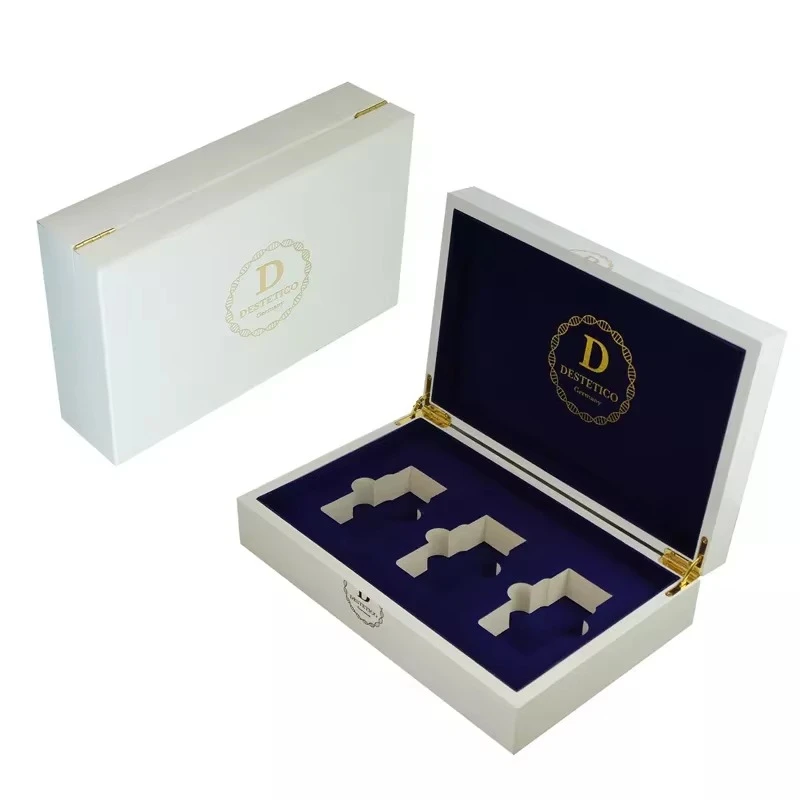
- Velvet or PU leather lining protects the bottle from scratches.
- Foam inserts hold the bottle in place during shipping.
- Piano-paint finishes increase brand value in retail displays.
I worked with a fragrance brand in France that upgraded from cardboard packaging to a high-gloss walnut wooden box. They told me customers started keeping the box as a display piece. This simple change increased repeat orders because the packaging felt like part of the perfume.
A good wooden box does not just hold the bottle. It tells the customer the fragrance is important.
Conclusion
Good perfume comes from simple steps, careful blending, patient resting, and strong packaging that protects the final scent.

 English
  Español
  Português
  Deutsch
  Français
  Italiano
  العربية