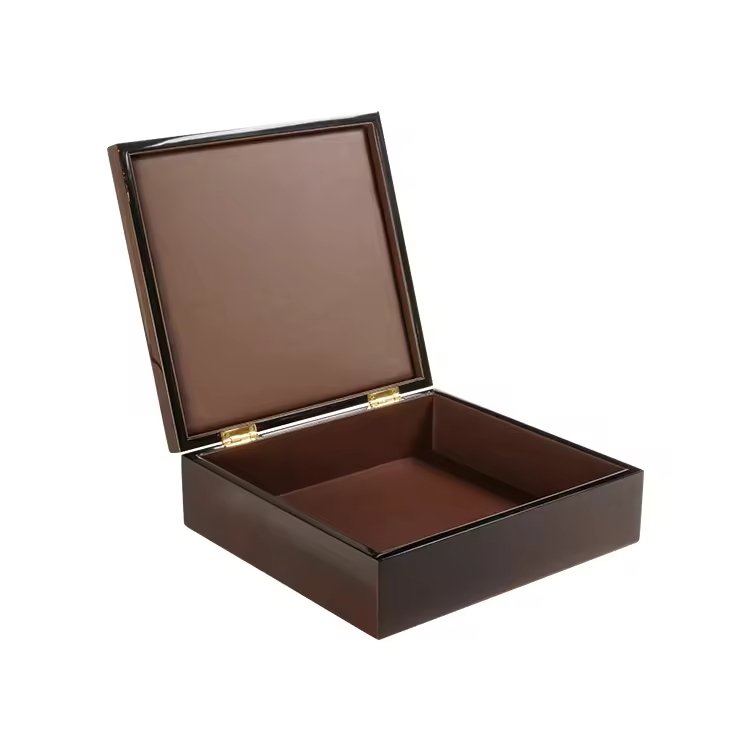
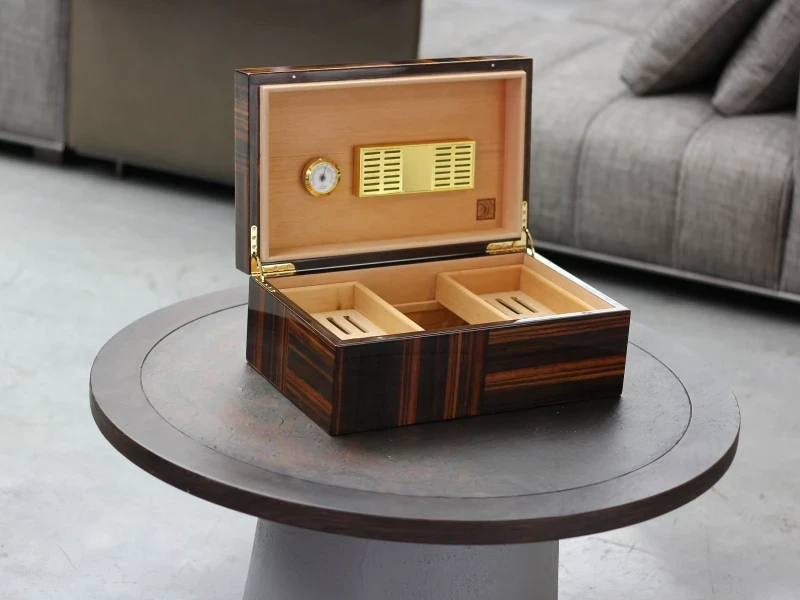
I know many buyers struggle because wooden cigar boxes look similar, but their value can be very different.
A wooden cigar box is worth what its craftsmanship, materials, brand, and condition can justify within today’s collector and premium packaging market. High-end woods, clean construction, and strong brand history often raise the price.
I want to help you see the value behind these boxes, because once you understand the structure and the craft, you will judge any box with confidence.
What factors determine the market value of a wooden cigar box?
I see many people confused because cigar boxes vary so much in build quality and design, so the price range becomes hard to predict.
A wooden cigar box’s value depends on wood type, craftsmanship, brand history, construction details, finish quality, condition, and collector demand. These factors directly shape market prices.
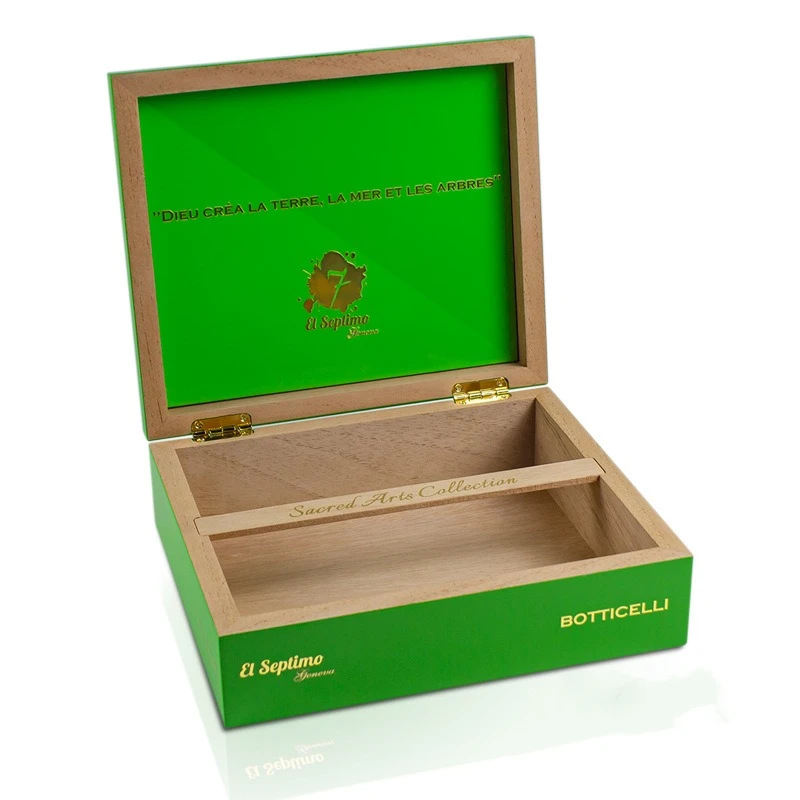
When I evaluate a box, I start with the same steps I use in my factory. I look at the material first, then the internal lining, then the joinery, and finally the finish. Every choice affects cost, durability, and perceived value. Below, I break down the real factors that influence worth.
1. Wood Type: The Foundation of Value
Different woods have different costs and performance levels. Manufacturers choose them based on positioning and budget.
| Wood Type | Typical Use Case | Impact on Value |
|---|---|---|
| Spanish Cedar | Premium humidors | Very High |
| Mahogany | Luxury boxes | High |
| Walnut | Designer packaging | High |
| Oak / Beech | Mid-range boxes | Medium |
| MDF + Veneer | Mass production | Low–Medium |
Spanish cedar almost always raises the value because it protects cigars from humidity swings. MDF veneer boxes look nice but cost far less to produce.
2. Construction
I always tell clients that clean joinery is the soul of a good wooden box. A box with tight corners and no gaps feels like a luxury product. Finger joints, miters, dowels, or hidden joints all change the perceived value. Better joints cost more to manufacture.
3. Finishing
The finish often determines the first impression. Piano lacquer takes the longest time and raises the cost. Stained finishes are simpler and cheaper. A high-gloss lacquer box can go through more than 12 polishing steps.
4. Brand and Collector Appeal
Some boxes are valuable because collectors chase them. Others are valuable because the craftsmanship is rare. When both are strong, the price can jump dramatically.
5. Internal Components
Elements like hygrometers, dividers, and magnetic closures increase cost and value. Spanish cedar lining is a major factor because it controls aroma and humidity.
When you put all these together, you get a clear picture of why some boxes cost $5 and others cost $300.
How do craftsmanship and materials influence pricing in today’s cigar box market?
Many buyers feel confused because two boxes may look similar in photos, but one costs ten times more.
Craftsmanship and materials directly shape a cigar box’s market value. Premium woods, precise joinery, cedar lining, and high-gloss finishes often raise production costs and resale prices.
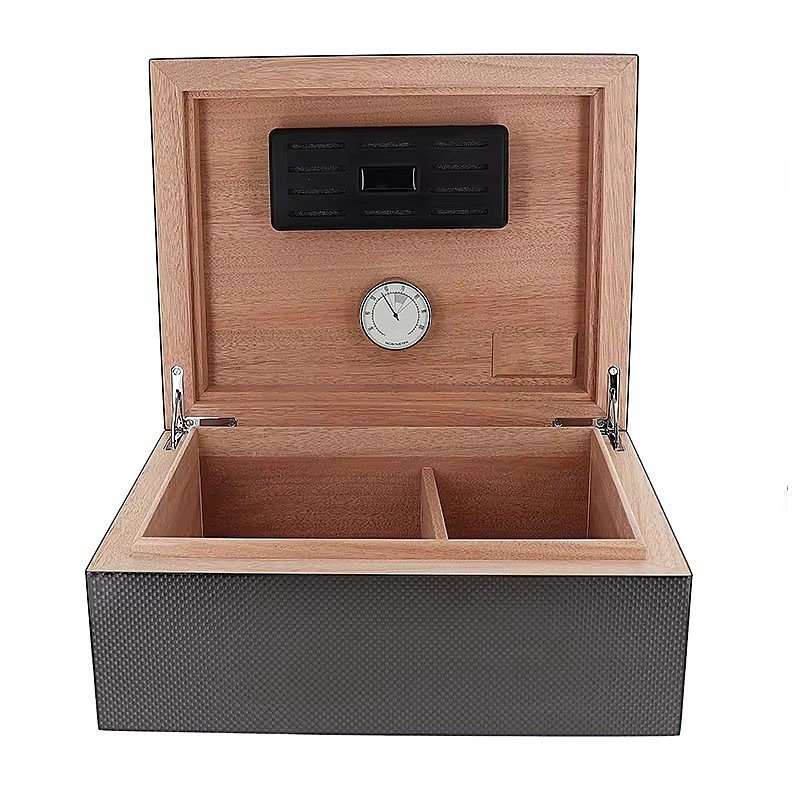
I learned early in my career that most of the value lies in details most casual buyers never notice. When a skilled craftsperson touches the box, the difference becomes clear fast. Now I will break down the factors that matter.
The Materials That Shape Price
Spanish Cedar Lining
This is the biggest cost driver. Spanish cedar regulates humidity, absorbs moisture, repels pests, and gives cigars a mild aroma. The market knows this, so a cedar-lined box always gets a higher price.
Hardwood vs Veneered MDF
Hardwood boxes cost more because the material is expensive and harder to work with. Veneered MDF offers stability and good appearance but lacks the prestige of solid wood.
Craftsmanship: The True Value Multiplier
Joinery Quality
Clean miters or hidden joints show real skill. When I train workers, I tell them that uneven joints ruin the whole box. High-end clients look at corners first. Good joinery means better resale value.
Finishing: Matte, Satin, or Piano Lacquer
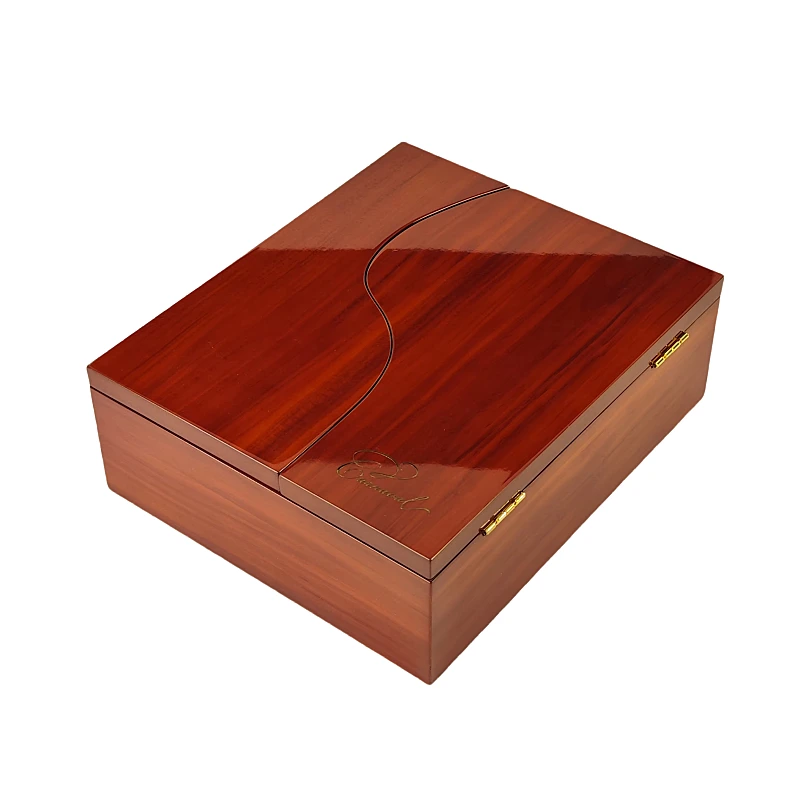
Piano lacquer requires many layers and polishing steps. For some luxury humidor boxes, we even hand-polish the final coat. This finish increases value because the process is slow and skill-intensive.
Internal Components That Increase Value
- Cedar dividers
- Humidification system
- Magnetic closure
- Metal badges or brass hardware
- Soft-touch interior linings
These details separate a premium box from a basic one.
When craftsmanship and materials come together, the result is a box that feels heavy, smooth, and expensive. That feeling is what buyers pay for.
Does brand reputation or origin country significantly increase a cigar box’s worth?
Many people ask me why a box from one country is priced higher even if materials look the same. This confusion is common.
Yes, brand reputation and country of origin can raise a cigar box’s value. Famous cigar brands and countries known for craftsmanship usually command higher prices.
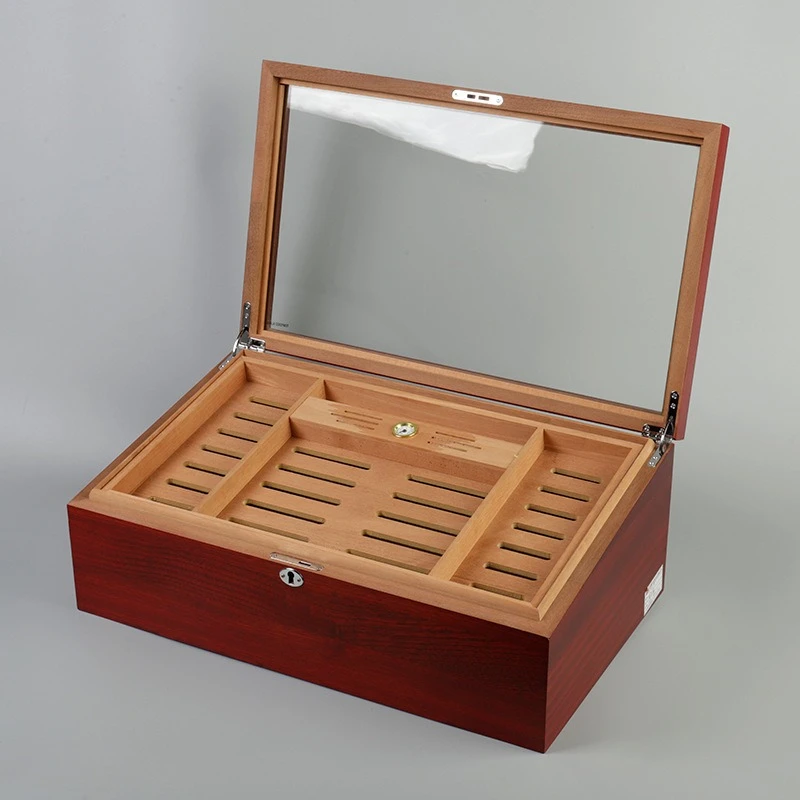
Brand power plays a very big role in the packaging world. The value increases because buyers associate the box with quality or history, even if the construction is similar to a non-branded product.
Brand Reputation: The Market Advantage
Premium Cigar Brands
Boxes from brands like Cohiba, Montecristo, and Davidoff often sell at higher prices because collectors chase them. Their packaging teams design boxes with strong identity and consistent quality.
Limited Editions
When a brand releases a limited edition box, collectors drive up the market value. These boxes often feature special lacquer, inlays, or custom hardware.
Country of Origin
| Country | Market Perception | Impact |
|---|---|---|
| Cuba | High prestige | Very High |
| Dominican Republic | Strong craftsmanship | High |
| Nicaragua | Growing collector market | Medium–High |
| China | Leading manufacturing cost advantage | Medium |
| USA / Europe | Boutique craftsmanship | High |
Boxes made in Cuba or from Cuban brands almost always hold value better. But China dominates the custom wooden box industry for manufacturing quality and lower cost, so many premium brands source there without reducing value.
Why Origin Matters
Country of origin influences buyer confidence. It also shapes expectations. In my factory, I produce for clients in Europe and the US, and they rebrand the products at much higher prices. The final value depends on how the brand communicates craftsmanship, not just where the box is made.
Brand storytelling raises value. Origin reinforces it. Together, they influence price significantly.
How does condition—new, vintage, or used—impact the resale value of a wooden cigar box?
I meet many collectors who believe all old boxes are valuable. That is not always true.
Condition affects value more than age. New and well-maintained boxes sell for more, while vintage boxes gain value only if they are rare, clean, and structurally intact.
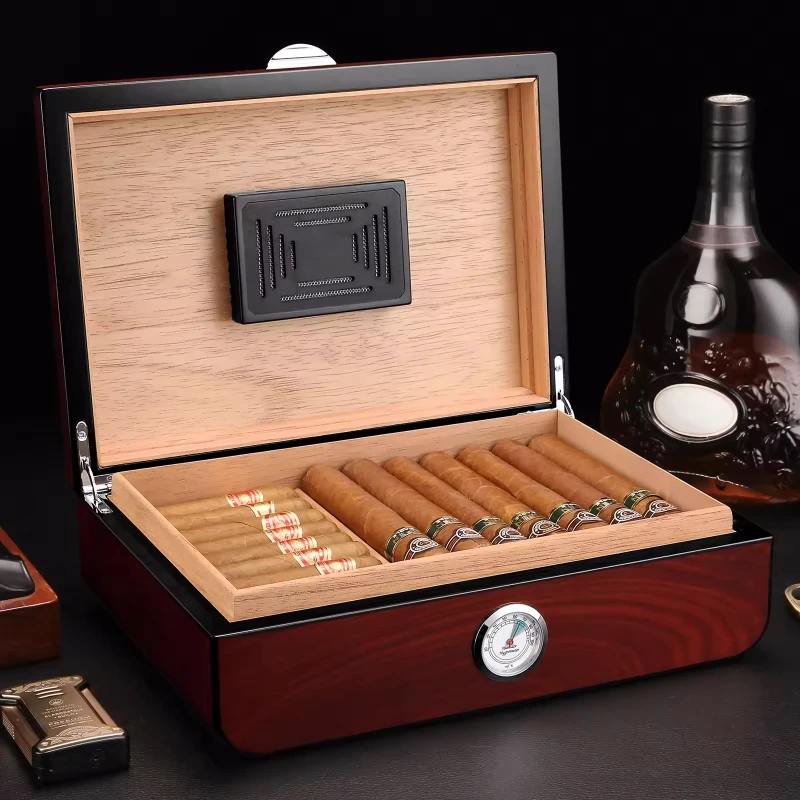
Condition is a simple concept, but it impacts price in many ways. A small crack or poor maintenance can reduce value fast. I look at many elements when I evaluate a box’s condition.
The Three Main Conditions
1. New / Unused Boxes
New boxes are close to original value. They perform better because:
- No humidity damage
- No scratches
- No missing hardware
- Finish is perfect
These boxes attract buyers who want a clean presentation.
2. Used Boxes
Used boxes vary. Some are still valuable if kept in good condition. But the price drops when:
- Finish becomes dull
- Hinges loosen
- Cedar lining cracks
- Odor contamination appears
Odor contamination is a big issue. If cigars with strong scents were stored inside, the box can pass the smell to new cigars.
3. Vintage Boxes
Vintage does not mean valuable. Value rises only if the box is rare, branded, limited edition, or well-maintained.
Key Evaluation Points
| Condition Factor | Importance |
|---|---|
| Finish | Very High |
| Hardware | High |
| Cedar Lining | Very High |
| Humidity Damage | High |
| Structural Stability | High |
| Smell / Odor | Medium–High |
A vintage box with mold or humidity damage loses most of its value. A well-preserved box, even if old, may sell for more than new mass-produced boxes.
Collectors prefer boxes that show history but not neglect.
Buyers often wonder why one box sells for $10 and another for $200. They both store cigars, so what is the difference?
Mass-produced cigar boxes cost less because they use simple materials and fast production. Handcrafted premium boxes cost more because they use high-end woods, precise joinery, and time-intensive finishes.
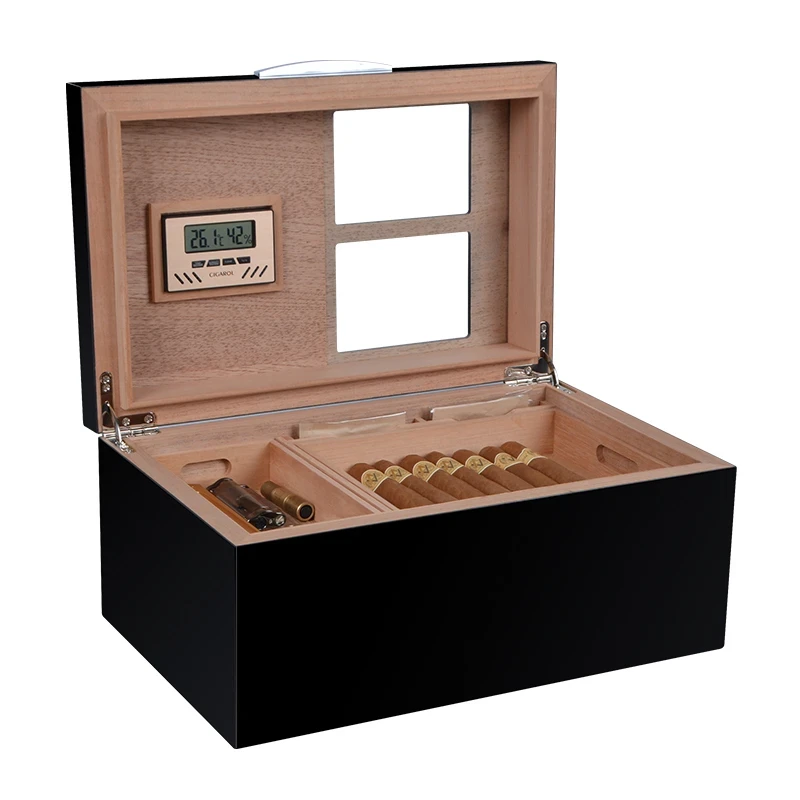
I work with both types every day. I manufacture tens of thousands of mass-production boxes each year, and I also create high-end custom boxes for luxury clients. The price difference is not random. It comes from real manufacturing differences.
Mass-Produced Boxes
Features:
- MDF with veneer
- Simple clear coat or paint
- Basic hardware
- No Spanish cedar lining
- Produced in large quantities
Pros:
- Affordable
- Fast lead time
- Good for retail or bundle packaging
Cons:
- Not ideal for long-term cigar storage
- Lower perceived brand value
Handcrafted Premium Boxes
Features:
- Solid wood or thick veneer
- Spanish cedar lining
- High-gloss piano lacquer
- Brass or custom hardware
- Hand-polished finishes
- Tight, invisible joints
Pros:
- Luxury feel
- Better cigar protection
- Higher resale value
Cons:
- Higher price
- Longer production time
Price Comparison Table
| Type | Typical Cost Range | Materials | Best For |
|---|---|---|---|
| Mass-Produced | $5–$25 | MDF + veneer | Retail brands |
| Mid-Range | $30–$70 | Hardwood veneer + cedar lining | Small brands |
| Premium | $80–$300 | Solid wood + lacquer | Luxury packaging |
| Collector Level | $300+ | Custom woods + inlays | High-end cigar collectors |
Price reflects time, technique, and materials. A handcrafted box is not just storage. It is a product experience by itself.
Conclusion
A cigar box’s value comes from its materials, craftsmanship, condition, and the story behind the brand.
WoodoBox – Custom Wooden Boxes, Crafted to Perfection

 English
  Español
  Português
  Deutsch
  Français
  Italiano
  العربية