I know the worry when you look at a cigar and wonder if it is still good. Many buyers struggle with this because storage conditions change very fast.
A cigar stays good as long as it lives in the right environment. When humidity, temperature, and airflow stay stable, a cigar can stay fresh for years. Without that balance, it dries out fast and loses its flavor.
I want to walk you through each factor because these details decide if a cigar stays enjoyable for days, months, or decades.
How does storage—humidity, temperature, and airflow—determine a cigar’s lifespan?
I see many cigars fail because the storage setup is wrong. Humidity and temperature change every day, and the cigar reacts right away.
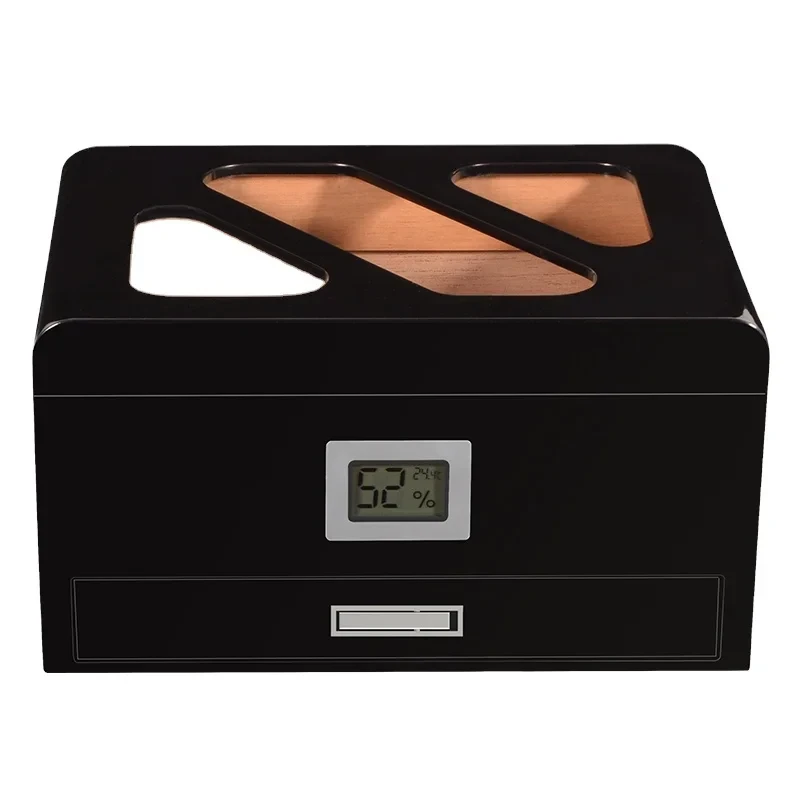
A cigar lasts a long time when you keep it at about 65–70% humidity and around 18–21°C (65–70°F). Good airflow keeps mold away and stops the cigar from aging too fast.
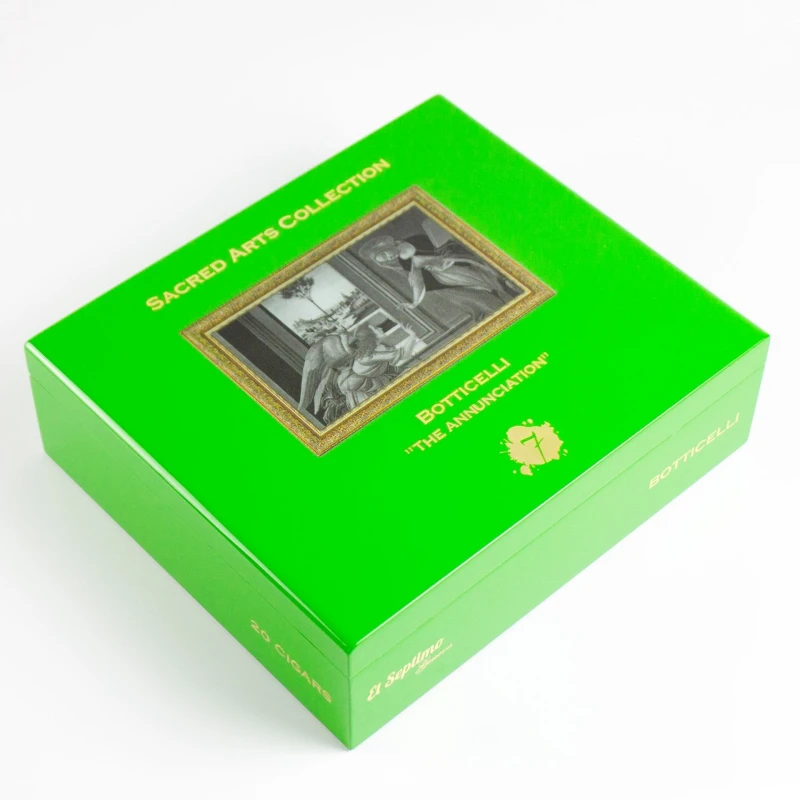
When I design a cigar box, I always consider how air moves inside, how the wood breathes, and how humidity stays inside the box. These choices decide how the cigar lives inside the box. Many people think only a humidor matters, but every layer of packaging plays a role.
How humidity shapes cigar life
Humidity is the heart of cigar life. Cigars dry fast when humidity drops. Cigars swell when humidity rises. Both extremes hurt the cigar.
| Humidity Level | Effect on Cigar | Lifespan Impact |
|---|---|---|
| Below 60% | Cigar dries out, burns fast, loses oils | Short lifespan |
| 65–70% | Ideal condition, flavors stay balanced | Long lifespan |
| Above 75% | Risk of mold, swollen wrapper | Unstable lifespan |
How temperature protects the cigar
Temperature changes how fast the oils inside the cigar move. Oils decide aroma and flavor. When heat rises, oils evaporate faster. When temperature drops too low, the cigar becomes stiff.
I always tell buyers the same thing: humidity and temperature work like a pair. You cannot control only one.
How airflow keeps the cigar healthy
Air needs to move gently. Too much airflow dries the cigar. No airflow invites mold. I design boxes with micro-gaps so air moves very slowly and naturally. This tiny design detail affects how the cigar ages.
In my factories, we often test cigar storage rooms by placing cigars in boxes for 30 days. I can feel the difference just by touching the wrapper. Small storage mistakes create big flavor losses.
What signs show a cigar is still fresh versus drying out or aging past its prime?
When I handle cigars for packaging tests, I always check three things: touch, smell, and sound. These signs tell me if the cigar is still alive.
A fresh cigar feels firm but a bit springy, gives off a clean aroma, and shows no cracks. A dry or over-aged cigar becomes stiff, dull, or flaky, and it loses its smell.
Many new buyers fear they cannot tell the difference. But these signs are simple once you observe more cigars.
Touch test: the fastest way to judge freshness
A good cigar bends slightly when you press it. It should not crack. It should not feel empty inside.
| Condition | Touch Feeling | What It Means |
|---|---|---|
| Fresh | Slight springiness | Good storage |
| Dry | Hard, cracks easily | Lost moisture |
| Over-humidified | Spongy | Too much humidity |
I often touch cigars straight out of new boxes we produce. I feel the wrapper tension to check if the humidity inside the box stayed stable during transport.
Smell test: aroma never lies
Fresh cigars smell warm and rich. The aroma comes from oils inside the tobacco leaves. When cigars dry, oils fade. When cigars age badly, they smell flat.
Sound test: a simple but useful trick
Roll the cigar next to your ear.
A dry cigar makes a faint cracking sound. A good cigar does not.
I learned this habit from a collector in Spain. Since then, I use it almost every day.
How long can an unhumidified cigar last before it becomes too dry to smoke?
I see many buyers store cigars in normal rooms. They think the cigar can stay fine in its box. But cigars lose moisture faster than most people expect.
Most cigars stay smokeable for about one to two weeks without humidity. After three to four weeks, the cigar loses oils, becomes brittle, and burns too hot.
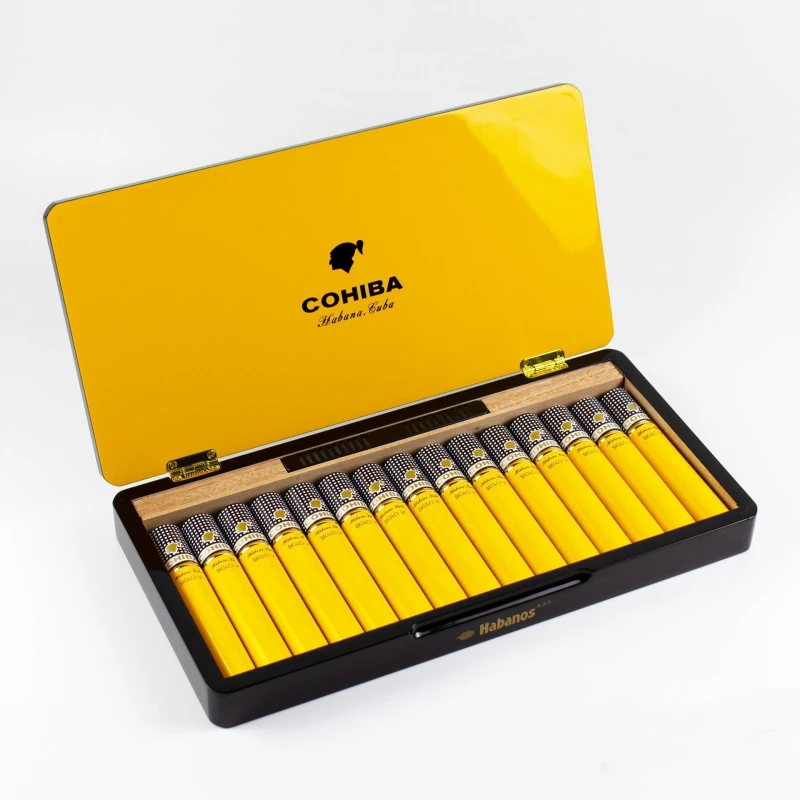
The real time depends on the climate. In dry places like the US Southwest, a cigar dries in days. In humid places like Southeast Asia, it may last longer.
Why cigars dry out so fast
Cigars breathe. Every layer of a cigar allows air and moisture to move in and out. Even a wooden box breathes. That is why we choose wood like cedar—it helps regulate moisture but does not trap it.
Real examples from shipments
I once opened a shipment that stayed two weeks in a dry warehouse. The cigars lost almost 30% of their moisture. The wrappers cracked when I touched them. This experience pushed me to improve the internal coating of our high-end boxes to reduce moisture loss during long transit.
Can a dry cigar be saved?
Often yes, but not always.
Slow rehydration works. Rapid humidity change causes cracks. Dry cigars never return to 100% of original quality, but slow care can save 60–80% of the experience.
Why do some cigars improve with age while others lose their character over time?
Many cigar lovers think aging always improves cigars. But this is not true. I learned this from years of talking with cigar makers.
Some cigars age well because their oils, wrapper quality, and blend balance improve over time. Other cigars lose strength, aroma, or sweetness when aging goes too long.
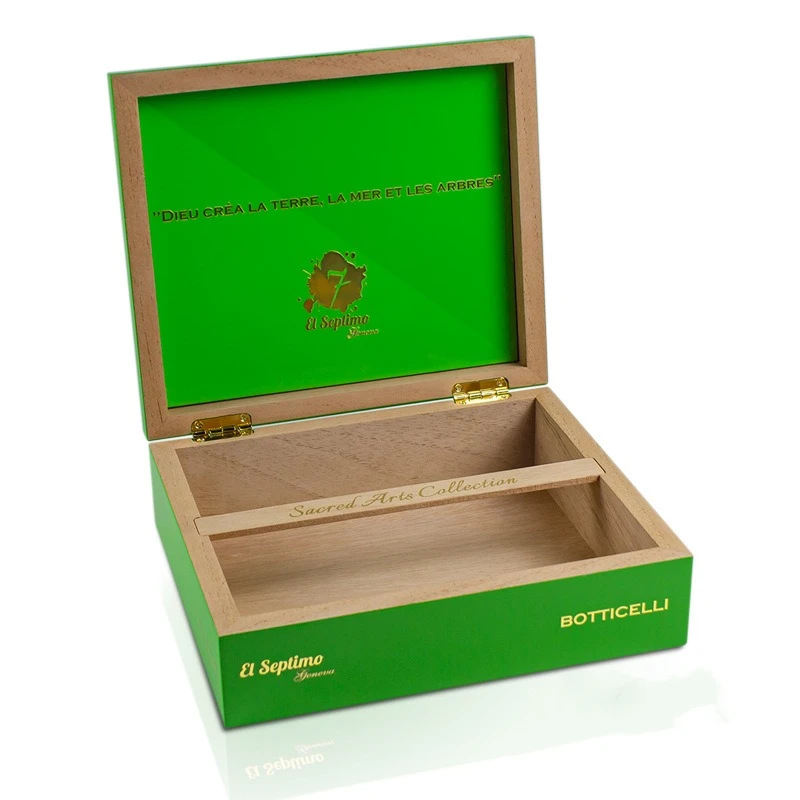
Age is a gift only for the right blend.
What makes a cigar age well?
A cigar ages well when:
- the blend contains enough natural oils
- the wrapper is high-quality and elastic
- the fermentation was done slowly
| Aging Factor | Positive Effect | Negative Effect |
|---|---|---|
| Natural oils | More aroma | Too little oil → weak taste |
| Tobacco blend | Balanced maturity | Some blends fade |
| Wrapper quality | Smooth aging | Low-grade wrapper cracks |
Why some cigars lose character
Some blends rely on fresh, bright flavors. These flavors fade when oils settle. Some cigars become too soft or too flat.
One brand I worked with produced a cigar with a very sweet natural aroma. After two years, that sweetness almost disappeared. This experience taught many buyers that aging is not always good.
The role of storage in aging
Even cigars designed for aging fail if stored wrong. Too much humidity causes mold. Too little dries the oils faster.
Aging cigars need steady care, not just time.
How can proper care help a cigar stay enjoyable for months, years, or even decades?
I meet many collectors who keep cigars for more than 10 years. Their secret is simple: stable care.
A cigar can stay enjoyable for decades when stored at stable humidity, consistent temperature, and gentle airflow. Good boxes, proper seasoning, and routine checks keep cigars young for a long time.
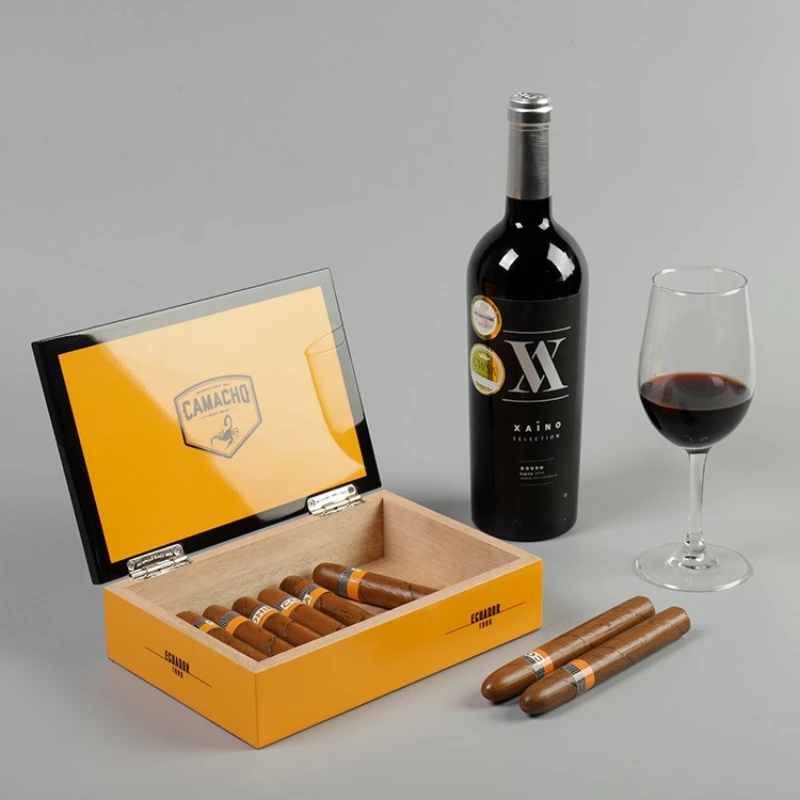
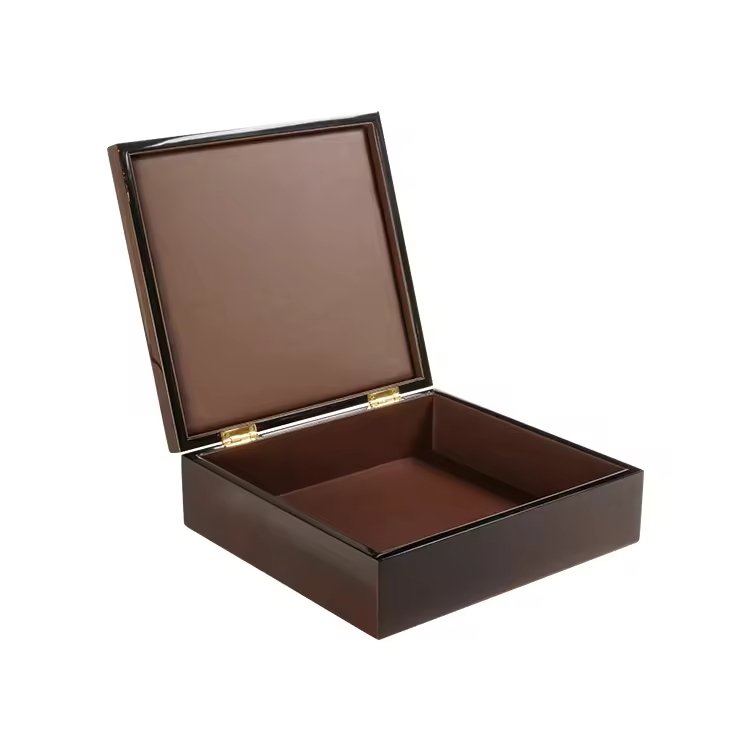
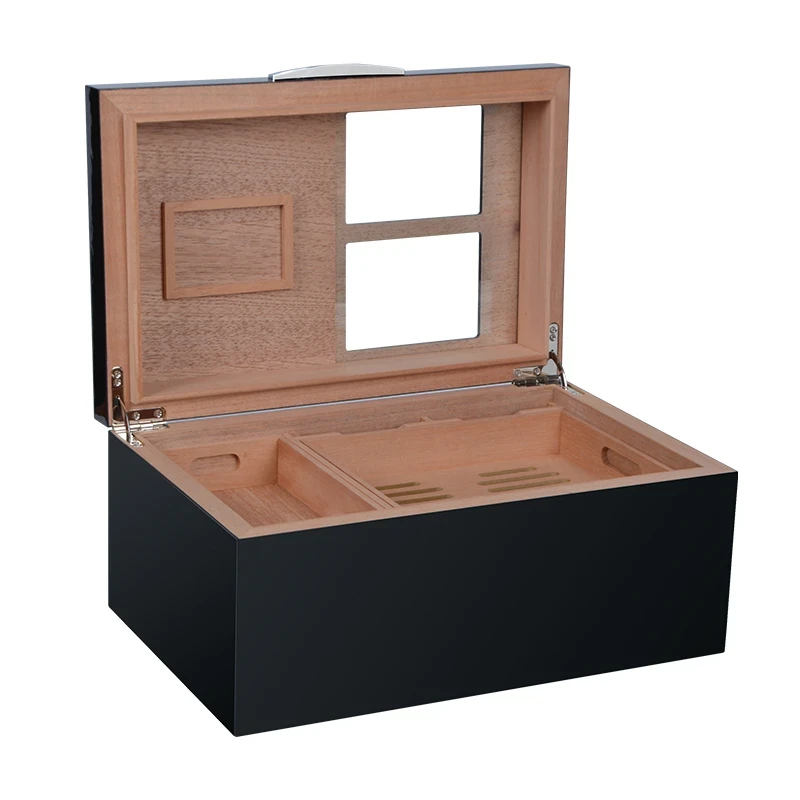
When I design custom cigar boxes, I build them to help cigars age safely. This is why high-end boxes use Spanish cedar, soft lining, and precise finishing.
How a good box protects cigars
A premium cigar box controls the environment even before the cigar reaches a humidor.
Key design details include:
- wood thickness
- type of lining
- seal tightness
- inner tray spacing
| Box Feature | How It Helps | Why It Matters |
|---|---|---|
| Cedar lining | Holds humidity | Keeps flavors stable |
| Tight lid | Slows moisture loss | Reduces aging stress |
| Lacquer finish | Protects wood | Controls air exchange |
| Soft interior | Protects wrapper | Prevents cracking |
How routine checks extend cigar life
I check cigars the same way every time:
- Touch the wrapper
- Smell the foot
- Look for mold spots
- Test flexibility
- Check color consistency
These checks take less than a minute and prevent long-term damage.
How long cigars can last with great care
With perfect care:
- A cigar stays fresh for years
- A good blend ages well for 5–20 years
- Some rare cigars can last decades
I have seen cigars from collectors that were over 25 years old. They tasted smooth, clean, and deep. This shows how strong good storage can be.
Conclusion
Good storage lets a cigar stay fresh for years and even improve with time when conditions stay stable.



 English
  Español
  Português
  Deutsch
  Français
  Italiano
  العربية