I see many people ruin good cigars because they panic when they find them dried out.
Yes, you can rehydrate a cigar, but you must do it slowly and carefully to avoid cracking, swelling, or flavor loss.
I want to show you what to check, what tools to use, and how to avoid mistakes that destroy fragile tobacco leaves.
How can you tell whether a dried cigar can be saved or is already beyond recovery?
I talk with buyers who hope every dried cigar can be saved, but some cigars are already too damaged.
You can save a dried cigar if it still has structure, no deep cracks, and the wrapper has not turned brittle. A cigar that crumbles, peels, or shows mold cannot recover.
When I handle cigars in my factory workshops, I can judge their condition by touch. The wrapper should feel dry, but not powdery. I press the body gently with two fingers. If the cigar feels like a hard twig, it is too far gone. If it still has light give, it often recovers with slow humidity. I also check for color changes, because extreme dryness makes wrappers look dull and grayish. This usually means the natural oils have already escaped.
The Key Signs That a Cigar Is Still Recoverable
| Sign | What It Means |
|---|---|
| Light cracking | Still stable enough to rehydrate slowly |
| Slight firmness | Wrapper is dry but leaves remain intact |
| Dull wrapper | Lost oils but not completely damaged |
| No mold | Safe to reintroduce moisture |
The Signs That a Cigar Is Too Damaged
| Sign | Result |
|---|---|
| Wrapper flaking like paper | Breaks even with slow humidity |
| Cigar crumbles when touched | Internal leaves are destroyed |
| Mold spots | Unsafe to smoke or store |
| Deep cracks from head to foot | Structure is gone |
My experience making wooden cigar boxes has taught me how humidity moves through wood and tobacco. Both materials breathe. Both react slowly. When a cigar is too dry, the internal binder and filler lose their elasticity. No tool can fix that. When a cigar still has some strength, humidity can move back into the leaves in a gentle and even way.
What slow, controlled methods work best for safely rehydrating a cigar?
Dry cigars make people panic, so they often add moisture too fast. That is the biggest danger.
The best way to rehydrate a cigar is to introduce humidity slowly in a sealed environment and let the cigar absorb moisture at its natural pace.
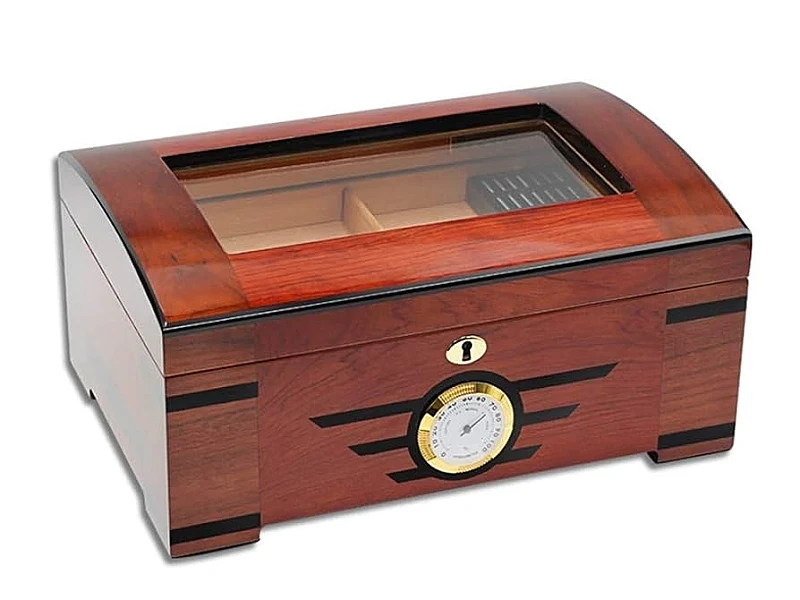
I always compare the process to restoring a high-gloss wooden box. If I add polishing oil too fast, the wood swells and the surface becomes uneven. Cigars react in the same way. A slow and controlled rise is the only safe method.
The Two-Stage Slow Rehydration Method
This is the method I teach cigar buyers and packaging clients.
Stage 1: Stabilize the Environment
You start with a sealed container at around 60% humidity. This prevents the wrapper from swelling faster than the filler.
After 3–5 days, you lift the humidity slightly. This gives the tobacco time to move moisture evenly from wrapper to binder to filler.
Stage 2: Gradual Increase
You raise humidity to 65–68% for another 7–14 days. I often see cigars returning to normal flexibility at this stage. The wrapper becomes smooth. The foot softens a little but stays firm.
Why Slow Works Best
| Method | Result |
|---|---|
| Slow, controlled humidity | Even absorption, stable wrapper |
| Sudden high humidity | Cracks, swelling, tearing |
| Rapid steaming or spraying | Puffiness, flavor loss |
Every leaf in a cigar is hand-selected and layered by an experienced roller. When you add moisture too quickly, these layers expand at different speeds. The wrapper is thin. The filler is thick. When the wrapper expands faster than the filler, it cracks. You never want that.
How do tools like humidors, Boveda packs, and airtight containers help restore moisture?
Many people think the tools themselves restore cigars, but that is not true. The tools only create the right conditions.
Humidors, Boveda packs, and airtight containers work because they provide stable humidity levels that let cigars rehydrate gradually without sudden changes.

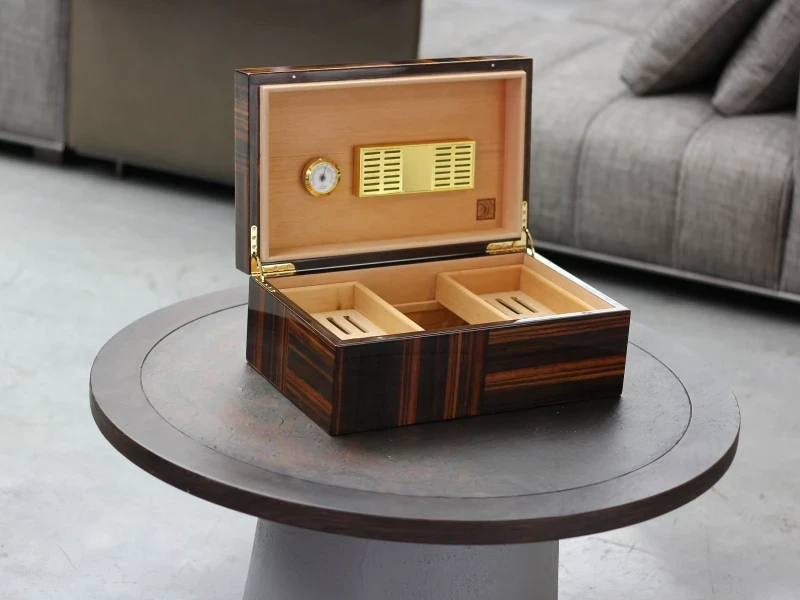
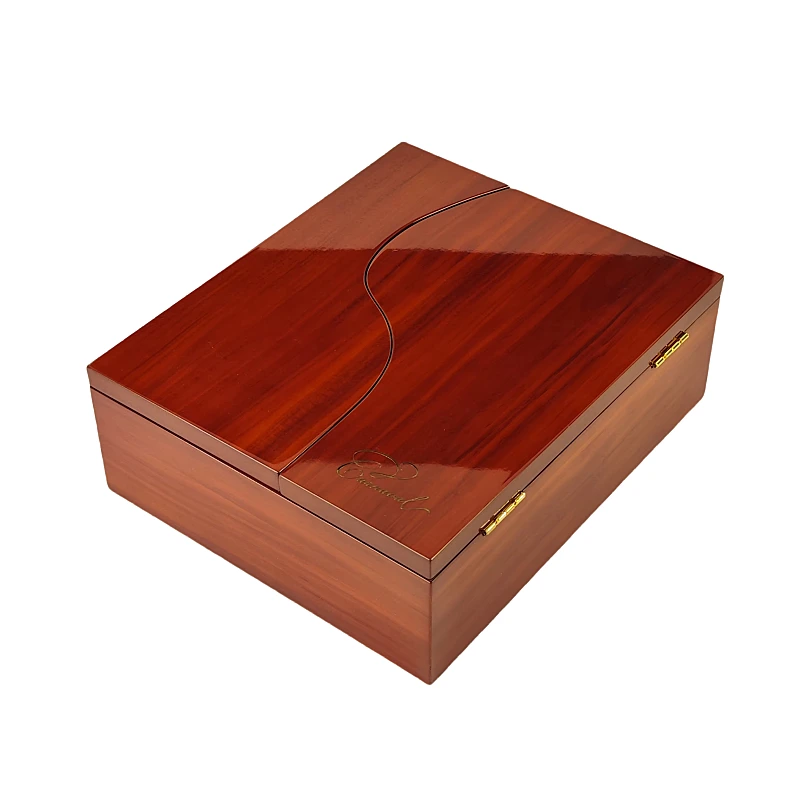
When I design high-end cigar boxes, especially the piano-lacquer types, I spend a lot of time testing how humidity flows inside these containers. Wood absorbs and releases humidity. MDF is more stable, but it still affects the micro-environment. Because of this, every tool has its own strengths.
Tools and How They Help
1. Humidors
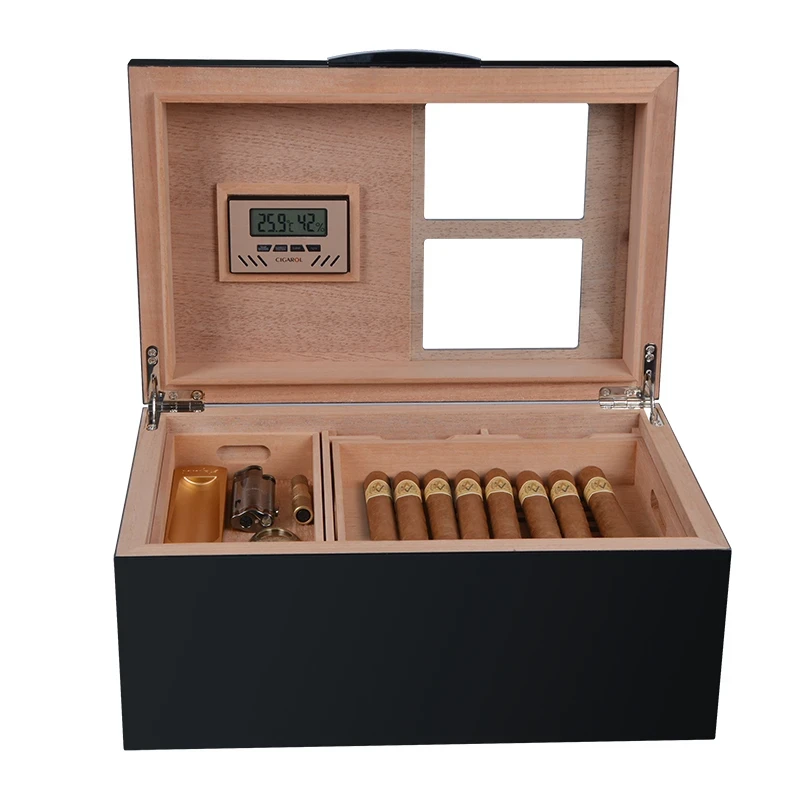
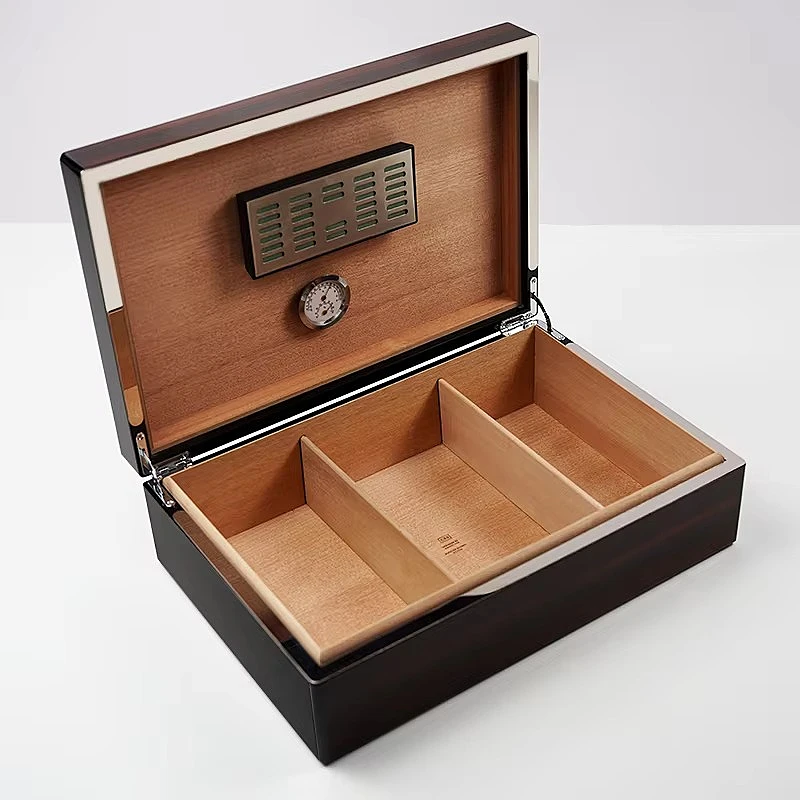
Humidors are best for slow, long-term recovery. Spanish cedar breathes well, so humidity stays even. But a humidor must already be seasoned. A dry humidor will steal moisture from the cigar instead of giving it.
2. Boveda Packs
Boveda packs are simple and safe. I always choose 60% or 62% for recovery. Higher levels can shock a dry wrapper. Boveda uses salt-based control, so it keeps the humidity stable without fluctuations.
3. Airtight Containers
Airtight containers are great for beginners. They trap the humidity you introduce and prevent outside changes. I use them when I test moisture changes inside our luxury packaging prototypes.
Comparison Table
| Tool | Best Use | Risk |
|---|---|---|
| Humidor | Long-term recovery | Needs proper seasoning |
| Boveda Pack | Stable slow rehydration | Wrong % level can damage cigars |
| Airtight Container | Short-term controlled space | Must air out to avoid stagnation |
These tools make the process stable. Stability is everything in tobacco care. The moment humidity jumps too fast, you lose the cigar.
Why does patience matter when rehydrating cigars, and what happens if you rush the process?
I have seen good cigars crack right in front of me because someone rushed the recovery.
Patience matters because tobacco leaves need time to absorb moisture evenly. If you rush the process, the wrapper expands faster than the filler, which leads to cracking, swelling, and uneven burning.
Cigar rollers work with soft, flexible leaves that respond to gentle touch. Once dry, these leaves stiffen. They need time to relax again. When you push humidity too fast, the outer layer absorbs water first. The inside stays dry. The cigar then expands from the outside inward. This creates tension and leads to splits.
What Happens When You Rush
1. Cracks
The wrapper splits along the veins. This damage is permanent.
2. Swelling
The cigar becomes soft and puffy. This ruins the draw.
3. Mold Growth
High humidity in a short time encourages mold. Once mold appears, the cigar cannot be saved.
4. Flavor Loss
Rapid humidity pulls the oils out. These oils carry aroma and flavor. Once they leave the wrapper, they do not come back.
What Patience Gives You
| Result | Why It Matters |
|---|---|
| Even moisture | Smooth draw |
| Stable wrapper | No cracking |
| Balanced burn | Better smoking experience |
| Preserved flavor | True original taste |
In my workshop, we handle tobacco leaves often. Tobacco always performs better when it moves slowly. Everything in cigar care rewards patience.
What mistakes cause rehydrated cigars to crack, swell, or taste muted—and how can you avoid them?
Many people make the same mistakes again and again. Most of them come from a desire to fix the cigar fast.
The common mistakes are adding humidity too quickly, using high-humidity packs, storing cigars in unseasoned humidors, or exposing cigars to temperature swings. You avoid these issues by keeping everything slow, stable, and predictable.
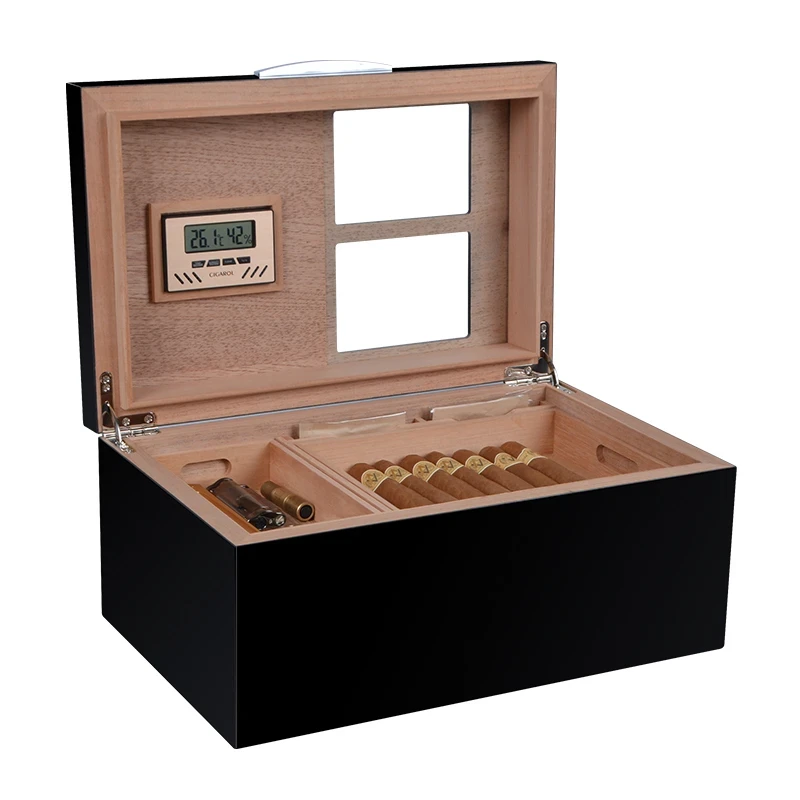
I see these mistakes often when buyers store samples in poorly prepared boxes or travel containers. Even the best-made wooden box cannot protect a cigar if the environment is unstable. The same is true for rehydration.
The Most Common Mistakes
Mistake 1: Using 72% or 75% Packs
These levels are too high for recovery. They force moisture into the wrapper before the filler can react.
Mistake 2: Storing in a Dry Humidor
A dry humidor absorbs moisture like a sponge. The cigar becomes even drier.
Mistake 3: Adding Water Directly
Some beginners spray cigars or use wet sponges. This causes swelling and mold.
Mistake 4: Temperature Fluctuation
Heat makes humidity rise fast. Cold makes it drop. Sudden changes stress the wrapper.
How to Avoid These Mistakes
| Mistake | Fix |
|---|---|
| High humidity pack | Use 60–62% packs only |
| Dry humidor | Season it first with a light moisture walk-through |
| Direct water | Never apply water to the cigar surface |
| Heat swings | Store in a stable room with steady temperature |
Why These Fixes Work
These fixes protect the cigar’s natural structure. Tobacco is a plant material. It breathes. It releases moisture. It absorbs moisture. When everything happens slowly, the wrapper and filler expand together. This keeps the cigar stable, smooth, and flavorful. I always tell my clients the same rule I use in wooden box production: slow is smooth, smooth is safe.
Conclusion
Slow, steady humidity gives most dried cigars a second chance and keeps their flavor and structure intact.

 English
  Español
  Português
  Deutsch
  Français
  Italiano
  العربية