跳到内容
跳到内容 
I know many perfume lovers feel confused when a scent fades too fast or lasts much longer than expected.
A perfume usually lasts 4 to 12 hours because of its oil concentration, ingredient structure, and how your skin interacts with it.
I want to show why perfumes behave this way, so you can choose better and enjoy every spray.
What factors determine how long a perfume can stay noticeable on your skin?
I see many people struggle when a perfume disappears fast even though it smells strong at first.
A perfume stays longer on your skin because of its oil content, raw materials, and evaporation rate.
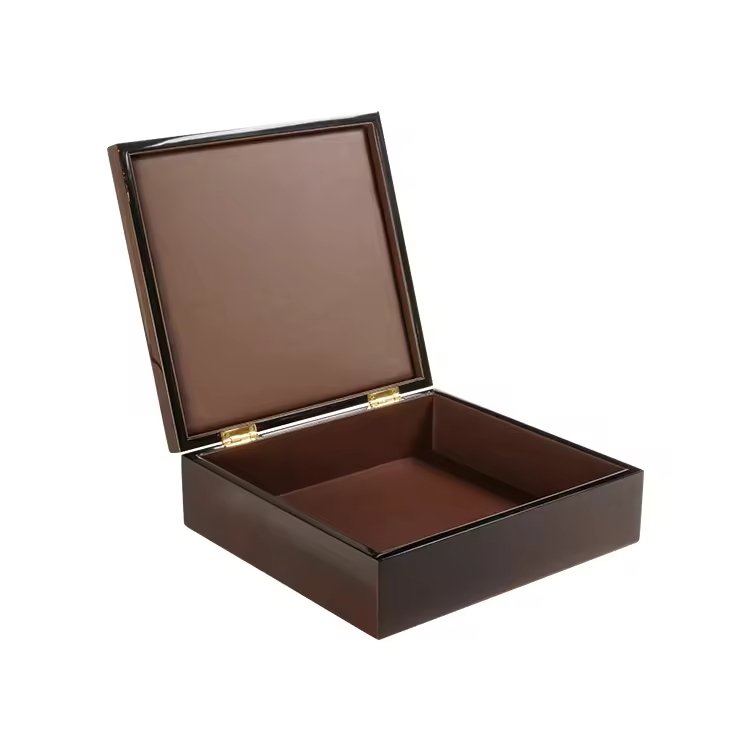
I work with many niche perfume brands through my wooden box projects. They talk often about longevity problems when they pick woods, fabrics, and coatings for packaging. I hear the same points again and again. Some ingredients stay much longer than others. Some fade almost at once. I learned these patterns from long talks with founders and perfumers.
Main factors that shape perfume longevity
| Factor | Why it matters | Simple example |
|---|---|---|
| Oil concentration | More oil slows evaporation | EDP lasts longer than EDT |
| Ingredient type | Heavy molecules last longer | Woods outlast citrus |
| Skin condition | Moist skin holds scent better | Dry skin loses scent fast |
| Temperature | Heat speeds evaporation | Perfume fades faster in summer |
| Application area | Warm pulse points diffuse perfume | Wrist vs. clothing |
Why ingredients change everything
Heavy base notes like sandalwood, amber, and musk hold tight to the skin. They release slowly. Light top notes like lemon or bergamot escape fast. I see this often when clients test scents during packaging design sessions. Fresh citrus testers smell great but vanish in minutes. Thick resin or woody scents stay even after hours.
Why your skin changes the result
Your skin’s oil level affects evaporation. Dry skin pushes perfume molecules away. Oily or moisturized skin anchors them. Many clients in Europe ask why perfumes behave differently after a long flight. Their skin becomes dry. The perfume becomes weak. I tell them to moisturize before spraying. It always helps.
Why the environment changes performance
Heat opens your pores and pushes perfume out faster. Cold air closes them, slowing diffusion. This is why summer testers smell strong in showrooms, and winter versions smell softer yet last longer.
Why do some perfume types—EDP, EDT, oil-based scents—last longer than others?
Many people feel lost when they see so many perfume types with names that look similar.
Different perfume types last longer because each formula has a different percentage of fragrance oil. More oil means slower evaporation.
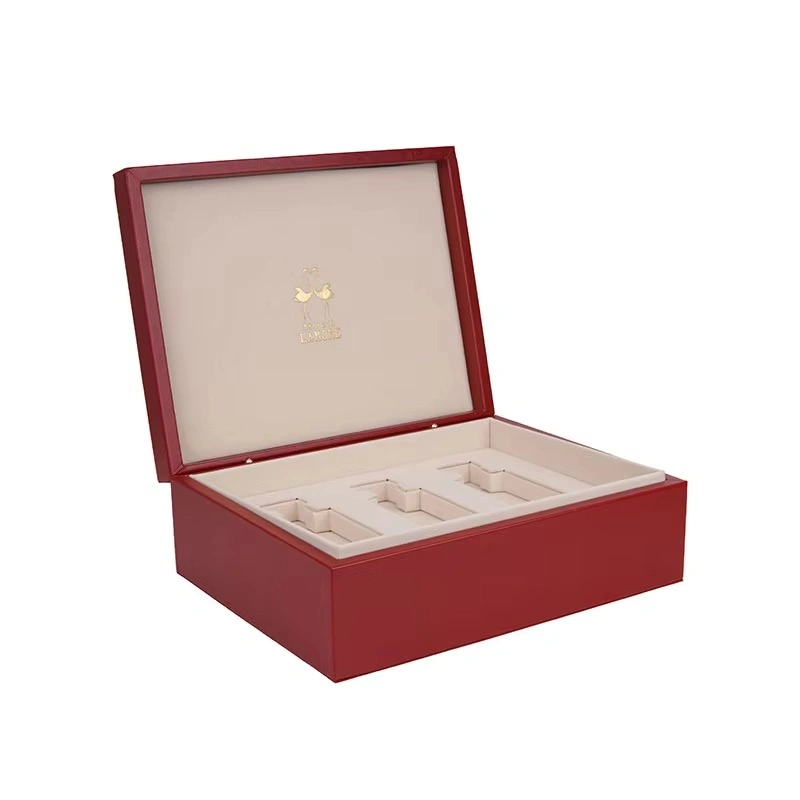
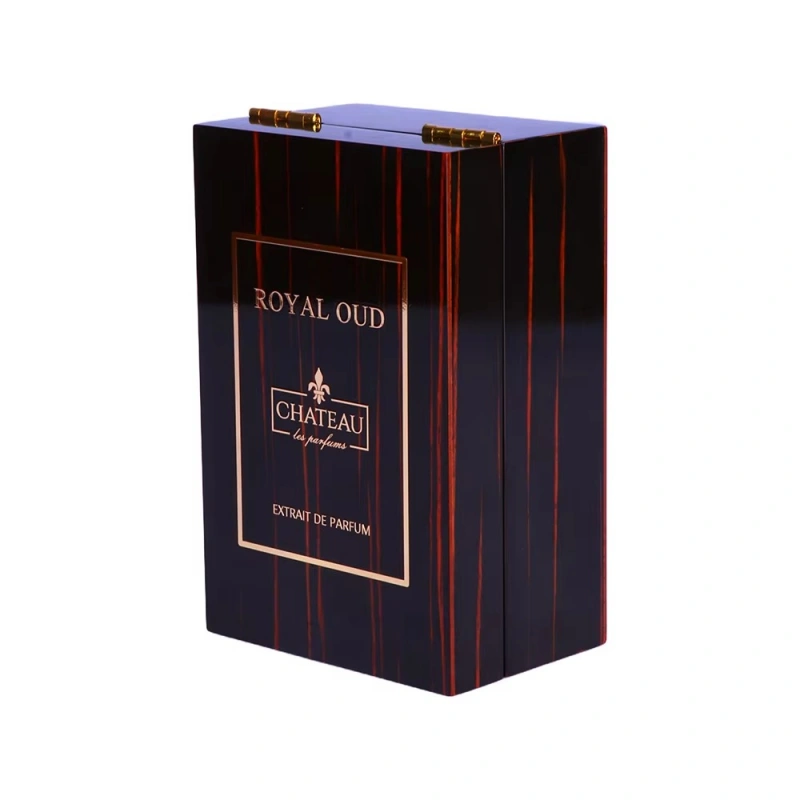
I learned the differences early when I made wooden perfume boxes for brands that launched full lines—EDP, EDT, Parfum, oils. Each type needed different inserts, lining materials, and airtight fits. These packaging needs told me a lot about how each formula behaves.
Perfume concentration chart
| Perfume Type | Typical Oil % | Longevity Range | Notes |
|---|---|---|---|
| Parfum | 20–40% | 8–12 hours | Rich, long-lasting |
| Eau de Parfum (EDP) | 15–20% | 6–10 hours | Most common luxury type |
| Eau de Toilette (EDT) | 5–15% | 3–6 hours | Light, fresh, everyday use |
| Eau de Cologne | 2–4% | 1–2 hours | Very light |
| Perfume Oil | 20–40% | 8–15 hours | Slow release, intimate |
Why more oil changes everything
More oil traps the aromatic molecules. It slows down evaporation. It also holds heavier notes like amber and woody accords. When I handled high-end wooden boxes for oil perfumes, the bottles were smaller but the scent lasted longer. The brands cared more about drop control than spray design.
Why EDT fades faster
An EDT opens bright and clean. It uses alcohol to lift the top notes. But the alcohol also evaporates fast. So, the scent breaks down sooner. Many first-time buyers think the perfume is “weak,” but it is simply designed for shorter wear.
Why perfume oils stay longest
Oil absorbs into the skin. It releases slowly as your skin warms. It does not blast into the air. This slow diffusion creates long-lasting but close-range scent. Many Middle Eastern brands I worked with choose heavy wooden boxes for oils because they treat the perfume like a treasure. They know the scent will last many hours.
How do skin type, weather, and daily habits affect a fragrance’s longevity?
Some people feel confused when a perfume lasts all day one week and only two hours the next.
Your skin moisture, weather conditions, and routines change how fast a perfume evaporates.
I noticed these differences myself during business trips. I tested the same perfume in Shanghai, Dubai, and Paris. Each city gave me a different result. I started asking perfumers why this happens. Their answers taught me more than any textbook.
How skin type changes perfume performance
| Skin Type | Effect on Longevity | Why |
|---|---|---|
| Dry skin | Shorter | Molecules escape faster |
| Oily skin | Longer | Oil anchors the scent |
| Balanced | Medium | Holds scent evenly |
| Sensitive | Varies | Absorption changes often |
Dry skin is the biggest issue. When a client in a northern country says their perfume does not last, I ask about humidity and skincare. It is almost always dryness. A simple moisturizer fixes the problem.
How climate changes everything
Hot weather pushes perfume out fast. Cold weather slows it down. Humid air carries scent further. Dry air absorbs it.
Example observations
- Hot climate: Strong opening, fast fade
- Cold climate: Softer opening, longer base
- Humid climate: Wider scent trail
- Dry climate: Shorter scent trail
I saw this clearly when delivering wooden box samples to a tropical resort brand. Their testers smelled powerful in the lobby but weak in guest rooms with strong air conditioning.
How your habits change results
Showering with hot water opens your pores. Perfume fades faster. Spraying on dirty skin makes the scent clash with natural oils. Rubbing wrists breaks down molecules. These simple habits change longevity more than people expect.
What storage mistakes shorten a perfume’s shelf life and weaken its scent?
Many people keep perfume on a windowsill or bathroom shelf without thinking. These places destroy perfumes fast.
Heat, light, and humidity break perfume molecules and make the scent weaker over time.

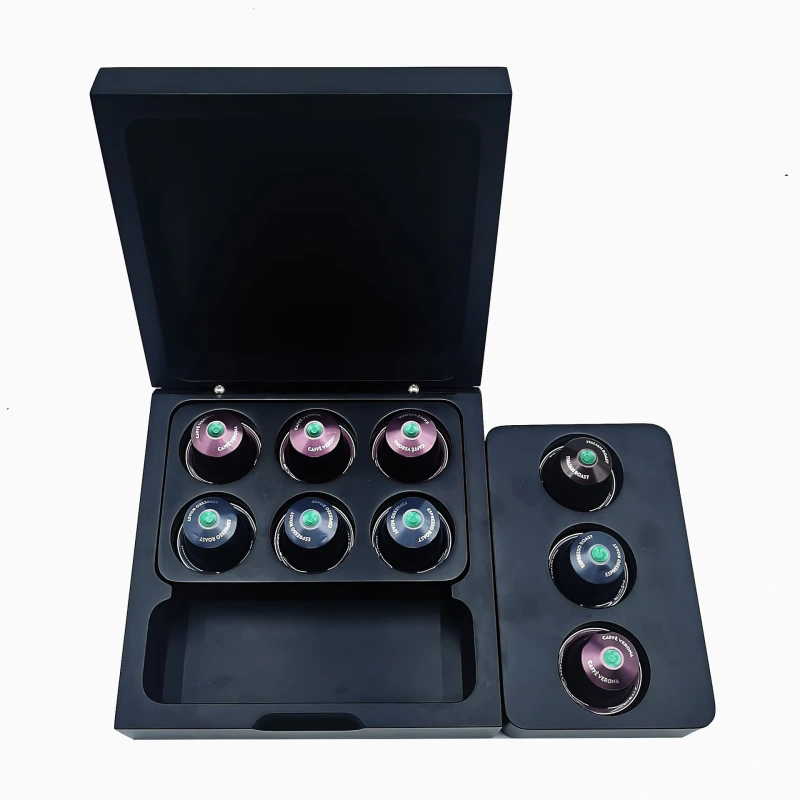
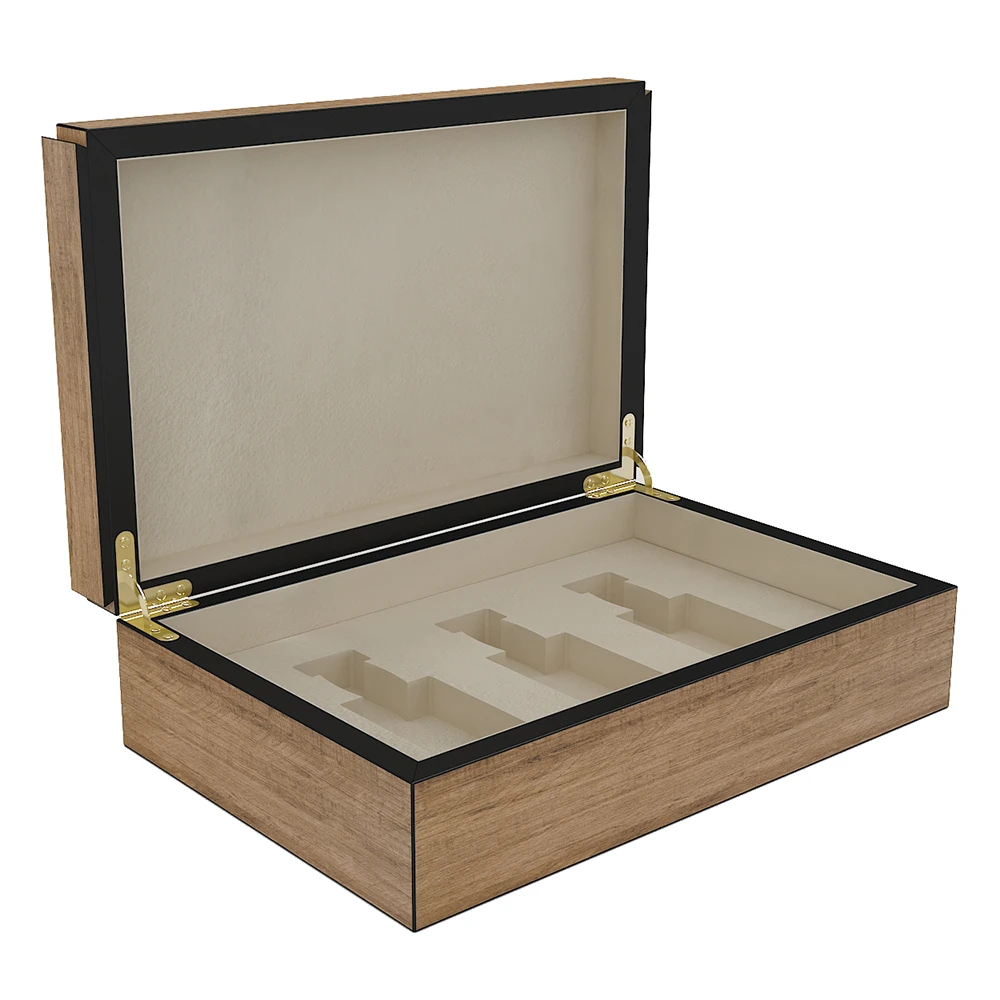
I learned about storage problems because many perfume brands come to me after they deal with returned bottles. They say the scent changed. They tell me customers stored perfume wrong. That is why they choose wooden boxes. Wood blocks light. It also keeps temperature stable. These details protect the formula.
Main enemies of perfume
| Enemy | Effect | Real example |
|---|---|---|
| Sunlight | Breaks molecules | Citrus notes turn sour |
| Heat | Speeds oxidation | Sweet notes smell burnt |
| Humidity | Weakens structure | Fresh notes flatten |
| Air exposure | Reduces strength | Cap not closed tightly |
Why light destroys perfume
UV light hits the volatile molecules. It changes their shape. A bright room destroys perfume faster than people think. Many brands add thick glass or coated bottles to protect the liquid, but it is not enough if the bottle sits in direct light.
Why bathrooms are the worst place
Moist air breaks down alcohol. It also heats and cools often. This swings the internal pressure of the bottle. I saw this problem when a client asked why their tester bottles changed color. They kept them near a shower. The steam damaged the formula.
Why wood boxes help
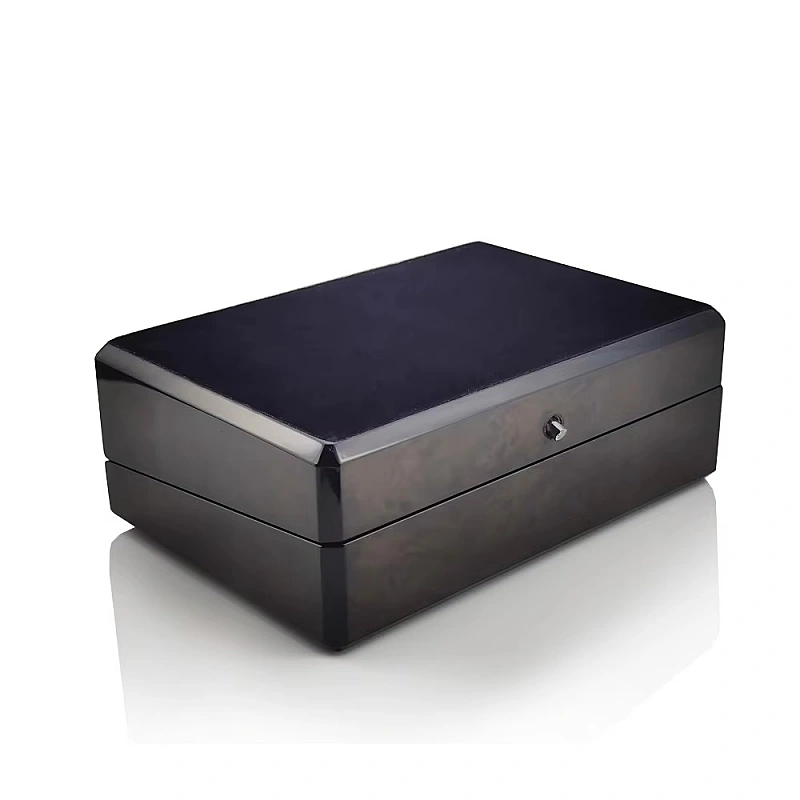
Wood acts like natural insulation. It keeps temperature steady. It also blocks light completely. When I design perfume boxes, I line the inside with velvet or PU to keep the bottle snug. A loose bottle shakes too much and degrades faster.
How can you make your perfume last longer throughout the day without overspraying?
Most people spray too much because the scent fades fast.
You can make perfume last longer by moisturizing your skin, spraying pulse points, and applying a light layer on clothing.
I learned many of these tips from founders of luxury brands who test scents repeatedly. They want consistent results when customers open the wooden boxes I make for them. These methods help them create a long-lasting experience.
Simple longevity tips that work
| Tip | Why it helps | Extra note |
|---|---|---|
| Moisturize first | Traps molecules | Unscented lotion works best |
| Spray pulse points | Warm spots diffuse scent | Wrist, neck, behind ears |
| Do not rub wrists | Prevents molecule damage | Pat gently if needed |
| Spray on clothes | Fabric holds scent longer | Avoid silk |
| Layer products | Boosts hold time | Body lotion + perfume |
Why moisturizing changes everything
Perfume bonds to hydrated skin. Dry skin repels it. When a buyer tests perfume samples I pack in wooden boxes, I ask them to warm lotion first. The before-and-after difference is huge.
Why clothes boost longevity
Fabric holds molecules better than skin. Wool and cotton work best. Synthetic materials can change the scent, so I avoid spraying on them. Many brands use fabric blotters in their packaging because they keep the scent for weeks.
Why layering works
A matching body lotion creates a base. The perfume mist sticks to it. Many niche brands now sell complete fragrance sets. They want customers to enjoy better performance without overspraying.
Conclusion
Perfume lasts longer when you understand oil levels, skin moisture, and storage. Good habits help every scent shine.

 English
  Español
  Português
  Deutsch
  Français
  Italiano
  العربية