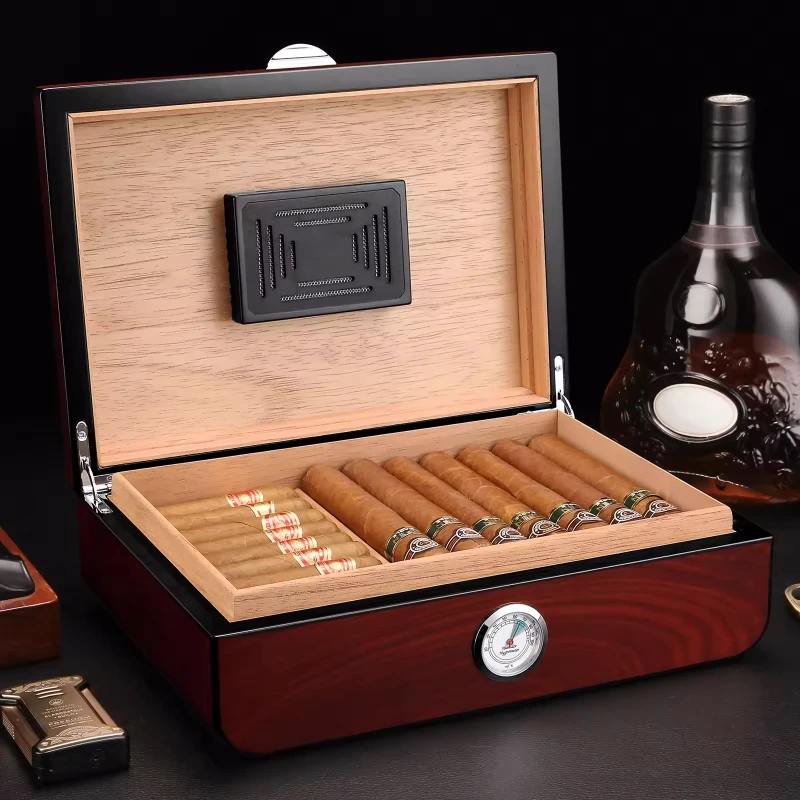
Smoking a cigar can feel confusing at first, because the sensations are slow, warm, and layered, not sharp like a cigarette.
Smoking a cigar feels warm, aromatic, and deliberate. You taste the smoke on your palate instead of inhaling it, and the slow burn creates a gradual, relaxing sensory experience.
It is a ritual that moves at a gentle pace, and this pace makes many people stay in the moment and enjoy every shift in flavor and mood.
How do the first few draws set the tone for the entire smoking experience?
The first draws can feel uncertain when someone is new, because the smoke sits heavy on the palate and not in the lungs.
The first draws set the tone because they introduce the main aromas, the base flavors, and the rhythm of the smoke. They tell you if the cigar will feel mild, warm, smooth, or bold.
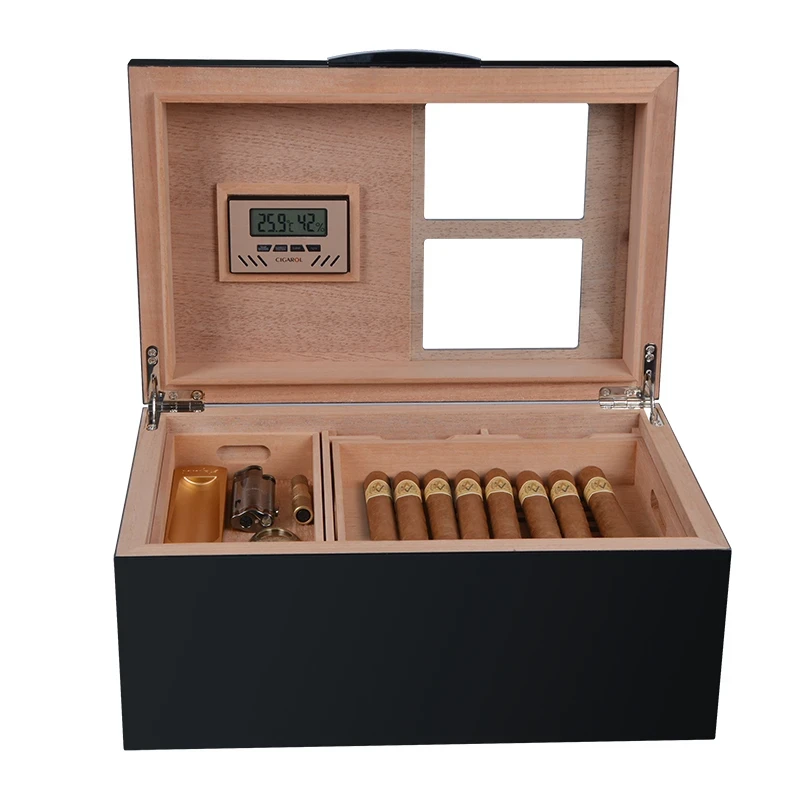
The first moments of a cigar always tell a story. I learned this from years of working with cigar brands while creating custom wooden cigar boxes. Blenders treat the first few draws like the opening lines of a book. These early seconds show the personality of the cigar. They are also the point where your mouth adjusts to the temperature and texture of the smoke.
How the First Draws Behave
The foot of the cigar holds the loosest tobacco, so the first puffs feel lighter. The smoke spreads across the tongue and cheeks. You may taste hay, wood, or soft sweetness. These impressions come from the outer leaves and the first exposed layers of the filler.
Why They Matter
The start tells you about construction quality. A clean start means the cigar was rolled with care. A rough start can mean tight packing or uneven moisture. I often check this because customers who buy luxury cigar boxes also demand consistent burn and draw.
Common First-Draw Sensations
| Sensation | What It Means |
|---|---|
| Warm but soft smoke | Balanced filler blend |
| Pepper on the tongue | Strong ligero presence |
| Sweetness | Higher sugar content in the wrapper leaf |
| Tight draw | Too much moisture or tight rolling |
These opening notes help you set expectations. They guide how you pace your puffs and how the rest of the cigar will unfold.
What physical sensations—aroma, warmth, texture—make cigar smoking different from cigarettes?
Many first-time cigar smokers feel surprised, because the smoke does not hit the lungs like a cigarette.
Cigar smoking feels different because you taste the smoke with your mouth instead of inhaling, and the aroma, warmth, and texture move slowly across the palate. This creates a fuller, richer sensory experience.

Cigars are built for flavor, not speed. When I visit cigar factories to discuss custom box dimensions, I watch rollers smell the leaves before they even touch them. This shows how much aroma leads the experience. Cigars burn cooler than cigarettes, so the heat stays gentle. The smoke itself feels thick, almost creamy, and it sits in the mouth before drifting out.
Aroma
The aroma is the first physical cue. It can smell woody, earthy, sweet, or spicy. The wrapper leaf affects this the most. Connecticut wrappers smell soft and buttery. Maduro wrappers smell sweet and dark. I often help clients choose box linings that match these aromas, because aroma matters as much as flavor.
Warmth
The warmth stays at the lips and front teeth. Cigars burn at a slow, steady temperature. This is why the smoke feels calm and round. It never punches the throat.
Texture
Texture is what makes cigars unique. The smoke feels dense. It coats the palate. You can “chew” the smoke without inhaling. This makes the experience fuller than a cigarette, which feels fast and thin.
Why These Sensations Matter
These sensations help many people relax. They also connect the smoker to the craftsmanship of the cigar. Every choice—wrapper, binder, filler, aging—shapes aroma, warmth, and texture.
How does flavor evolve from the first third to the final third of the cigar?
The flavor change can feel surprising, especially for people new to cigars.
Cigar flavor evolves in stages because the tobacco burns from the outside to the core, releasing deeper oils and stronger notes as the cigar progresses.
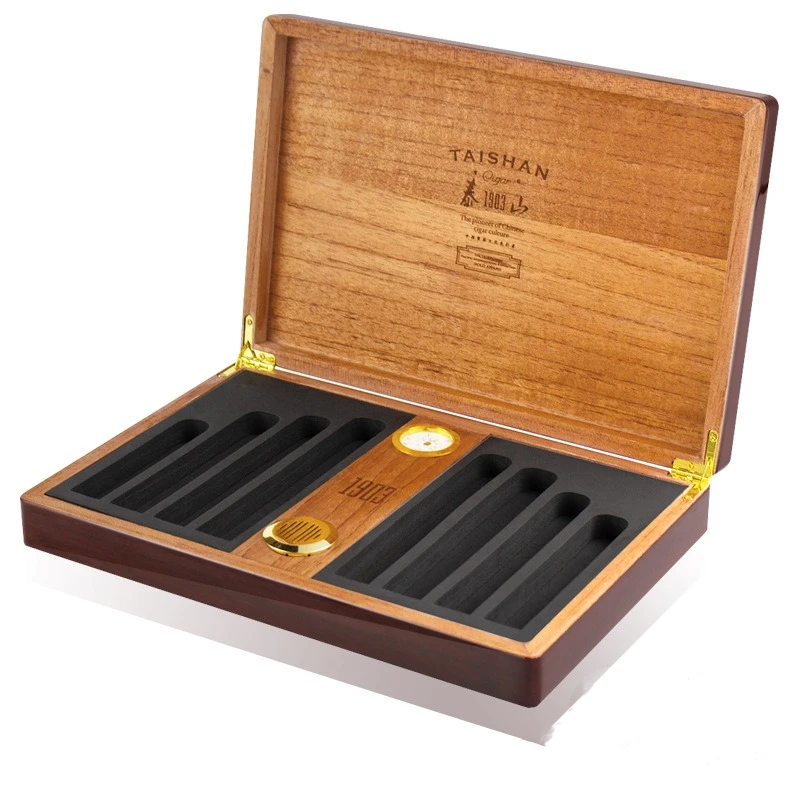
Cigars are made with layers of tobacco. These layers burn at different times. The first third shows the surface flavors. The middle deepens them. The final third pulls out the boldest notes. I learned to appreciate these shifts by smoking with blenders who explained every leaf’s role.
First Third
The first third tastes light. You may notice toast, cedar, or cream. The smoke feels cool. The wrapper leaf drives this part. Many cigar makers use sweeter wrappers here to create a smooth entry.
Middle Third
The middle third feels richer. The oils in the filler warm up. You may taste nuts, cocoa, coffee, or spices. The smoke thickens. The temperature rises slightly. Most people call this the “sweet spot” because the blend feels balanced.
Final Third
The final third feels bold. Strong leaves near the core burn now. You may taste earth, pepper, or dark sweetness. The smoke feels denser. Some cigars stay smooth. Others turn strong. I always advise buyers to consider the final third when choosing cigars for gift sets, because this part shapes the final impression.
Flavor Evolution Table
| Stage | Common Flavors | Smoke Feel |
|---|---|---|
| First third | Cedar, toast, cream | Cool and light |
| Middle third | Nuts, coffee, cocoa | Warm and rich |
| Final third | Earth, pepper, dark sweetness | Dense and bold |
This progression makes cigars feel like a slow journey instead of a quick habit.
Why do relaxation, mood, and setting influence how a cigar feels while you’re smoking it?
Many people think a cigar has one fixed flavor, but mood can change everything.
Relaxation, setting, and mood shape how a cigar feels because your senses open or tighten based on your environment, which changes how you taste and react to the smoke.
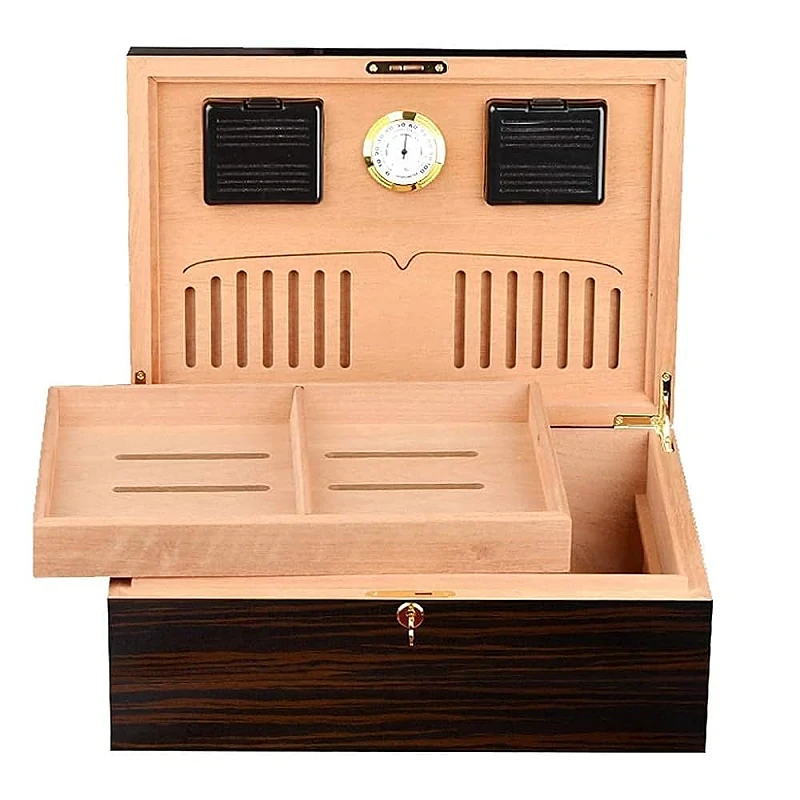
A cigar is not a fast experience. It takes time. This slow pace means your surroundings matter. Over the years, I have smoked cigars in factories, mountain resorts, noisy bars, and my own workshop while checking wooden cigar box prototypes. The same cigar felt different each time.
Relaxation
When your body is calm, your palate opens up. You taste more. Your breathing slows. This makes the cigar feel smoother. If you are tense, the smoke may feel sharper or hotter.
Mood
Mood shapes attention. A good mood makes you notice sweet or soft flavors. A tired mood may make you focus on strong notes. This is why many cigar lovers pick certain cigars for certain days.
Setting
Setting affects aroma. Outdoor airflow makes the smoke lighter. An indoor lounge makes the smoke thicker. Good lighting helps you see the burn line. Music affects pacing. Even the chair matters. A good chair makes your whole body relax, which improves the draw rhythm.
Personal Rituals
Many smokers build simple rituals: cutting slowly, toasting carefully, turning the cigar between fingers. These actions prepare the mind. They make the cigar feel more meaningful and more grounded in the moment.
How do strength and nicotine impact the body—buzz, calm, fullness—depending on the cigar?
Some people feel surprised by nicotine strength in cigars because it moves slower but hits deeper.
Cigar strength affects the body by creating calm, fullness, or a nicotine buzz depending on the blend, leaf types, and how fast you smoke.

Nicotine in cigars comes from thicker, older leaves. These leaves burn later in the cigar. This is why strength builds slowly. As someone who works with premium cigar brands, I hear many buyers ask for cigars that match a certain “feel”—not too light, not too heavy.
Mild Cigars
Mild cigars feel soft and smooth. They create a light calm. The buzz is low. These cigars work well for beginners or slow afternoon moments.
Medium Cigars
Medium cigars feel fuller. They bring a warm calm and a small buzz if smoked too quickly. Most brands aim for this range because it fits many tastes.
Strong Cigars
Strong cigars feel heavy and bold. They can create a deep nicotine buzz. This buzz sits in the chest and head. Many seasoned smokers enjoy this strength after dinner.
Factors That Change Strength
| Factor | Effect |
|---|---|
| Ligero content | Higher nicotine |
| Ring gauge | Slower build, smoother feel |
| Smoking speed | Faster puffing increases buzz |
| Empty stomach | Stronger impact |
Strength is not only about power. It is about balance. When the blend is right, the strength feels calm, steady, and satisfying.
Conclusion
Cigar smoking feels warm, slow, and personal, shaped by flavor shifts, mood, and steady nicotine strength.


 English
  Español
  Português
  Deutsch
  Français
  Italiano
  العربية