Luxury cigar boxes need to look sleek while sealing tightly. But can magnets do the job just as well as latches or locks?
Yes, magnetic closures work well for high-end cigar boxes. When designed properly, they provide silent sealing, clean aesthetics, and stable humidity control—without mechanical wear.
Some believe magnets aren’t strong enough to keep air out. Others worry about interference or corrosion. The truth lies in thoughtful engineering. Let’s break down what matters.
What benefits and trade‑offs do magnetic closures have versus clasps or locks?
Clasps look traditional. Locks feel secure. But magnets offer a different kind of advantage—minimalism and ease of use.
Magnetic closures create a clean, modern look with no mechanical parts. They’re silent, fast, and don’t wear down over time.
But they also come with trade-offs. Here’s a side-by-side comparison:
Closure Method Comparison
| Closure Type | Pros | Cons |
|---|---|---|
| Magnetic | Sleek, silent, zero maintenance | Requires perfect fit, strength control |
| Clasp (Metal) | Traditional look, strong pressure | May rust, noise on open/close |
| Keyed Lock | Added security, luxury appeal | Complicated, risk of misalignment |
| Hook or Latch | Simple, durable | Aesthetic mismatch with high-end designs |
In our premium cigar boxes, we often recommend magnets for minimalist collections or gift sets. For collectors who want security or “click” feedback, we sometimes combine magnets with brass stops or soft-closing hinges.
How do magnet size, grade, and placement influence sealing pressure and air‑tightness?
Not all magnets are equal. Size, material grade, and location determine how well they pull the lid closed and create pressure along the seam.
Using strong neodymium magnets (N35–N52) in pairs—placed near the box’s corners—creates even, airtight sealing pressure.
Here’s how design variables affect performance:
Key Factors
| Parameter | Effect on Sealing |
|---|---|
| Size (Diameter) | Larger magnets increase contact area |
| Grade (N Rating) | Higher rating = stronger pull force |
| Number of Pairs | More magnets = better lid pressure |
| Placement | Corner + center placement prevents warping |
For example, on a standard 280mm cigar box:
- We use 2 pairs of 8mm × 3mm N42 magnets placed at the front corners.
- For travel models, we increase to 3 pairs to resist vibration and movement.
A common mistake is placing magnets only at the center. This creates pressure in the middle, but leaves gaps at the corners—where humidity can escape.
Could magnetic fields or metal parts interfere with hygrometers or humidifiers inside?
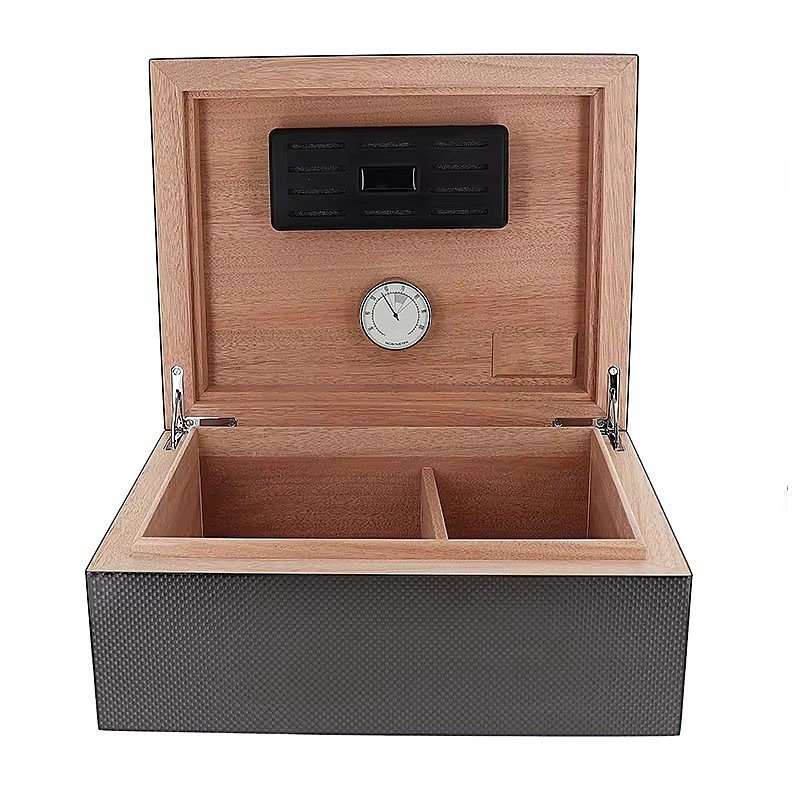
Electromagnetic fields sound worrying. But modern cigar tech is built to resist minor interference.
In most cases, magnets used in box closures don’t affect analog or digital hygrometers or passive humidifiers.
Here’s why:
Interference Risks Overview
| Component | Risk Level | Notes |
|---|---|---|
| Digital Hygrometer | Low | Works on capacitive sensor, unaffected |
| Analog Hygrometer | Very Low | Based on hair or coil springs |
| Gel Humidifier | None | No electronics |
| Electronic Humidifier | Low | Only if magnets are placed within 5mm |
In our factory, we’ve tested magnet-closure boxes with both analog and digital hygrometers. As long as magnets stay at least 20–30mm away, there is no reading deviation. For safety, we avoid placing magnets directly behind mounted hygrometers.
What coatings and materials prevent magnet corrosion and odor in a humid cedar interior?
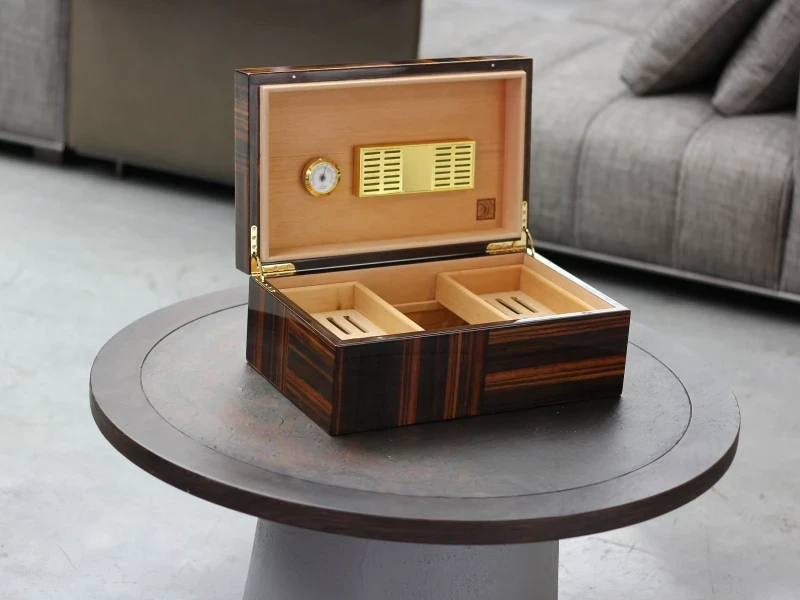
Humidity can rust raw magnets fast. Once they rust, they stain cedar and even give off a metallic odor.
Neodymium magnets should be coated with nickel-copper-nickel (Ni-Cu-Ni), epoxy, or gold plating to resist corrosion in high-humidity environments.
For premium builds, we always specify corrosion-resistant coatings. Here's how they perform:
Magnet Coating Comparison
| Coating Type | Corrosion Resistance | Visual Appeal | Odor Risk |
|---|---|---|---|
| Ni-Cu-Ni (Standard) | Moderate | Shiny silver | Low |
| Epoxy (Black) | High | Matte black | Very low |
| Gold Plated | High | Premium look | Very low |
| Raw Neodymium | Very poor | Dull gray | High |
In addition, we embed the magnets fully inside Spanish cedar or MDF, sealing them with glue or wax. This eliminates contact with air and adds another layer of protection.
How can we hide magnets (flush, countersunk, or inlays) without creating air gaps or misalignment?
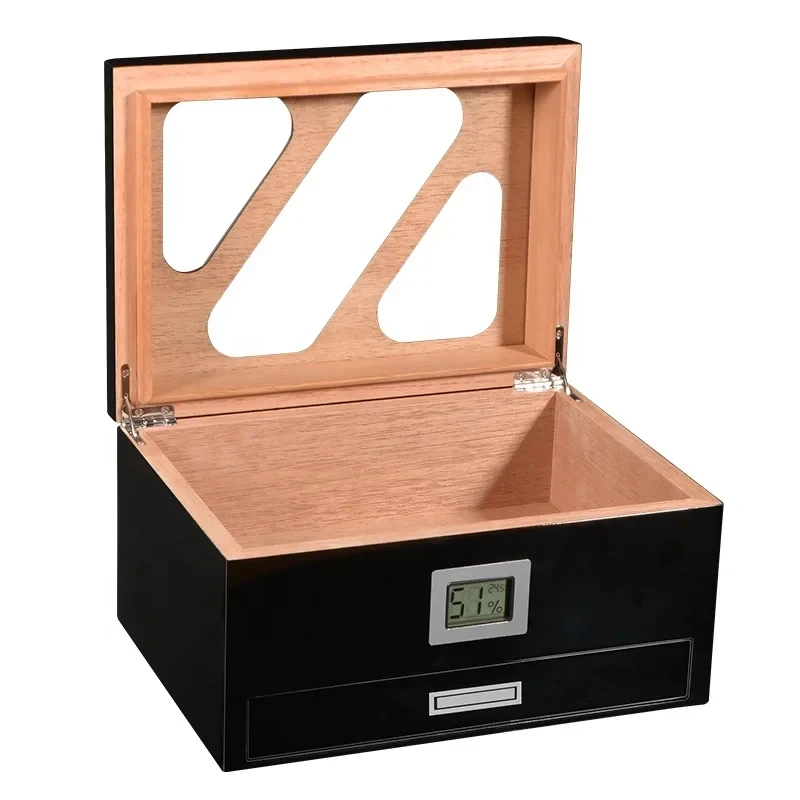
Poorly placed magnets can make the lid wobble, leak air, or misalign. Clean design must also be precise.
Flush or countersunk magnets, embedded in CNC-routed holes and aligned with guides, create invisible but perfectly aligned seals.
We use 3 techniques depending on the box type:
Hidden Magnet Techniques
1. Flush Mount with Glue
- Simple, cost-effective
- Magnet sits level with the wood surface
- Requires perfect lid alignment
2. Countersunk Mount with Inlay
- CNC-routed to 0.1mm depth
- Magnet sits below surface, covered with cedar veneer
- 100% invisible to user
3. Magnet-in-Magnet Nesting
- Rare, for ultra-premium boxes
- Male/female magnets perfectly align lid corners
We also use mechanical alignment aids—like hidden brass pins or quadrant hinges—so the magnets pull straight and don’t shift over time.
What tests (pull‑force, cycle, drop, humidity aging) verify long‑term stability of a magnetic design?
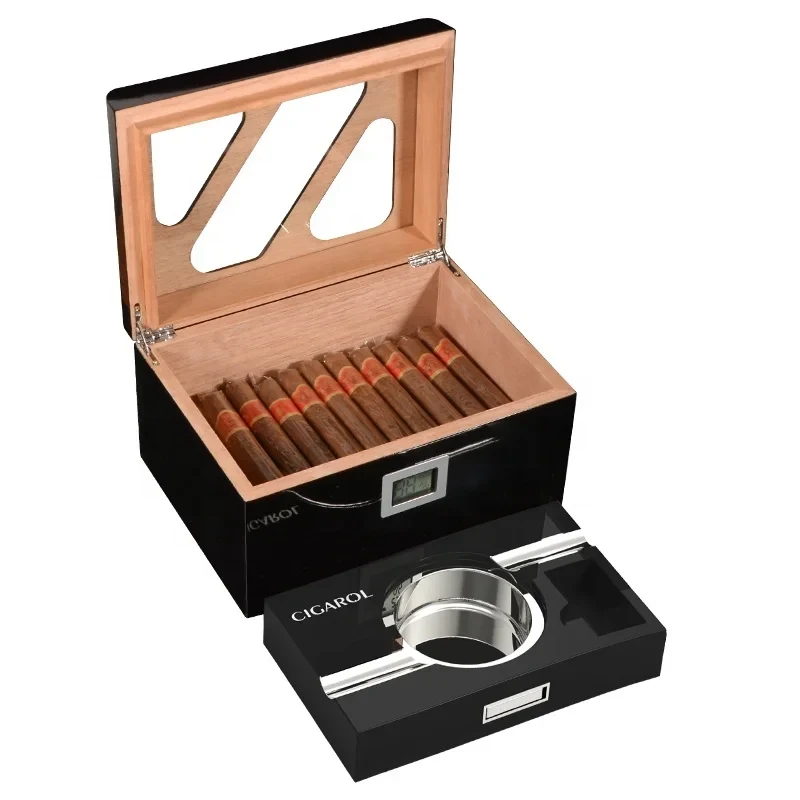
Beautiful design means nothing if the closure weakens after a few months. That’s why we run durability tests before using a new magnet spec.
We test magnetic closures for pull-force, open-close cycles, drops, and accelerated humidity exposure to ensure they stay functional and clean over time.
Here’s our testing protocol at WoodoBox:
Magnetic Closure Test Plan
| Test Name | Method | Pass Criteria |
|---|---|---|
| Pull Force Test | Lid pull-measure with scale | ≥2.5kg for standard box |
| Cycle Test | Open/close 1,000x by hand rig | No loss of magnet strength |
| Drop Test | Drop from 50cm on edge | Lid must remain closed |
| Humidity Aging | 70% RH, 40°C, 30 days | No rust, stain, or odor detected |
| Alignment Test | Lid must close flush after 30 days | No shift > 0.2mm on any edge |
We document these tests for custom clients who need long-term packaging solutions in luxury retail. Stability is just as important as looks—especially when the box holds thousands of dollars in cigars.
Conclusion
Magnetic closures don’t just look clean—they’re strong, silent, and stable. With smart design, they seal humidity as well as any lock or clasp.
Brand Name: WoodoBox
Slogan: Custom Wooden Boxes, Crafted to Perfection
Website: www.woodobox.com
WhatsApp: +86 18359265311

 English
  Español
  Português
  Deutsch
  Français
  Italiano
  العربية