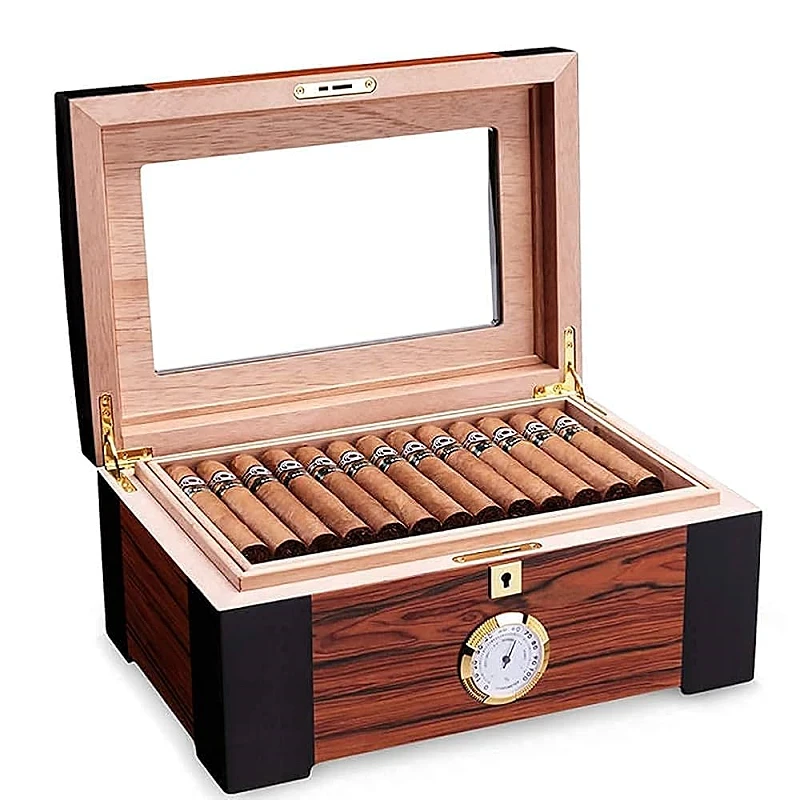
Cigar lovers know the box matters. But why do almost all luxury cigar boxes use Spanish cedar linings?
Spanish cedar is chosen because it balances humidity, repels pests, and enriches aroma, making it the best wood for preserving and aging cigars.
Many buyers wonder if it is the only choice. In fact, there are alternatives worth considering, but none without trade-offs.
What unique properties make Spanish cedar ideal for cigar preservation?
Cigars lose flavor and texture if the storage environment fails. This is the main problem many premium cigar owners face.
Spanish cedar keeps cigars safe by balancing moisture, preventing mold, and repelling tobacco beetles.
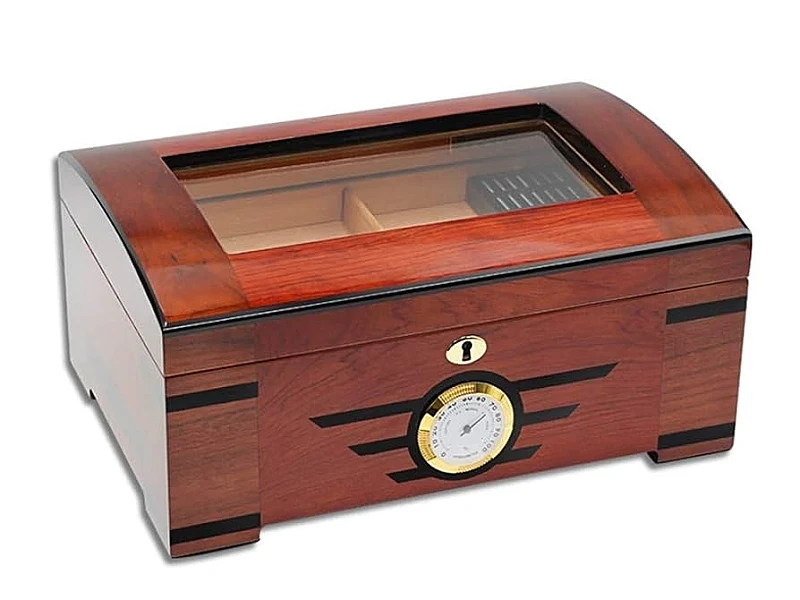
Spanish cedar has a natural ability to regulate humidity. It absorbs excess moisture when the air is too damp. It releases stored moisture when the air becomes too dry. This balance is critical because cigars are delicate. Too much humidity leads to mold. Too little humidity makes them dry and brittle.
Another key property is the wood’s aroma. Spanish cedar has a gentle scent that complements cigar tobacco. It does not overpower, but it adds depth to the smoking experience. This is why cigar makers prefer it over other woods with strong or harsh smells.
The wood also has insect-repelling oils. Tobacco beetles are a common threat to cigar collections. They can ruin a box in days. Spanish cedar naturally protects cigars by discouraging these pests. This built-in defense is a huge benefit for both collectors and retailers.
Summary Table: Benefits of Spanish Cedar
| Property | Benefit for Cigars |
|---|---|
| Humidity balance | Prevents drying or molding |
| Gentle aroma | Enhances cigar flavor |
| Insect resistance | Protects against beetles |
| Aging support | Allows smooth maturation |
I have seen luxury cigar boxes lined with other woods, but none matched this perfect mix. Spanish cedar remains unmatched for cigar preservation.
How does Spanish cedar influence the aroma and aging process of cigars?
Cigar smokers love the complex flavors that develop over time. But this aging process depends on the environment.
Spanish cedar adds subtle notes and helps cigars age smoothly by regulating both air and aroma.
When cigars rest in a Spanish cedar-lined box, the wood’s light fragrance slowly seeps into the tobacco. This infusion is not strong, but it rounds out the flavors. Many smokers describe this as a faint woody sweetness in the cigar’s profile. Without this influence, cigars might taste flat after long storage.
The wood also plays a role in how cigars age. Because Spanish cedar controls humidity, cigars mature in a steady environment. Flavors blend together instead of breaking apart. This creates a smoother smoke. A cigar aged in cedar feels balanced and refined compared to one stored in unstable conditions.
How Aroma Integration Works
- Tobacco absorbs small amounts of cedar aroma.
- This aroma blends with natural cigar oils.
- Over months, flavors deepen and balance.
- Result: A cigar with complexity and smoothness.
Some clients I worked with tried using mahogany or walnut for box linings. While these woods looked elegant, their aromas clashed with the cigar’s natural flavor. Only Spanish cedar offered that subtle push without overwhelming the tobacco. This is why many premium brands refuse to compromise on cedar.
Are there environmental or sourcing concerns with Spanish cedar?
Sourcing exotic woods often raises sustainability issues. Buyers must ask if Spanish cedar is always responsible to use.
Yes, Spanish cedar faces environmental pressure. Overharvesting and illegal logging make its supply more complex.
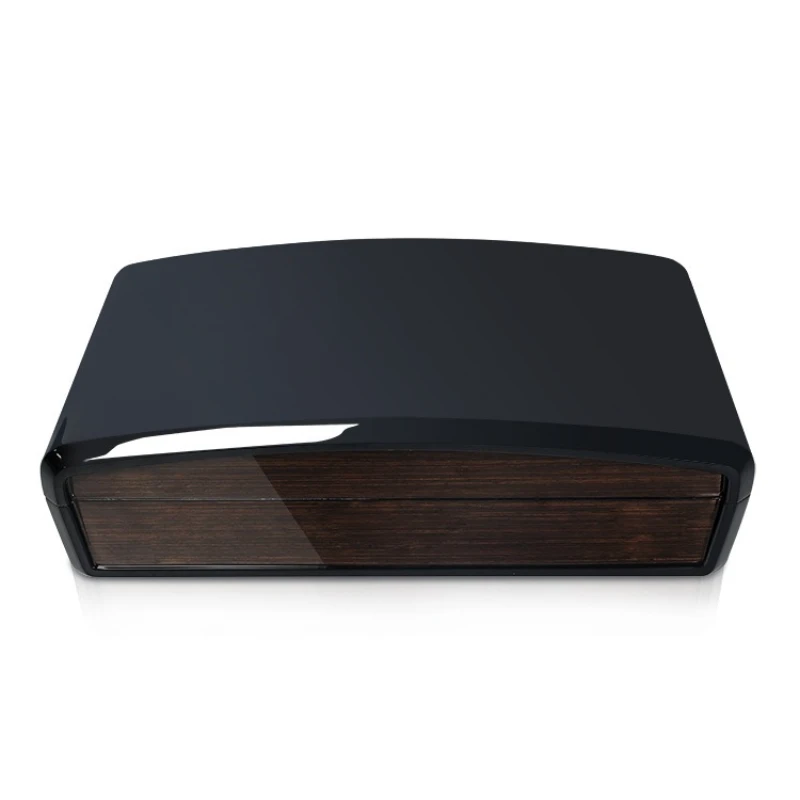
Spanish cedar grows in Central and South America. It is not as abundant as pine or oak. High demand for cigar boxes, furniture, and cabinetry has put stress on its natural forests. Some regions now list it as a vulnerable species under CITES regulations. This means trade is monitored to prevent illegal logging.
As a manufacturer, I often face questions from buyers about certification. Many prefer FSC-certified cedar, which ensures responsible forest management. This certification increases trust but also raises the cost. I believe the market is moving toward more sustainable sourcing because premium cigar buyers are also concerned about environmental impact.
Sustainability Challenges
| Challenge | Impact on Buyers |
|---|---|
| Limited supply | Longer lead times |
| Higher certification cost | Increases price per box |
| Trade restrictions | Complicates export process |
| Deforestation concern | Damages brand reputation |
For responsible brands, the choice is not just about function. It is also about image. Using certified Spanish cedar shows commitment to both quality and the environment. This factor is becoming as important as aroma and preservation.
Which alternative woods can provide similar humidity control and aroma benefits?
Not every buyer can access Spanish cedar. Some look for substitutes that provide similar performance.
Alternatives include American red cedar, mahogany, and okoume, but each has pros and cons.
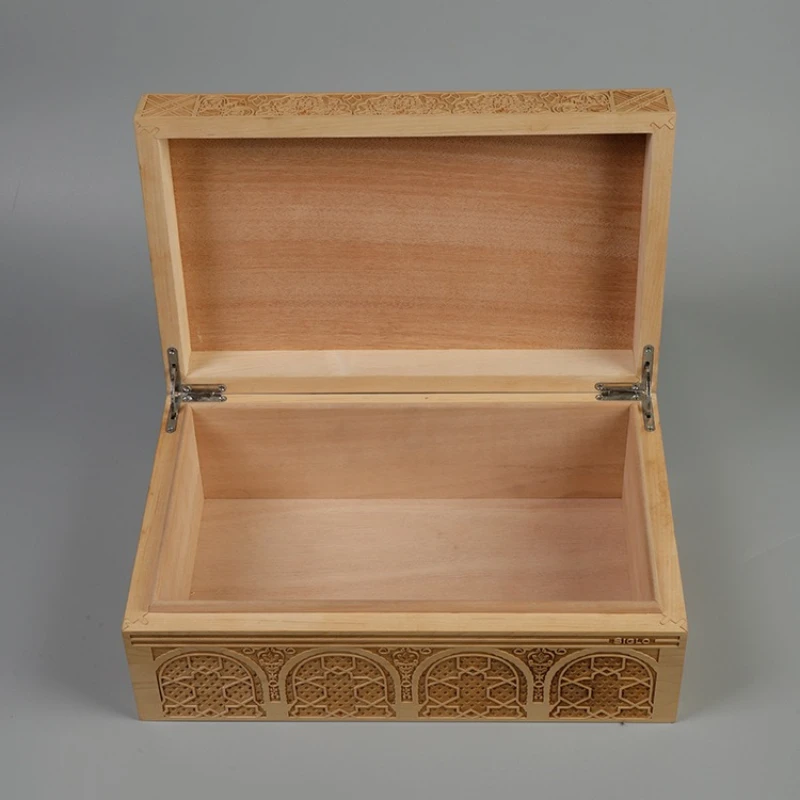
American red cedar is often suggested. It has insect-repelling oils, but its aroma is much stronger. It can overpower cigar flavors, which is why most cigar makers avoid it. Mahogany is smoother and looks beautiful. It holds humidity well but lacks the same insect resistance. Okoume is light and cost-effective. It does not add much aroma, but it maintains a stable environment.
Comparison Table of Alternatives
| Wood Type | Aroma Impact | Humidity Control | Pest Resistance | Cost Level |
|---|---|---|---|---|
| Spanish cedar | Mild, complementary | Excellent | High | Medium |
| Red cedar | Strong, overpowering | Good | High | Low |
| Mahogany | Subtle, neutral | Good | Medium | High |
| Okoume | Neutral | Moderate | Low | Low |
I once produced a limited cigar box run using mahogany. The boxes looked stunning and aged cigars decently. But collectors noticed the absence of that familiar cedar scent. It proved that appearance is not enough. The lining must also enhance the smoking experience.
How do cost and availability affect the choice between Spanish cedar and substitutes?
Luxury packaging must balance beauty, function, and cost. Cedar is not cheap, and its supply is unstable.
Spanish cedar costs more and has limited supply, so substitutes are sometimes used to lower costs or meet deadlines.
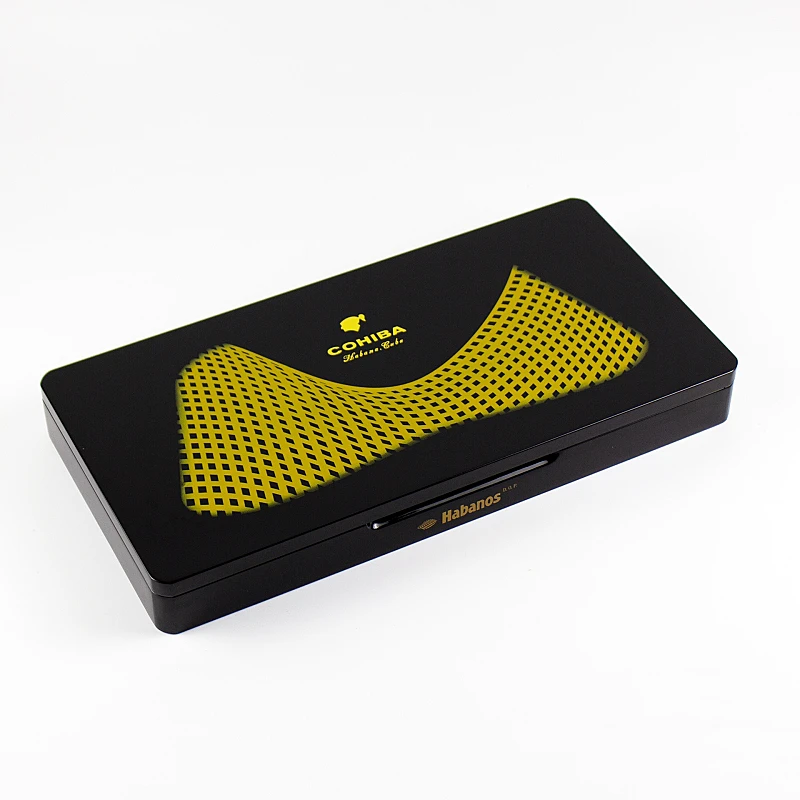
Spanish cedar requires careful sourcing. Import rules, certification needs, and shipping delays often increase lead times. This adds cost not only in raw material but also in logistics. Substitutes like okoume or composite veneers reduce these problems. They are cheaper, easier to source, and more consistent in supply.
Cost and Supply Factors
| Factor | Spanish Cedar | Substitutes |
|---|---|---|
| Material price | Medium to high | Low to medium |
| Availability | Limited, seasonal | Widely available |
| Lead time | Longer | Shorter |
| Certification | Required by many | Rarely needed |
When I work with clients, the decision often depends on project type. For luxury limited editions, they demand Spanish cedar no matter the cost. For mass production or promotional items, they accept alternatives. It is always a balance between brand image and budget.
Could engineered or composite materials replace natural wood in future cigar boxes?
Innovation in materials opens new possibilities. Some ask if natural wood will stay dominant in the long term.
Engineered woods and composites can replace cedar in function, but not in tradition or aroma.
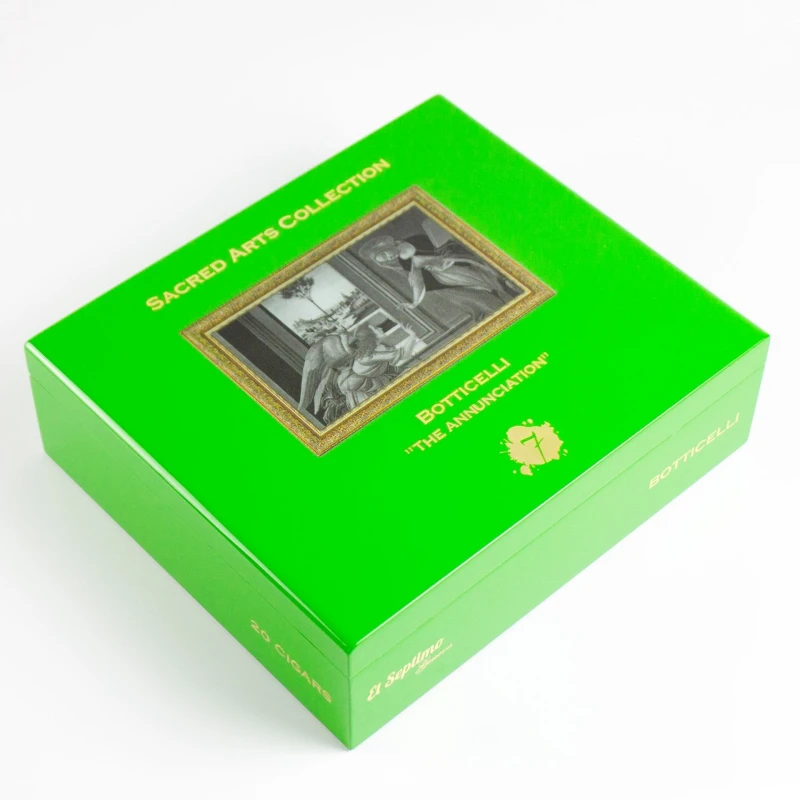
Manufacturers already test MDF with veneer finishes. These offer stability and lower cost. With added linings, they can mimic humidity control. Some companies experiment with composite boards infused with cedar oils. These replicate the aroma effect without using solid cedar. Technically, these materials work. They maintain humidity and repel pests when designed correctly.
But luxury buyers often want authenticity. A cigar stored in a composite box may taste the same, but the emotional value is lower. Collectors like the feel and scent of real cedar. This tradition is hard to replace. In my view, composites may gain market share in mid-range packaging, but premium brands will continue using natural cedar.
Future Outlook
- Engineered MDF + veneer: Cost-effective, stable
- Cedar oil-infused composites: Aroma replication possible
- Plastic + wood blends: Durable but less appealing
- Natural cedar: Still the premium benchmark
I once supplied MDF-based boxes with cedar veneer to a large distributor. They loved the cost savings. But when they introduced them to cigar collectors, feedback was mixed. Some praised the look, but many missed the depth of a real cedar lining. This shows that while technology advances, tradition still dominates this niche.
Conclusion
Spanish cedar remains the best choice for cigar preservation, but alternatives and composites offer practical solutions when cost or supply is a concern.
Brand Name: WoodoBox
Slogan: Custom Wooden Boxes, Crafted to Perfection
Website: www.woodobox.com
WhatsApp: +86 18359265311



 English
  Español
  Português
  Deutsch
  Français
  Italiano
  العربية