跳到内容
跳到内容 
Perfume is often seen as a luxury item, and its price tag can sometimes feel steep. But behind that cost lies a combination of factors—raw materials, production methods, packaging, and branding—that make high-quality perfumes valuable.
Perfume is not just a fragrance; it’s a finely crafted product that combines artistry, science, and meticulous craftsmanship.
What Raw Materials in Perfume Drive Up Its Cost, Especially Natural and Rare Ingredients?
At the heart of any expensive perfume lies its raw ingredients, many of which are rare, natural, or require large quantities to produce a small amount of essential oil.
Natural ingredients like jasmine, rose, and iris are particularly costly because they require enormous amounts of raw materials to produce small quantities of fragrance. For example, it takes thousands of rose petals to create just a few milliliters of rose oil, driving up the cost significantly.
Some of the most expensive ingredients are:
- Jasmine: Known for its deep, sensual aroma, jasmine is labor-intensive to harvest, as its flowers are delicate and must be picked by hand during a short blooming period.
- Rose: While rose is one of the most iconic floral scents, its extraction is equally demanding, requiring large amounts of petals to produce a small amount of rose oil.
- Iris: The root of the iris plant is used in perfumery, and it can take up to three years to grow a single harvest of high-quality iris root.
Even synthetic ingredients, which are often considered cheaper alternatives, can be costly to produce. These require advanced technology and years of research and development to perfect.
Why Natural Ingredients Are Expensive:
- Labor-intensive harvesting: Flowers like jasmine and rose need to be picked at specific times and by hand.
- Large quantities for small yields: It takes thousands of petals to make just a small bottle of essential oil.
- Long growing periods: Some plants, like iris, take years to mature before they can be harvested.
How Do Extraction Methods and Production Processes Influence the Final Price?
The process of extracting fragrance from flowers and plants adds another layer of cost to perfume production.
Extraction methods such as cold pressing, enfleurage, and CO₂ extraction are labor-intensive and require specialized knowledge.
These processes preserve the delicate aromas of the plants and flowers, but they take time, precision, and expert handling:
- Cold pressing: Used for citrus oils, this method extracts oil without heat, ensuring the delicate top notes are captured.
- Enfleurage: A traditional method that uses fat to absorb the fragrance from flowers, perfect for delicate blooms like jasmine. This method can be incredibly slow and costly.
- CO₂ extraction: A modern method that uses high pressure to extract oils. It’s highly effective at preserving the essence of the plant but requires advanced technology and specialized equipment.
These methods are slow, not easily scalable, and often require smaller quantities, which makes the cost of production higher.
Why Extraction Methods Matter:
- Cold extraction and CO₂ preserve the fragrance’s true character without altering the scent.
- Enfleurage and other traditional methods are time-consuming and labor-intensive but yield highly concentrated, pure oils.
Why Does Packaging—Bottles, Caps, and Boxes—Add Significant Value to Perfume?
The packaging of perfume is not just about aesthetics—it plays a crucial role in preserving the fragrance and protecting it from external factors like light, heat, and air.
High-end perfume packaging uses premium materials and design to safeguard the fragrance, enhance its appeal, and communicate the brand's luxury status.
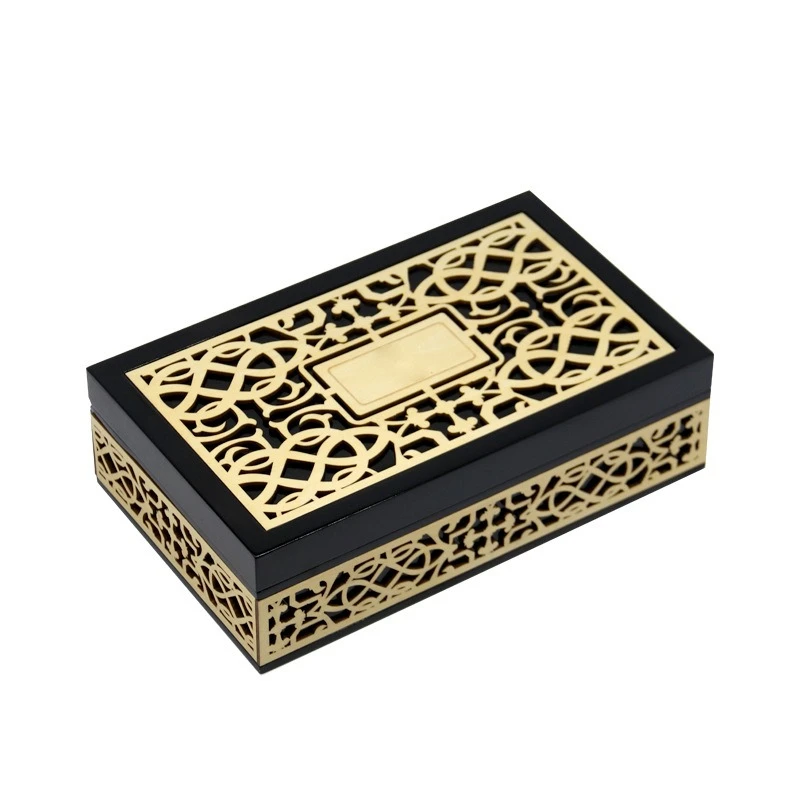
The bottle must be crafted in a way that ensures the perfume stays stable. It may be made of thick glass or special materials to protect it from UV light, which can degrade the scent over time. Many luxury bottles are made with high-quality glass, intricate designs, and sometimes even crystal elements.
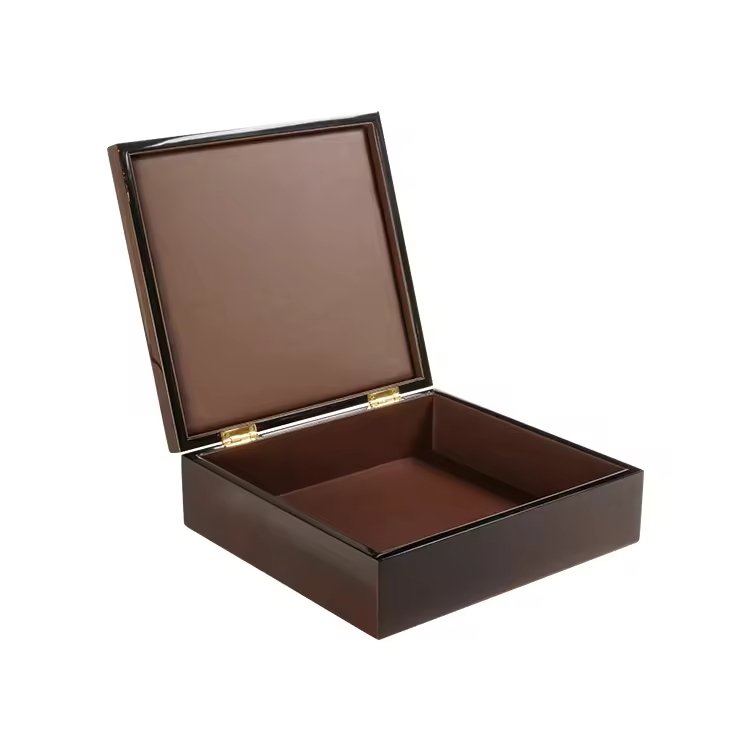
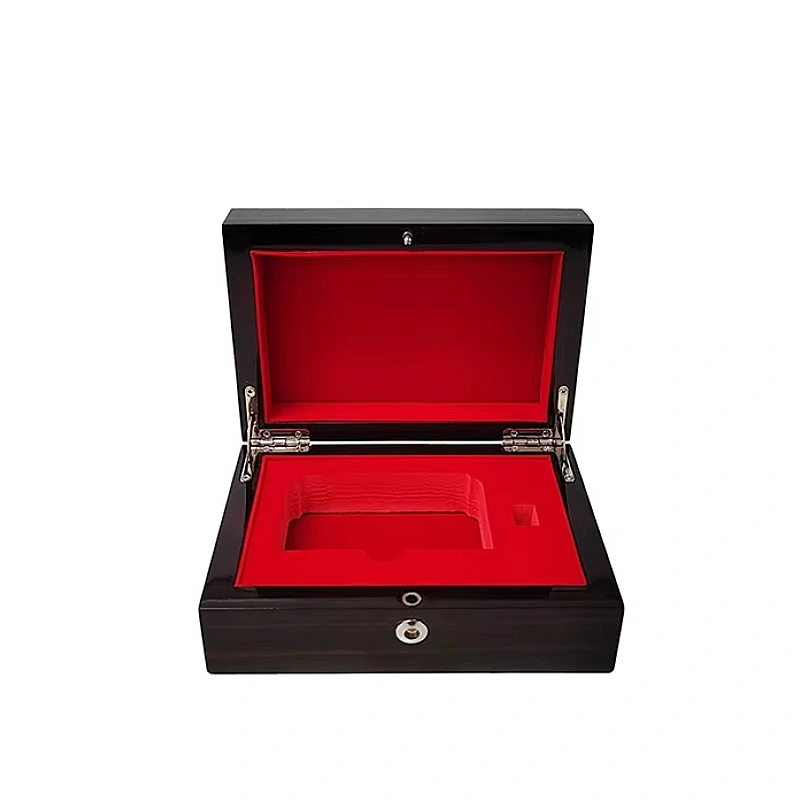
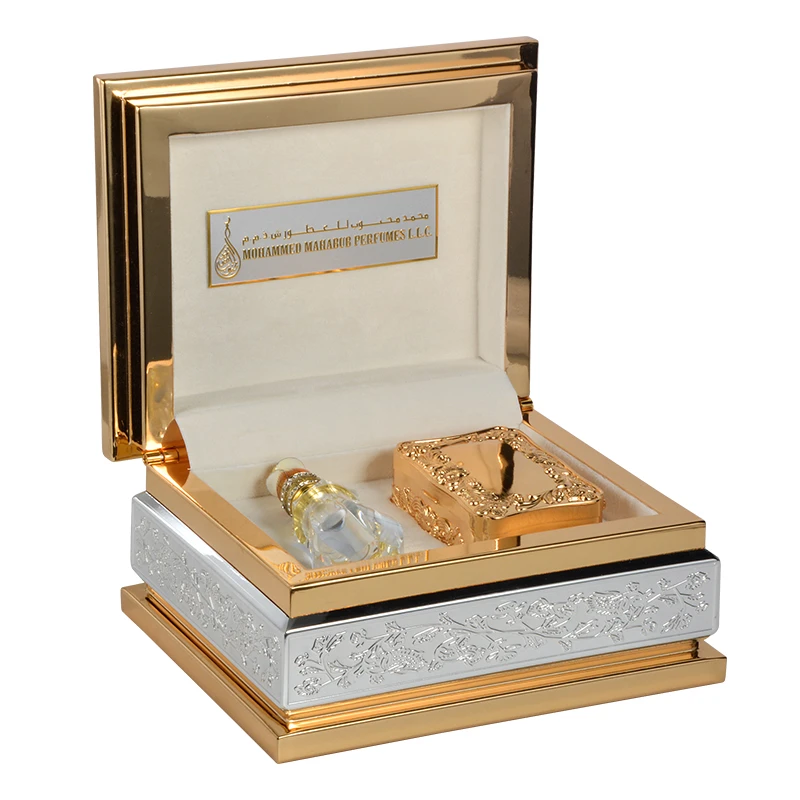
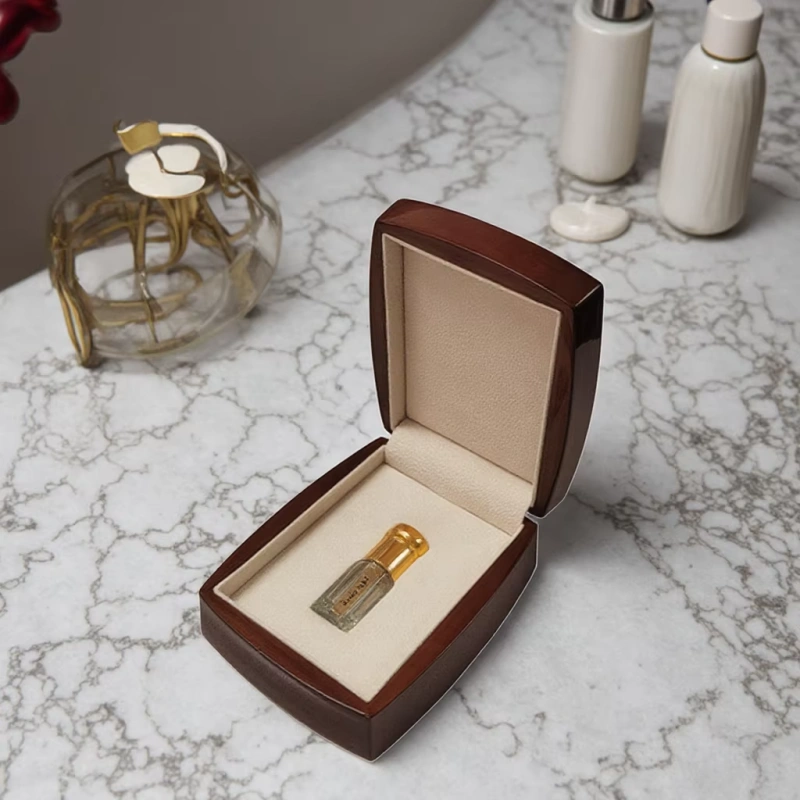
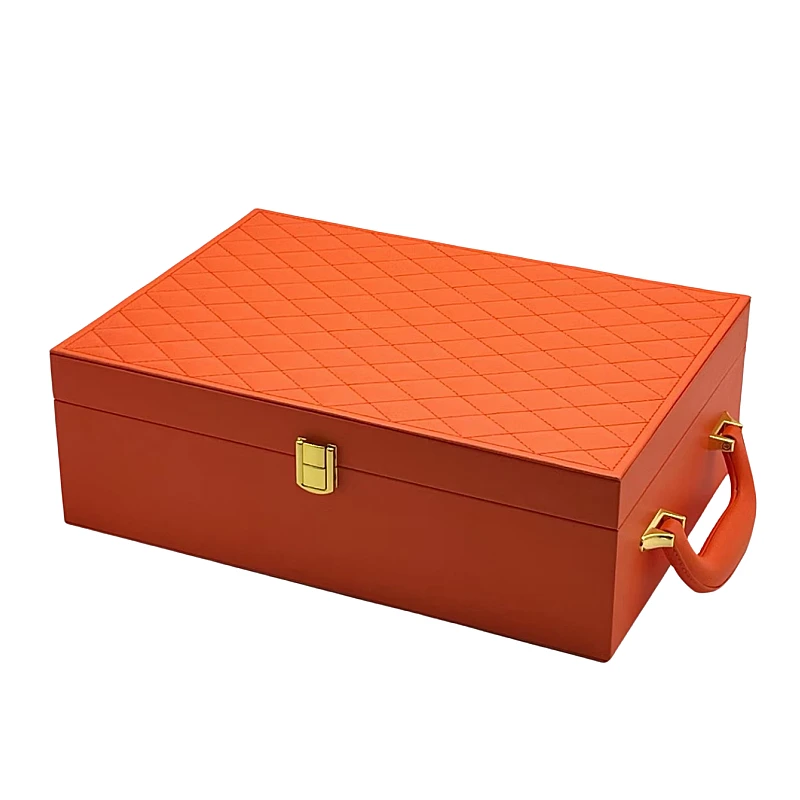
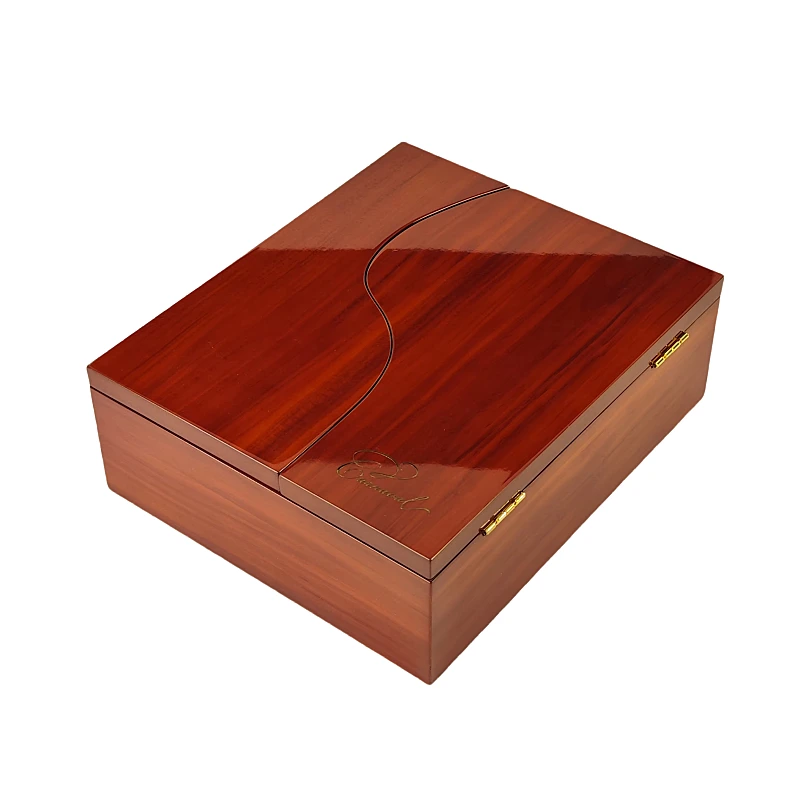
The caps often feature special finishes such as gold or silver plating, and the boxes are designed to look luxurious, often using velvet or wood materials.
Packaging Factors That Increase Cost:
- High-quality materials: Thick glass, special finishes, and custom designs increase production costs.
- Craftsmanship: Detailed, intricate bottle designs require skilled labor and precise machinery.
- Protection: Luxury packaging protects the perfume from light, temperature, and air exposure to maintain its quality.
How Much Does Branding, Marketing, and the Creative Work of Perfumers Affect Cost?
The branding and marketing of a perfume can add significant value. Developing a high-end fragrance is not just about mixing ingredients; it’s about creating an emotional experience.
Perfumers spend years perfecting a scent, often testing dozens of variations and refining the formula until it feels just right. The artistry behind creating a perfume includes designing the scent’s evolution, balance, and emotional impact, which requires deep expertise.
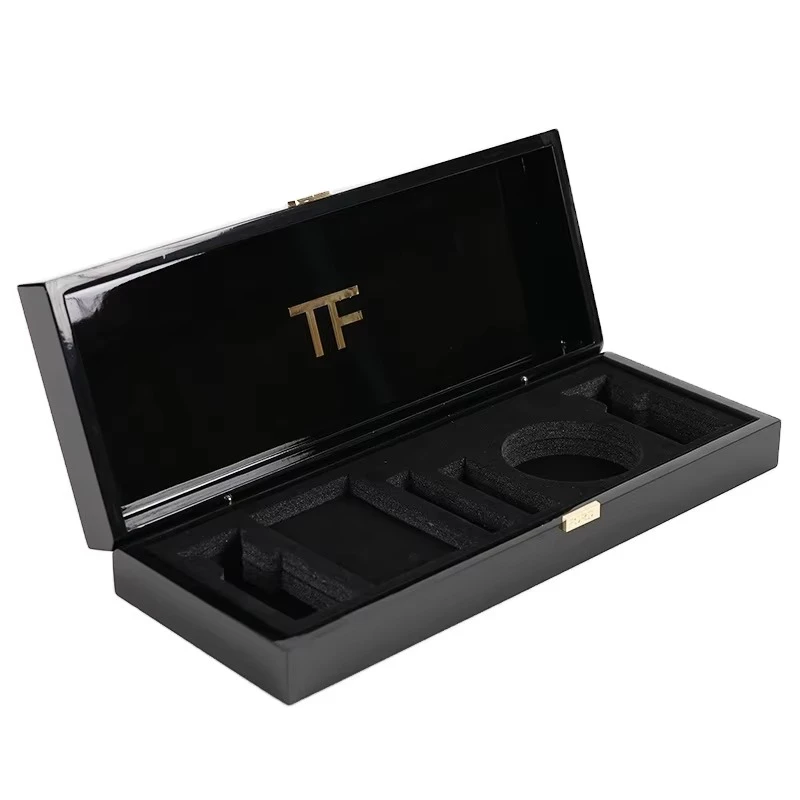
In addition to the creative work of perfumers, branding and marketing create the aura around a perfume. High-end brands invest in sophisticated advertising campaigns, celebrity endorsements, and exclusive distribution channels to position their products as luxurious.
Branding and Marketing Costs Include:
- Celebrity endorsements: High-profile names can increase a perfume’s cachet.
- Advertising: Luxury brands often spend millions on global marketing campaigns.
- Exclusivity: Limited editions or high price points are part of creating an aspirational image.
What Makes High-End Perfumes Last Longer or Smell More Complex Than Cheaper Alternatives?
When you compare high-end perfumes to cheaper ones, you may notice that the luxury options often last longer on your skin and have a more complex, evolving scent profile.
High-end perfumes are often made with better ingredients, superior extraction methods, and more intricate formulations.
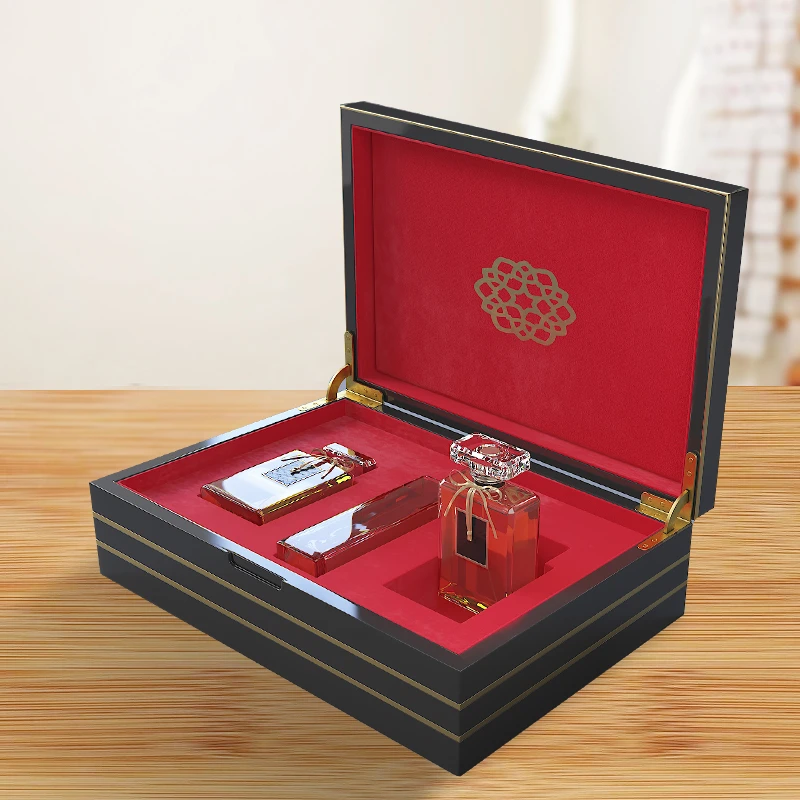
The quality of ingredients, especially natural oils, plays a huge role in how a fragrance lasts. Expensive perfumes often contain a higher concentration of fragrance oils, allowing them to develop more layers and last longer. Cheaper perfumes may use synthetic ingredients that don’t have the same depth or longevity.
Why High-End Perfumes Are Longer-Lasting:
- Higher concentration of fragrance oils: More fragrance means a stronger, longer-lasting scent.
- Natural oils: These oils have a deeper, more complex structure, which results in a richer scent profile.
- Complex formulations: High-end perfumes often have top, middle, and base notes that evolve over time, making the fragrance experience more dynamic.
How This Affects Cost:
- Longer-lasting fragrances require better ingredients, more expert craftsmanship, and a more intricate formula, all of which add to the cost.
- Complex scents with evolving notes require more time, expertise, and experimentation to perfect, making them more expensive.
Conclusion
Perfume is expensive because of the complex combination of raw materials, extraction methods, packaging, artistry, and branding that go into creating a luxury fragrance. From rare and natural ingredients to the craftsmanship of the bottle and the expertise of the perfumer, each layer of production adds value. Understanding these factors helps you appreciate why some perfumes are more than just a scent—they are a work of art, science, and luxury.

 English
  Español
  Português
  Deutsch
  Français
  Italiano
  العربية