Luxury brands face a quiet problem today. Many products look premium, but feel the same. When packaging feels ordinary, brand value weakens before the product is even touched.
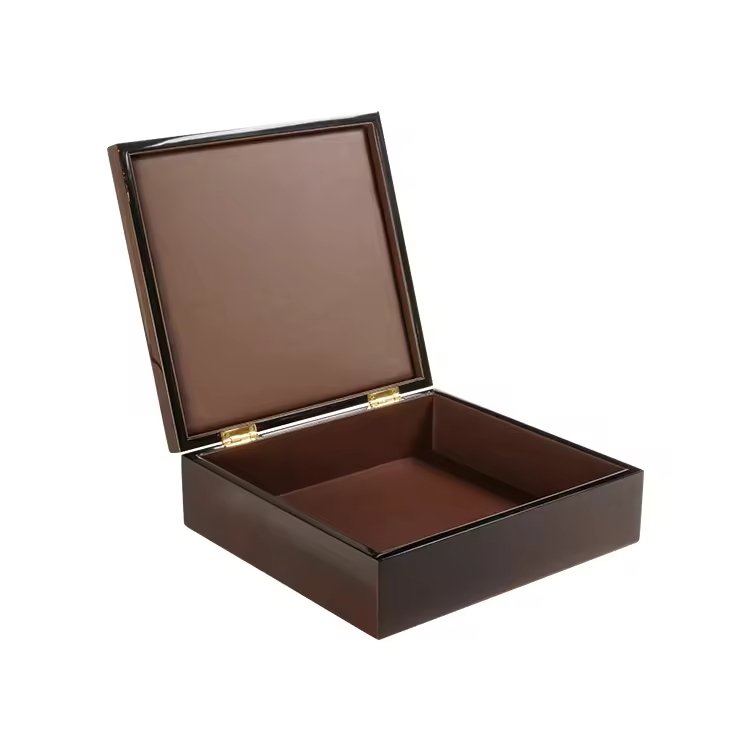
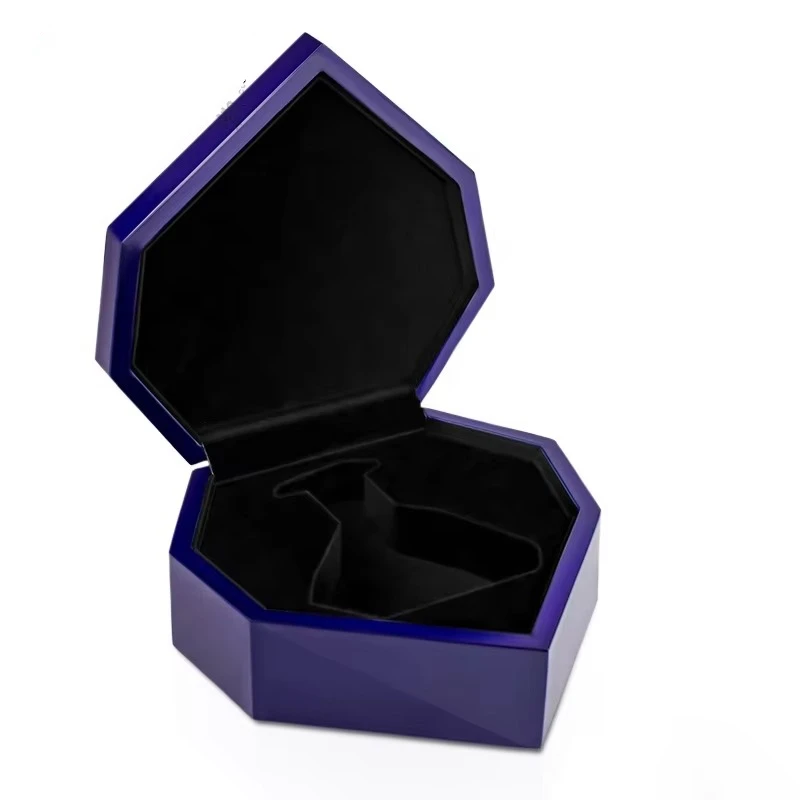
Luxury brands use wooden boxes as part of their identity architecture because wood carries heritage, emotion, craftsmanship, and long-term value in a single physical form. It works before logos, words, or marketing messages appear.
If you stay with me, I will break down how and why this happens from my perspective as a manufacturer who has worked behind the scenes for over 15 years.
How do wooden boxes communicate brand heritage and timeless value?
Luxury brands often struggle with one question. How do you show history and depth without saying it directly? Wooden boxes answer this question in a very natural way.
Wooden boxes communicate brand heritage and timeless value because wood feels permanent, slow, and rooted in history. It connects modern products with traditions that existed long before industrial mass production.
Why heritage needs physical expression
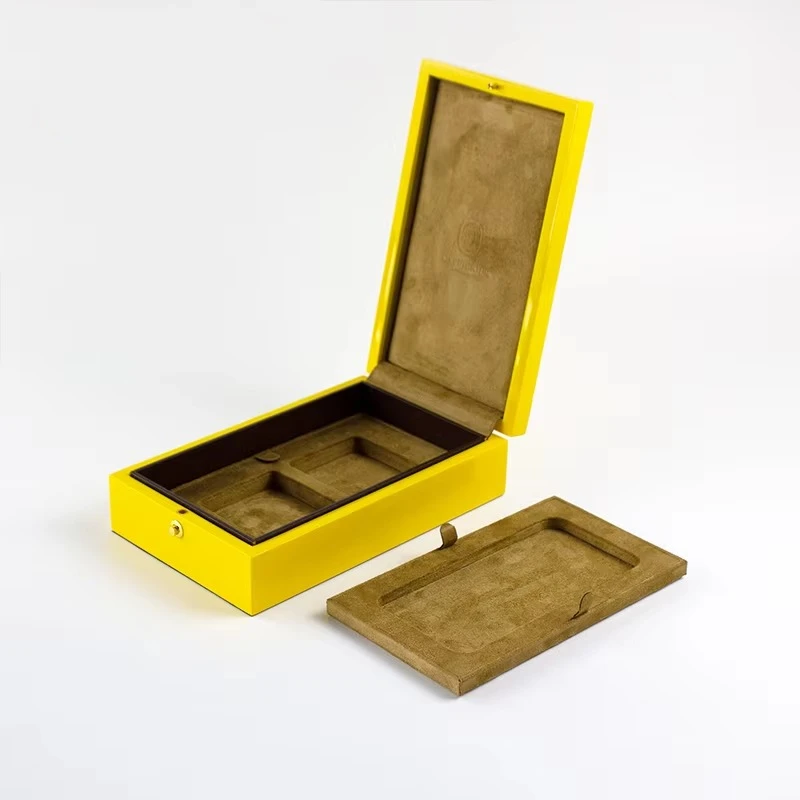
Many luxury brands talk about heritage. But words alone are not enough. Customers need to feel it.
When someone opens a wooden box, several things happen at the same time:
- The weight feels solid
- The surface feels warm
- The grain looks natural and unique
These signals tell the brain that this object was not rushed. It feels made to last.
From my experience, brands with long histories almost always prefer materials that age well. Wood does not feel outdated after five or ten years. Plastic does. Thin paper does. Wood gains character with time.
Wood as a material that resists trends
Trends move fast. Materials should not.
In my factory, I have reproduced wooden box designs that were created over ten years ago. They still look correct today. This is not common with packaging.
Here is a simple comparison I often explain to clients:
| Material | Visual lifespan | Emotional perception |
|---|---|---|
| Plastic | Short | Disposable |
| Paperboard | Medium | Functional |
| Wood | Long | Enduring |
Luxury brands want distance from short-term trends. Wood creates that distance naturally.
How brands embed legacy through construction
Heritage is not only about material. It is also about structure.
In many projects, brands ask for:
- Thick wall construction
- Traditional hinge systems
- Hidden magnets instead of visible locks
These details come from classic furniture logic, not modern packaging logic. Wooden boxes allow brands to borrow that language.
When I look at these requests, I know one thing is clear. The brand wants to be remembered, not replaced.
Why does the natural touch of wood strengthen emotional connection with customers?
Luxury is emotional before it is rational. Price logic comes later. The first response is always feeling.
The natural touch of wood strengthens emotional connection because it engages the senses in a calm and human way. It feels alive, not manufactured.
The role of touch in brand memory
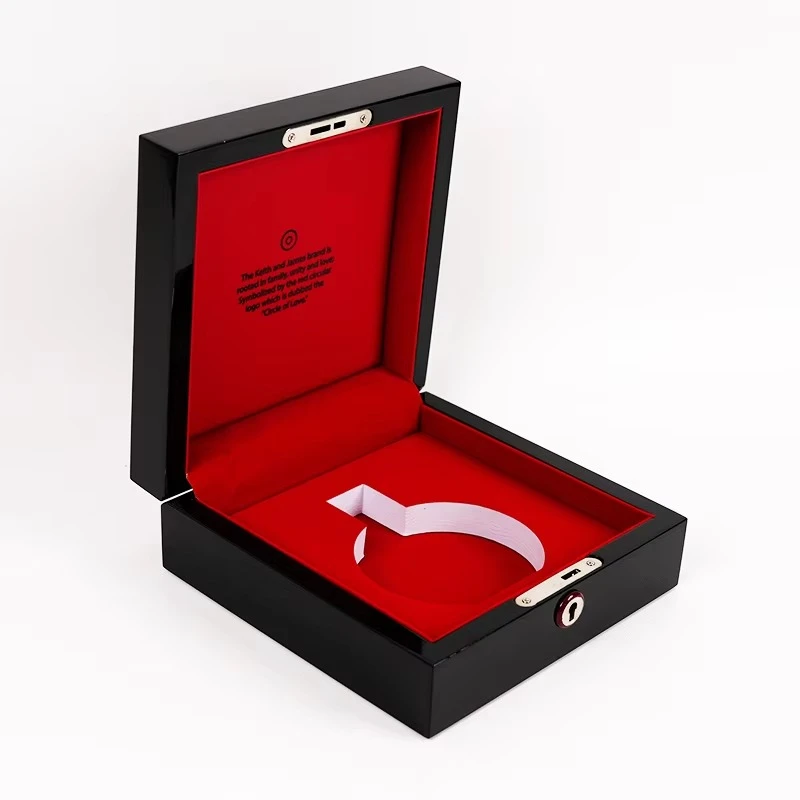
Touch is powerful. It stays in memory longer than visuals.
Wood has:
- Natural warmth
- Micro texture from grain
- Slight imperfections
These qualities activate a sense of authenticity. Customers do not feel they are touching a factory output. They feel they are touching something personal.
In client feedback sessions, I often hear the same words repeated. “Comforting.” “Calm.” “Real.” These are emotional reactions, not product descriptions.
Weight as emotional reinforcement
Weight is rarely discussed, but it matters.
A wooden box feels heavier than expected. That extra weight creates a sense of importance. The product inside feels more valuable before it is even seen.
I once worked with a fragrance brand that tested two boxes. One was rigid paperboard. One was wood. The product inside was identical.
Customer feedback showed a clear difference. People described the wooden version as more “serious” and “worthy of keeping.” This reaction happened before they smelled the perfume.
Emotional ownership and retention
Wooden boxes often stay with the customer.
Unlike disposable packaging, wood invites reuse:
- Storage
- Display
- Gifting
This creates long-term brand exposure inside the customer’s personal space. Emotional connection grows over time, not at the moment of purchase only.
From my side, this is one of the strongest reasons brands choose wood. It extends the relationship beyond the sale.
How do wooden boxes visually and physically differentiate luxury brands from mass-market competitors?
Luxury brands must separate themselves clearly. If packaging looks similar, price differences feel unjustified.
Wooden boxes differentiate luxury brands by creating immediate visual and physical contrast against mass-market materials. The difference is clear without explanation.
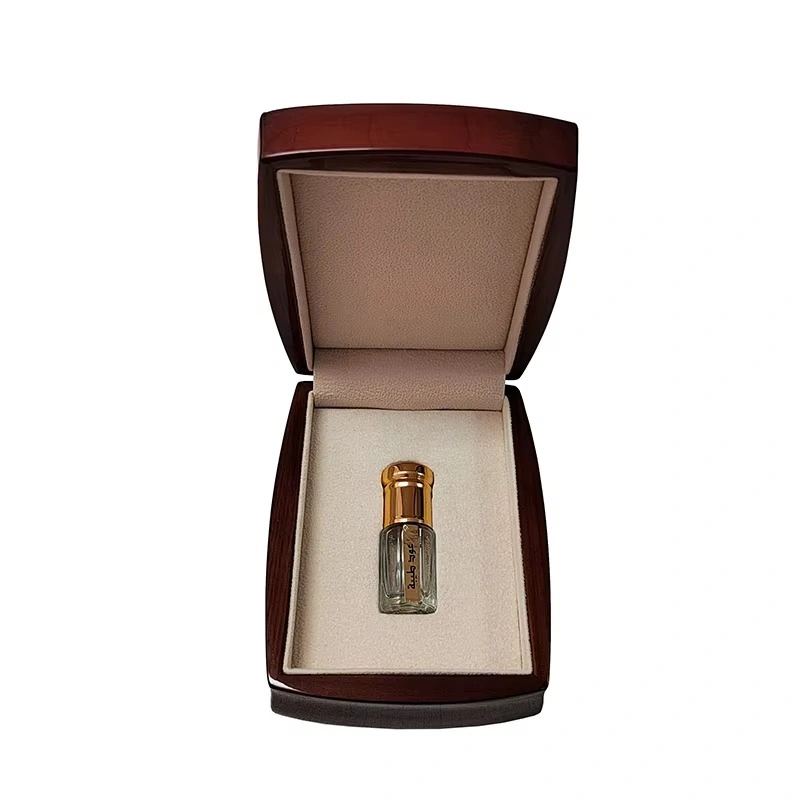
Visual separation at first glance
In retail or unboxing content, wooden boxes stand out instantly.
Most mass-market packaging uses:
- Printed paperboard
- Thin rigid boxes
- High-gloss coatings
Wood breaks this pattern. The grain alone creates depth that printing cannot copy.
From my experience, even simple wooden designs look premium when placed next to standard packaging. Brands do not need complex graphics. The material speaks first.
Physical interaction tells a different story
Differentiation is not only visual. It is physical.
Here is how customers notice the difference:
| Interaction | Mass-market box | Wooden box |
|---|---|---|
| Opening sound | Soft or hollow | Solid and deep |
| Lid movement | Flexible | Controlled |
| Closing feel | Light | Confident |
These signals register subconsciously. Customers may not describe them clearly, but they feel them.
Why luxury avoids similarity
Luxury brands fear sameness.
In many consultations, clients tell me directly. “We do not want to look like everyone else.” Wood gives them that safety.
It creates distance from fast-moving consumer goods. That distance protects pricing power and brand dignity.
In what way does craftsmanship in wooden packaging reinforce authenticity and trust?
Trust is fragile in luxury. One weak detail can break it.
Craftsmanship in wooden packaging reinforces authenticity because customers can see and feel the work involved. It reduces doubt and increases belief.
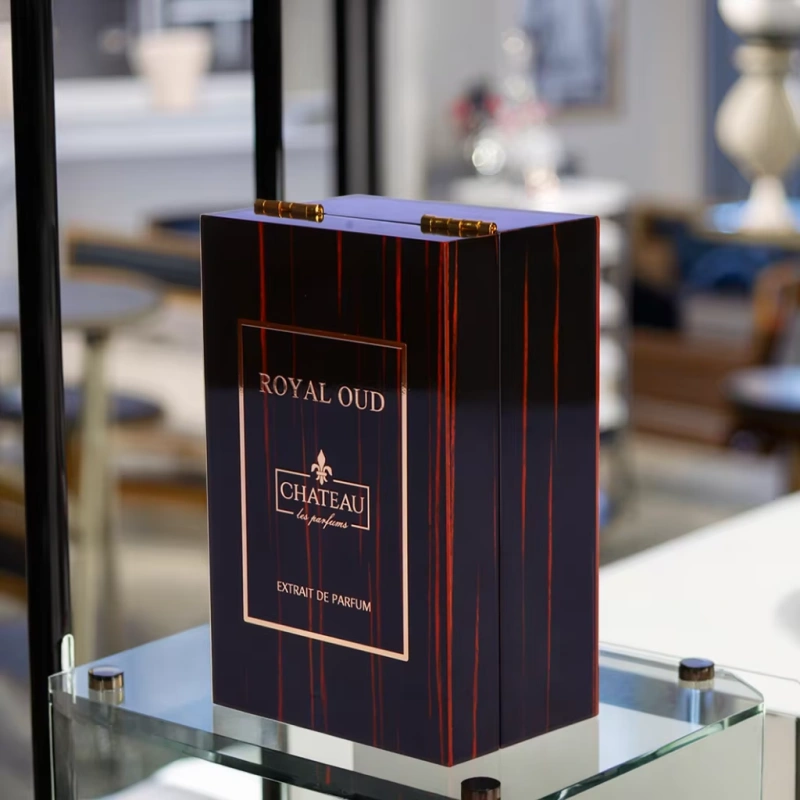
Visible effort creates credibility
Wood exposes mistakes. That is important.
Unlike plastic, wood cannot hide poor work easily. Joints, edges, and finishes reveal the maker’s skill.
In my production process, we pay close attention to:
- Corner alignment
- Paint thickness
- Hinge fitting
Customers may not name these details, but they notice when something feels right.
Craft details that build trust
Here are some common craftsmanship signals luxury brands value:
| Detail | What it signals |
|---|---|
| Smooth edges | Care |
| Even paint reflection | Control |
| Tight hinge tolerance | Precision |
| Balanced lid weight | Experience |
These details make the brand feel honest. Nothing feels rushed.
My experience with client expectations
Luxury clients are demanding. They ask many questions. They request samples. They test durability.
Wooden boxes survive this scrutiny better than most materials. They hold up under inspection.
This builds trust not only in the box, but also in the product inside. Packaging becomes proof of brand seriousness.
How do sustainable wooden boxes support long-term luxury brand positioning?
Luxury is changing. Responsibility now matters.
Sustainable wooden boxes support long-term luxury positioning because they align prestige with responsibility without lowering perceived value. This balance is difficult but necessary.
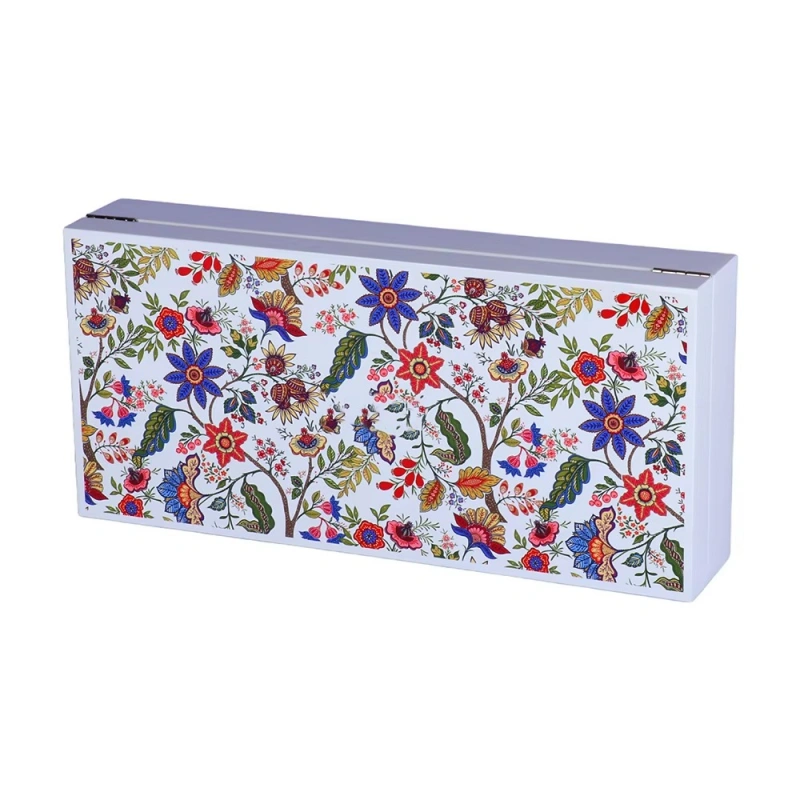
Sustainability without compromise
Many brands fear sustainability will weaken luxury. Wood proves the opposite.
When sourced responsibly, wood feels ethical and premium at the same time. Customers do not see sacrifice. They see intention.
In my work, more brands ask about:
- FSC-certified wood
- Long-life box design
- Reusable structures
These requests come from brand strategy teams, not just compliance teams.
Long-term visibility through reuse
A sustainable wooden box stays visible longer.
Customers keep it. They repurpose it. This extends brand presence without extra production.
Here is how sustainability supports identity:
| Factor | Brand benefit |
|---|---|
| Reuse | Extended exposure |
| Durability | Reduced waste |
| Natural aging | Story over time |
Luxury brands think in decades. Wooden boxes match that thinking.
Positioning for future consumers
Younger consumers care about responsibility. They also care about authenticity.
Wood satisfies both. It feels honest. It feels grounded.
From my experience, brands that invest in sustainable wooden packaging now are preparing their identity for the next generation, not reacting late.
Conclusion
Wooden boxes are not decoration. They are identity. They express heritage, emotion, trust, and responsibility in one form. That is why luxury brands continue to choose them.
Brand Name: WoodoBox
Slogan: Custom Wooden Boxes, Crafted to Perfection

 English
  Español
  Português
  Deutsch
  Français
  Italiano
  العربية