跳到内容
跳到内容 

High humidity destroys wooden packaging silently. Boxes look perfect at delivery, then bend, twist, or jam months later. I have seen this problem cost brands money, time, and trust.
Certain woods resist warping better because they absorb and release moisture more slowly and more evenly, keeping their shape stable even in humid environments.
I learned this lesson the hard way, through years of exporting luxury wooden boxes to humid markets. In this article, I will explain what really makes wood stable, and why choosing the wrong wood can ruin even the best design.
How does wood density affect moisture absorption and dimensional stability?
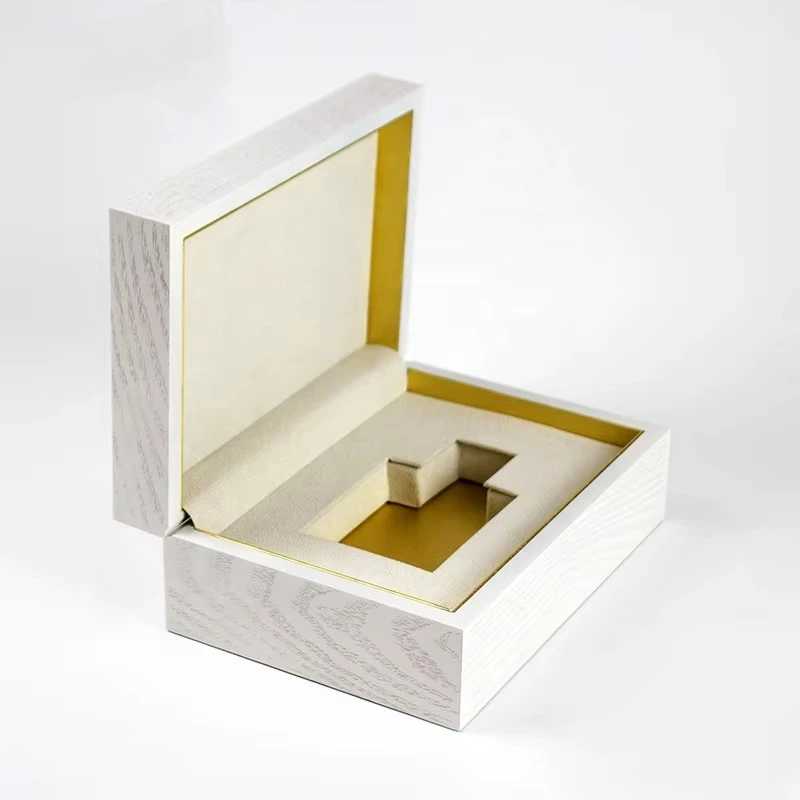
Low-density wood reacts fast to moisture. That reaction causes swelling, shrinking, and distortion. Once this starts, it is almost impossible to reverse.
Wood density controls how quickly moisture moves in and out of the material, which directly affects dimensional stability.
What density really means in daily production
Density is not just a number in a material chart. In my factory, density shows up in how wood feels when we cut it, sand it, and assemble it. Dense woods feel heavier, harder, and more resistant. This resistance matters in humid air.
Wood is made of cells. These cells act like tiny tubes. When humidity rises, moisture enters these tubes. When humidity drops, moisture leaves them. The faster this happens, the more stress builds inside the wood.
Low-density woods have:
- Larger cell cavities
- Thinner cell walls
- Faster moisture exchange
High-density woods have:
- Smaller cell cavities
- Thicker cell walls
- Slower moisture exchange
Slower exchange means slower movement. Slower movement means less warping.
Dense woods behave more predictably
In humid markets like Southeast Asia, I often choose woods such as oak, walnut, or dense maple. These woods do not panic when humidity changes. They adjust slowly. This gives the structure time to stay balanced.
Here is a simple comparison from my experience:
| Wood Type | Density Level | Moisture Reaction Speed | Warping Risk |
|---|---|---|---|
| Pine | Low | Very fast | High |
| Poplar | Low | Fast | High |
| Beech | Medium | Medium | Medium |
| Oak | High | Slow | Low |
| Walnut | High | Slow | Low |
Many buyers focus only on appearance. They forget that appearance means nothing if the box lid cannot close after six months.
Density is not about strength alone
Some people think dense wood is only about strength. That is wrong. In packaging, density is about control. Control over movement. Control over stress. Control over long-term shape.
I once replaced a low-density decorative wood with a denser core and thin veneer. The look stayed the same. The warping problem disappeared. This taught me that density works even when design demands visual flexibility.
Why does grain structure determine how wood reacts to humidity changes?
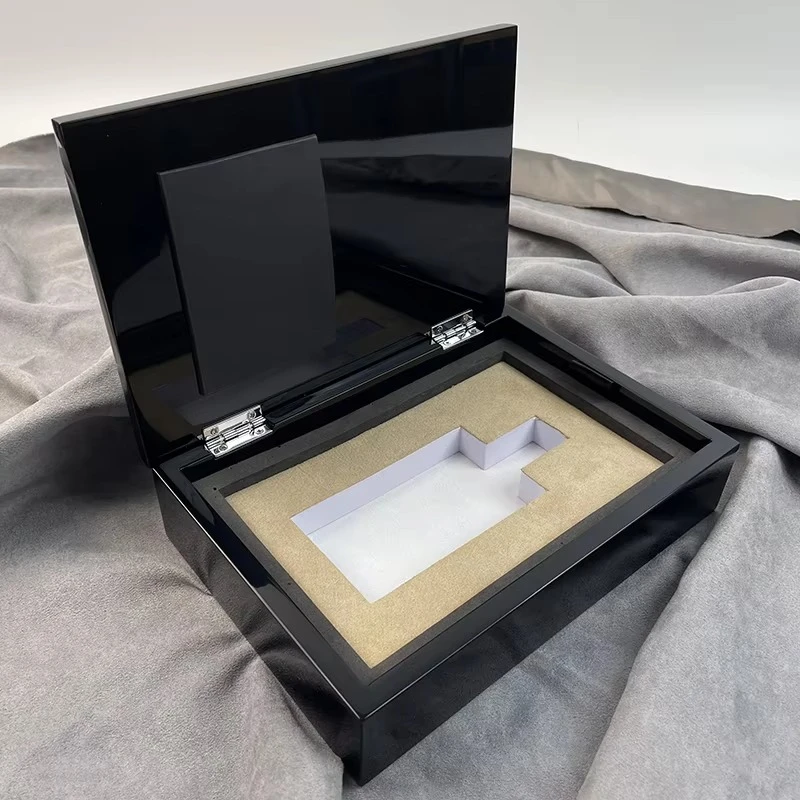
Beautiful grain can be dangerous. I learned this after rejecting several visually stunning boards that later warped badly in testing.
Grain structure determines the direction and balance of wood movement when humidity changes.
Wood does not move evenly
Wood expands and shrinks more across the grain than along the grain. This is a basic rule, but many designers ignore it.
Straight grain wood:
- Expands more evenly
- Shrinks more evenly
- Stays flatter
Irregular grain wood:
- Expands unevenly
- Shrinks unevenly
- Twists and cups easily
When humidity rises, uneven expansion pulls the board out of shape. This causes cupping, bowing, or twisting.
Grain predictability matters more than beauty
In luxury packaging, predictability is everything. A perfume box must open smoothly. A watch box lid must align perfectly. Grain chaos destroys precision.
From my production records, boards with:
- Straight grain
- Parallel growth lines
- Minimal knots
Always perform better in humid tests.
Boards with:
- Swirled grain
- Interlocked grain
- Heavy knots
Fail more often.
Here is how I evaluate grain before production:
| Grain Feature | Visual Appeal | Stability in Humidity |
|---|---|---|
| Straight grain | Medium | High |
| Quarter-sawn | Medium | Very high |
| Flat-sawn | High | Medium |
| Wild grain | Very high | Low |
Quarter-sawn wood is underrated
Quarter-sawn boards cost more. They waste more material. But they move less. In humid regions, quarter-sawn oak is one of my favorite materials for box panels.
The grain runs more vertically. This reduces width movement. It keeps panels flatter over time.
When clients complain about cost, I explain this simple truth: fixing warped boxes costs more than preventing warping.
How do natural oils and extractives improve moisture resistance in some woods?
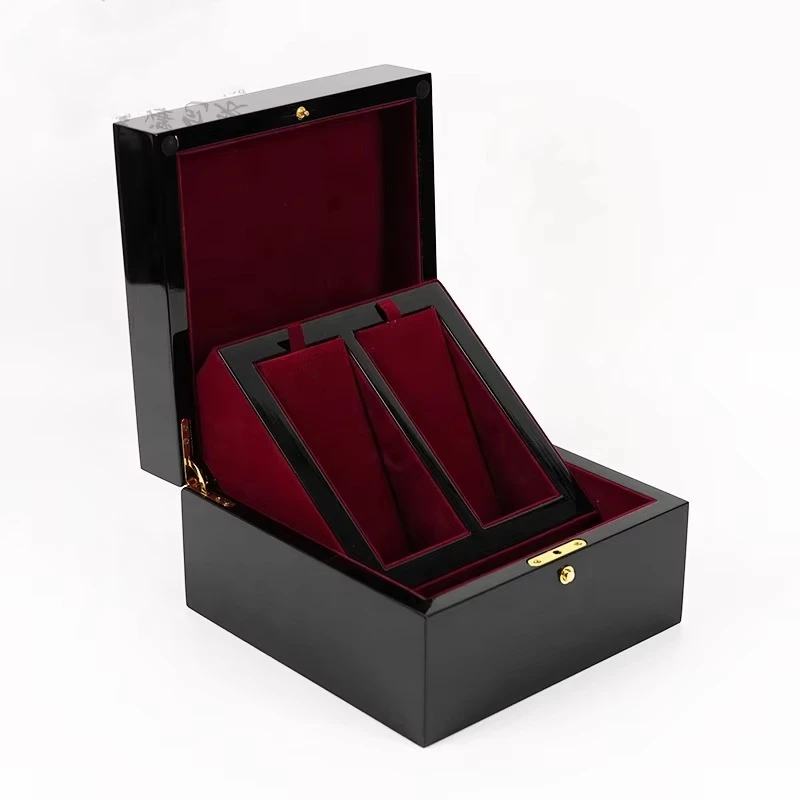
Some woods protect themselves. Others need help from coatings and finishes.
Natural oils and extractives slow down moisture absorption and act as a built-in barrier against humidity.
Wood chemistry matters
Not all woods are chemically equal. Some contain oils, resins, and tannins. These substances fill cell spaces and coat cell walls.
This does three things:
- Slows water penetration
- Reduces swelling speed
- Improves stability before finishing
Walnut is a good example. It contains natural oils that repel moisture. Teak is another, though expensive and restricted in some markets.
Natural protection works from the inside
Surface coatings help, but they are not perfect. Humidity enters through joints, edges, and micro cracks. Internal resistance matters more over time.
In my experience:
- Walnut performs well even with thin finishes
- Oak benefits from both density and tannins
- Rubberwood performs poorly without heavy sealing
Here is a simplified comparison:
| Wood | Natural Oils | Moisture Resistance |
|---|---|---|
| Walnut | High | High |
| Teak | Very high | Very high |
| Oak | Medium | High |
| Beech | Low | Medium |
| Rubberwood | Very low | Low |
Oils reduce stress, not movement
Natural oils do not stop movement completely. They slow it down. This slowing effect gives the wood time to adjust evenly.
This is why oil-rich woods feel calmer in humid warehouses. They do not react violently to sudden climate changes.
When clients ask why two boxes behave differently with the same finish, the answer is often hidden inside the wood itself.
Why does proper drying and seasoning matter as much as wood species?
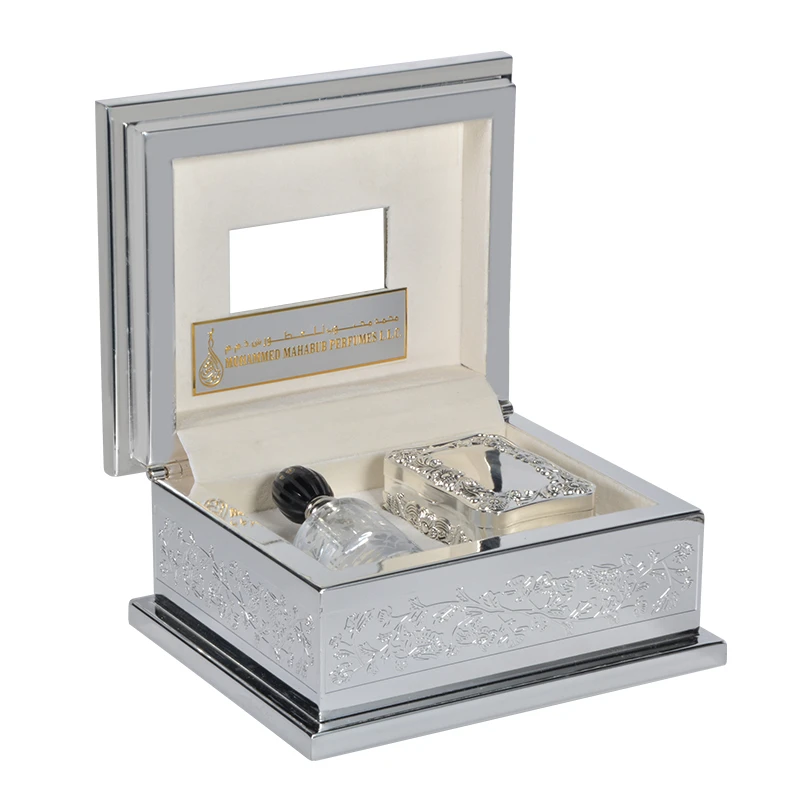
Even perfect wood will fail if it is not dried correctly. I see this mistake often in low-cost production.
Drying and seasoning control the internal stress level of wood before it enters a humid environment.
Moisture content must match destination climate
Wood is never dry. It always seeks balance with its environment. This balance is called equilibrium moisture content.
If wood is dried for a dry climate and shipped to a humid one, it will absorb moisture. That absorption causes expansion. Expansion causes warping.
In our production, we adjust moisture targets by region:
| Destination | Target Moisture Content |
|---|---|
| Europe | 8–10% |
| North America | 8–10% |
| Middle East | 10–12% |
| Southeast Asia | 12–14% |
Many factories dry everything to one standard. That saves time. It causes problems later.
Kiln drying is not enough alone
Kiln drying removes moisture fast. If done poorly, it creates stress inside the wood. That stress waits. It shows up later as warping.
After kiln drying, I always require:
- Resting time
- Conditioning
- Moisture rebalancing
This step is often skipped. It should not be.
Seasoning teaches wood to behave
Seasoning allows wood fibers to relax. It reduces internal tension. This makes future movement more controlled.
I once tested two batches of the same wood:
- One rushed to production
- One rested for three weeks
The rushed batch warped. The rested batch stayed flat.
That test changed how I manage schedules. Time is not wasted when it prevents failure.
How does wood selection influence long-term reliability in luxury packaging?

Luxury packaging is judged over time, not on day one. A warped box destroys brand value silently.
Wood selection defines whether a luxury box stays precise, elegant, and functional years after purchase.
Reliability is a system, not a material
Wood species alone does not guarantee success. Reliability comes from alignment:
- Correct density
- Stable grain
- Helpful chemistry
- Proper drying
- Smart design
When one part fails, the system fails.
Design must respect wood behavior
In my designs, I always:
- Balance panel thickness
- Avoid wide solid boards when possible
- Use veneered MDF for large surfaces
- Reinforce stress points
This reduces movement stress. It increases lifespan.
Wood choice reflects brand values
High-end brands sell confidence. A warped box sends the opposite message.
I always tell clients this: customers may forgive a scratched box. They will not forgive a box that does not open.
Here is how I match wood choice to packaging level:
| Packaging Level | Recommended Wood Strategy |
|---|---|
| Entry luxury | MDF core + stable veneer |
| Premium | Dense solid wood components |
| Ultra-luxury | Quarter-sawn dense wood + controlled structure |
Long-term thinking saves money
Cheap wood looks cheap after time. Stable wood protects reputation.
After 15 years, my strongest lesson is simple: wood is alive. When you respect that, it rewards you. When you ignore it, it punishes you quietly.
Conclusion
Stable wood resists warping because density, grain, chemistry, drying, and design work together. When I respect these rules, luxury wooden boxes stay precise, reliable, and beautiful even in humid climates.

 English
  Español
  Português
  Deutsch
  Français
  Italiano
  العربية