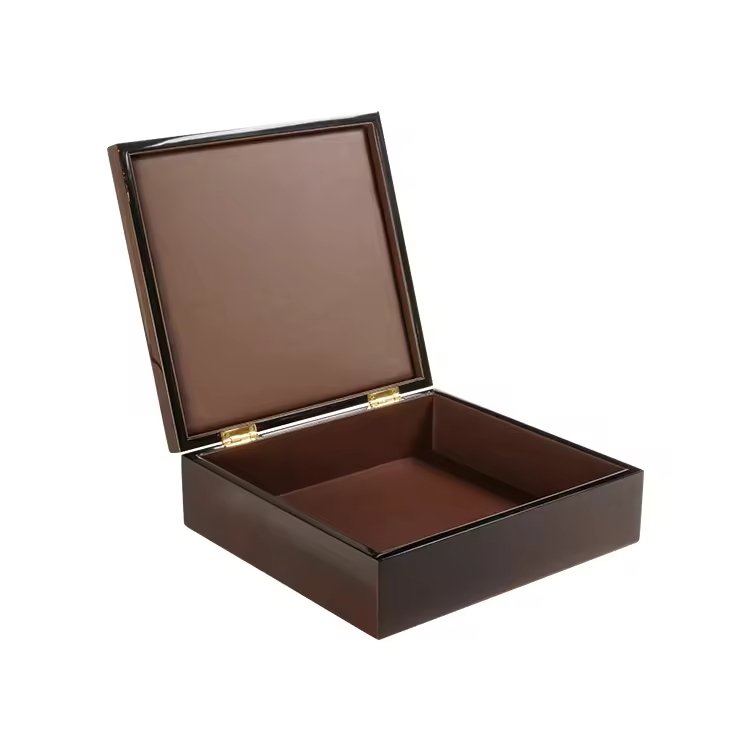
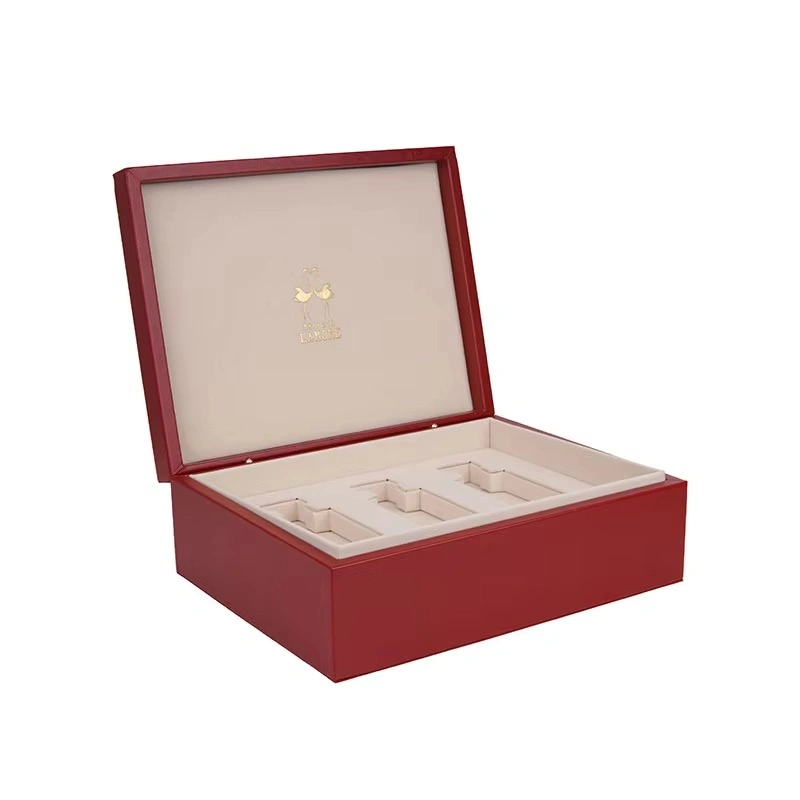
I see many buyers ask who invented perfume because they want to understand the roots of luxury fragrance. I know this question feels confusing because the story is long and complex.
No single person invented perfume. Many ancient cultures discovered fragrance through rituals, medicine, and daily life. Over time, Egyptians, Persians, Greeks, Romans, and Europeans shaped the craft we use today.
I want to show how perfume evolved step by step, because this history helps us see why modern luxury brands still rely on craftsmanship, extraction skills, and packaging details.
How did ancient civilizations first discover the art of creating fragrance?
I see many people struggle to understand how fragrance started, because we do not have one clear moment in history.
Ancient civilizations discovered fragrance by burning plants, mixing oils, and observing how natural scents changed. They used simple tools and repeated experiments until they learned how to create stable aromas.
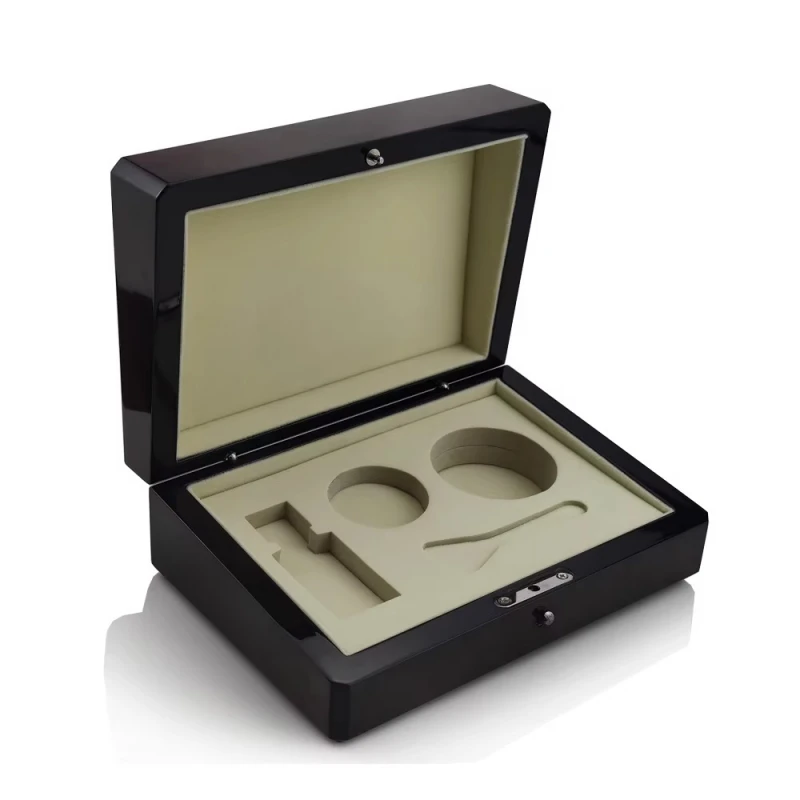
I read many old documents about early scent use, and they show that people worked with what they had. They burned woods. They crushed flowers. They soaked herbs in oil. They did this during rituals and healing activities. These repeated actions slowly taught people how to control scent.
How fragrance started across early cultures
At first, fragrance came from very basic actions. People burned resins to create smoke that felt calming. They used scented oils to treat the body. They mixed crushed plants with fat to preserve a smell for a longer time. These were not perfumes in the modern sense. They were simple scent carriers that helped people feel clean or connected to their beliefs.
Why these early discoveries matter
These discoveries are important because they show the start of extraction. Extraction is still the core of perfumery today. When I work with perfumed wooden boxes, I see this connection clearly. Many luxury brands still use natural oils. They demand clean aromas. They need packaging that protects these scents from light and moisture.
Table: Early Civilizations and Their Scent Techniques
| Civilization | Main Scent Source | Extraction Method | Purpose |
|---|---|---|---|
| Mesopotamia | Flowers, resins | Infusion, burning | Rituals and healing |
| Indus Valley | Herbs, oils | Soaking | Daily care |
| China | Woods, incense | Burning | Spiritual use |
| Egypt | Flowers, balms | Infusion, maceration | Rituals, luxury |
Early fragrance came from life and daily practice. It grew through curiosity. It shaped the base of every scent we know today.
Why are the Egyptians often credited as early pioneers of perfume-making?
Many people think Egyptians invented perfume, because their fragrance culture was highly developed.
Egyptians are seen as pioneers because they created structured formulas, used advanced tools, and produced perfume at a scale not seen before. They turned fragrance into part of life, ritual, and status.
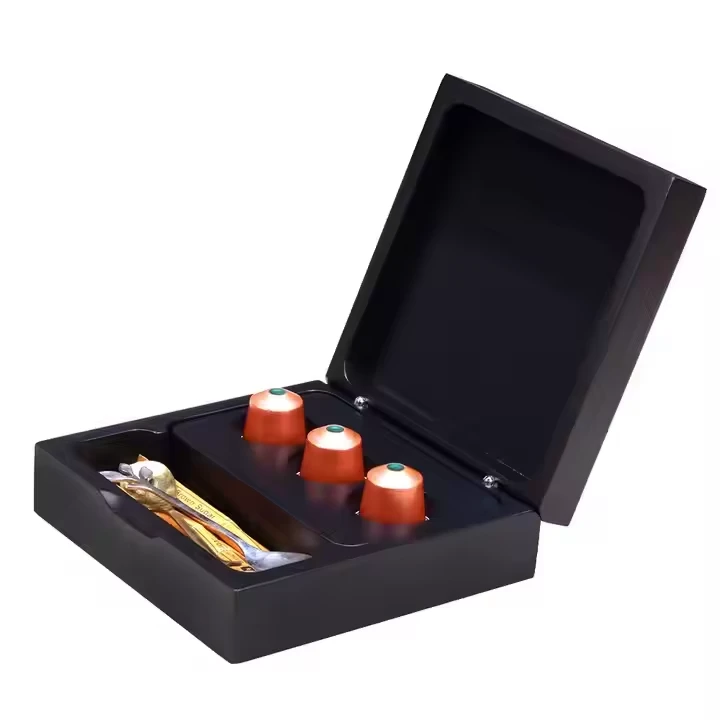
Egypt influenced many later cultures. Their formulas used lotus, lily, myrrh, and frankincense. They created scented balms for kings. They made fragrance part of identity. I studied many cases where luxury brands take inspiration from Egyptian scent traditions, because these ideas still feel timeless.
How Egyptians shaped early perfume craft
Egyptians created real labs. They heated oils at controlled temperatures. They mixed precise ratios. They stored perfume in stone and glass containers to protect the smell. Their methods look simple today, but for their time, they were advanced.
Tools the Egyptians introduced
| Tool / Method | Purpose |
|---|---|
| Alabaster jars | Protect perfume from heat |
| Maceration pots | Extract deep scent from plants |
| Resin blends | Create long-lasting aroma |
What this means for modern luxury
Today, when I design wooden perfume boxes for high-end brands, I see the same needs. Perfume requires protection. Perfume requires controlled storage. The Egyptians were first to treat fragrance as something valuable, not only a smell. Their mindset still shapes our industry.
What role did Persian chemists play in shaping modern perfume distillation?
Many buyers do not know how big Persia’s role was, because this part of history is often skipped.
Persian chemists, especially Ibn Sina (Avicenna), transformed perfume by refining steam distillation. This allowed people to extract pure essential oils like rosewater, which changed perfumery forever.
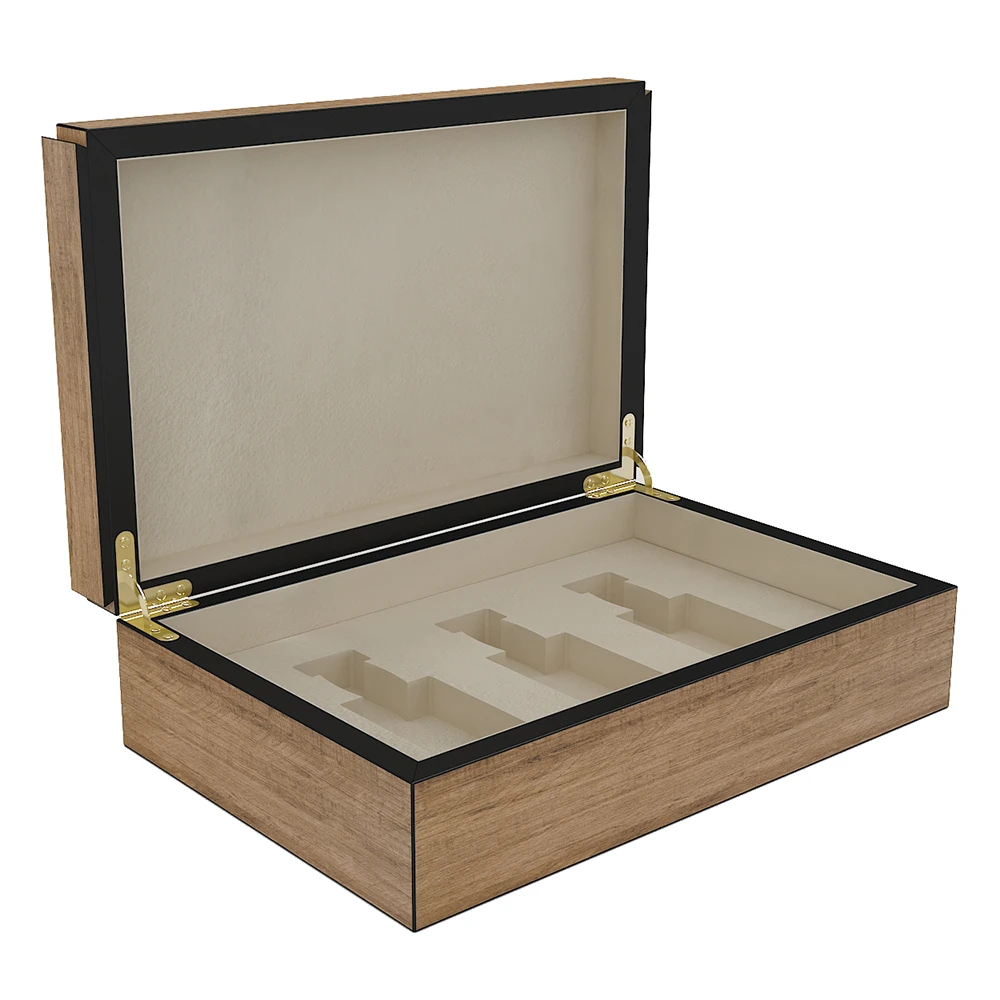
When I learned about distillation during a packaging project for a rose oil brand, I understood why Avicenna’s contribution was so important. Without steam distillation, perfume would not have the clarity and purity we enjoy today.
How steam distillation changed everything
Steam distillation made it possible to capture scent that simple soaking could not preserve. It separated the essence from the plant without burning it. This gave perfumers more control. It also expanded the range of scents.
What Persian chemists achieved
| Innovation | Impact |
|---|---|
| Steam distillation | Allowed extraction of delicate scents like rose |
| Scientific approach | Standardized perfume production |
| Early laboratories | Improved consistency of oils |
Why this matters for modern perfume packaging
When I build wooden boxes for luxury perfume brands, I consider bottle shape, oil stability, and storage. Many oils extracted through Persian techniques still need low light and stable environments. This affects my engineering decisions, such as adding velvet lining or magnetic seals. Persia’s innovation still shapes the demands of today’s packaging industry.
How did perfume travel from the Middle East to Europe and become a luxury symbol?
I see many clients assume perfume started in Europe, but the truth is different.
Perfume traveled through trade routes, cultural exchange, and migration. When it entered Europe, it became linked to fashion, cleanliness, and later, luxury identity.
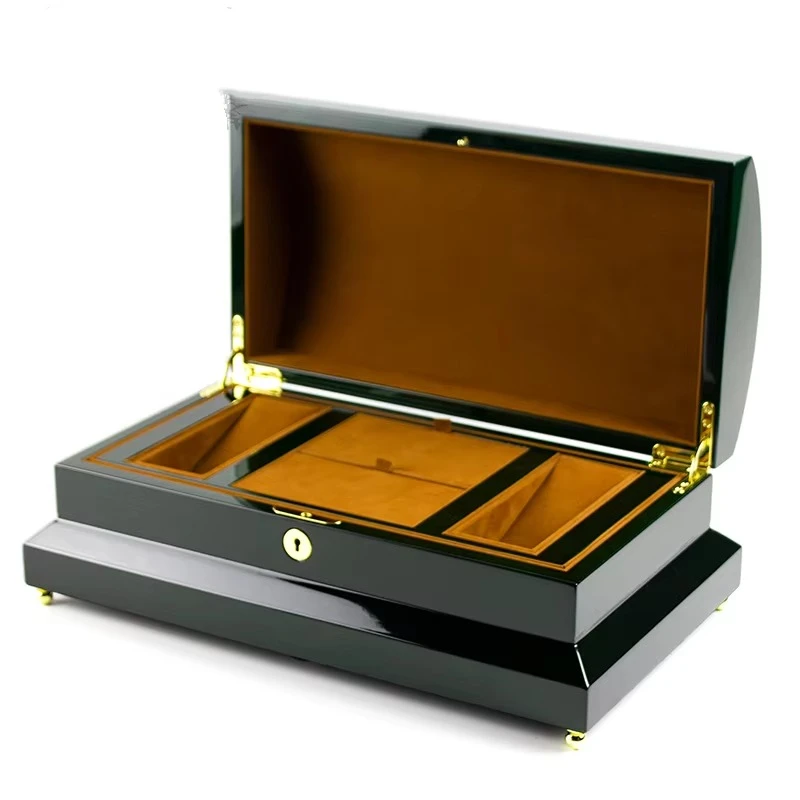
Perfume moved with merchants. It followed the Silk Road. It spread through the Roman Empire. Later, it entered medieval Europe through Spain and Venice. Each region added new ingredients and methods.
How Europe shaped perfume culture
Europe did not invent perfume, but Europe refined its presentation. France became the center of scent during the Renaissance. They built perfume guilds. They created strict quality rules. They connected fragrance to luxury status. This is why modern perfume brands cluster in France today.
Trade Routes That Spread Perfume
| Route | From | To | Influence |
|---|---|---|---|
| Silk Road | China, Persia | Europe | Spread incense and oils |
| Mediterranean Trade | Egypt | Greece, Rome | Introduced scented balms |
| Moorish Spain | Middle East | Western Europe | Brought distillation and new scents |
Why perfume became a luxury object
Perfume in Europe was expensive. Ingredients were rare. Process was complex. Only the elite could afford it. This history made perfume more than a smell. It became a symbol. Today, when my clients design high-end perfume boxes, they want to preserve this feeling. A wooden box reflects heritage, value, and exclusivity.
Who were the key innovators that transformed traditional scents into today’s perfume industry?
People often think modern perfume came from one lab, but many innovators shaped the industry.
Key innovators include French perfumers, early chemists, and creative houses that introduced synthetic molecules, new extraction tools, and modern branding. These changes built the perfume industry we see today.
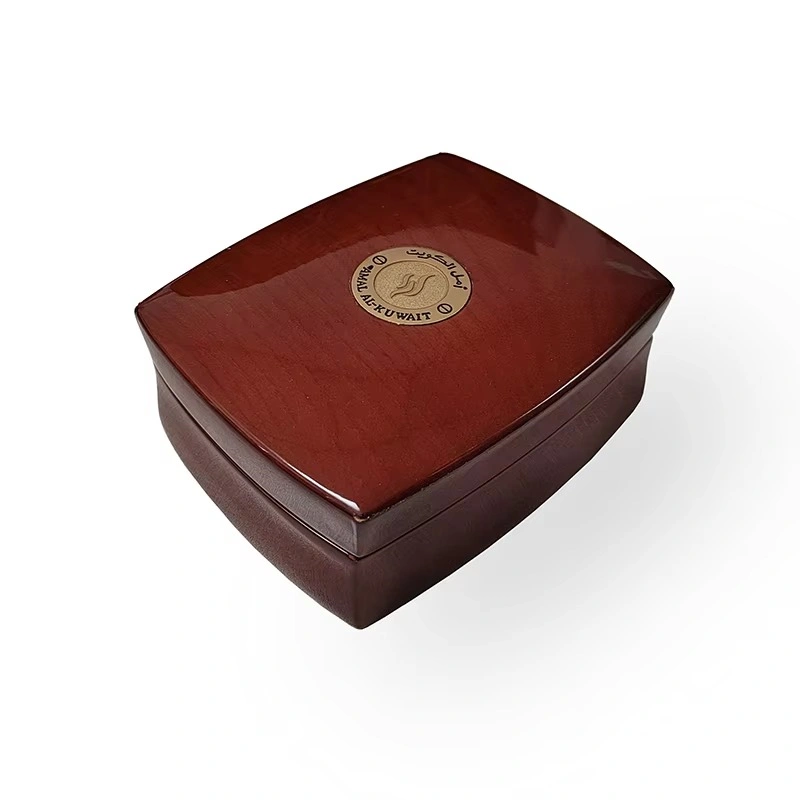
Modern perfume grew fast during the 19th and 20th centuries. New chemistry allowed people to make consistent scents. Synthetic molecules introduced notes nature could not provide. Packaging designers created bottles and boxes that told a brand story.
Major innovators in modern perfume
| Innovator | Contribution |
|---|---|
| François Coty | Modern perfume marketing and bottle design |
| Ernest Beaux | Creator of Chanel No. 5 |
| Edmond Roudnitska | Minimalist and modern scent structures |
| Chemical industry pioneers | Development of aldehydes and synthetic notes |
How innovation changed packaging
I work closely with luxury brands, and I see how packaging follows perfume innovation. When synthetic molecules increased stability, brands created new bottle shapes. When marketing became emotional, brands used wooden boxes to enhance storytelling. The perfume and packaging industries evolved together.
Looking at the future
Today, brands focus on sustainability. This brings wood back into the spotlight. Wooden boxes give perfume a natural and premium feel. They connect modern scent with ancient tradition. My work at WoodoBox often blends these two worlds.
Conclusion
Perfume has no single inventor, but many cultures shaped it through curiosity, science, and art.

 English
  Español
  Português
  Deutsch
  Français
  Italiano
  العربية