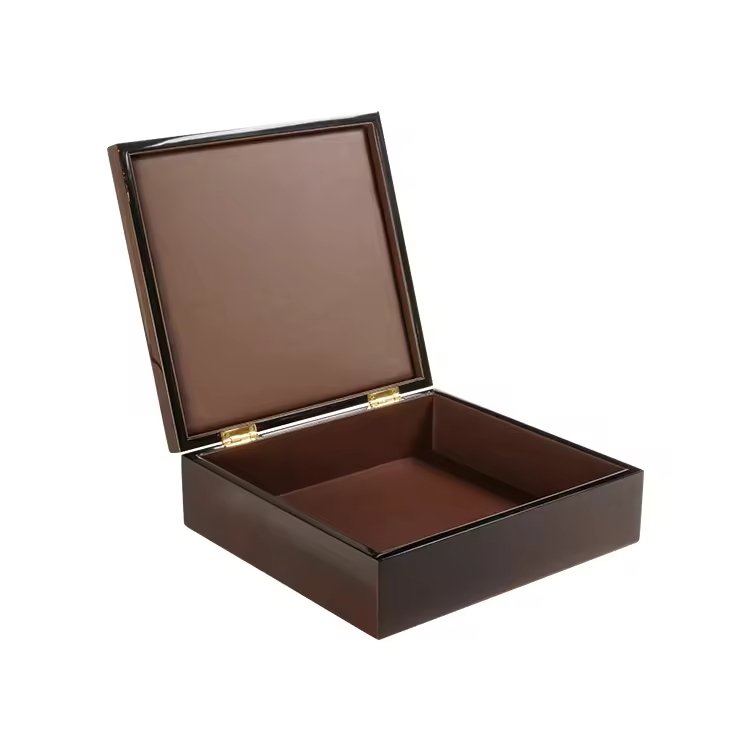
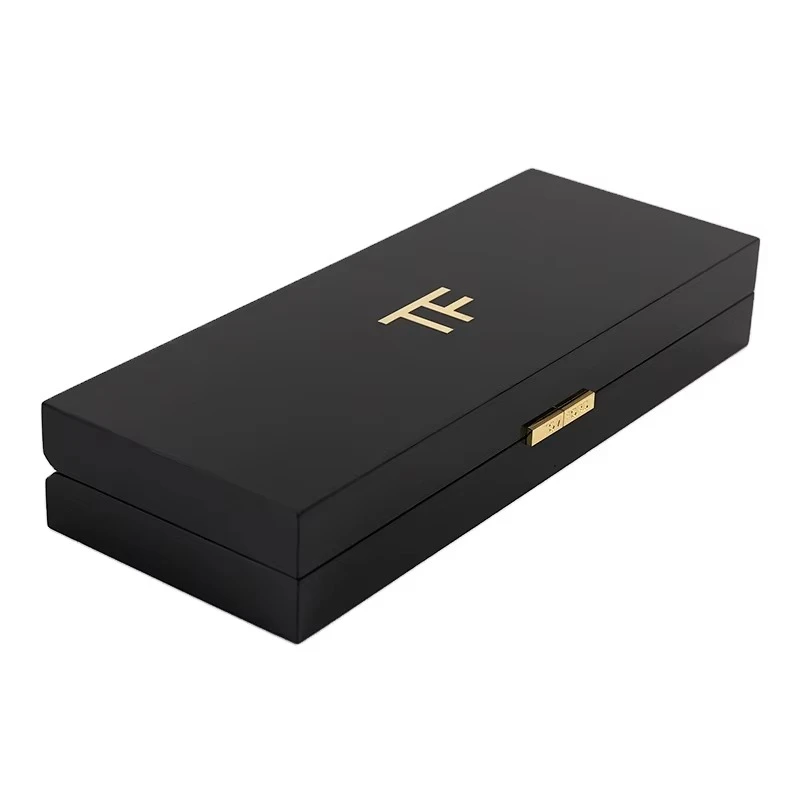
I see many people love perfume but still feel confused about where to spray it for the best effect.
You should apply perfume on warm pulse points, where the scent opens, blooms, and lasts longer in a clean and natural way.
I want to show you the simple rules I learned from perfumers I worked with while building custom wooden perfume box projects for luxury brands.
Which pulse points make perfume smell warmer, richer, and more long-lasting on the skin?
I meet many clients who say their perfume fades too fast because they spray it in the wrong places.
The best pulse points are the neck, wrists, behind the ears, inside the elbows, and the chest, because these areas stay warm and help the scent last longer.
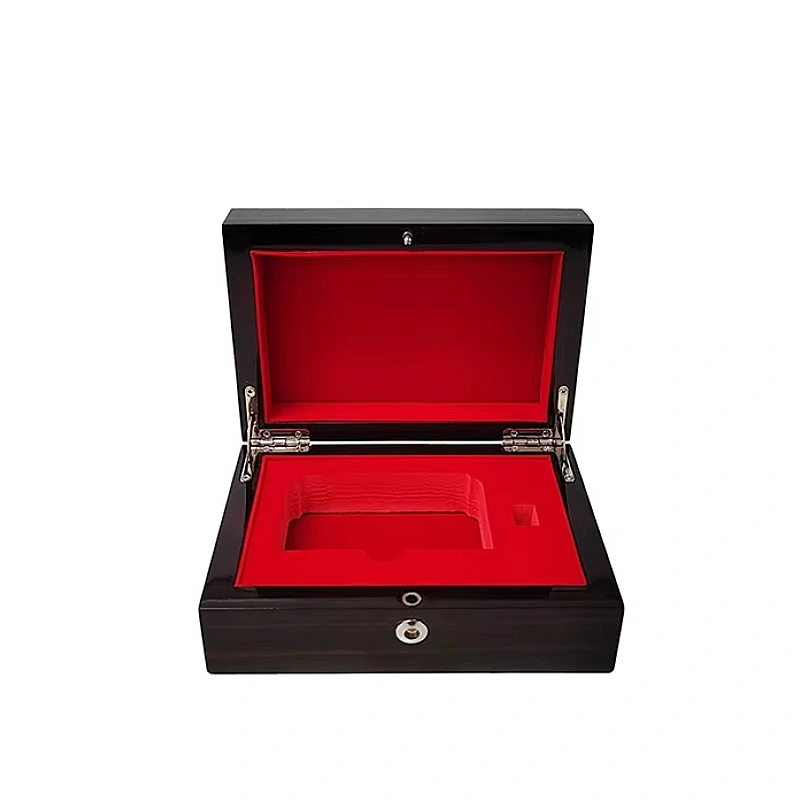
When I work with niche fragrance brands, perfumers often remind me that perfume behaves like a living thing. It reacts to heat and movement. Pulse points are small spots where blood flows close to the skin, so they naturally radiate warmth. This soft heat lifts the fragrance slowly and lets each layer settle in a smooth way. Warmth makes citrus notes brighter, floral notes softer, and woody notes deeper.
How each pulse point works
Here is a simple breakdown of how these points change the scent:
| Pulse Point | Why It Works | Scent Effect |
|---|---|---|
| Neck | Constant warmth | Strong first impression |
| Behind ears | Gentle heat | Soft halo of scent |
| Wrists | Big movement | Clear projection |
| Inside elbows | Warm fold | Smooth, round dry-down |
| Chest | Stable heat | Lasting depth |
Why heat matters in perfume
Heat is the engine that moves perfume through top, heart, and base notes. Without it, the scent stays flat. I learned this from a French perfumer who once ordered custom lacquered perfume boxes from me. He said, “Perfume needs warmth the same way a violin needs vibration.”
When I tested it, I understood. My own perfume felt stronger on warmer skin days. It faded fast when my skin was cool or dry. This is why pulse points matter so much. They give the fragrance the environment it needs to perform well.
How does body movement influence the way your fragrance projects during the day?
Many buyers ask why their morning scent becomes faint by the afternoon.
Perfume projects better on areas that move, because movement pushes air around the scent and lets it spread in a natural way.
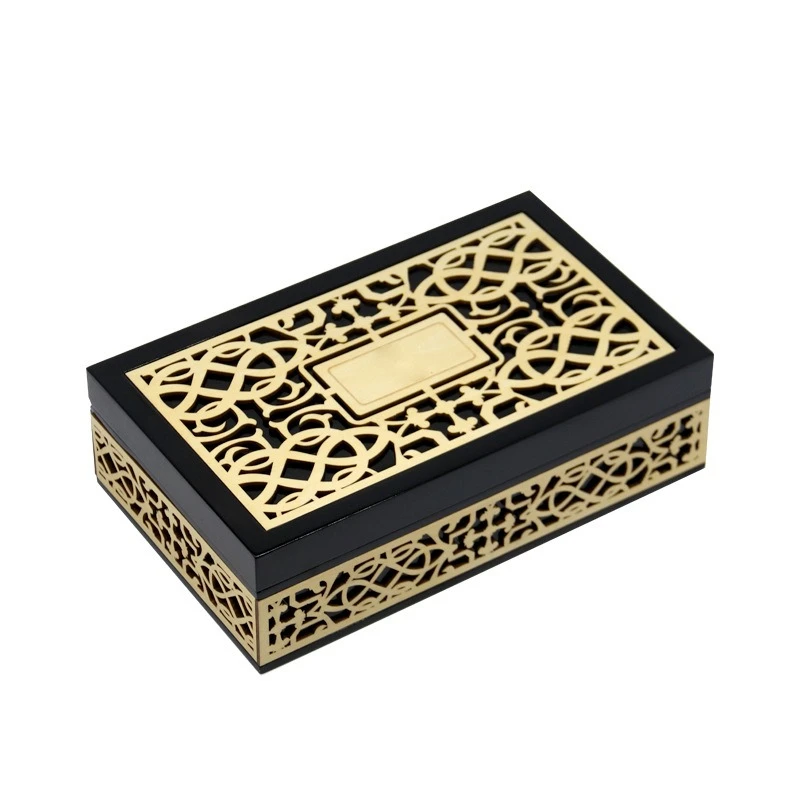
Movement works like a gentle fan. When a body part moves often, the air shifts around it. This movement lifts small amounts of the fragrance and carries it into the air around you.
Key spots where movement helps
Here are areas where movement plays a big role:
| Area | Type of Movement | Scent Result |
|---|---|---|
| Wrists | Constant | Wide projection |
| Behind knees | Walking | Soft trail |
| Shoulders | Upper-body movement | Elegant cloud |
| Hair | Every small motion | Light diffusion |
Why shoulders and behind the knees work
These two areas surprise many people. They are not classic pulse points, but they add elegance to the scent trail.
Shoulders
Perfumers I work with often spray their shoulders lightly before events. When they move, the scent rises around them. It creates a clean, wide aura.
Behind the knees
This spot warms and cools as you walk. It creates a slow release of scent behind you. Middle Eastern clients taught me this trick. They often wear deep oud oils, and this placement helps balance the strong base notes.
How movement changes scent perception
Movement spreads the scent in waves. These waves make the fragrance feel alive. Even if you spray only a small amount, movement lets the scent appear and disappear in a natural rhythm. This is why a light spray on moving areas can make the perfume feel more refined.
Should perfume be worn on skin, clothes, or both—and what are the pros and cons of each?
Many people want long-lasting scent but are unsure where to apply it.
Skin gives a warm, natural evolution, while clothes hold the fragrance longer. Both work well when used with care.
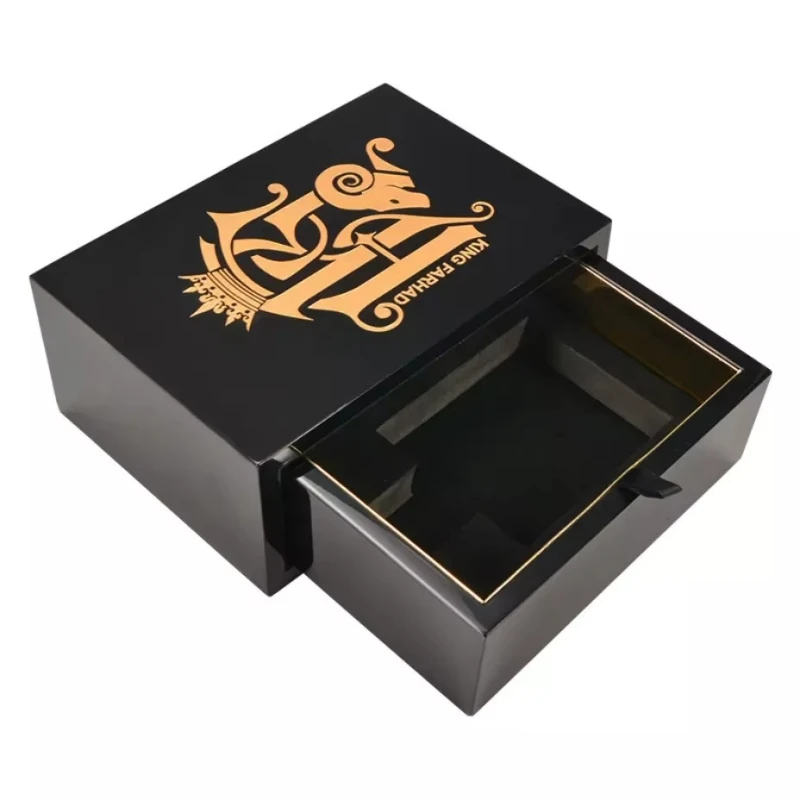
I work with perfume houses that use both techniques. They test scents on skin to study the evolution. They also spray fabric blotters or clothing when they want the scent to last longer during shows or display events.
Skin vs. Clothes: A simple comparison
| Application | Pros | Cons |
|---|---|---|
| Skin | Natural warmth, smooth evolution | Fades faster on dry skin |
| Clothes | Long-lasting, strong projection | May stain delicate fabric |
| Both | Balanced effect | Needs careful spraying |
When skin is best
Skin is the right choice when you want the full story of the perfume. The scent shifts with your heat, mood, hydration, and movement. A perfumer once told me, “Perfume lives on skin. Fabric is only a stage.” Skin makes the perfume feel more personal.
When clothes are best
Clothes help when the scent needs to last for many hours. Fabric holds molecules longer, especially heavy notes like:
- amber
- musk
- oud
- sandalwood
I learned this from clients in Dubai and Riyadh. They often spray both clothes and skin to create a deep and steady presence through the whole day.
The safest way to spray clothes
You can spray clothes from a distance of 30 cm. A fine mist reduces the risk of staining. It is also better on sturdy fabrics like wool, cotton, or jackets. Delicate silk is risky, so I avoid spraying perfume on it.
How do climate and season affect the best places to wear your perfume?
People often do not realize how temperature changes the scent.
Warm climates make perfume bloom faster, so you should apply lightly; cold climates slow it down, so pulse points help the scent open.
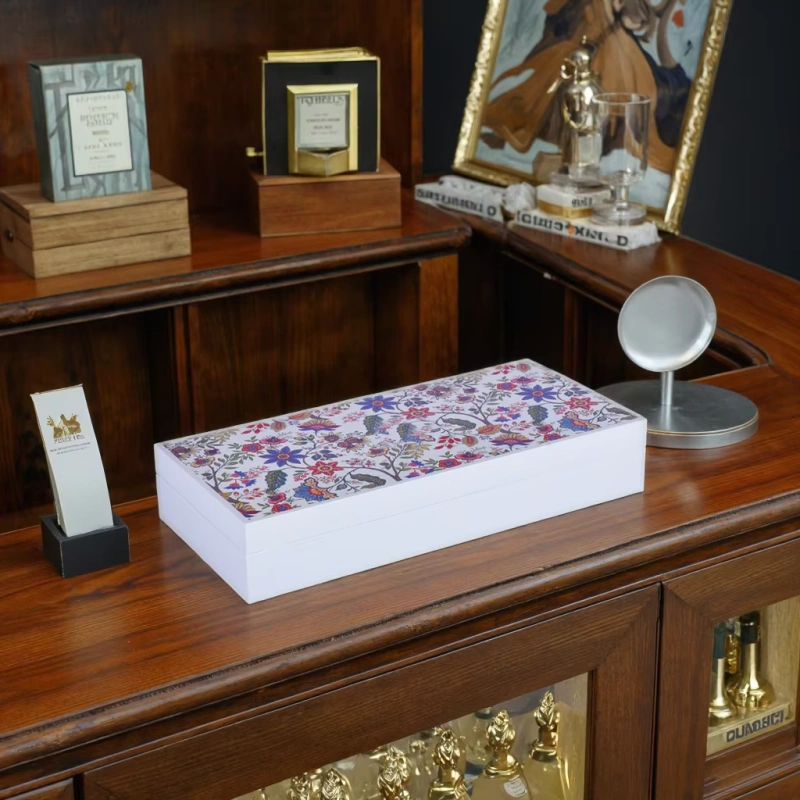
I learned this during my trips to perfume factories in South China and the Middle East. The same perfume smelled completely different in summer and winter.
Climate Impact Table
| Climate | Effect on Perfume | Best Placement |
|---|---|---|
| Hot weather | Scent becomes stronger and spreads fast | Lower body, behind knees, clothes |
| Cold weather | Scent stays tight and soft | Neck, chest, inside elbows |
| Humid weather | Scent feels heavier | Shoulders, fabric mist |
| Dry weather | Scent fades fast | Well-moisturized skin |
Why heat changes everything
Heat pushes the top notes out quickly. Citrus becomes sharp. Florals bloom too fast. This is why strong perfumes can become overwhelming in summer. Perfume sits better on the lower body in warm seasons. These areas stay cooler and allow the scent to rise slowly.
Why cold seasons need pulse points
Cold skin slows diffusion. A perfume can feel “closed.” Pulse points fix this because they add needed warmth. In winter, I always apply perfume to my neck and chest. These spots stay warm under clothing. They help the scent open in a smooth and even way.
Seasonal adjustment
You do not need to switch perfumes every season. You only need to adjust placement. This simple rule helps the fragrance keep its balance no matter the weather.
What mistakes should you avoid to keep your perfume smelling clean, natural, and balanced?
After working with fragrance brands for years, I see many people repeat the same mistakes.
Avoid rubbing perfume, spraying too much, mixing too many scents, or spraying on dry skin if you want a clean and balanced smell.
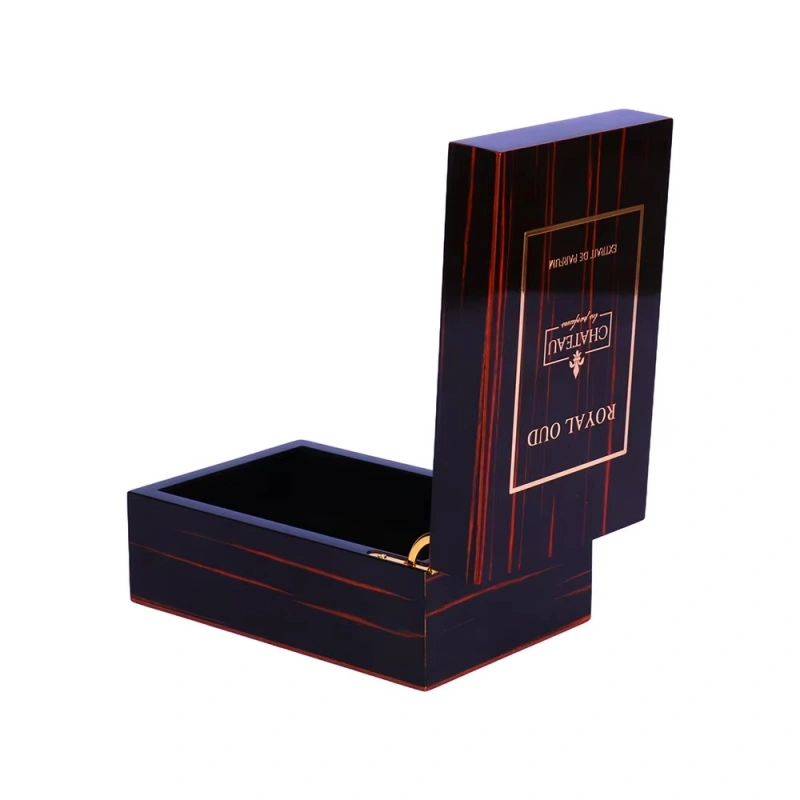
These mistakes change how perfume opens, blooms, and finishes. Even a great perfume can feel cheap if applied the wrong way.
The Common Mistakes List
| Mistake | Why It Hurts the Scent |
|---|---|
| Rubbing wrists | Breaks down molecules |
| Spraying too close | Makes the scent heavy |
| Using too many scents | Confuses the nose |
| Spraying on dry skin | Reduces longevity |
Why rubbing is harmful
Rubbing heats the skin too fast. It crushes the top notes. You lose the fresh opening. A perfumer once told me, “Rubbing kills the birth of the perfume.” I stopped rubbing after that day.
Why spraying too much is a problem
Perfume needs air to breathe. When you spray too close or too heavy, the scent becomes dense. It loses shape. A light mist is always better. It creates space for top, middle, and base notes to move.
Why dry skin shortens longevity
Dry skin absorbs perfume fast. It cannot hold the scent. A simple solution is to moisturize before spraying. Even unscented lotion helps. This small step can double the lasting power of the fragrance.
Conclusion
Perfume performs best when sprayed on warm points, balanced with movement, and adjusted with season and care.

 English
  Español
  Português
  Deutsch
  Français
  Italiano
  العربية