
I see many beginners confuse cigars and cigarettes, and this often leads to wrong choices.
Cigars use whole aged tobacco leaves, while cigarettes use shredded tobacco with additives. Cigars focus on flavor and ritual, and cigarettes focus on fast nicotine delivery.
I want to show you why these two products belong to very different worlds, and how this difference shapes the experience, the culture, and even the packaging.
How Do the Materials and Tobacco Types Used in Cigars and Cigarettes Differ?
Many new smokers think cigars and cigarettes use similar tobacco, and this creates misunderstandings.
Cigars use whole-leaf tobacco that is aged and fermented, while cigarettes use cut tobacco mixed with additives for a fast, uniform burn.

Cigars come from whole tobacco leaves. I work with cigar brands every day, and I see how they select leaves by hand. These leaves come from different parts of the plant. Each part gives its own taste, color, and burn level. The wrapper, binder, and filler all come from whole leaves. These layers create depth in every draw. The leaves go through long aging and fermentation. This process removes harsh notes and builds natural flavor.
Cigarettes do not follow this method. Cigarettes use shredded tobacco pieces, often called “cut rag.” Manufacturers mix tobacco from many places to keep the taste consistent. Additives control burn speed, moisture, and flavor. This makes production predictable but removes the natural complexity found in cigars.
Types of Tobacco Used
| Product | Tobacco Type | Processing | Flavor Result |
|---|---|---|---|
| Cigars | Whole leaves | Long aging + fermentation | Deep, natural, layered |
| Cigarettes | Cut rag tobacco | Mixed + additives | Uniform, quick-burning |
H3: Why Whole Leaves Matter
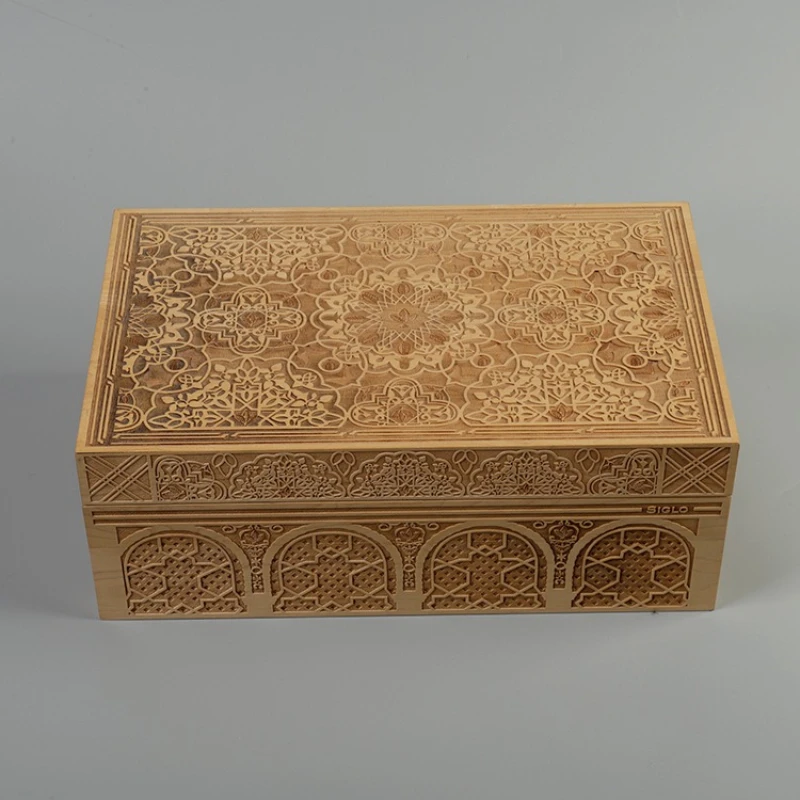
Whole leaves burn slower. They give aroma, oils, and structure. When I design wooden cigar boxes, I always consider humidity because these leaves respond to moisture. This is why cigar storage matters so much.
Cigarettes are different. Their tobacco does not need aging. It burns fast and produces smoke made for inhaling. The goal is speed, not flavor. This is why cigarettes never need humidors or wooden boxes. They react badly to moisture, and even a small change affects their burn.
Cigars and cigarettes may sit near each other in a store, but their materials come from totally different crafts. When you understand the tobacco itself, the rest of their differences make perfect sense.
Why Are Cigars Designed for Savoring While Cigarettes Are Made for Quick Consumption?
Many beginners smoke a cigar like a cigarette. This ruins the experience.
Cigars burn slowly and deliver flavor through the mouth, while cigarettes burn fast and deliver nicotine through inhalation.
Cigars are slow because whole leaves burn slowly. This gives time for aroma and oils to release. I often see buyers compare cigars by burn time because it shows craftsmanship and leaf quality. Cigars are made for moments of rest. You sit down. You enjoy the smell. You do not rush.
Cigarettes fit modern fast habits. They burn fast, usually in a few minutes. This comes from thin paper, cut tobacco, and additives that keep the burn stable. Cigarettes serve nicotine needs, not ritual.
H3: The Role of Complexity
Cigars give changing flavors. The first third, second third, and final third may taste different. Cigarette flavor stays almost the same from start to finish.
H3: Why the Experience Matters
When I craft luxury cigar boxes, clients often ask to highlight slow enjoyment. The box itself becomes part of the ritual. You open it, smell the aroma, and choose your cigar. Cigarettes never have this experience because the product is not made for savoring.
How Do Nicotine Levels and Absorption Compare Between Cigars and Cigarettes?
People often assume cigarettes contain more nicotine because they feel stronger. This is misleading.
Cigars contain much more total nicotine, but far less is absorbed because cigar smoke stays in the mouth instead of the lungs.

A single full-size cigar can hold as much tobacco as an entire pack of cigarettes. This means higher total nicotine inside the cigar. But the key difference is absorption. Cigarette smoke goes into the lungs. Lungs absorb nicotine fast. Cigars do not work that way. Their smoke stays in the mouth. The mouth absorbs nicotine slowly.
H3: Nicotine Differences
| Product | Total Nicotine | Absorption Method | Effect |
|---|---|---|---|
| Cigars | High | Mouth | Slow, mild |
| Cigarettes | Medium | Lungs | Fast, strong |
H3: Why Absorption Matters
Cigar makers want flavor. They want aroma and texture. They do not design cigars for fast nicotine delivery. Cigarettes focus on speed. This is why cigarettes use thin paper and additives.
When I talk with cigar buyers, they never choose cigars based on nicotine. They choose cigars based on wrapper type, ring gauge, aging, and aroma. This difference in purpose makes the nicotine comparison simple: cigars hold more, but your body takes in less.
What Distinguishes the Smoking Techniques for Cigars vs. Cigarettes?
I often see beginners inhale a cigar on their first try. This leads to discomfort and nausea.
Cigars are puffed and savored in the mouth, while cigarettes are inhaled into the lungs for fast nicotine absorption.

The smoking technique follows the product’s design. Cigar smoke is thick, oily, and flavorful. You pull it into your mouth. You taste it. You enjoy it. Then you release it. You never inhale. Your lungs are not meant for this heavy smoke.
Cigarette smoke is thin and made for inhaling. It delivers nicotine fast. People smoke cigarettes to meet a craving, not for taste.
H3: Why Technique Shapes Enjoyment
A cigar rewards slow technique. If you puff too fast, it overheats. This ruins the flavor. Cigarettes do not have this issue because they burn fast by design.
H3: Tools and Ritual
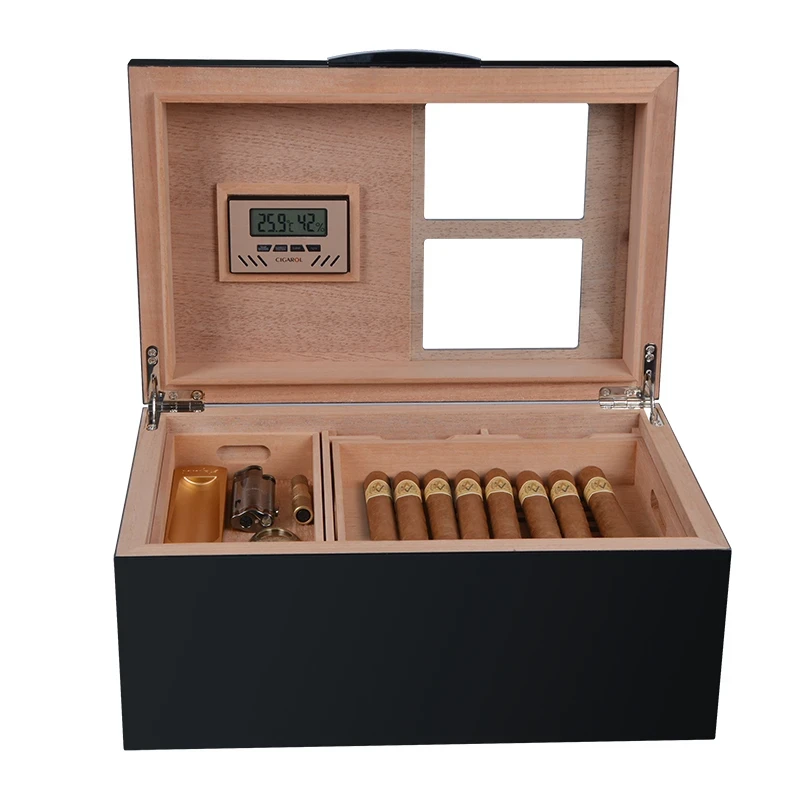
Cigars need cutters, lighters, and sometimes a humidor. Cigarettes do not. Cigars require preparation. This makes the experience personal and calm. This is one reason cigar clients often ask for premium wooden boxes to hold and present their cigars. The ritual starts when you open the box.
How Do Packaging, Storage, and Aging Requirements Set Cigars Apart?
This is where my 15+ years of experience as a wooden cigar box maker shows me the biggest difference.
Cigars need aging, humidity control, and protective wooden packaging, while cigarettes need none of these.
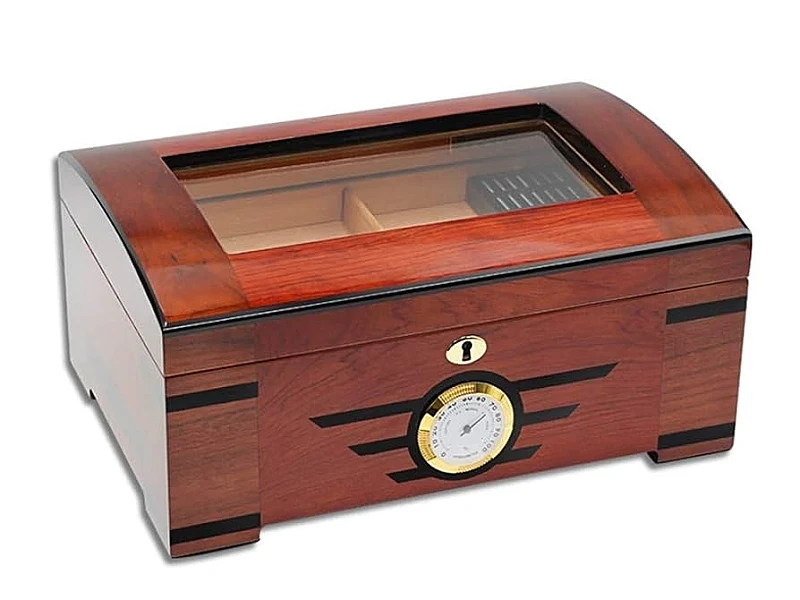
Cigars continue to age after production. They need humidity between 65% and 72%. They need airflow. They need wood that can breathe. Spanish cedar is the most common wood. I work with it every day. It helps protect cigars from pests and supports slow aging.
Cigarettes do not age. They do not improve over time. They do not need wood. Cardboard boxes are enough because cigarettes react badly to moisture and do not benefit from long storage.
H3: Why Wood Matters
Wood absorbs and releases humidity. It keeps cigars stable. A good cigar box is part of the product. It helps the leaves settle and mature. Many luxury brands ask me to design boxes that look beautiful but still breathe. This is a balance between art and function.
Humidor vs. Cigarette Box
| Feature | Cigars | Cigarettes |
|---|---|---|
| Aging | Yes | No |
| Storage | Humidor required | Any dry environment |
| Packaging | Wooden boxes | Paper boxes |
| Shelf Life | Improves with time | Gets stale |
H3: How Aging Changes Flavor
Cigars change in taste over months or years. This is why buyers often ask for boxes with cedar lining, removable trays, and precise construction. Cigarettes do not age. They lose moisture and turn harsh.
This is the final line between two different products. Cigars live and breathe. Cigarettes do not.
Conclusion
Cigars focus on craft, flavor, and ritual, while cigarettes focus on fast and simple use.



 English
  Español
  Português
  Deutsch
  Français
  Italiano
  العربية