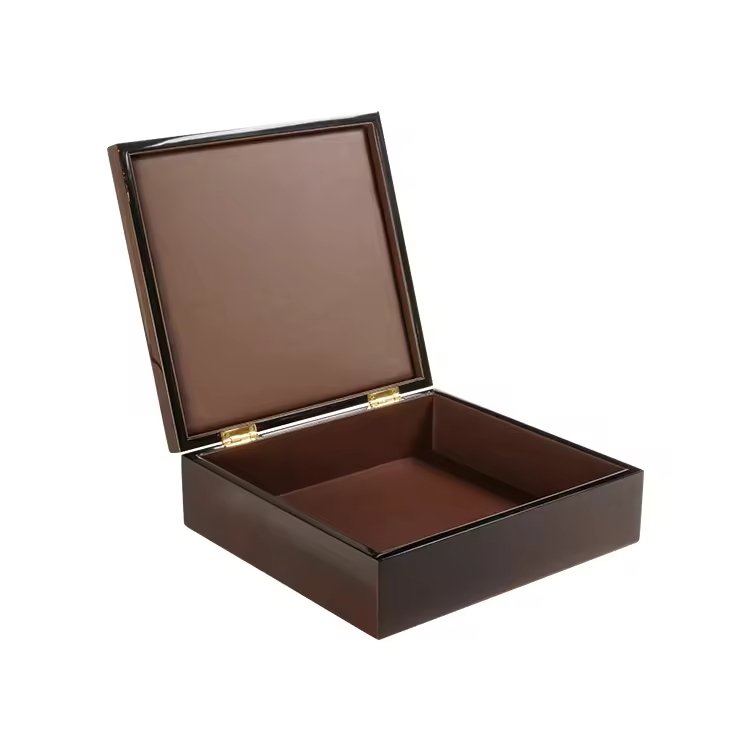
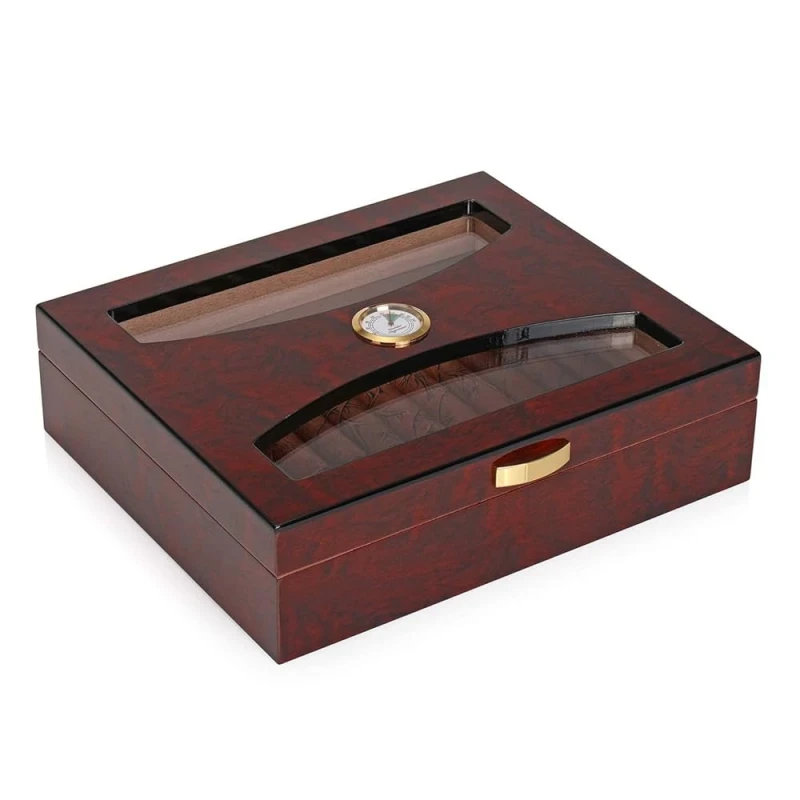
I see many buyers struggle because their cigars dry out or absorb strange smells from the wrong wood.
Spanish cedar is the best wood for cigar boxes because it controls moisture, protects against beetles, and improves cigar aging while adding a clean, pleasant aroma.
I want to show you how each wood behaves so you can choose the one that truly fits your brand and your cigars.
Why Is Spanish Cedar Considered the Gold Standard for Cigar Boxes?
I talk with many cigar brands that face mold, beetle problems, or uneven humidity because they choose the wrong wood.
Spanish cedar is the gold standard because it keeps humidity steady, blocks beetles, and adds a natural aroma that helps cigars age in a stable way.
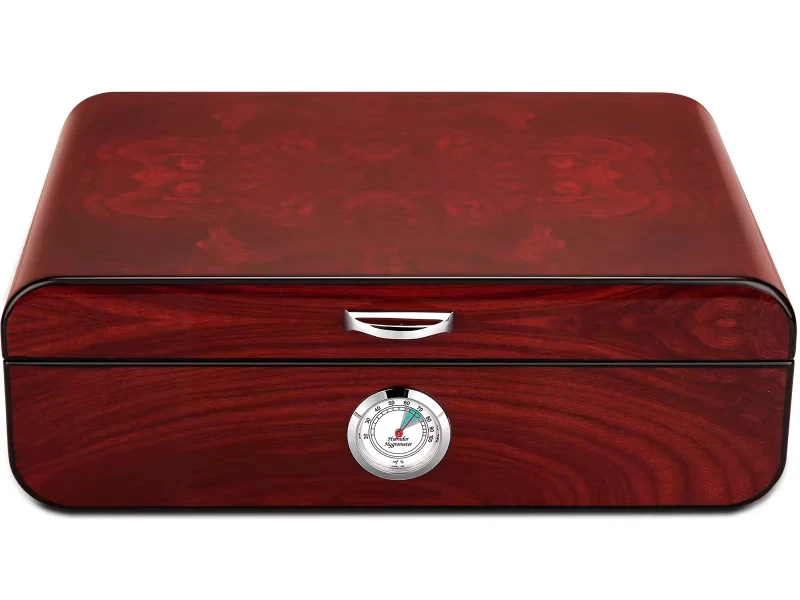
Spanish cedar has been the core of professional humidor design for decades. I saw this again and again in our factory. The wood absorbs moisture and releases it in a slow and steady way. This keeps the humidity inside the box closer to the ideal range. I also like that its natural oil gives cigars a clean and warm smell that helps the cigar rest during storage.
Why Spanish Cedar Works Well
Spanish cedar has three strong features. It controls moisture. It blocks tobacco beetles. It gives a nice aroma. Many cigar makers pay more for it because they want a stable environment for premium cigars. The wood does not warp easily inside a humidor.
Here is a simple table that shows what Spanish cedar does best:
| Feature | Benefit |
|---|---|
| Moisture control | Keeps cigars from drying or swelling |
| Aroma | Adds a warm and clean scent |
| Beetle resistance | Natural protection against tobacco beetles |
| Stability | Reduces warping in humid conditions |
My Own Experience with Spanish Cedar
I started using Spanish cedar for high-end clients more than ten years ago. Many clients came to me with boxes made from cheaper woods that smelled like chemicals. Their cigars took on the wrong notes. When we switched to Spanish cedar, the taste and aroma of their cigars stayed clean. Many buyers wrote back to tell me the improvement was clear.
Spanish cedar costs more. But it gives the best long-term results for premium cigar brands.
How Do Mahogany and Other Hardwoods Compare to Spanish Cedar in Performance?
Many buyers worry because Spanish cedar can be expensive or hard to source in large quantities.
Mahogany and similar hardwoods give good stability and a clean smell, but they do not control moisture or resist beetles as well as Spanish cedar.
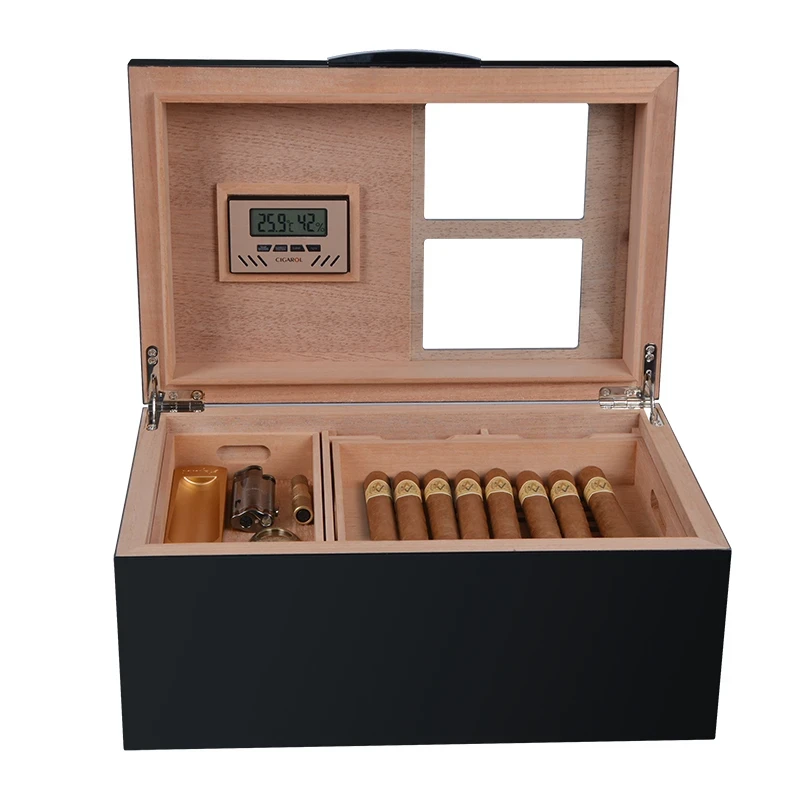
Mahogany is a strong and stable wood. I like to use it for brands that want a premium look without the higher cost of Spanish cedar. It does not have the same aroma. It also does not hold moisture in the same slow and steady way. Still, it is a safe option for simple cigar packaging.
Comparing Mahogany to Spanish Cedar
I see mahogany used in many luxury boxes outside the cigar world. It has a fine grain and a premium look. When I combine mahogany with a thin layer of Spanish cedar lining, I get a nice balance between cost and function.
Here is a clear comparison:
| Wood | Moisture Control | Aroma | Beetle Protection | Cost Level |
|---|---|---|---|---|
| Spanish Cedar | Excellent | Warm, pleasant | Strong | High |
| Mahogany | Medium | Clean and mild | Weak | Medium |
| Walnut | Medium | Slight | Weak | Medium–High |
| Maple | Low | Neutral | Weak | Medium |
When I Recommend Mahogany
I recommend mahogany when the brand wants style and durability but does not need full humidor-level performance. Some clients use it for gift boxes or limited edition cigars. It works well when cigars will not be stored for months. It also takes high-gloss piano paint very well, and many of my clients love that surface effect.
What Role Do Aroma and Moisture Control Play in Choosing the Best Wood?
Many cigar buyers complain that the cigars taste different after weeks in storage because the box fails to keep the right environment.
Aroma and moisture control matter because they protect cigar flavor, prevent mold, and keep cigars aging in a stable way.
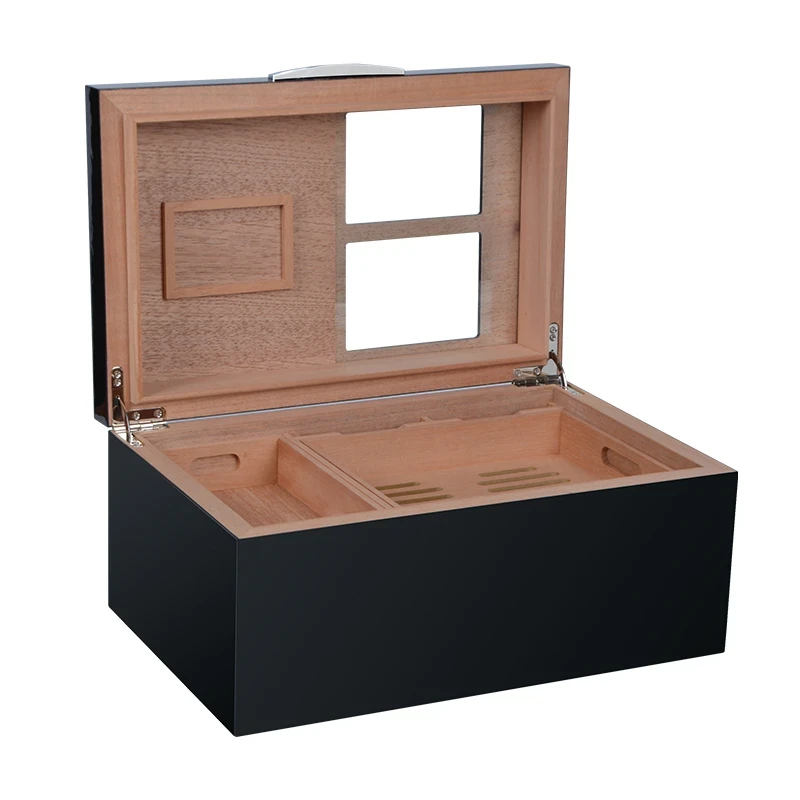
Cigars behave like sponges. They absorb air, scent, and humidity from their surroundings. If the wood gives off a strong or unpleasant smell, cigars take it in. If the moisture level jumps up and down, cigars crack or become too soft.
Aroma Matters More Than Most Buyers Think
I have tested many woods over the years. Some smell sweet. Some smell sharp. Some have resin that can ruin the fragrance of a cigar. Spanish cedar gives a mild and warm smell that blends well with tobacco. Mahogany gives almost no smell, which is safe but not helpful.
Moisture Control Protects the Cigar
Cigars need a humidity level close to 65–70%. Good wood helps keep that level steady. This is why Spanish cedar is used inside humidors. It holds water inside its fibers and releases it slowly.
Here is a simple chart that explains what happens:
| Condition | Result |
|---|---|
| Too dry | Cigars crack and burn fast |
| Too wet | Mold grows and cigars swell |
| Unstable humidity | Cigar wrapper loosens or tightens |
| Stable humidity | Cigars age slowly and stay smooth |
A cigar box is not a full humidor. But the wood still helps keep the internal environment safe.
Why I Focus So Much on Aroma and Moisture
I learned from one early client who ordered a large batch of boxes made with a strong-scented Asian hardwood. The cigars developed a bitter aftertaste. The brand lost customers. After that, we switched them to Spanish cedar lining. The complaints stopped. Aroma is a small detail with big impact.
Can Budget-Friendly Woods Deliver Good Protection for Cigars?
Some brands feel pressure because they want good protection but cannot afford full Spanish cedar.
Budget-friendly woods like okoume, pine, or MDF with veneer can protect cigars for short-term storage, but they do not match the aroma or moisture benefits of Spanish cedar.
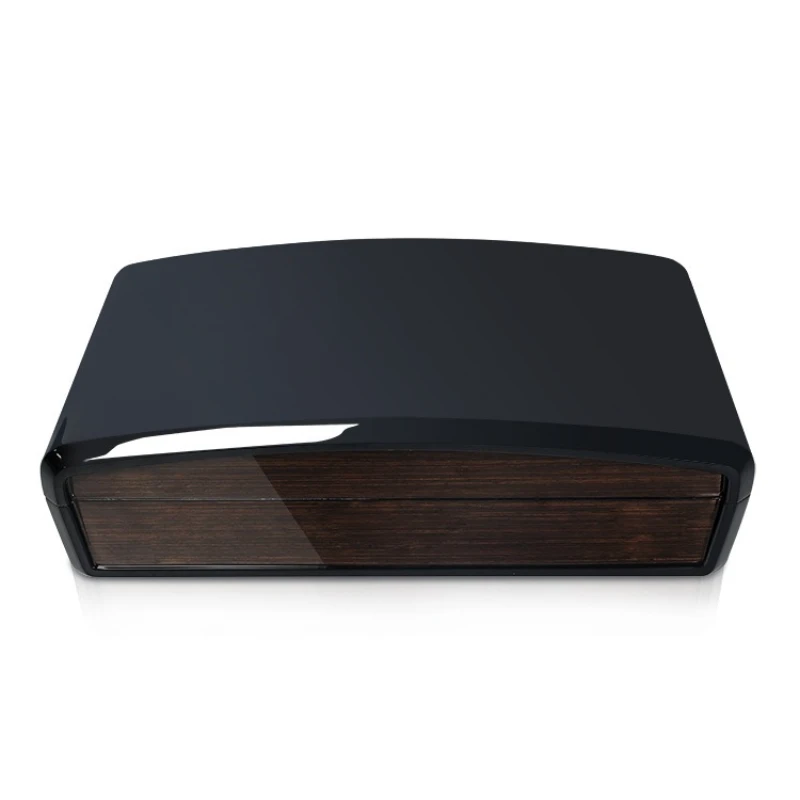
I work with many new cigar brands and distributors. They often start with lower-cost materials because they need to control the budget. Okoume and pine are two common choices. MDF with real wood veneer is also very popular because it looks premium and keeps cost low.
When Budget Woods Work
Budget woods work well for:
- Retail display boxes
- Gift sets
- Samplers
- Short-term shipping
They are safe when cigars do not stay inside for long. Okoume looks clean, light, and premium. Pine is soft but easy to finish. MDF is stable and perfect for high-gloss finishes.
Table: How Budget Woods Perform
| Wood | Aroma | Moisture Control | Appearance | Cost |
|---|---|---|---|---|
| Okoume | Mild | Low | Clean and premium | Low |
| Pine | Resin smell | Low | Natural and simple | Low |
| MDF + Veneer | Neutral | Very low | Very premium | Low |
What I Tell New Brands
I often tell new brands to start with MDF or okoume. Then, when their sales grow, they upgrade to Spanish cedar. This step-by-step method helps them keep cost stable while improving box performance over time. It keeps the brand flexible and protects their cash flow.
How Do Brand Positioning and Product Goals Influence Your Wood Selection?
Many buyers ask me which wood they should choose. I always tell them the answer depends on their brand story and their price point.
Your wood choice should match your brand level, your cigar quality, and your customers’ expectations so the box supports your market position.
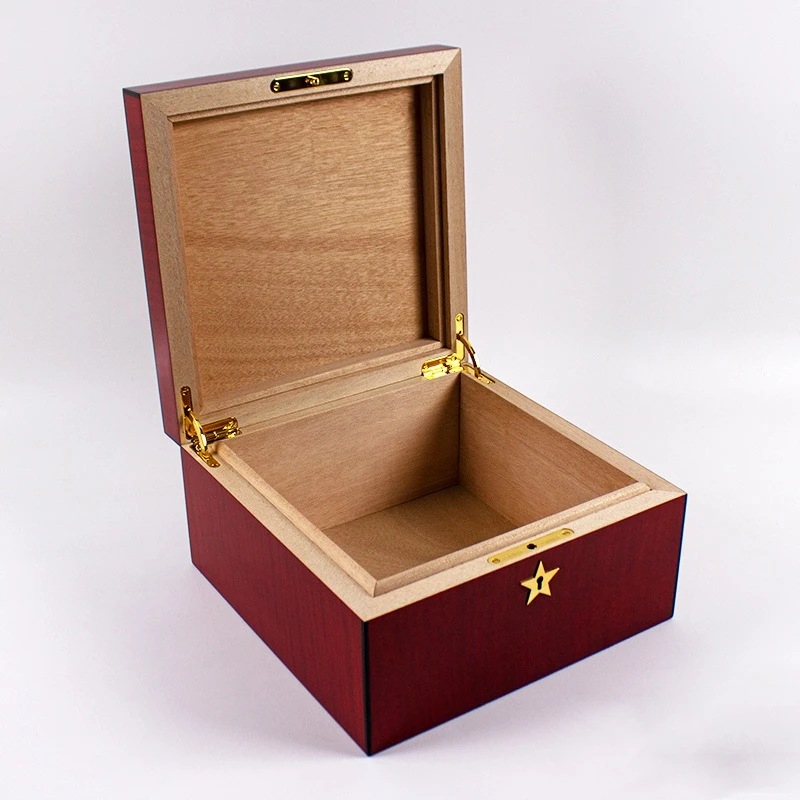
A luxury cigar needs a box that feels premium. A daily cigar needs cost control. A gift cigar needs visual impact. This is why I never give one fixed answer. Wood is part of branding.
How I Match Wood to Brand Levels
Here is a simple framework:
| Brand Level | Wood Choice | Reason |
|---|---|---|
| Ultra Premium | Full Spanish Cedar | Best aging and aroma |
| Premium | Mahogany + Cedar Lining | Cost balance and performance |
| Mid-Range | Okoume or MDF + Cedar Lining | Good look, controlled cost |
| Entry-Level | MDF or Pine | Simple and economical |
Why Brand Goals Matter
I ask brands one key question:
“How do you want customers to feel when they open your cigar box?”
The wood helps create that feeling. Spanish cedar feels warm and traditional. Mahogany feels classy. MDF with high-gloss paint feels modern and clean.
A Story from My Workshop
One customer wanted a premium look but had a tight budget. We designed a mahogany box with a thin Spanish cedar lining. It looked high-end and gave enough aroma and moisture support. Their customers loved it. The brand grew, and one year later, they upgraded to full Spanish cedar.
Good wood selection grows with the brand.
Conclusion
Choose the wood that fits your cigar, your brand level, and your story.


 English
  Español
  Português
  Deutsch
  Français
  Italiano
  العربية