Many people see the word “straight” on a bourbon label and feel unsure. It sounds serious, even intimidating, and often raises more questions than answers.
Straight bourbon whisky is bourbon made under stricter legal rules, with no added flavors or colors, and aged long enough for the character to come only from grain, barrel, and time.
From my 15+ years working with high-end brands, I’ve learned that when a product chooses stricter rules, it’s usually protecting honesty—not trying to impress.
What does the word “straight” really mean in straight bourbon whisky?
This word carries weight, but its meaning is very precise.
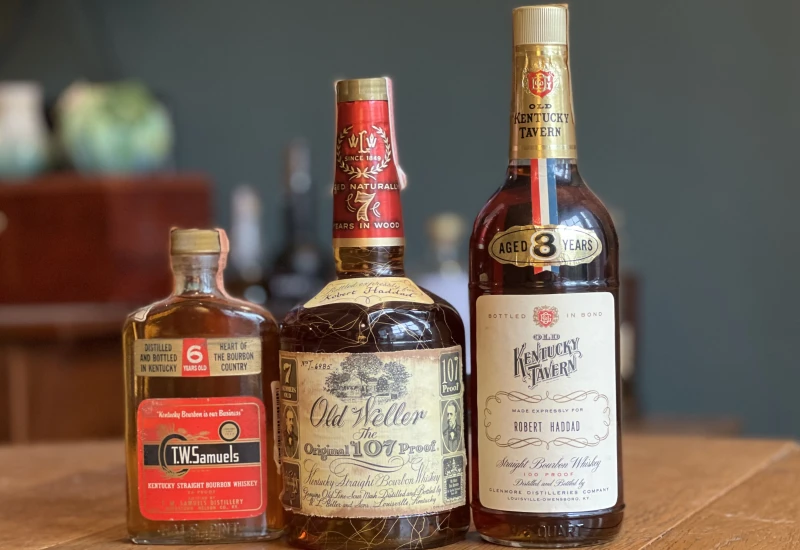
“Straight” means the bourbon is aged for at least two years and contains no added flavors, colors, or additives of any kind.
What “straight” allows and forbids
Straight bourbon may include:
- bourbon distilled from grain
- aging in new charred oak barrels
- water added to adjust proof
Straight bourbon may not include:
- caramel coloring
- flavor additives
- blending agents
Nothing is allowed to disguise the spirit.
Why this matters to drinkers
The word “straight” tells you that:
- flavor comes only from process
- sweetness comes from corn and wood
- color comes from the barrel
There are no shortcuts.
Common misunderstanding
Straight does not mean:
- single barrel
- higher proof
- better quality by default
It means honest composition.
My craftsmanship comparison
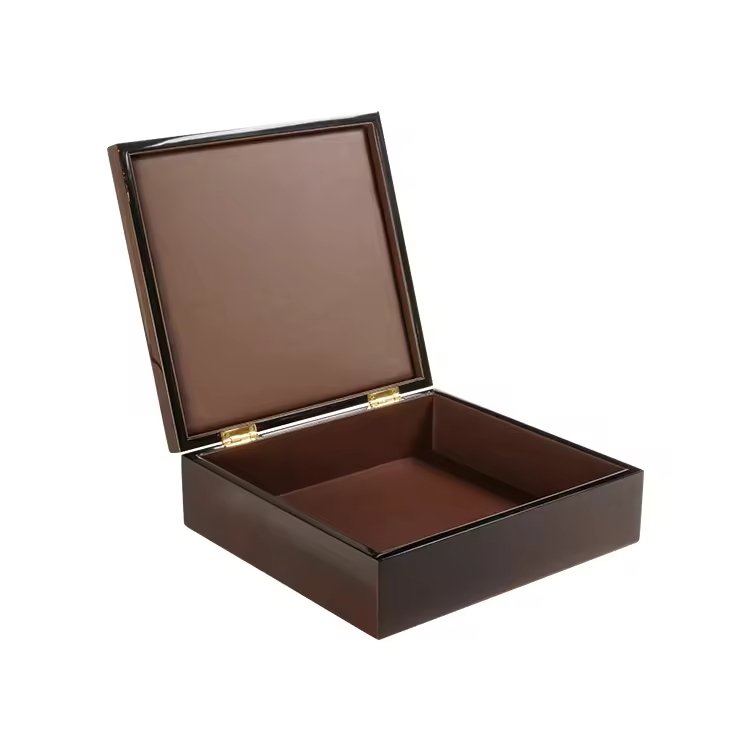
In wooden box manufacturing, “solid wood” does not mean fancy. It means transparent. Straight bourbon carries the same message.
How is straight bourbon different from regular bourbon?
This difference is subtle but important.
All straight bourbon is bourbon, but not all bourbon qualifies as straight bourbon.
Regular bourbon rules
All bourbon must:
- be made in the United States
- contain at least 51% corn
- be aged in new charred oak barrels
- meet strict distillation proof limits
What straight bourbon adds
Straight bourbon adds:
- minimum two years aging
- zero additives beyond water
- labeling transparency for younger age
Why producers choose “straight”
Using the word “straight” is voluntary. Producers use it when they want to signal discipline and confidence.
A clear comparison
| Category | Additives Allowed | Minimum Aging |
|---|---|---|
| Bourbon | possibly yes | none |
| Straight bourbon | no | 2 years |
My perspective
Choosing stricter rules is never about marketing noise. It’s about setting boundaries that protect trust.
What legal rules must straight bourbon whisky follow?
This category exists because of law, not opinion.
Straight bourbon whisky must follow strict U.S. legal standards covering grain content, aging, additives, and labeling.
Core legal requirements
Straight bourbon must:
- be produced in the U.S.
- use at least 51% corn
- be distilled below a fixed proof limit
- enter barrels at a regulated strength
- age in new, charred oak barrels
- age at least two years
Age statement rule
If aged less than four years, the label must clearly state the age. This protects consumers from assumptions.
Why these rules exist
These rules prevent:
- artificial flavor masking
- misleading labels
- inconsistent quality
They create a shared standard.
Trust through structure
In regulated industries, rules protect both producers and buyers. I see this clearly in premium manufacturing as well.
Does straight bourbon taste different from other whiskies?
Taste is subjective, but patterns exist.
Straight bourbon often tastes cleaner and more direct because nothing is added to adjust or hide its natural profile.
Common flavor traits
Straight bourbon often shows:
- corn sweetness
- vanilla and caramel from oak
- spice from char and aging
What you taste is what the process created.
What you won’t find
You usually won’t find:
- artificial sweetness
- added color depth
- flavored finishes
This creates clarity.
Why “clean” does not mean “simple”
Clean flavor allows detail to stand out. Subtle differences become easier to notice.
My material analogy
In woodworking, untreated wood shows grain honestly. You see strengths and flaws clearly. Straight bourbon does the same.
Why do serious whisky drinkers prefer straight bourbon?
This preference grows with experience.
Many serious whisky drinkers prefer straight bourbon because it offers transparency, integrity, and a direct connection to craftsmanship.
Trust builds loyalty
When nothing is added, drinkers trust what they taste. That trust encourages long-term appreciation.
Consistency matters
Straight bourbon gives a reliable reference point. This helps drinkers compare styles and producers meaningfully.
Discipline over decoration
Experienced drinkers often move away from novelty and toward honesty. Straight bourbon reflects that mindset.
My personal observation
In my industry, mature clients stop asking for more features. They ask for fewer compromises. Straight bourbon fits that evolution perfectly.
Conclusion
Straight bourbon whisky is bourbon made with stricter rules, no additives, and clear transparency. Its value comes from discipline, honesty, and respect for process—not from excess.
WoodoBox
Custom Wooden Boxes, Crafted to Perfection



 English
  Español
  Português
  Deutsch
  Français
  Italiano
  العربية