I see many people confused about EDT. This confusion often makes them pick the wrong scent for their daily life.
EDT means a lighter fragrance with a moderate oil concentration. It gives a fresher scent and works well for daily use or warm weather.
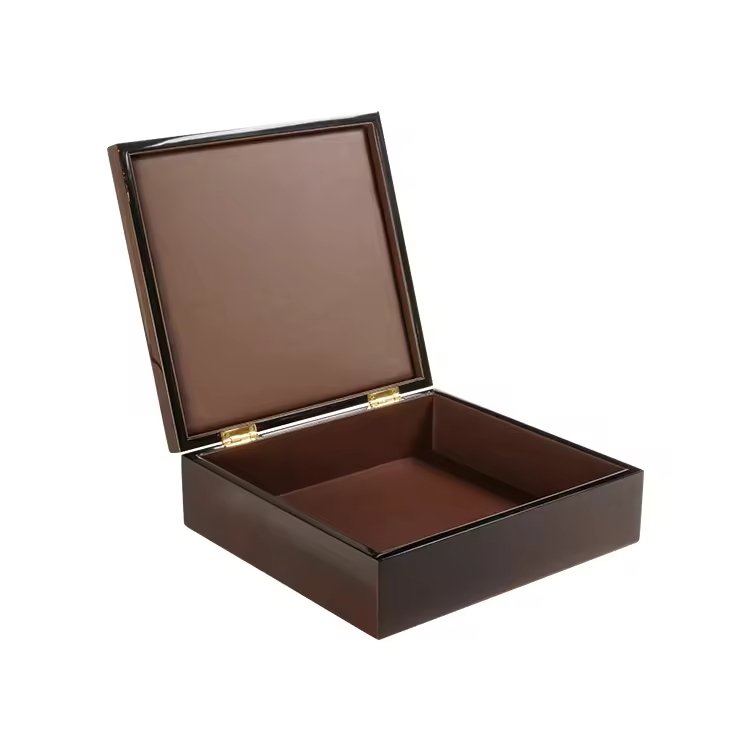
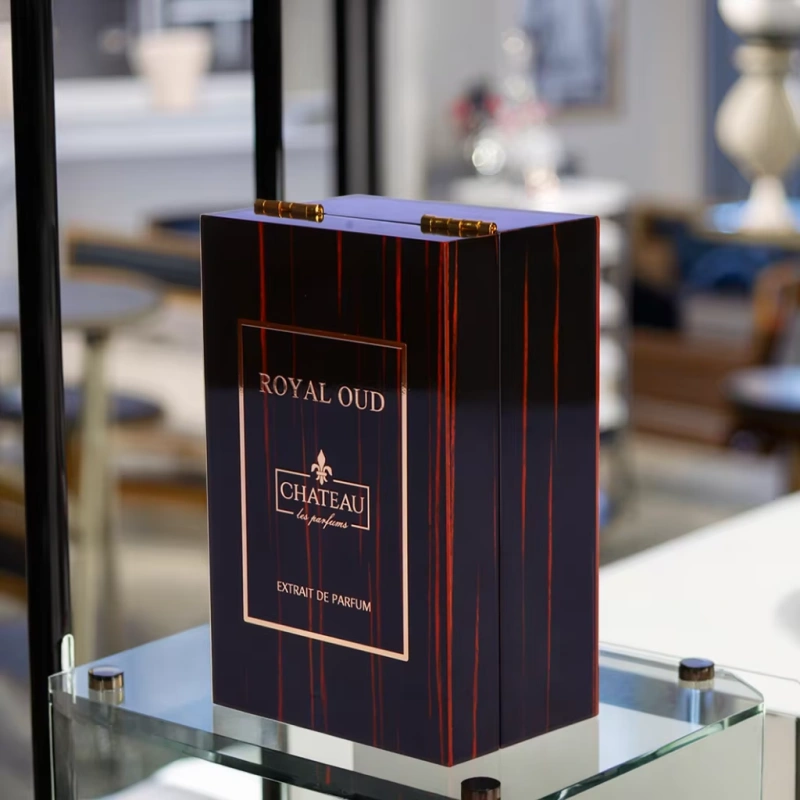
I want to explain EDT in a simple way. I will also connect it with my experience in crafting luxury wooden boxes. Both require balance, precision, and a clear purpose.
What does “Eau de Toilette (EDT)” really mean in the world of fragrances?
Many fragrance users feel lost when they see different labels. They see EDP, EDT, and parfum, and they do not know what these words mean.
EDT refers to a fragrance with about 8–12% perfume oil. This gives it a light, fresh scent that sits gently on the skin.
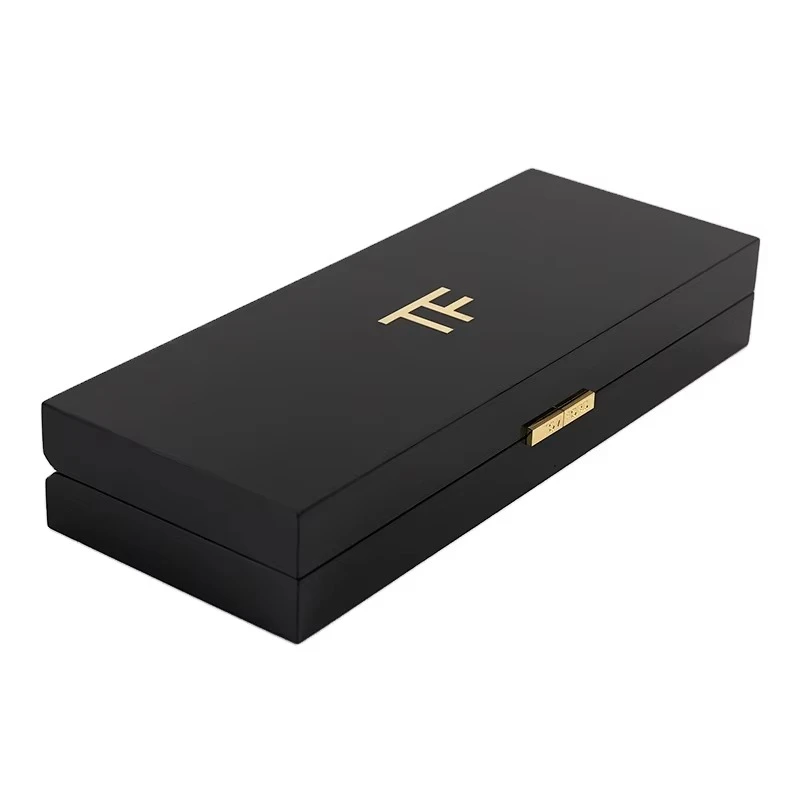
When I design high-end wooden boxes, I work with many types of finishes. Some finishes are heavy and bold. Others are light and subtle. EDT is like a subtle finish. It gives character without too much weight.
What Makes EDT Unique?
EDT stands between a very light body spray and a stronger EDP. It offers a clean scent. It does not overwhelm people around you. It also does not disappear too fast if made well.
Understanding the Concentration Levels
Here is a simple table to compare fragrance types:
| Type | Typical Oil Concentration | Scent Strength | Longevity |
|---|---|---|---|
| Parfum | 15–25% | Strong | Long |
| Eau de Parfum (EDP) | 12–18% | Medium-Strong | Moderate-Long |
| Eau de Toilette (EDT) | 8–12% | Light-Medium | Medium |
| Eau de Cologne (EDC) | 3–7% | Very Light | Short |
Why This Matters for Buyers
I talk to many clients who want packaging for perfume brands. They often ask for boxes that match the product story. EDT usually represents freshness and modern lifestyle. So brands choose lighter designs, softer colors, or glossy lacquer finishes.
The scent profile must match the box design. Both must show the same personality.
Understanding EDT helps people choose a scent that fits normal life, office settings, or warm climates.
How does EDT differ from EDP in concentration, strength, and longevity?
Many people mix up EDT and EDP. They think EDP is always better. This is not true.
EDT has less perfume oil, so it smells lighter, spreads wider, and fades faster than EDP.
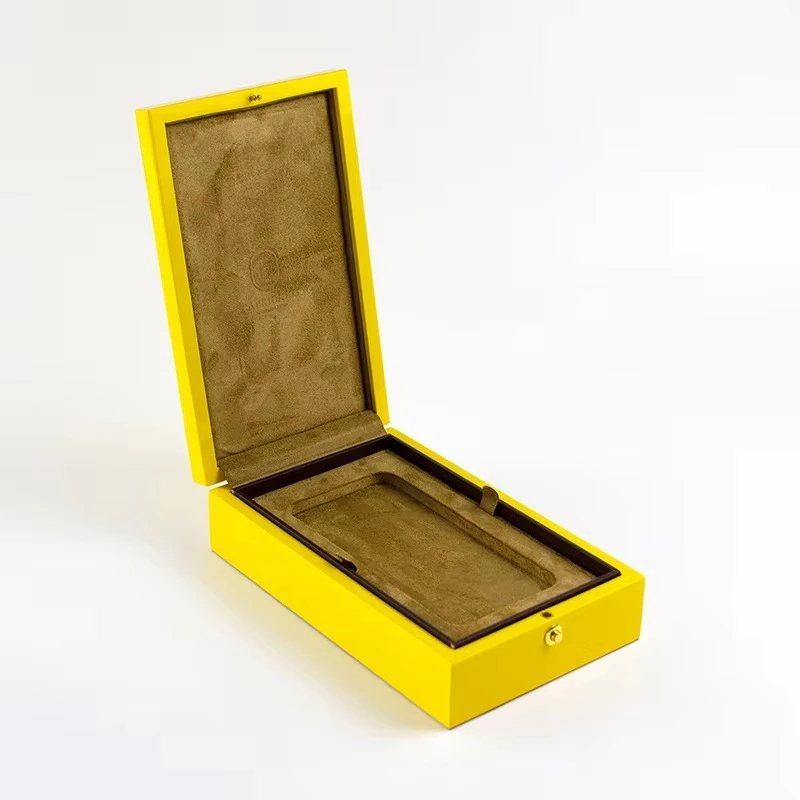
EDP feels richer and deeper. EDT feels brighter and easier to wear. When I compare it to my factory work, it is like the difference between a piano lacquer finish and a matte veneer. Both have value, but they serve different goals.
Key Differences Between EDT and EDP
Oil Concentration
EDP contains more oil. This makes it stronger. It sticks to the skin longer.
EDT contains less oil. It opens fast and lifts off gently.
Scent Projection
EDT spreads out lightly. People near you can smell it, but not from far away.
EDP projects stronger and stays closer to the skin later in the day.
Longevity
EDP can last 6–10 hours.
EDT usually lasts 3–5 hours.
How This Helps You Choose
If you work indoors or meet clients often, EDT helps you appear clean without being too intense. If you go out at night or want a stronger presence, EDP may suit you more.
A Perspective From My Factory
I work with many perfume brands. They order different wooden boxes for different fragrance types. EDP boxes often use deeper colors, thicker wood, or velvet lining. EDT boxes often use simple lines, glossy white lacquer, or natural wood veneer.
These choices reflect how the scent feels.
Once you understand EDT, you can pick a scent with confidence.
Why is EDT often considered the best choice for daily or warm-weather use?
Some people feel heavy scents cause discomfort in hot weather. They feel too sweet or too warm.
EDT works better in warm weather because its lighter structure evaporates faster and feels fresher on the skin.
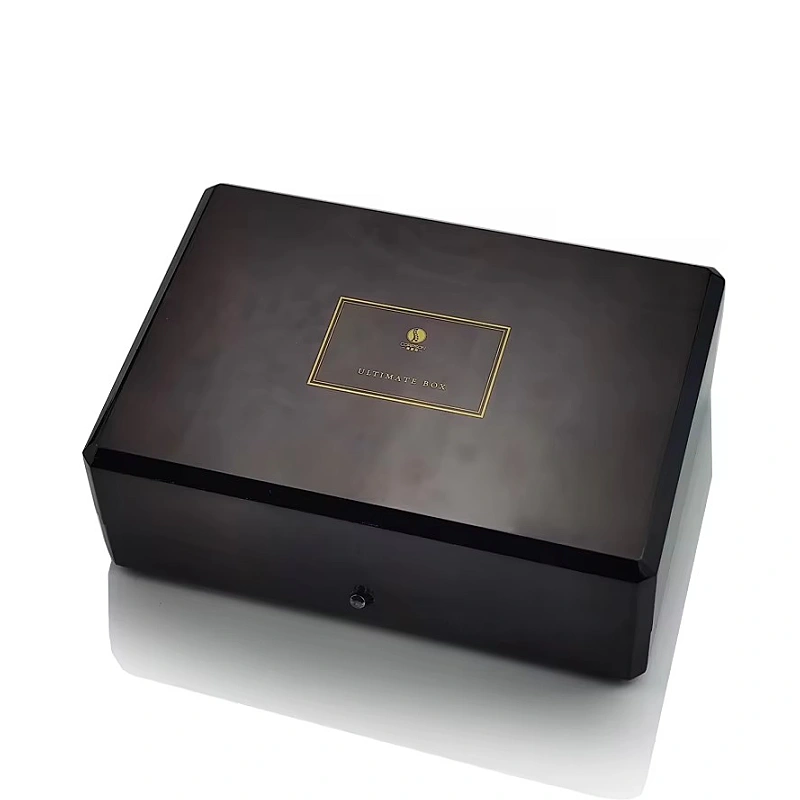
Warm air makes fragrance molecules move quickly. Strong scents become too intense. EDT handles this well. It stays clean and pleasant even in high heat.
Why EDT Performs Well in Heat
Faster Evaporation Feels Refreshing
The quick lift of EDT feels like a cool breeze. It does not stay thick in the air.
Less Sweetness
EDT formulas use more citrus, herbs, and airy florals. These notes smell comfortable in warm climates.
More Reapplication Flexibility
You can spray EDT again without feeling heavy. This is similar to how I design boxes with reusable structures. Some products need flexibility rather than permanence.
A Story From My Experience
One luxury resort brand asked us to make wooden boxes for their in-room EDT collection. They wanted a light tropical feeling. We used natural ash veneer, soft-touch interior, and a white matte finish. The EDT bottles inside matched the resort's climate. The scent and the packaging worked together.
If you live in a warm country or have an active lifestyle, EDT can be your best friend.
How do the lighter notes in EDT create a fresher and more casual scent experience?
People often say EDT smells “fresh.” But they do not know why.
EDT uses top notes that rise quickly—citrus, herbs, greens, or light florals—which create a casual and uplifting scent style.
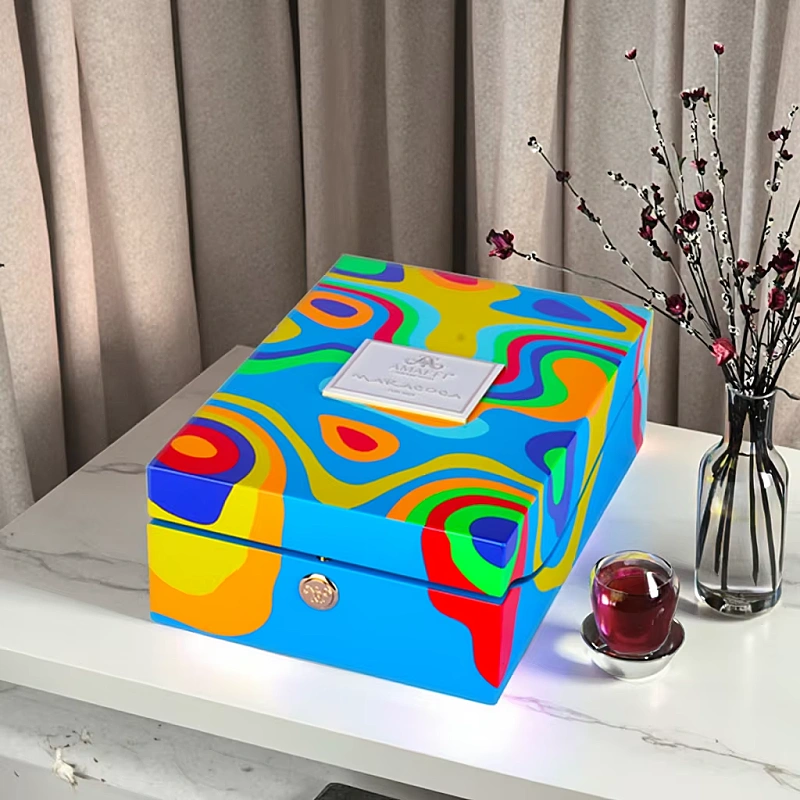
Because EDT has less oil, these bright top notes move fast and stay in the air for a short time. They give a clean, breathable feeling.
Breakdown of EDT Notes
Top Notes
These appear first. They are quick, sharp, and fresh.
Common notes: lemon, bergamot, mint, lavender, sea breeze.
Heart Notes
These show the identity of the scent.
Common notes: rose, jasmine, spices, herbs.
Base Notes
These are soft in EDT. They support the scent without making it heavy.
Common notes: light woods, musk, gentle resins.
Why This Feels More Casual
EDT works well for relaxed days. The scent does not demand attention. It feels natural. It feels like part of your personal space.
In my work, I see this same principle. When clients want boxes for casual fragrance lines, we use simple silhouettes and glossy lacquer. These boxes feel modern and light. Just like EDT.
Table: EDT Common Scent Families
| Scent Family | Feeling | Typical Notes |
|---|---|---|
| Citrus | Clean | Lemon, Grapefruit, Bergamot |
| Aromatic | Relaxed | Lavender, Sage, Rosemary |
| Green | Natural | Grass, Leaves, Herbs |
| Fresh Aquatic | Cool | Marine, Water Notes |
EDT uses these notes often because they match a bright and casual lifestyle.
What should you consider when choosing an EDT that fits your lifestyle and personality?
Choosing an EDT can feel difficult. Many options look similar. But each one tells a different story.
You should consider your daily routine, your environment, and the personality you want to express.
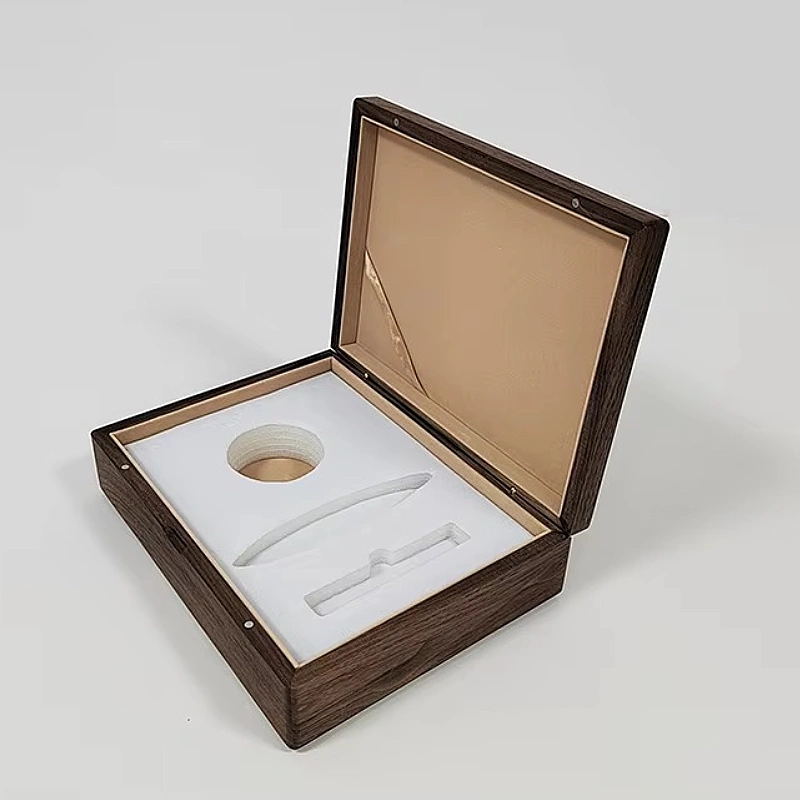
I help many perfume brands develop wooden boxes that match their scents. This work gives me a unique view. I see how scents reflect identity. I also see how people connect with fragrance styles.
Factors to Think About
Your Daily Environment
If you work in an office, pick clean citrus or soft woods.
If you work outdoors, choose aromatic or aquatic scents.
Your Climate
Warm places match lighter scents.
Cooler climates allow slightly deeper EDT blends.
Your Personality
If you are calm, choose herbs and fresh woods.
If you are energetic, choose citrus and marine notes.
If you are romantic, choose soft florals.
Longevity Expectations
Remember, EDT is light. It may need reapplication. This is not a problem. It is part of the experience. It lets you refresh during the day.
Packaging Perspective From My Factory
Brands choose packaging based on lifestyle. A bold scent gets a bold box. A casual scent gets a simple box. When I create wooden boxes for EDT lines, I use lighter colors, glossy finishes, or natural veneer. These choices signal freshness. They signal everyday use.
You can use the same thinking when choosing your EDT. Look for a scent that matches your rhythm, not just the bottle design.
Conclusion
EDT gives a light, fresh scent for daily life and warm weather, and it helps you express your style with comfort and ease.
Brand Name: WoodoBox
Slogan: Custom Wooden Boxes, Crafted to Perfection



 English
  Español
  Português
  Deutsch
  Français
  Italiano
  العربية