A bad draw, harsh flavor, or uneven burn can ruin a moment. Many people feel lost when they try to judge a cigar.
A good cigar is one with balanced flavor, clean construction, and an even burn that works together to create a smooth, memorable smoking experience. It feels right from the first draw to the last.
I want to show how professionals look at cigars. This will help you judge quality with confidence and enjoy every smoke.
What qualities truly define a “good cigar”—flavor, construction, aroma, or something deeper?
A cigar can look beautiful but still taste flat. Many smokers get confused because quality often hides in small details.
A good cigar starts with balanced flavor, solid construction, and a pleasant aroma, but the deeper value comes from how these parts create harmony during the smoke.
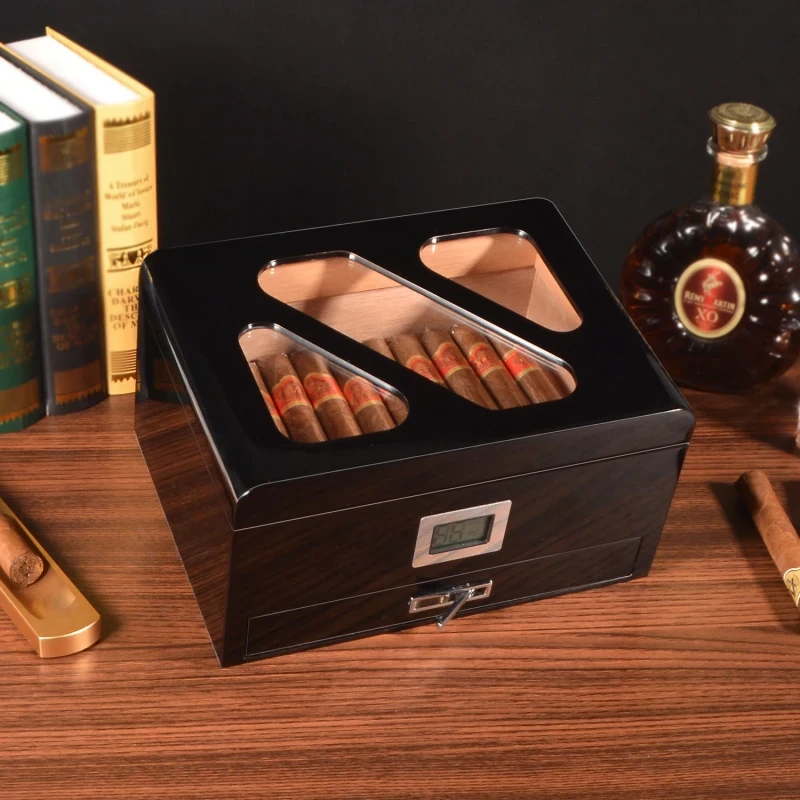
When I worked with cigar brands on high-end lacquered cigar boxes, I often sat with master blenders and rollers. They always said the same thing: a cigar is not good because of one trait. It is good because many traits work together. This idea shaped how I look at cigars even today.
The Core Elements of a Good Cigar
| Quality | What It Means | Why It Matters |
|---|---|---|
| Flavor Balance | No single note overwhelms others | Creates a calm, enjoyable smoke |
| Clean Construction | Tight seams, no soft spots, well-placed cap | Makes the cigar stable while smoking |
| Aroma | Pleasant and natural scent | Enhances the emotional experience |
| Burn Quality | Even, slow, consistent | Prevents frustration during smoking |
| Overall Feel | The cigar matches the moment | Makes the cigar memorable |
How These Qualities Work Together
A cigar with rich flavor but poor construction will frustrate the smoker. A cigar with perfect construction but dull taste feels forgettable. I learned this from brand owners who tested cigars before placing orders for boxes. They judged the cigar before testing the packaging. This taught me that cigar quality is always about balance.
When these qualities link together, the cigar becomes more than tobacco. It becomes a moment. Some cigars feel warm and comforting. Others feel bold and exciting. The deeper meaning of “good” sits in how the cigar matches the experience the smoker wants.
How do tobacco origin and aging influence whether a cigar is considered high quality?
Two cigars can look the same but taste completely different. Many people wonder why.
Tobacco origin shapes the flavor, and proper aging smooths the taste. Together, they decide whether a cigar feels refined or rough.
I have visited tobacco suppliers while working on packaging projects. Every region had a different smell in the curing barns. This taught me how much land affects tobacco.
The Role of Tobacco Origin
| Region | Typical Notes | Smoking Feel |
|---|---|---|
| Nicaragua | Peppery, earthy, bold | Strong and energetic |
| Dominican Republic | Smooth, creamy, mild | Easy and gentle |
| Cuba | Complex, floral, sweet | Rich and layered |
| Honduras | Woody, spicy, deep | Balanced strength |
How Aging Changes the Tobacco
Aging removes sharp edges from the leaf. This is like letting wine rest.
Why Aging Matters
- The ammonia smell fades away
- The flavor becomes round and soft
- The aroma grows deeper
- The burn becomes more consistent
A good cigar usually uses tobacco aged two to four years. Some premium cigars use tobacco aged seven years or more. When I handled display boxes for high-end cigar brands, they often marked the age on the box because they knew seasoned smokers respected it.
A cigar with well-aged tobacco tastes calm and controlled. Nothing feels harsh. The flavors move smoothly from start to finish. This is why origin and aging sit at the heart of quality.
Why does proper construction matter so much for draw, burn consistency, and overall enjoyment?
Even the best tobacco becomes disappointing with bad construction. Many people discover this only after ruining a few cigars.
Good construction ensures a clean draw, an even burn, and stable smoke production, which makes the cigar enjoyable and predictable.
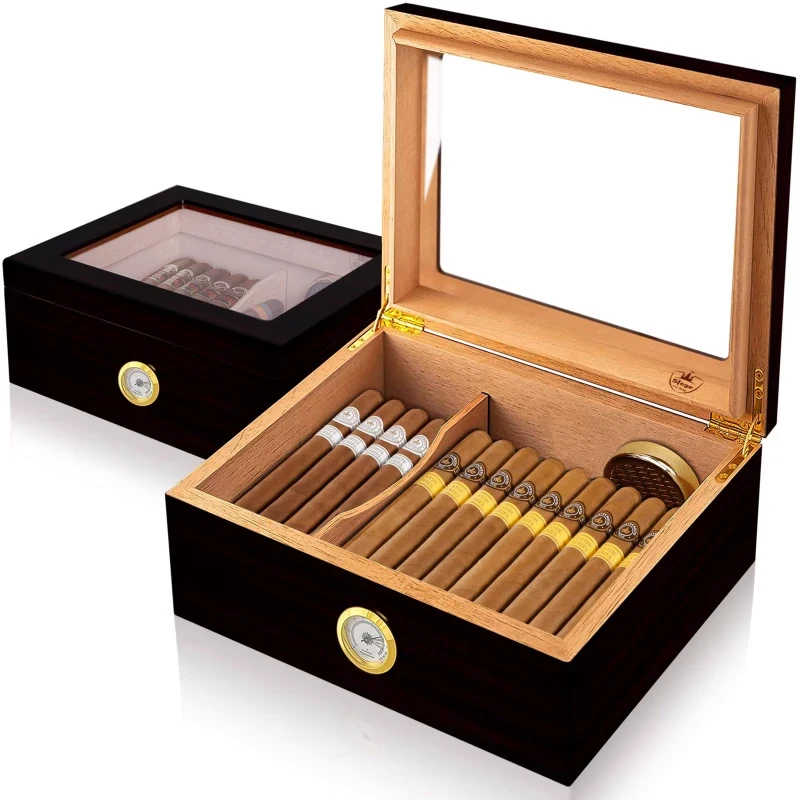
When I handle high-end cigar boxes, I always check the cigars inside. Some brands trust me to give feedback before mass production. That is when I see how much construction affects the smoking experience.
Key Construction Factors
| Construction Part | What It Affects | Result of Poor Quality |
|---|---|---|
| Filler Packing | Draw resistance | Too tight or too loose |
| Binder | Burn path | Tunneling or canoeing |
| Wrapper | Aroma and texture | Cracks or lifting |
| Cap | Cutting experience | Unraveling or fraying |
Why Construction Matters
1. Draw Quality
A cigar without a good draw feels like drinking through a blocked straw.
A good draw gives steady smoke and flavor.
2. Burn Consistency
When the burn is even, the smoker stays relaxed.
When the burn is uneven, the smoker keeps touching up the cigar.
3. Flavor Delivery
Bad construction ruins flavor because the cigar burns too fast or too slow.
Good construction lets the tobacco release flavor the way the blender planned.
When construction is right, everything feels easy. The cigar becomes a moment of peace, not a problem to fix.
How do personal preference and experience level shape someone’s idea of a good cigar?
People argue about what a good cigar is, but most of the time, they simply prefer different things.
A good cigar depends on the smoker’s taste, experience level, and the feeling they expect from the cigar at that moment.
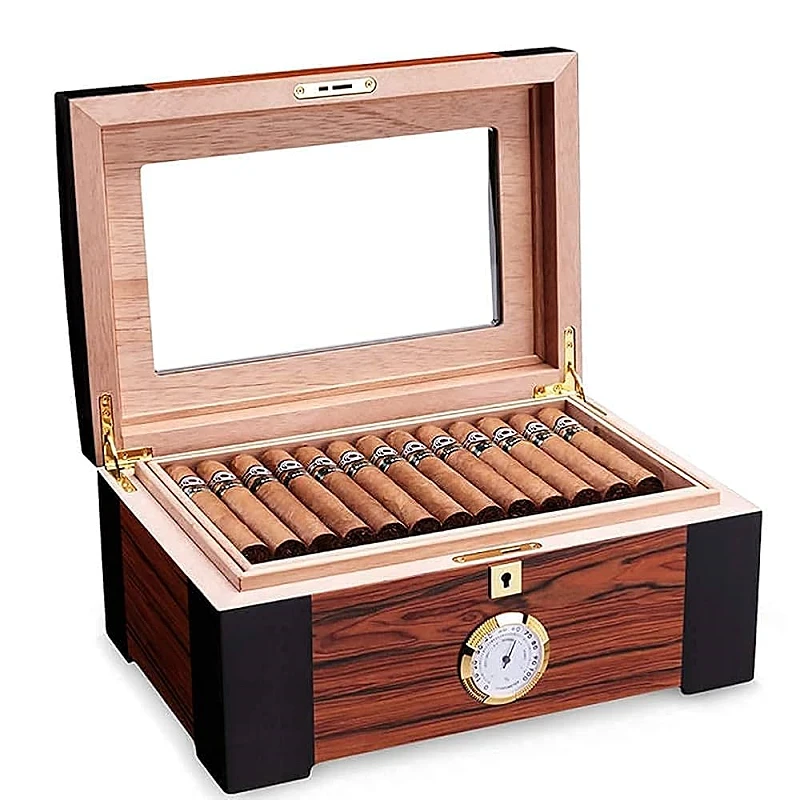
When I meet cigar buyers, they all describe their “best cigar” differently. Some love strong cigars. Others prefer sweet and mild notes. This shows that preference always shapes what feels good.
How Preference Changes Over Time
Beginners
- Prefer mild cigars
- Look for smooth flavor
- Want easy draw
- Dislike strong pepper notes
Experienced Smokers
- Enjoy complexity
- Accept stronger flavors
- Notice subtle changes in aroma
- Value construction more deeply
Occasion Also Shapes Preference
| Occasion | Preferred Cigar Type | Why |
|---|---|---|
| After dinner | Medium to full | Matches the richness of the meal |
| Morning | Mild | Gentle start |
| Celebration | Premium aged cigar | Feels special |
| Relaxation | Any smooth blend | Creates a calm mood |
There is no universal definition of a good cigar. Every smoker builds their own. This is why cigar culture stays interesting and personal.
Can a cigar be considered good regardless of price, or does value always play a role?
Many people believe expensive cigars must be good. But price does not always equal quality.
A cigar can be good at any price level, as long as it matches what the smoker expects in flavor, construction, and experience.
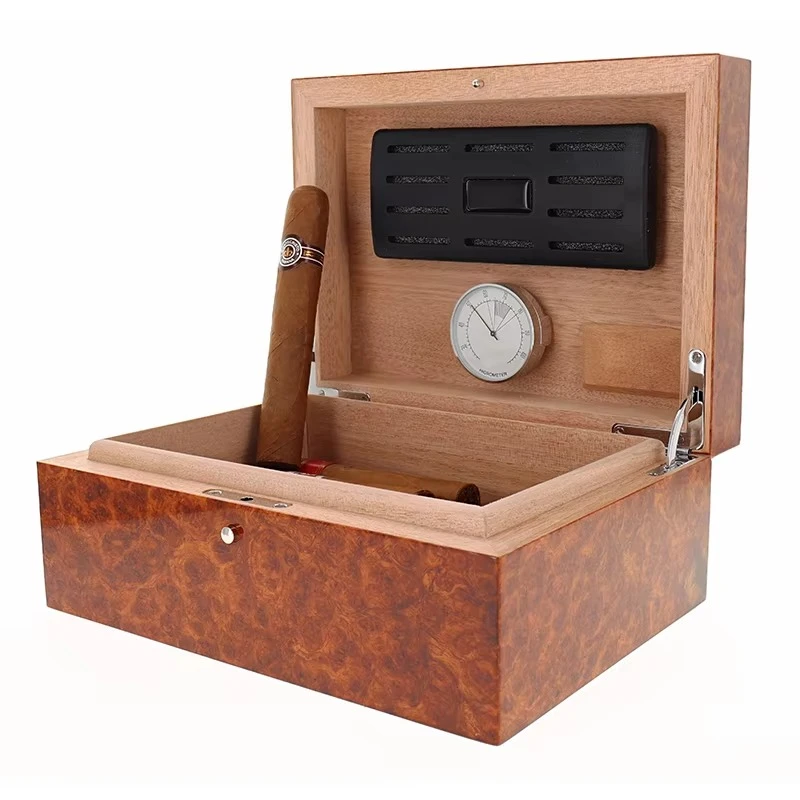
When I help clients design luxury cigar boxes, they sometimes think the packaging must match a very high cigar price. But many great cigars cost less than people expect. This taught me that value sits in balance, not cost.
How Price Works in Cigar Quality
| Price Level | What to Expect | What You Pay For |
|---|---|---|
| Low | Simple flavor, basic construction | Efficiency |
| Mid | Good consistency, better tobacco | Balanced value |
| High | Aged tobacco, complex flavor, premium feel | Craftsmanship and rarity |
Why Price Does Not Define “Good”
A cigar becomes good when it satisfies the smoker at that moment.
Sometimes a $10 cigar feels better than a $40 cigar.
Sometimes a special cigar is worth the high price because of the memory it creates.
Value is personal. A good cigar is one that feels fair for its price.
Conclusion
A good cigar brings balance, comfort, and a steady burn that fits the moment and stays in your memory.



 English
  Español
  Português
  Deutsch
  Français
  Italiano
  العربية