I know many cigar lovers panic when they see white spots, because mold can ruin a good cigar fast.
Smoking a moldy cigar gives you bad flavor and real risk. Mold changes the leaf, kills aroma, hurts burn, and may irritate your body.
But there is a way to know the difference between harmless plume and dangerous mold, and this can save your whole collection.
How can you recognize mold on a cigar, and why is it different from harmless plume?
Many cigar collectors worry because mold and plume look similar at first sight.
Mold looks fuzzy and grows in random patches. Plume is fine, even, and powdery. Mold spreads and damages tobacco, while plume is natural and safe.
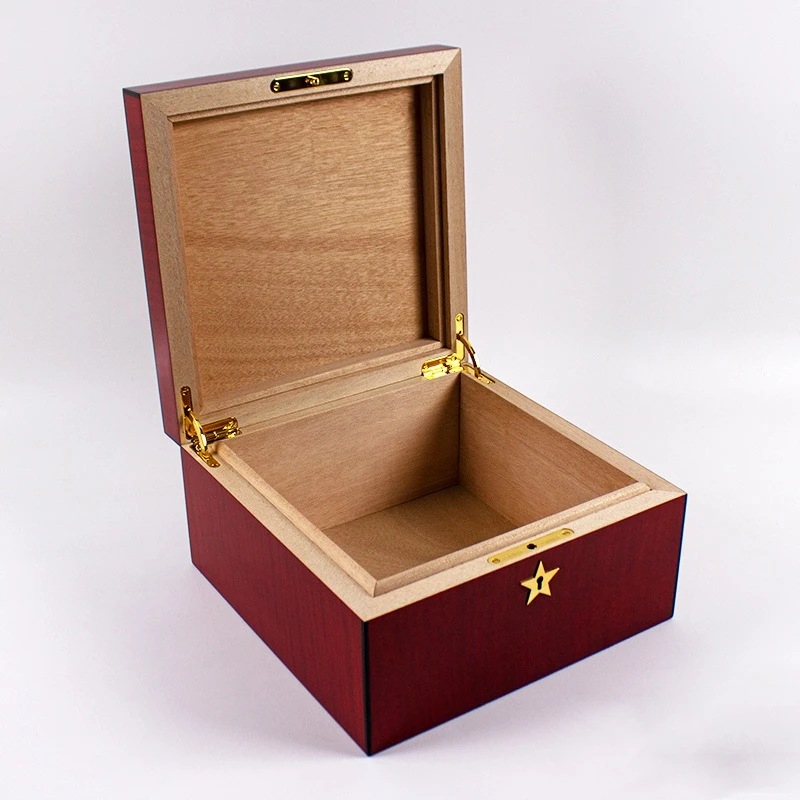
When I talk with cigar buyers who source custom wooden cigar boxes from me, this is one of the most common questions. I see this confusion often, because storage mistakes happen even in premium humidors. Mold usually comes from too much moisture, poor airflow, or dirty storage. Plume comes from natural oils in the leaf. These oils rise to the surface as cigars age.
Key Differences
| Feature | Mold | Plume (Bloom) |
|---|---|---|
| Texture | Fuzzy, web-like | Fine, powdery |
| Pattern | Random clusters | Even coverage |
| Color | White, green, blue, yellow | Light gray or white |
| Cause | Excess humidity, contamination | Natural aging |
| Safety | Unsafe | Safe |
Why It Matters
It matters because mold breaks down tobacco fibers. It also enters deep into the wrapper and binder. Plume never does this. I always tell clients that mold on a cigar is like rust on metal. Once it begins, it eats into the structure.
Deep Dive: Understanding Mold and Plume in Detail
Mold grows because tobacco is an organic material. It reacts fast to moisture and heat. When humidity rises above 72% and stays there, mold wakes up. When humidors sit near windows or vents, small climate changes create the perfect zone for mold to spread. I have seen this in many cigar shops I work with. The owner thinks the humidor is stable, but the airflow inside the wooden box is weak. Moisture gathers in the corners, and mold appears first around the foot of the cigar.
Plume works very differently. When natural oils move to the surface, they dry into tiny crystals. These crystals do not spread. They do not look hairy. They do not connect into a network. This is why plume wipes off clean with a soft cloth. Mold never wipes off clean. It smears. It clings. It feels soft and damp because it is alive.
Many new collectors mistake plume for mold and throw away good cigars. I see this happen with humidors built with MDF or cheap wood. Poor interior material sometimes creates more humidity swings. This makes plume form faster. When the collector does not know the difference, panic sets in.
Understanding this difference saves cigars. It also saves money, because moldy cigars are not recoverable once the mold goes deep. Knowing what you see helps you make the right call.
People often ask me if smoking one moldy cigar can make them sick.
Smoking a moldy cigar gives harsh, sour smoke and may irritate your throat, lungs, and sinuses. Mold creates off-flavors, uneven burns, and an unhealthy smoking experience.
For most people, mold smoke feels harsh. It tastes dirty. It leaves a bitter and musty note that ruins even premium blends. When mold burns, it produces compounds your body does not like. Some people feel coughing, headaches, or nausea.
Types of Risks
| Risk Type | Description |
|---|---|
| Flavor damage | Musty, sour, muddy smoke |
| Burning issues | Tunneling, canoeing, uneven heat |
| Health irritation | Coughing, throat burn, sinus discomfort |
| Body reaction | Headache or nausea for sensitive smokers |
Deep Dive: Why Moldy Cigars Are Unsafe
Mold changes the chemical makeup of tobacco. It feeds on natural sugars and oils in the leaf. When mold grows, it releases spores. These spores enter the cigar and stay there. They do not burn clean. They turn into harsh particles when the heat reaches them.
When I talk with clients about cigar packaging, we often discuss how a high-quality wooden cigar box creates a stable environment. It keeps moisture balanced. If the balance breaks and mold enters the cigar, the whole cigar loses structure. The wrapper becomes weak. The binder loses grip. The filler burns at different speeds. This creates sharp, uneven heat zones. These zones produce smoke that carries the mold.
Some people say, “It is just a little mold, I can smoke around it.” But mold does not sit on the surface only. Even if you cut the foot, the spores move inside the blend. When the cigar burns, these spores rise into the smoke. Your throat feels the irritants first. The experience becomes stressful, not enjoyable.
I always tell buyers that a cigar should give calm, clean pleasure. A moldy cigar does the opposite. The moment you smell mustiness, you should stop.
How does mold affect the tobacco’s structure, burn quality, and aroma during smoking?
Collectors ask me why moldy cigars burn strangely.
Mold weakens tobacco fibers and disrupts airflow. The cigar burns unevenly, tastes musty, and loses aroma because mold consumes natural oils in the leaf.

This is easy to see when you break open a moldy cigar. The filler looks dusty and fragile. The wrapper might crack.
What Mold Does to the Cigar
| Effect | What Happens |
|---|---|
| Fiber breakdown | Leaves become soft and thin |
| Airflow problems | Draw becomes tight or hollow |
| Oil loss | Aroma becomes flat or bitter |
| Burn failure | Uneven burn lines, tunneling, relighting |
Deep Dive: How Mold Breaks Down Tobacco
Tobacco leaves rely on natural oils to hold structure. These oils feed aroma. When mold grows, it eats these oils. It leaves the leaf dry in some spots and damp in others. This imbalance creates burning chaos. One part burns too fast. Another part refuses to burn at all. Many cigar smokers think this is a rolling issue. Many times, it is mold damage.
Inside the filler, mold spreads across the veins of the leaf. These veins act like small channels for air during the draw. When mold covers them, the cigar loses consistent airflow. You either get no smoke or too much. Both ruin the experience.
Aroma suffers the most. Mold wipes away the blend’s balance. If you smoke a premium cigar with complex notes, mold destroys the flavor layers. What should taste sweet or earthy suddenly tastes wet, sour, or metallic.
When I design wooden cigar boxes for luxury brands, the airflow inside the box is important. If the wrong seal or lining traps too much moisture, mold forms before the cigars reach the shelf. This shows how sensitive tobacco is. One small mistake in storage can destroy flavor that took years to develop.
Why do humidors develop mold, and how can storage issues cause cigars to become unsafe?
Almost every mold problem starts with storage issues.
Humidors develop mold when humidity stays too high, airflow is weak, or the interior absorbs moisture unevenly. These problems create conditions that make cigars unsafe.
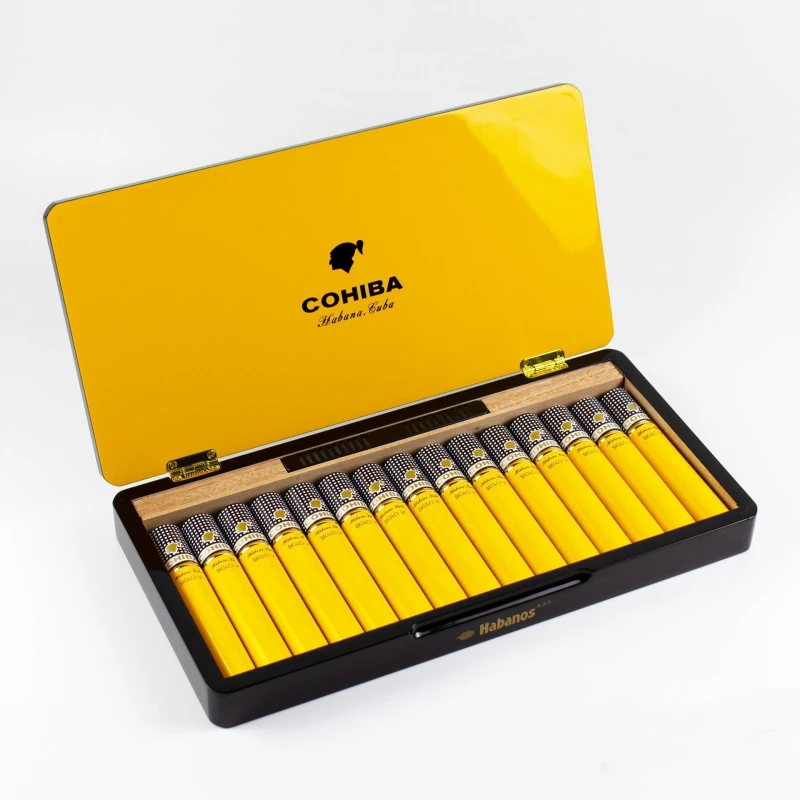
Cigars need balance. When humidity rises above 72% for long periods, mold grows. Temperature swings make it worse.
Common Storage Mistakes
| Mistake | Result |
|---|---|
| Overfilled humidor | No airflow |
| Cheap hygrometer | Wrong readings |
| Excess humidification | Wet corners |
| Dirty humidor walls | Mold spores stay |
Deep Dive: How Storage Failures Lead to Mold
I have seen hundreds of humidors while working with cigar brands. Many look beautiful from the outside. Inside, the environment is unstable. The cedar lining may hold moisture too well. The hygrometer may be off by 5–10%. A customer may add two humidification packs instead of one. All of these create hotspots.
When moisture builds in pockets, mold forms first on foot ends. The foot has open tobacco. It absorbs moisture fastest. Once mold appears, it spreads from cigar to cigar. Wood inside the humidor also holds spores. You must clean the humidor fast to stop the spread.
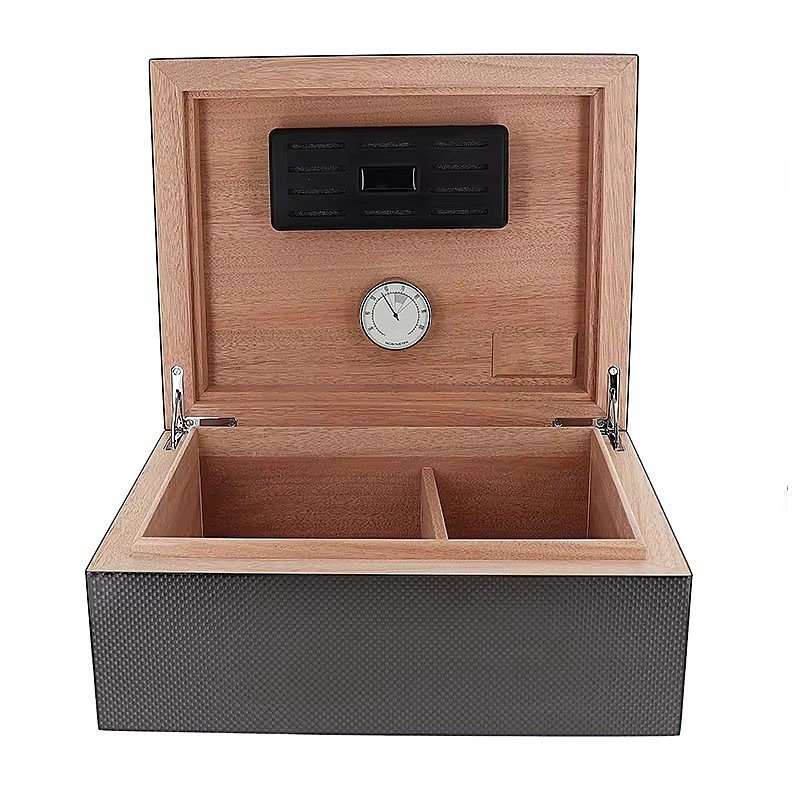
Some people use glass-top humidors. These look good, but they often leak humidity. This forces the owner to add more humidification. Extra moisture collects inside. Mold follows. A good wooden cigar box with tight joints and stable cedar lining protects against mold better.
Unsafe cigars do not always look fully moldy. Some are damaged inside before the outside shows anything. This is why storage stability matters. If you see mold once, you must assume spores are everywhere.
What should you do if you find moldy cigars, and can any of them actually be saved?
This is the question every collector asks when panic hits.
Throw away moldy cigars, isolate healthy ones, and clean the humidor. Only cigars with very light surface mold—confirmed not to be deep—may be saved.
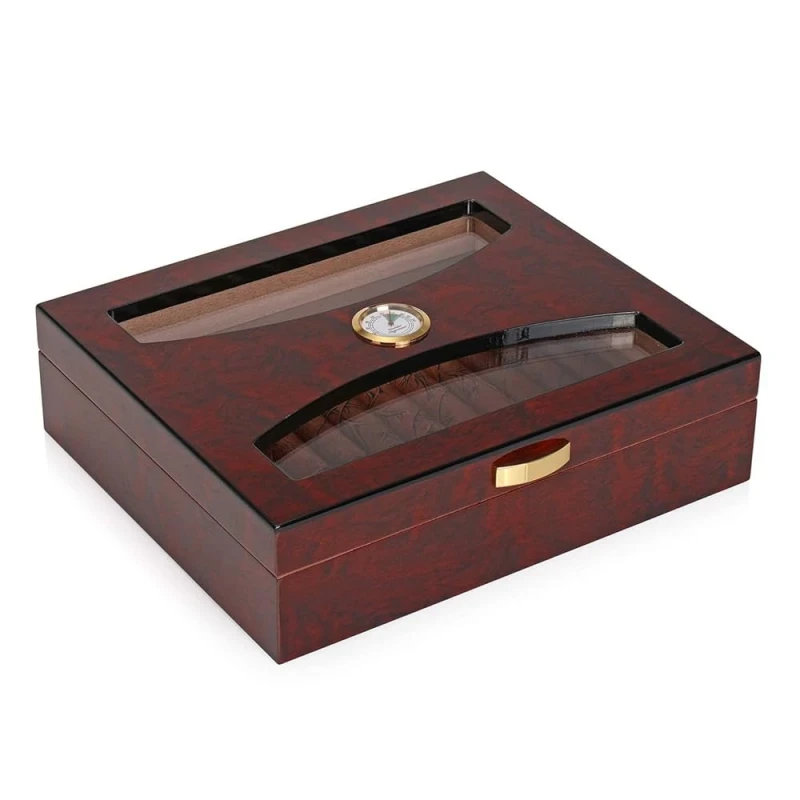
You need to act fast. Mold spreads by spores, and spores hide in cedar.
Action Plan
| Step | What to Do |
|---|---|
| 1 | Remove all cigars |
| 2 | Throw away moldy ones |
| 3 | Clean the humidor with alcohol |
| 4 | Dry the humidor fully |
| 5 | Reset humidity slowly |
Deep Dive: Can Moldy Cigars Be Saved?
I get this question from customers who store cigars in my custom wooden boxes. They want to save cigars because many are expensive. But reality is simple: once mold goes deep, the cigar is gone.
Surface mold can happen if a cigar touches a wet spot in the humidor. If the mold wipes off clean and the leaf beneath looks normal, the cigar may still be okay. But if the mold comes back after a few hours, or if the leaf looks weak, it is not safe.
Some collectors try to dry out moldy cigars in sunlight. This never works. It only hides the problem. Mold spores survive deep inside the filler. When you light the cigar, the spores enter the smoke.
Cleaning the humidor is more important than saving cigars. Use a clean cloth and 70% alcohol. This kills spores. Let the humidor sit open for 24–48 hours. Cedar resets slowly. When you add cigars back too early, moisture builds again.
A good humidor or a well-made wooden cigar box helps prevent mold. The craftsmanship matters. Tight joints, stable cedar, and even airflow keep the environment safe.
Conclusion
Mold ruins cigars fast, so learn to spot it, fix storage, and protect the cigars that still smoke well.
Brand Name: WoodoBox
Slogan: Custom Wooden Boxes, Crafted to Perfection




 English
  Español
  Português
  Deutsch
  Français
  Italiano
  العربية