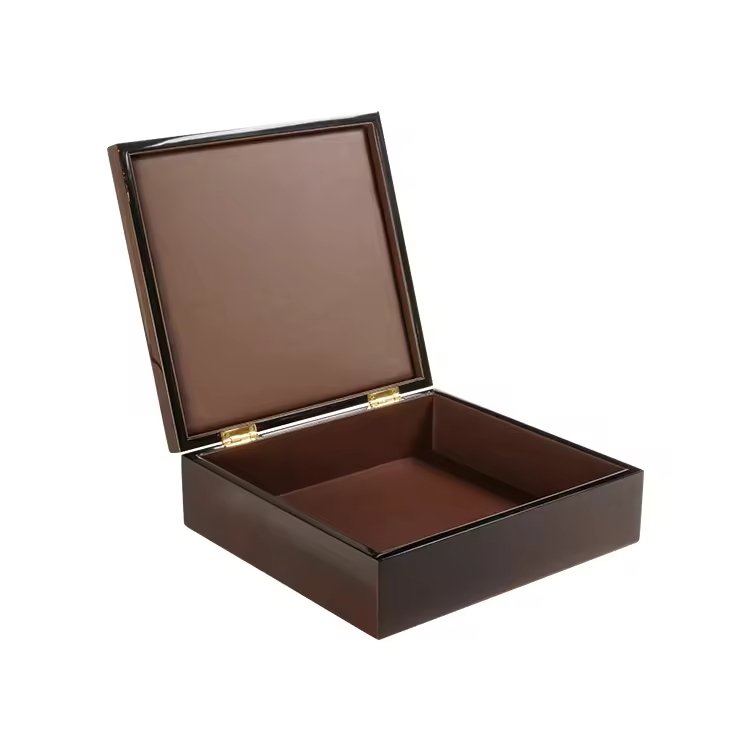
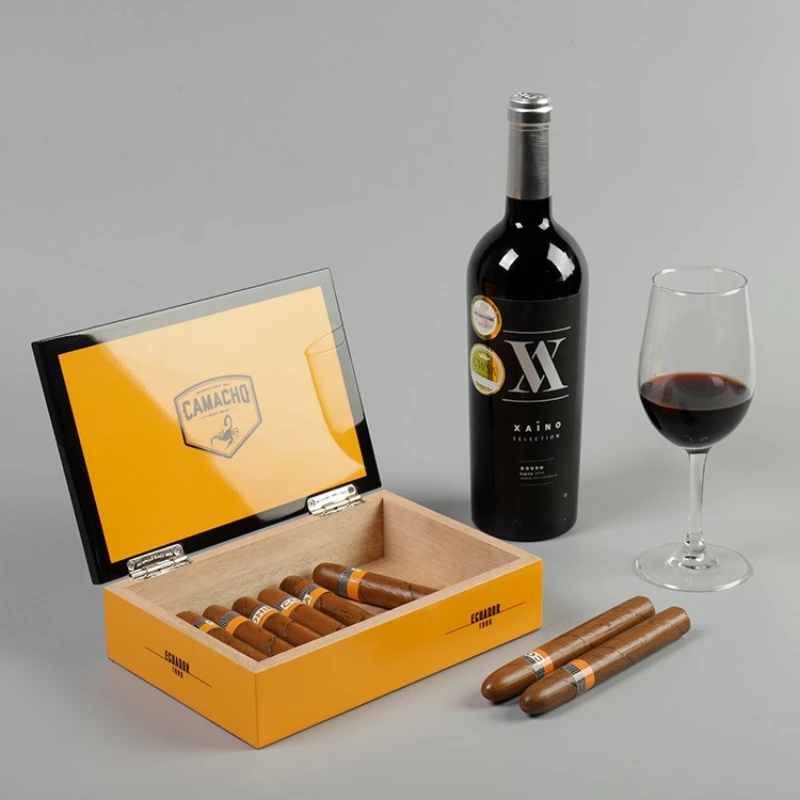
Even the most luxurious cigar box can fail when hidden weak points are overlooked.
The most common failures in cigar boxes include hinge loosening, latch misalignment, wood warping, veneer delamination, and tray cracks caused by repeated use and humidity.
Every buyer loves the shine of a piano finish, but real quality lies in unseen structural integrity. That is why understanding weak spots helps avoid long-term losses.
Why do hinges and latches often become the first weak points under frequent opening?
Opening and closing is the most repeated action for a cigar box.
Hinges and latches fail first because they take direct mechanical stress, especially when mounted on thin panels or without reinforced backing.
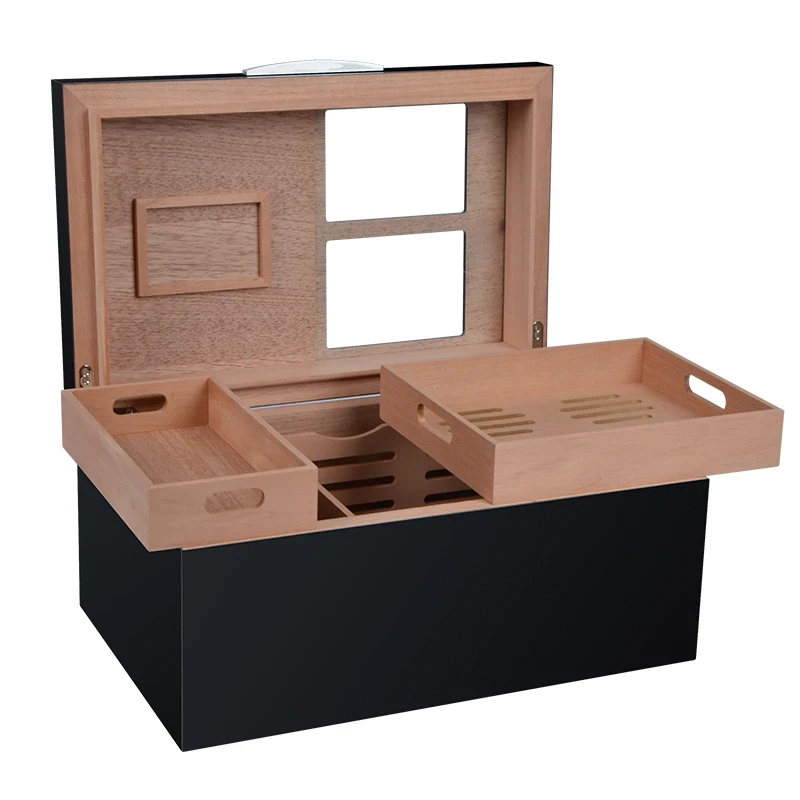
I have seen many cases where hinges loosen after just one season of use. This is not because of bad metal, but weak wood mounting. When a lid is heavy and covered with lacquer, the weight increases the torque on screws. Each opening pulls the screw threads slightly. Over time, the holes widen, and the hinge wobbles.
Common Issues
- Loose Screws: Threads strip in soft wood.
- Latch Misalignment: Uneven force causes the latch not to close flush.
- Cracks Near Screw Holes: Stress concentrates around small drilled areas.
Practical Insight
To prevent this, I often insert a metal plate or hardwood block under the hinge area. This reinforcement spreads stress and keeps screws firm. A premium latch also needs perfect alignment, otherwise constant force creates wear.
How does wood warping or lid misalignment affect long-term sealing performance?
A humidor’s main function is to maintain stable humidity.
When wood warps or the lid misaligns, the seal weakens, causing moisture leakage and inconsistent storage conditions for cigars.
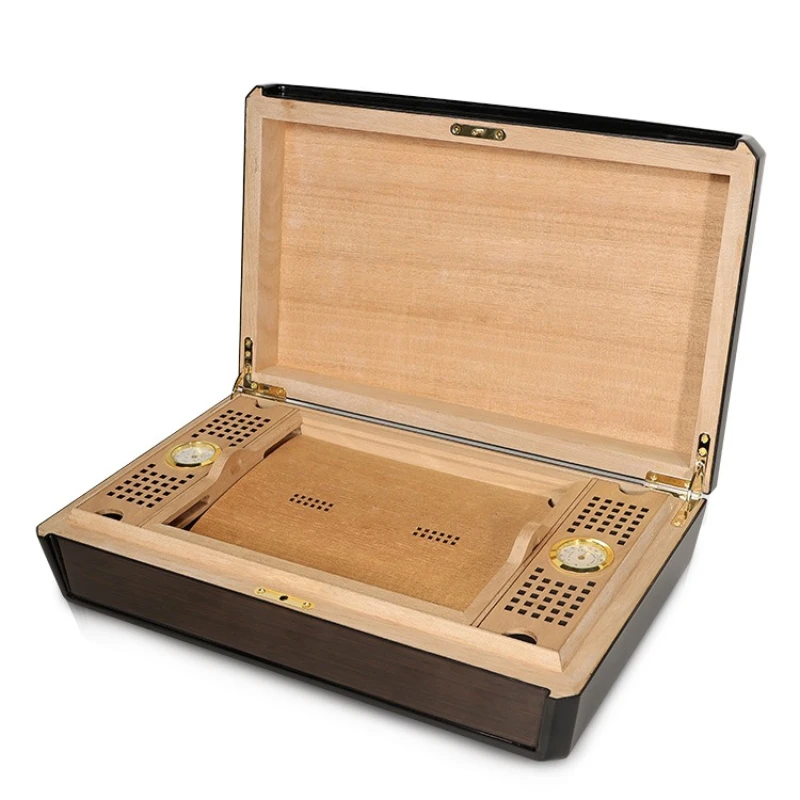
Wood is alive. It responds to environment. In high humidity, fibers expand; in dry climates, they shrink. If side panels and lid panels move differently, the result is misalignment. A warped lid no longer sits flush. Even a tiny gap lets moisture escape, defeating the purpose of the box.
Key Consequences
- Poor Humidity Retention: Cigars dry out faster.
- Increased Refill Frequency: Humidifiers must be recharged more often.
- Uneven Aging of Cigars: Some cigars remain moist while others dry.
Example
One client complained that his $500 humidor could not hold humidity. After inspection, I found the lid corner raised by 1 mm due to warping. That small gap was enough to compromise the whole system.
Preventive Note
Engineered panels with veneer, instead of solid boards, minimize this risk. Careful grain alignment during design also controls wood movement.
What problems occur when interior cedar lining expands or contracts unevenly?
Spanish cedar is prized for aroma and cigar-friendly humidity control. But it moves a lot with climate.
Uneven expansion or contraction of cedar lining can cause cracks, bulges, or detachment from the core structure.
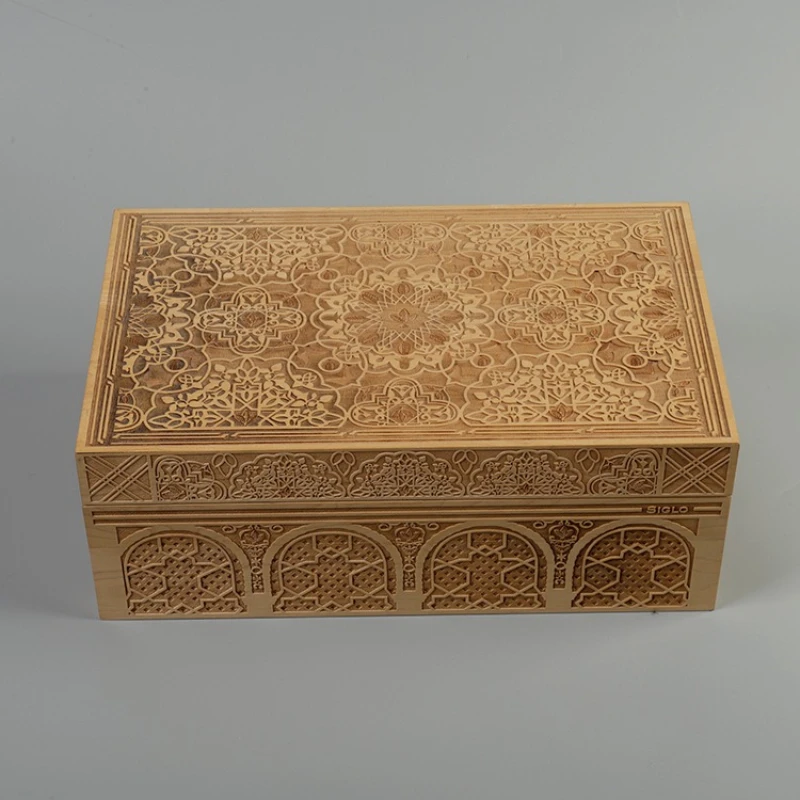
When the inner lining absorbs humidity faster than the outer core, tension builds. The cedar may push outward, creating a bulge under the lacquered surface. In other cases, it shrinks and leaves gaps. This not only looks bad but also damages cigars stored close to the lining.
Typical Problems
- Bulging Panels: Cedar swells and pushes veneer outward.
- Cracks or Gaps: Shrinking cedar separates at the joints.
- Glue Failure: Lining detaches when stress exceeds adhesive strength.
Workshop Lesson
I once worked on a project where the client insisted on thick solid cedar lining. After six months in a tropical market, many boxes developed bulges. Since then, I always recommend thinner cedar veneer laminated to a stable core. It still delivers aroma but avoids structural stress.
Can glue joints or veneer layers delaminate in high-humidity environments?
Yes. Adhesives are silent heroes in a cigar box, but humidity tests them daily.
Glue joints and veneer layers can delaminate when exposed to constant high humidity, especially if cheap or water-sensitive adhesives are used.
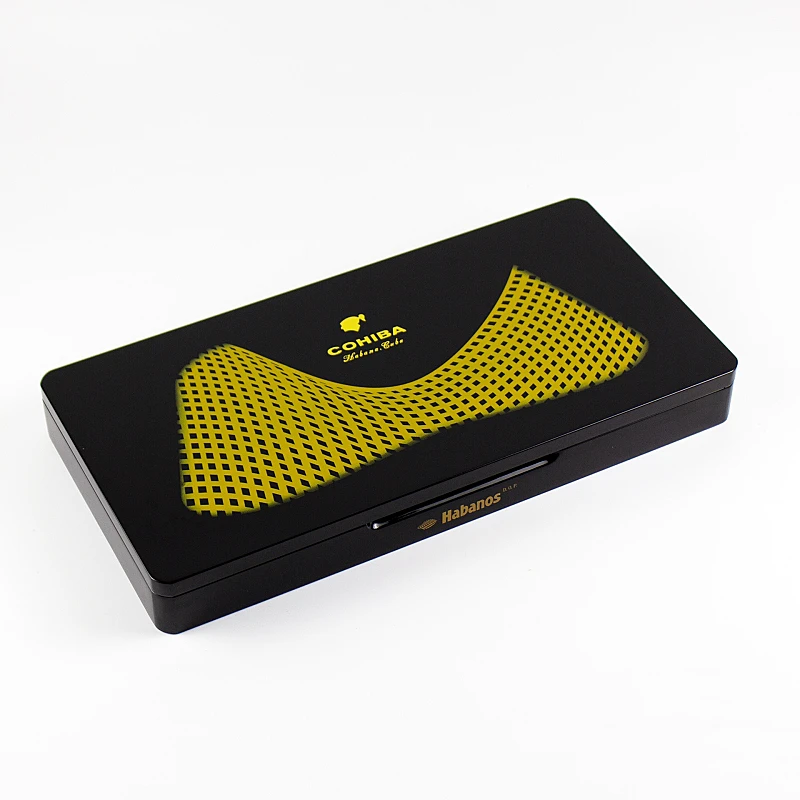
Adhesives age with time. If a box is kept in a 70–80% humidity environment, water slowly penetrates joints. Weak adhesives soften, and the bond fails. Veneers bubble or peel, especially under glossy piano lacquer where tension is high.
Main Risks
- Edge Lifting: Veneers peel at corners.
- Panel Separation: Bottom panel detaches from sides.
- Surface Bubbles: Trapped moisture lifts lacquered veneers.
Practical Countermeasures
In my factory, I use moisture-resistant glues and always apply hot press for veneer bonding. This ensures even pressure and deep adhesion. I also test finished boxes by storing them in a humid chamber for weeks before shipping. This step eliminates weak bonding before clients notice.
How does repeated pressure on trays or dividers lead to cracks or loosening?
Trays and dividers inside a cigar box look light, but they carry constant weight from cigars.
Repeated pressure causes micro-cracks, loosening joints, or even broken slats, especially if thin wood or weak joinery is used.
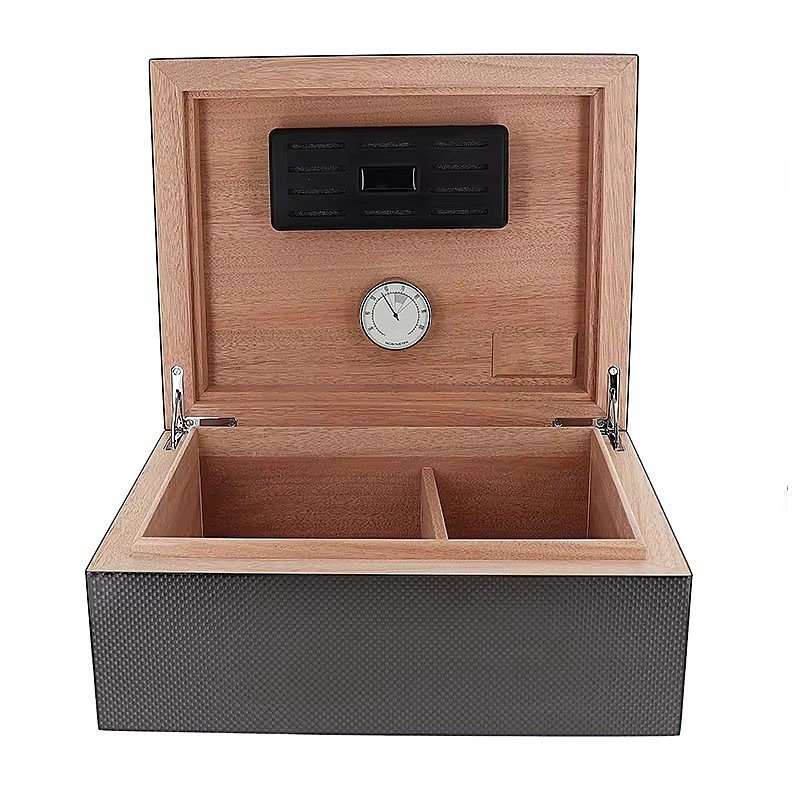
Every time cigars are lifted, the tray moves slightly. This movement transfers force to its joints. Thin dividers often split at glue points because buyers expect them to be delicate and elegant. The contradiction is that cigars are heavy when packed in bulk.
Common Failures
- Divider Loosening: Gaps appear between slats.
- Cracked Tray Frames: Stress builds in corners.
- Warped Insert Panels: Thin plywood bends under load.
My Experience
A luxury client once insisted on extra-thin dividers to make the box look spacious. After a year, customers reported broken dividers. We redesigned with slightly thicker cedar, reinforced corners, and stronger bonding. The visual change was small, but durability increased greatly.
What preventive design or craftsmanship details extend the structural lifespan of luxury cigar boxes?
Durability comes from hidden craft, not just surface beauty.
Preventive details include reinforced hinges, engineered panels, controlled cedar linings, waterproof adhesives, and sturdier tray construction. Together, they extend the box’s structural life.
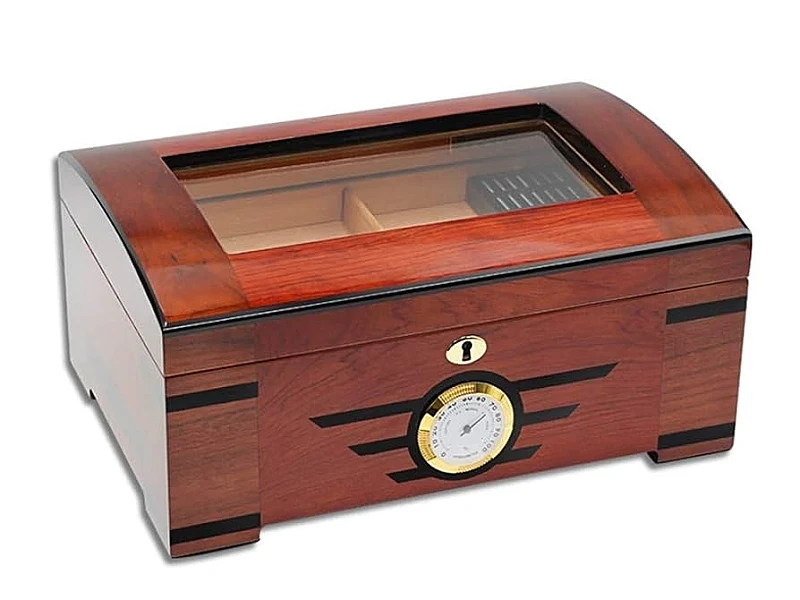
Core Preventive Measures
- Reinforced Hardware Mounting: Use hardwood inserts or metal plates for hinges.
- Stable Panels: Choose multi-layer boards with veneer instead of solid wood.
- Balanced Cedar Lining: Use thin cedar veneers bonded to a stable base.
- Moisture-Resistant Adhesives: Select glues tested for high humidity.
- Stronger Trays and Dividers: Slightly thicker wood and hidden reinforcements.
- Edge Sealing: Protect joints with veneer wrap or clear lacquer.
Why These Work
Each of these details targets a known weak point. They do not change the luxury appearance, but they ensure the box survives years of daily use. When I deliver boxes with these upgrades, customers often notice the difference not in looks, but in how solid the box feels in hand.
Conclusion
True luxury is not just glossy finishes but hidden craftsmanship that prevents structural failures.
Brand Name: WoodoBox
Slogan: Custom Wooden Boxes, Crafted to Perfection
Website: www.woodobox.com
WhatsApp: +86 18359265311



 English
  Español
  Português
  Deutsch
  Français
  Italiano
  العربية