Many buyers still equate “premium” with complicated structures. I see this mistake in real inquiries every week. The result is often higher cost, more risk, and no real improvement in user experience.
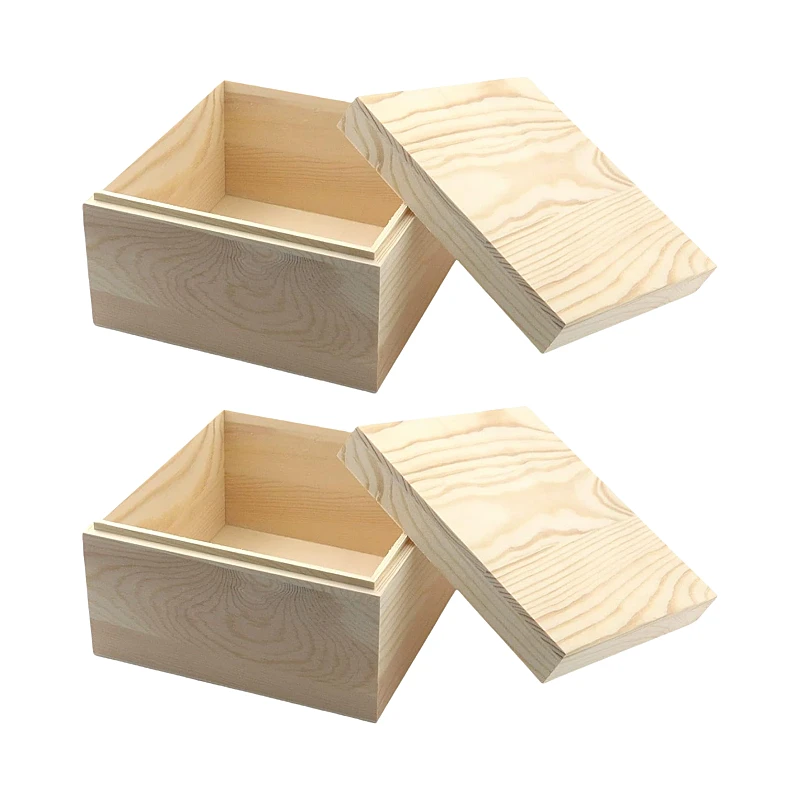
A top & bottom wooden box feels more premium because it lowers structural risk, simplifies production, and puts all attention on the product itself.
I want to focus on practical reasons, not design theory. This article breaks down when this structure actually works better, where costs really go, and what technical points you must control to avoid problems.
Why Simplicity Makes Top & Bottom Boxes More Timeless in Premium Packaging
From a production and usage perspective, simplicity is not a design choice. It is a risk-control strategy. Top & bottom boxes survive longer because fewer things can go wrong.
Top & bottom boxes feel timeless because they remove unnecessary structural elements that fail, age, or fall out of tolerance over time.
Fewer parts mean fewer failure points
Every added component increases the chance of error. Hinges loosen. Magnets weaken. Springs fail. A top & bottom box has none of these issues. It relies only on geometry and fit.
In long-term storage or export shipping, this matters. I have seen boxes returned after one year because hinges drifted. I rarely see returns caused by top & bottom structures when tolerance is done correctly.
Stable structure across different markets
Premium brands often sell globally. Climate differences affect wooden packaging. Simpler structures react more predictably.
With a top & bottom box:
- The lid and base expand evenly
- No metal parts fight against wood movement
- Structural behavior is easier to forecast
This predictability is why many high-end brands quietly stick to this structure even when trends change.
Design stays relevant longer
When structure stays neutral, surface design carries the brand message. Color, finish, and logo can evolve without redesigning the box.
From a buyer’s point of view, this means:
- Lower redesign cost later
- Easier brand refresh
- Less risk of looking outdated
This is not a design theory. It is a cost and lifecycle decision.
When a Top & Bottom Structure Is More Rational Than a Hinged Lid
The biggest mistake I see is choosing a hinged lid without thinking about how the box will actually be used after delivery.
A top & bottom structure is more rational when the box is opened once or infrequently, and when long-term stability matters more than convenience.
Usage frequency should drive the decision
This is the first filter I use with clients.
- If the box is opened daily → hinged lid may make sense
- If the box is opened once or a few times → hinged lid adds no value
Products like perfumes, limited editions, corporate gifts, awards, or commemorative items usually fall into the second category.
In these cases, the top & bottom structure matches real behavior better.
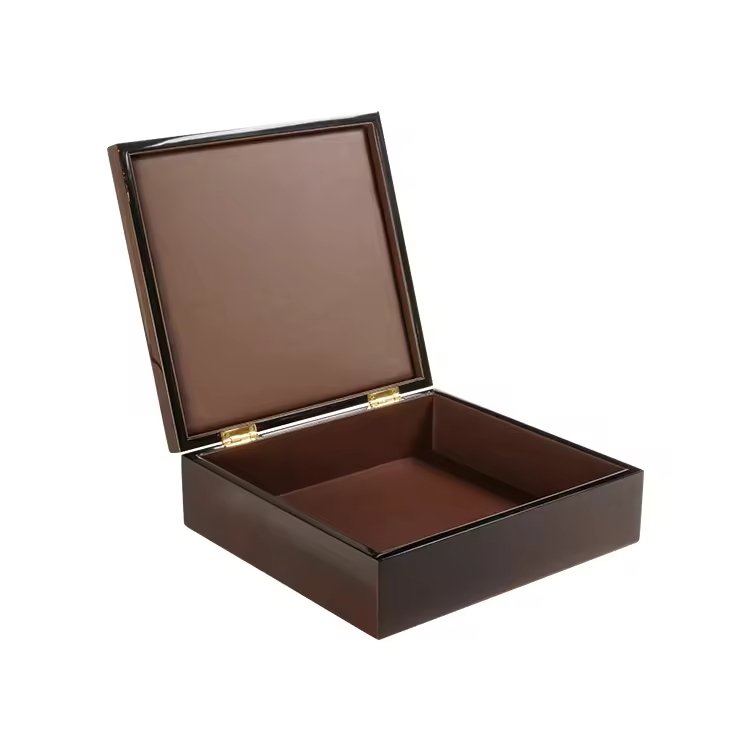
Hinged lids introduce risks you may not need
Hinges require:
- Precise alignment
- Stable wood moisture
- Extra QC steps
If the product does not require frequent access, these risks are unnecessary.
A top & bottom box removes:
- Hinge alignment drift
- Metal fatigue
- Screw loosening during shipping
Less structure means less to manage.
Better fit for presentation-focused products
When presentation matters more than daily use, the lifting motion feels intentional. It slows the user down.
For many premium products, this controlled reveal feels more appropriate than a mechanical opening action.
Export markets benefit more from simplicity
If your boxes are shipped long distance, especially overseas, simpler structures usually mean fewer after-sales issues.
No hinges also means fewer customs or inspection-related concerns in some markets.
Cost Breakdown: Where Your Budget Is Actually Spent
Many buyers think top & bottom boxes are automatically cheaper. That is not always true. The cost structure is different, not zero.
Top & bottom boxes save on hardware and labor, but demand higher precision in fitting and finishing.
Where you save money
You save on:
- Hardware cost
- Manual hinge installation
- Hinge-related QC
This is why top & bottom boxes work well for orders around 300–800 pcs. The setup is efficient and repeatable.
Where cost moves instead of disappears
Savings shift into:
- Tolerance control
- Finishing accuracy
- Rework prevention
If the lid fit is wrong, the box instantly feels cheap.
Here is a practical comparison:
| Cost Factor | Hinged Lid Box | Top & Bottom Box |
|---|---|---|
| Hardware | High | None |
| Assembly labor | High | Low |
| Fit precision demand | Medium | High |
| Finish sensitivity | Medium | High |
| Small order efficiency | Low | High |
Tight fit requires process control
Many buyers ask for a “very tight” lid. Tight is fine, but it must be controlled.
In practice, we usually keep the lid gap at:
- 0.8–1.2 mm depending on finish
Below this range, lids may stick after finishing or shipping. Above this range, the box feels loose.
This tolerance must be confirmed with a golden sample before mass production.
Finishing becomes more visible
Because the structure is simple, surface flaws are easier to notice. This means:
- Higher finishing standards
- More inspection
- Better protection during handling
These costs are real and should be planned early.
Overlooked Technical Details and Hidden Risks in Top & Bottom Boxes
Top & bottom boxes fail when buyers assume simplicity means “easy.” The risks are different, not absent.
The biggest hidden risk is poor tolerance planning after finishing layers are applied.
Finish thickness must be calculated early
Paint, PU coating, leather, and veneer all add thickness. If this is not built into the structure design, the lid will not behave as expected.
Tolerance planning must start before:
- Wood cutting
- CNC sizing
- Sample approval
Fixing this later often means rework.
Consistency matters more than perfection
A perfectly tight lid on one box means nothing if others feel loose.
Premium perception comes from consistency. This is why:
- One golden sample is not enough
- Production checks must reference the confirmed sample
- Random inspections matter
Consistency protects brand trust.
Insert pressure can affect lid feel
The insert can push upward. This changes how the lid feels when lifted.
This interaction must be tested with:
- Final insert material
- Final product weight
- Final finish
Testing parts separately is not enough.
Shipping still causes wear
Even without hardware, friction between lid and base can damage finishes during vibration.
Inner packaging, orientation, and spacing inside cartons must be planned. Simpler boxes still need smart logistics design.
A Practical Decision Framework: Should You Choose This Structure?
I always guide clients back to function and risk. The decision does not need to be emotional.
Choose a top & bottom wooden box when presentation matters more than access, and when you want to minimize long-term structural risk.
The three practical questions
I ask these early:
- Will the box be opened frequently after purchase?
- Is the unboxing moment more important than convenience?
- Do you want fewer moving parts and lower export risk?
If the answers align, this structure is usually the smarter choice.
Matching structure to brand strategy
Brands that use top & bottom boxes often value:
- Stability
- Longevity
- Quiet confidence
They do not need mechanisms to prove quality.
Premium does not need explanation
When the box opens smoothly, feels balanced, and stays consistent over time, users understand the value without being told.
That is real premium packaging.
Conclusion
Top & bottom wooden boxes work because they reduce risk, control cost, and focus on the product. When usage is limited and presentation matters, simpler structures perform better.
WoodoBox – Premium Wooden Packaging Manufacturer in China
Custom Wooden Boxes, Crafted to Perfection


 English
  Español
  Português
  Deutsch
  Français
  Italiano
  العربية