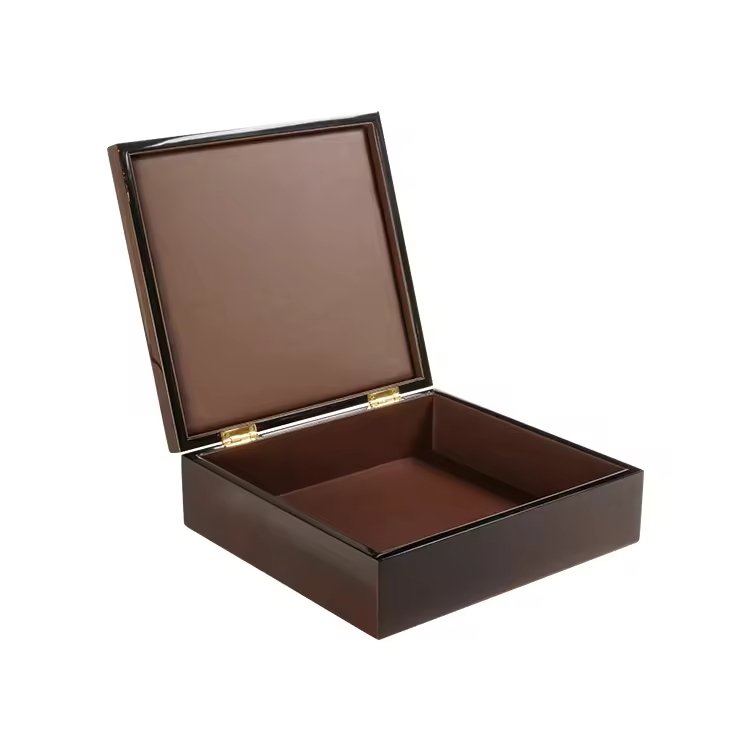
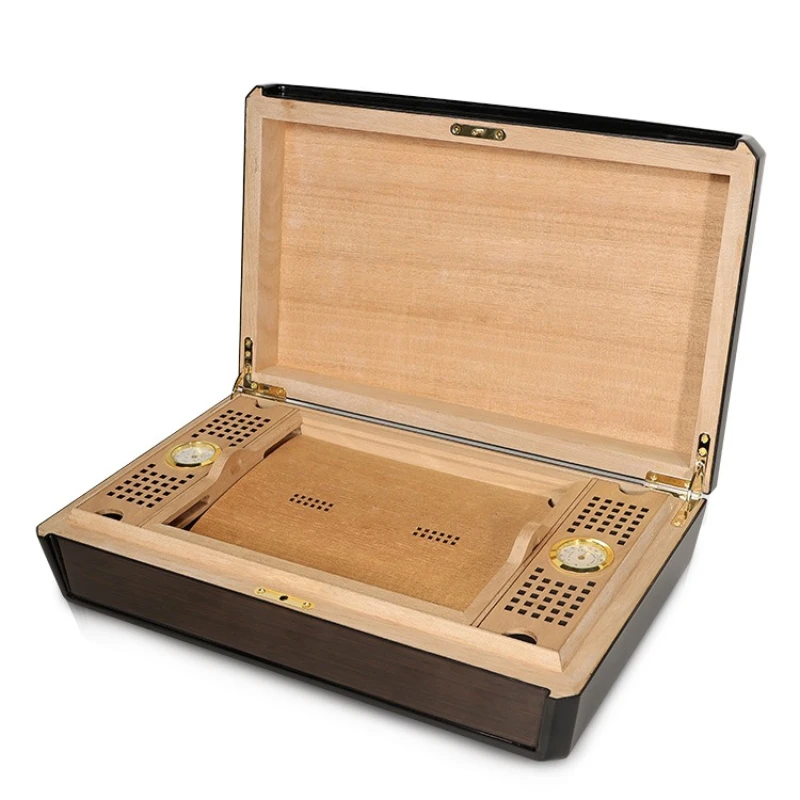
Extreme climates with heat, cold, or seasonal swings put cigars at risk. Boxes alone may not be enough.
Cigar box structures should include compensation design for temperature and humidity when external climate differences are large.
The right structure and materials protect cigars so they stay stable no matter the outside conditions.
How do big temperature differences impact cigar quality inside the box?
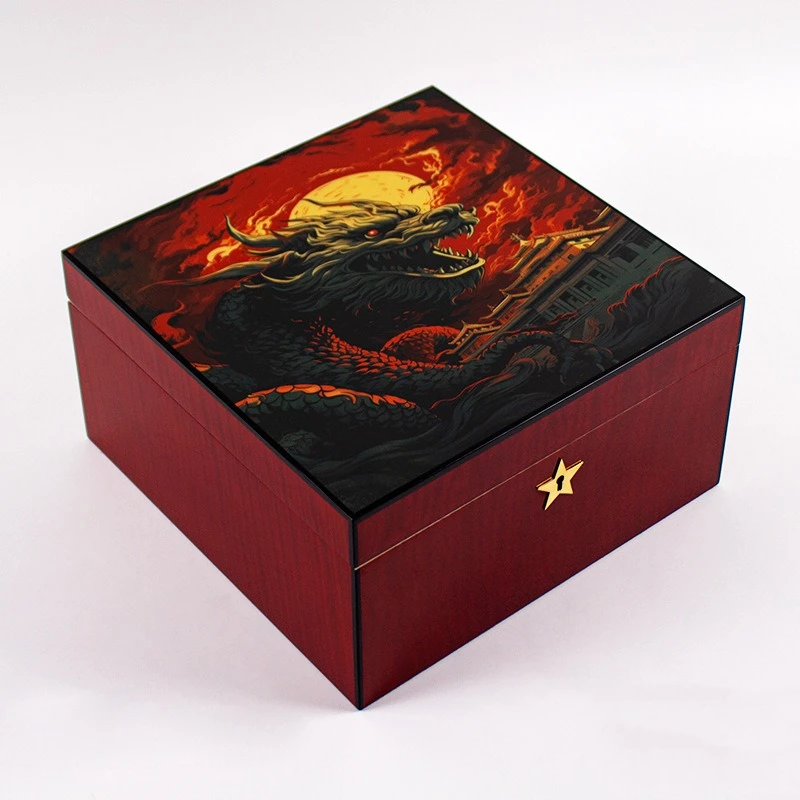
Cigars are natural products, sensitive to heat and cold. Big shifts cause serious damage.
Large temperature differences inside and outside the box cause cigars to expand, contract, or develop mold and cracks.
Problems
- Rapid heat dries cigars, making wrappers brittle.
- Cold plus moisture creates condensation and mold.
- Repeated changes ruin cigar burn and flavor.
My Story
I once shipped boxes to a client in Canada during winter. The cigars cracked after being stored in a room with heating on and then taken outside in the cold. This proved that climate swings must be managed.
Key Point
Without compensation design, temperature changes destroy cigar structure faster than any other factor.
What structural features can help stabilize internal humidity despite climate changes?
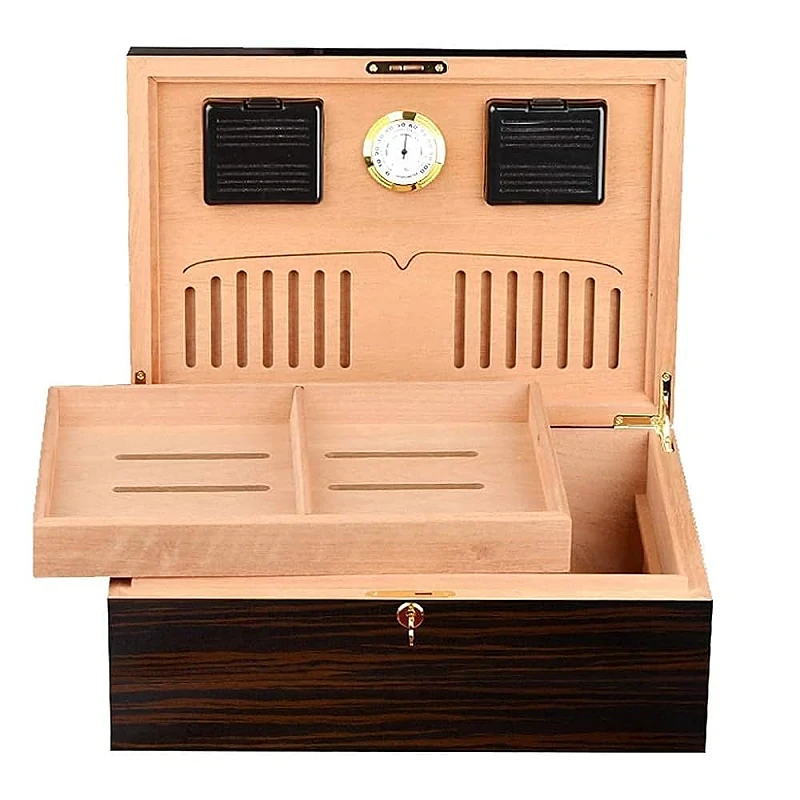
Even if climate changes outside, the box interior should resist swings.
Structural features like tight seals, air channels, and cedar lining stabilize humidity across climate changes.
Useful Features
- Precision lid sealing to block outside air.
- Internal vents for balanced airflow.
- Spanish cedar lining to absorb and release moisture.
My Practice
For clients in tropical areas, I design boxes with double seals and cedar trays. Even when outside air is humid, the box balances it inside. This helps cigars stay smooth and consistent.
Insight
Structure must act like a filter, slowing down climate impact on cigars.
Should insulation layers or double-wall structures be considered for protection?
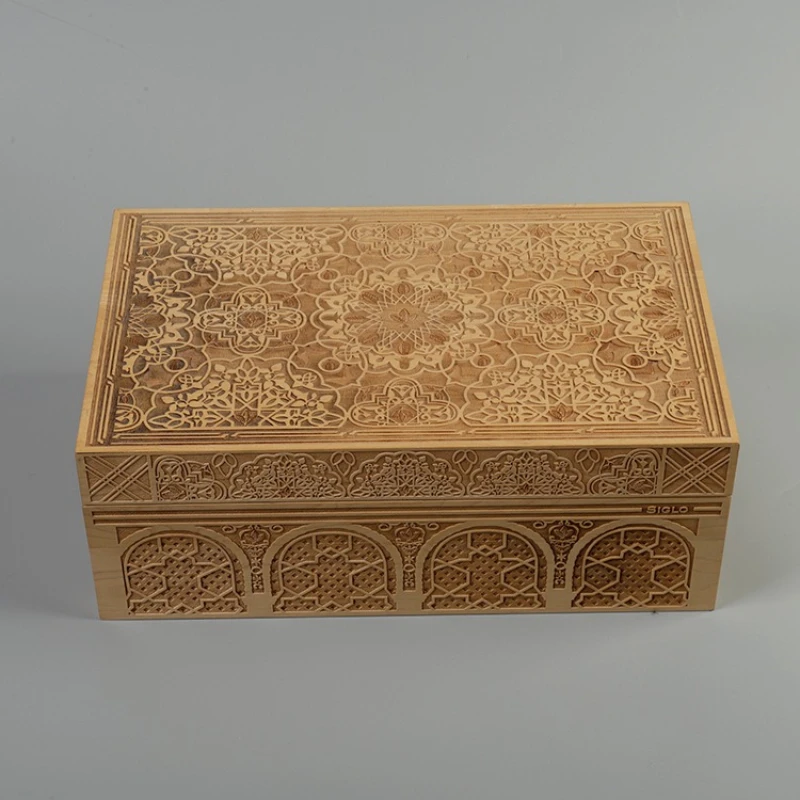
One wall of wood may not be enough in extreme climates.
Insulation layers or double-wall structures help reduce sudden changes in temperature and humidity inside the box.
Options
- Double-wall design: air gap between walls works as insulation.
- Foam-backed veneer: light and protective.
- Metal or acrylic inner layer: extra barrier for premium humidors.
Example
I once built a double-wall humidor for a Middle East client. The inner cedar stayed cool while the outside heat was over 40°C. This proved insulation can protect cigars in harsh conditions.
Key Idea
Extra walls slow down climate transfer, giving humidifiers time to stabilize.
How can the choice of wood type influence natural temperature and moisture balance?
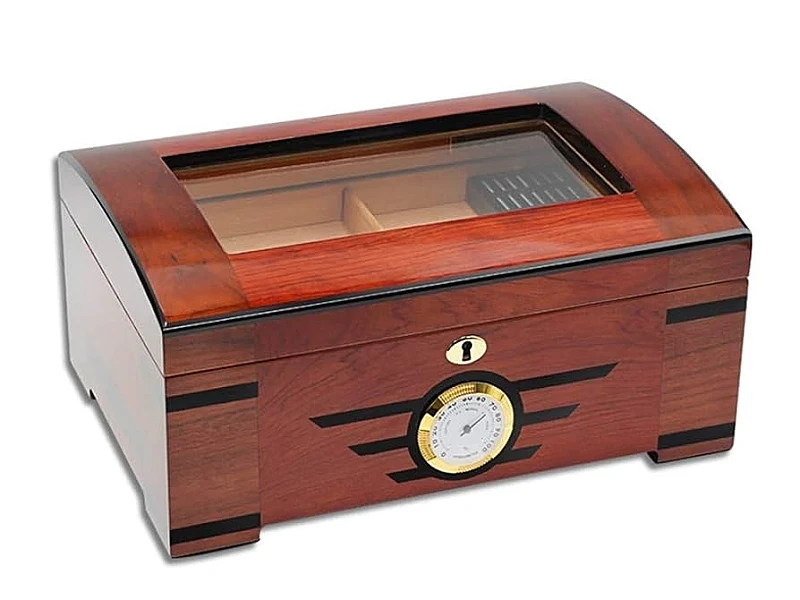
Not all woods perform the same in changing climates.
Wood type influences balance because some woods regulate moisture better and resist temperature swings.
Wood Options
| Wood Type | Effect |
|---|---|
| Spanish Cedar | Moisture regulator, insect resistant |
| Mahogany | Stable, less aromatic, durable |
| MDF + veneer | Affordable but needs cedar lining |
My Note
I once tested two boxes: one lined with cedar, one with plain MDF. After a week in a humid climate, the MDF box cigars swelled unevenly. The cedar box stayed balanced. The difference was clear.
Insight
Wood is not just structure. It is a natural climate stabilizer inside the box.
Is it necessary to integrate modern humidification or climate-control devices?
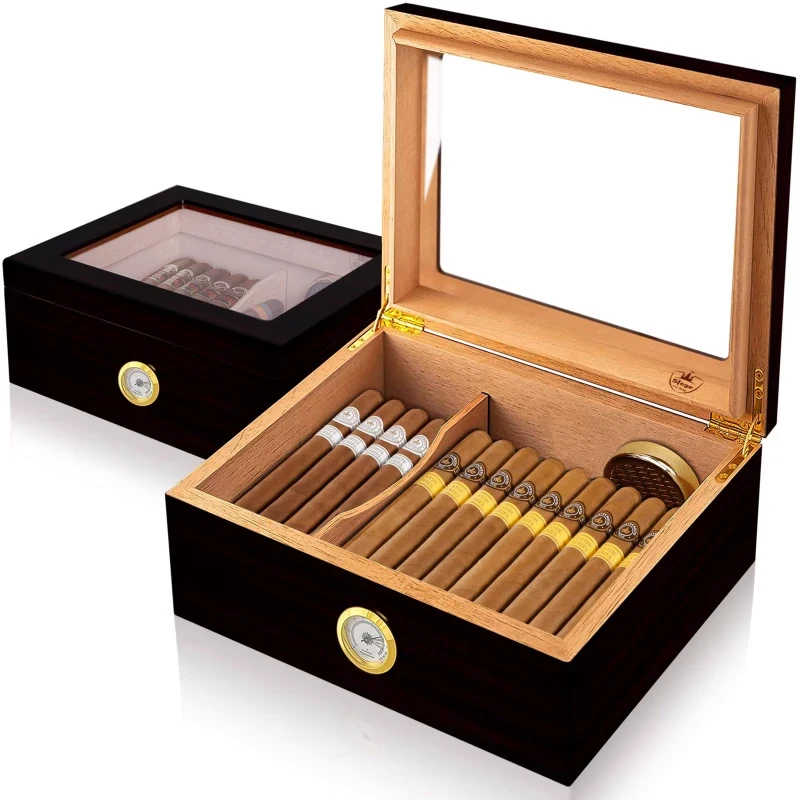
In tough climates, passive design may not be enough.
Modern humidification or climate-control devices ensure precise stability when climate changes are too extreme.
Options
- Boveda packs or gel jars for small boxes.
- Electronic humidifiers for large cabinets.
- Smart sensors for constant monitoring.
Example
For a luxury cigar lounge in Dubai, I built wooden cases with integrated electronic humidifiers. Customers loved that cigars stayed perfect even with desert heat outside. This proved that technology can support traditional design.
Key Idea
When climate is too harsh, wood alone is not enough. Devices complete the system.
What maintenance practices support long-term stability in extreme environments?
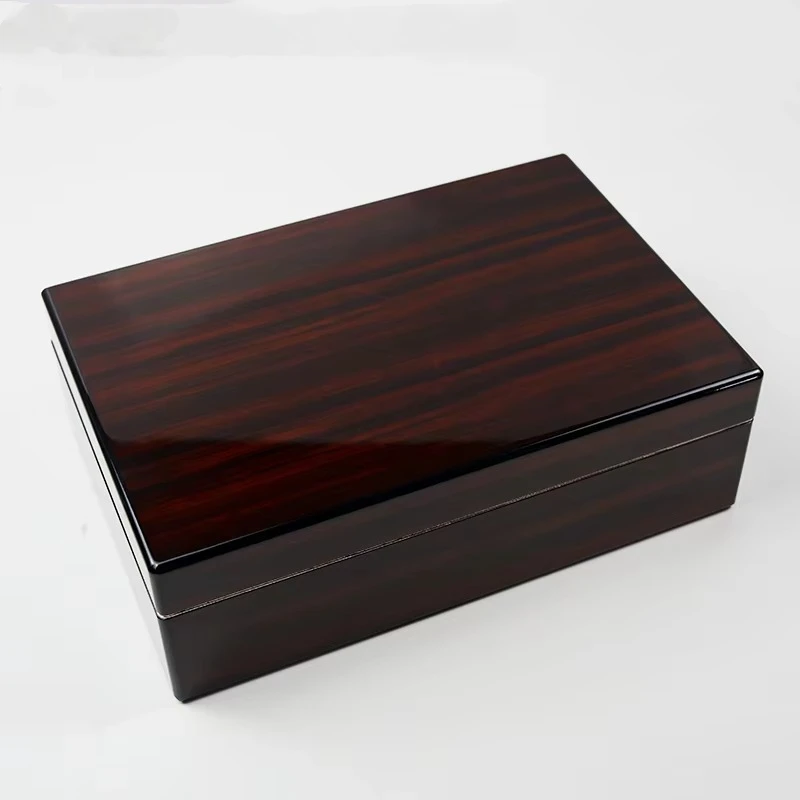
Design works best when combined with good habits.
Maintenance practices like rotating cigars, checking hygrometers, and refilling humidifiers support stability long-term.
Best Practices
- Rotate cigars across layers every few weeks.
- Monitor both temperature and humidity, not just one.
- Keep the box away from direct sunlight or heaters.
- Refill and clean devices on schedule.
My Story
A client once left his humidor near a window in summer. The sun raised internal temperature above 30°C. Cigars went bad. After moving the box to a stable corner, the same cigars stayed perfect.
Takeaway
Even the best structure needs daily care to survive extreme climates.
Conclusion
In regions with big climate differences, cigar boxes need insulation, cedar, sealing, and sometimes technology to protect cigars from sudden change.
Brand Name: WoodoBox
Slogan: Custom Wooden Boxes, Crafted to Perfection
Website: www.woodobox.com
WhatsApp: +86 18359265311



 English
  Español
  Português
  Deutsch
  Français
  Italiano
  العربية