When cigars lose or gain moisture too fast, their flavor, burn, and aroma suffer.
A moisture buffer zone inside a cigar box slows down humidity changes and protects cigars from sudden swings. It is commonly used in premium, travel, and multi-layer box designs.
Many cigar lovers overlook this subtle structural feature. But for high-end packaging, it is a critical design decision that separates standard boxes from professional-grade humidors.
What is a moisture buffer zone and why is it important in cigar preservation?
When cigars face unstable humidity, wrappers crack, burn becomes uneven, and taste loses balance.
A moisture buffer zone is a design feature in a cigar box that absorbs and releases humidity gradually, keeping cigars in a more stable microclimate.
A moisture buffer zone usually exists as an inner space or material layer that slows the direct impact of humidity changes. Instead of cigars being exposed immediately to outside RH swings, the buffer zone absorbs the shock first. This design is not only about storage but also about long-term brand reputation. A premium cigar box that maintains cigars perfectly fresh delivers a higher customer experience.
Types of Moisture Buffer Zones
| Buffer Zone Design | Material Used | Purpose |
|---|---|---|
| Lining Buffer | Spanish cedar | Absorbs and releases humidity slowly |
| Double Wall Buffer | MDF + veneer | Reduces direct airflow |
| Hidden Compartment Buffer | Empty pocket space | Creates micro air chamber |
| Base Layer Buffer | Cedar panel under cigars | Provides steady bottom-up humidity |
When I worked with one European cigar brand, their main complaint was customers receiving cracked cigars during winter shipping. After redesigning their boxes with a double-wall cedar lining buffer, returns dropped sharply. This real-world example shows how small design details have a big impact.
How does a buffer zone help stabilize sudden RH changes inside the box?
A dry winter or damp summer can change cigar quality in just hours.
The buffer zone works like a shock absorber. It delays rapid RH shifts so cigars inside remain in a consistent, cigar-friendly environment.
When relative humidity outside the box drops or spikes, the buffer absorbs the difference. Without this zone, cigars experience direct exposure. With the buffer, cigars see only a slow, gradual change. This stability keeps oils intact and prevents wrapper cracking.
Why Stability Matters
- Wrapper Protection: Sudden dryness makes wrappers brittle.
- Flavor Consistency: Oils evaporate slower in stable RH.
- Burn Quality: Even humidity prevents uneven burns.
I often compare the buffer zone to insulation in a house. It does not generate humidity itself, but it maintains equilibrium by slowing down external fluctuations. For brands exporting cigars across climates, this design acts as insurance.
Placement of the buffer zone determines its efficiency.
The buffer zone can be built into lids, side walls, hidden compartments, or base layers. The choice depends on box design and cigar quantity.
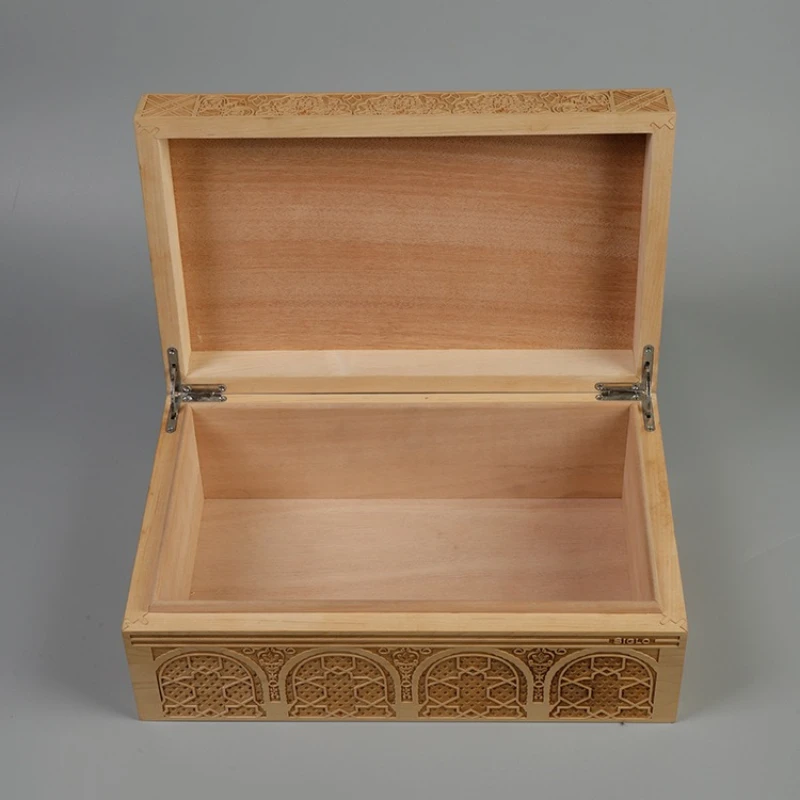
Common Placement Strategies
-
Hidden Compartments
- Ideal for luxury boxes where aesthetics matter.
- The buffer sits unseen but actively regulates air.
-
Lid Buffer Panels
- Works well in small or travel boxes.
- Prevents sudden humidity drop when the lid is opened.
-
Base Layer Panels
- Adds stability from the bottom up.
- Especially good for boxes storing multiple layers of cigars.
During one project, I placed the buffer inside the lid for a Swiss brand that requested minimal box depth. Their cigars traveled well even in winter because the lid absorbed sudden drops of humidity during transport.
How does Spanish cedar lining naturally act as a humidity buffer area?
Cedar is not only traditional but also functional.
Spanish cedar is the most natural humidity buffer material. Its porous structure absorbs and releases moisture, keeping cigars balanced inside the box.
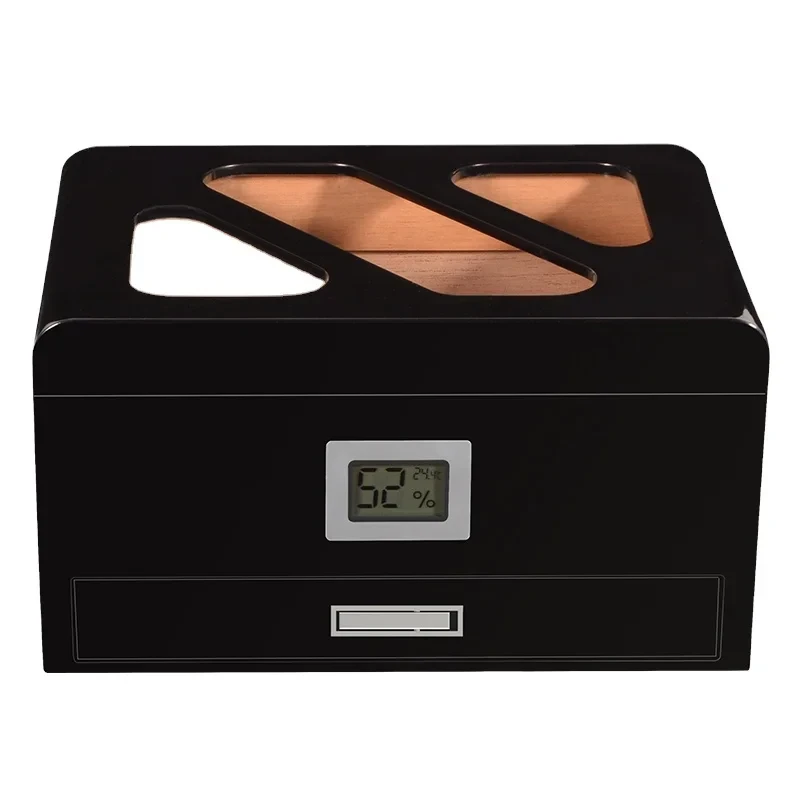
Spanish cedar has been used for centuries in humidors. Its natural oils repel pests, its aroma complements cigars, and its porosity makes it a living regulator. A full cedar lining acts as a built-in buffer without extra mechanical parts.
Key Benefits of Cedar Lining
- Moisture Regulation: Absorbs extra humidity and releases it slowly.
- Aroma Enhancement: Adds subtle cedar fragrance that blends with tobacco.
- Natural Protection: Prevents mold and insects.
When I design a cedar-lined humidor, I always recommend at least 4–6mm thickness. Thinner veneers look nice but cannot store enough moisture to buffer properly. Premium collectors often prefer solid cedar because it doubles the buffering capacity.
In multi-layer or travel cigar boxes, where are buffer zones most effective?
Travel boxes and multi-layer structures face extra challenges.
In travel or multi-layer boxes, buffer zones are most effective in walls and dividers, since these areas absorb shock from frequent handling and climate change.
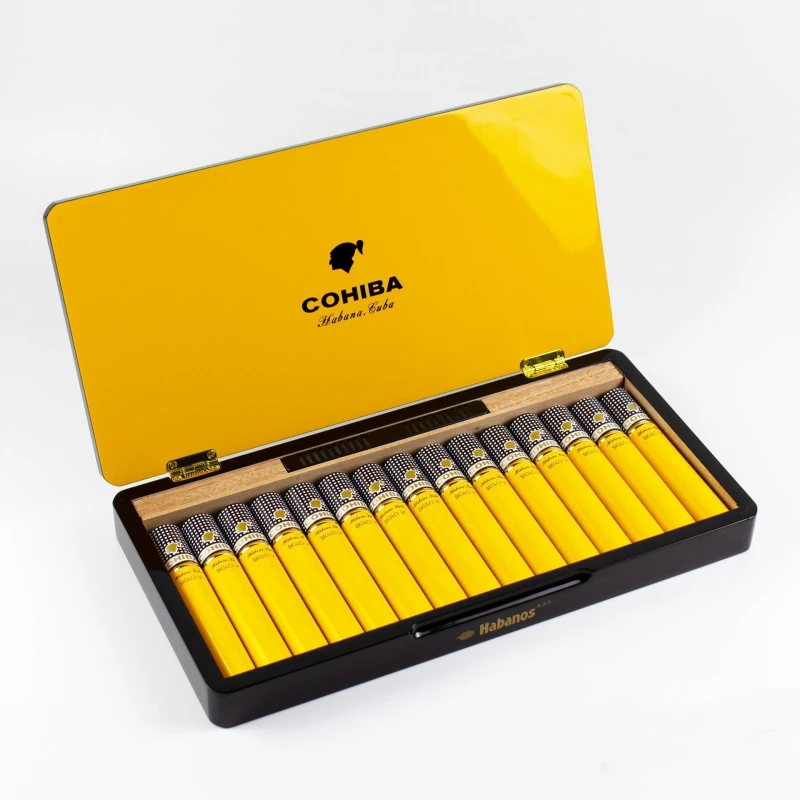
Travel humidors open and close often. Each time, outside air rushes in. Buffer zones inside walls or dividers slow down this effect. In multi-layer designs, each layer of cigars needs separate air balance, so cedar dividers often double as buffer panels.
Example: Multi-layer Buffer Effect
| Box Type | Buffer Location | Result |
|---|---|---|
| Travel Box | Side walls + lid | Slower RH loss during openings |
| Two-Layer Box | Dividers between trays | Equal RH in top and bottom layers |
| Large Cabinet Box | Back panel buffer | Consistent circulation inside |
I remember one collector in Germany who wanted a portable cigar case for business trips. He complained his cigars became dry after two flights. By adding cedar side-wall buffers inside his case, the cigars stayed intact for weeks, even with frequent lid openings.
Can modern hybrid designs combine cedar zones with electronic humidifiers for better stability?
Traditional cedar works well, but technology offers more.
Modern hybrid cigar boxes use cedar lining as a natural buffer while pairing it with small electronic humidifiers for precise control. This combination ensures maximum stability.
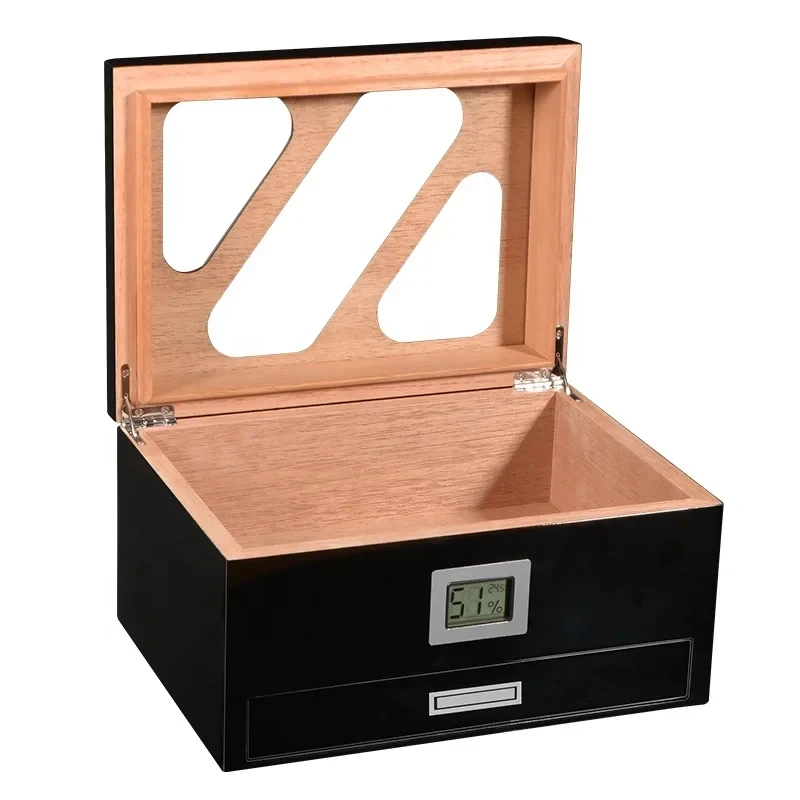
Today, some premium brands include USB-powered humidifiers inside travel humidors. These devices adjust humidity digitally. But without cedar, they work too aggressively. By combining cedar lining with an electronic unit, the box maintains balance. The humidifier provides precision, and the cedar buffers sudden changes.
Advantages of Hybrid Designs
- Precise RH Control: Keeps target humidity levels steady.
- Natural Aroma Retention: Cedar adds traditional fragrance.
- Backup Safety: If the device fails, cedar still buffers.
In one luxury project, we built a piano-lacquer humidor with both cedar lining and a hidden electronic humidifier. The customer was a Middle Eastern collector who wanted absolute stability in a desert climate. The hybrid solution allowed his cigars to stay perfect year-round.
Conclusion
A well-placed buffer zone turns a cigar box into a professional humidor that protects cigars from sudden changes and keeps them at peak quality.
Brand Name: WoodoBox
Slogan: Custom Wooden Boxes, Crafted to Perfection
Website: www.woodobox.com
WhatsApp: +86 18359265311



 English
  Español
  Português
  Deutsch
  Français
  Italiano
  العربية