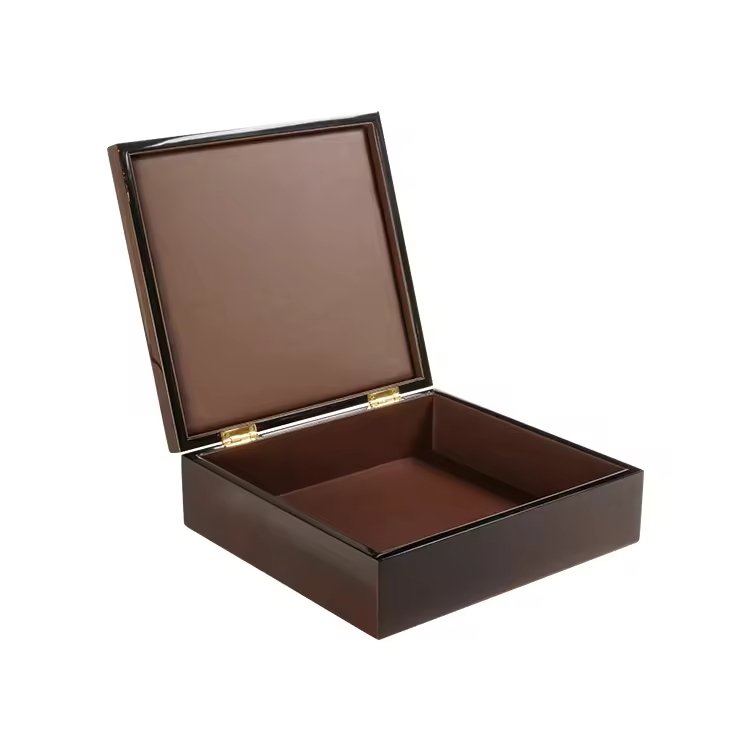
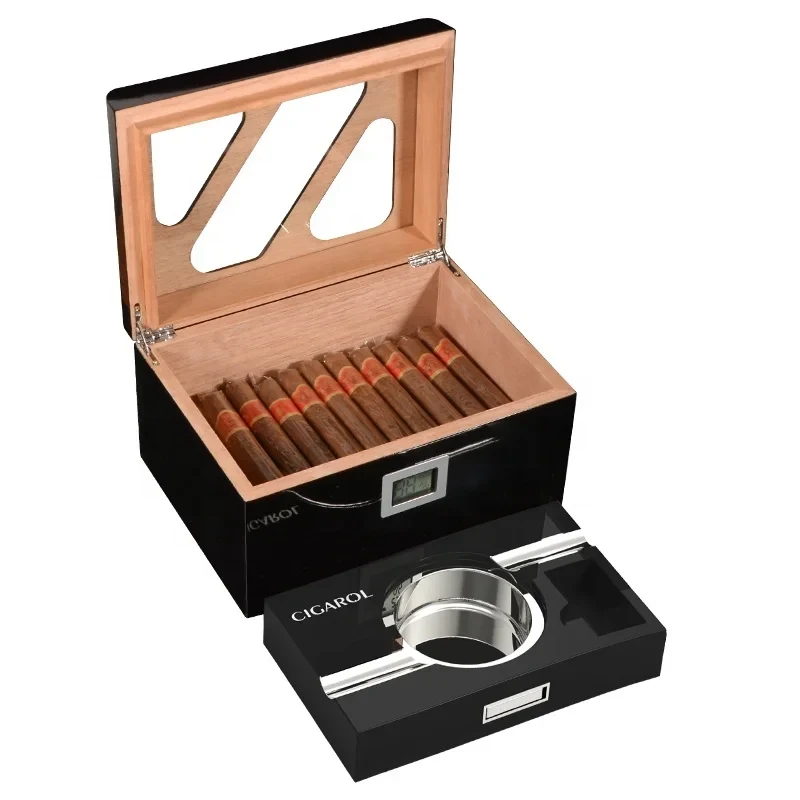
Moisture can make or break a solid wood cigar box. Many brands underestimate how easily wood reacts.
Yes, solid wood cigar boxes are more likely to crack or warp when moisture absorption is uneven. Engineered wood, by contrast, is more dimensionally stable and less prone to deformation.
That does not mean solid wood cannot be used. With the right design, finishing, and maintenance, its beauty and prestige can be preserved.
Why does solid wood react differently to changes in humidity compared to engineered wood?
Moisture changes cause stress in wood fibers. This stress leads to swelling or shrinking.
Solid wood expands and contracts across the grain, while engineered wood is layered to balance these movements, making it more stable in humidity changes.
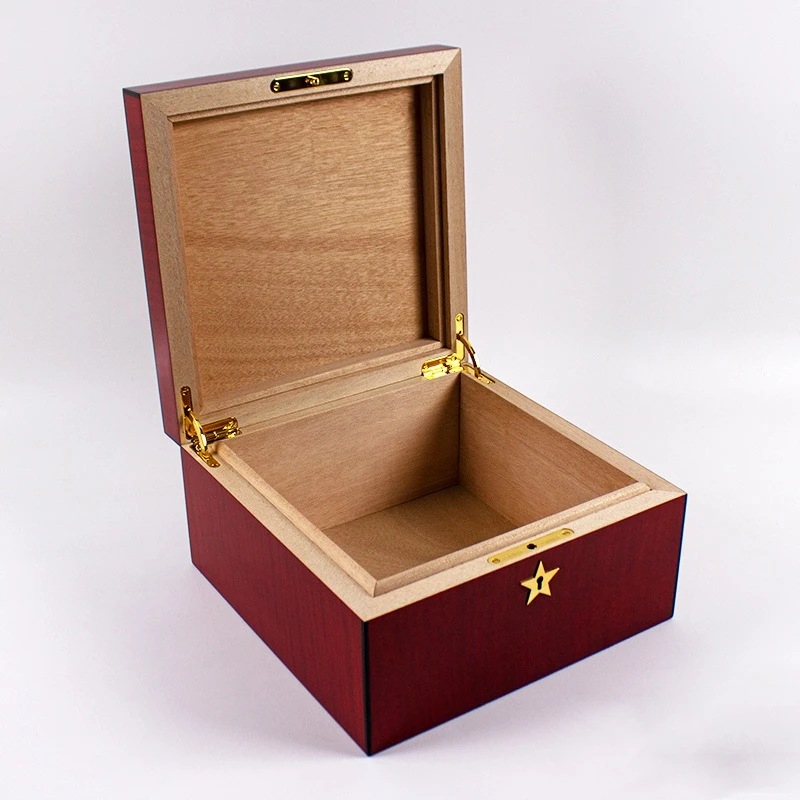
When I design cigar boxes, I see solid wood “breathe.” Each board takes in and releases moisture from the surrounding air. This movement is natural but uneven. The outer layer of the board absorbs faster than the inner core. This imbalance causes stress. The stress turns into cracks or warping when the wood cannot balance itself.
Engineered wood is different. It is made from thin layers, often veneers glued in alternating grain directions. This structure makes the board resist swelling and shrinking. It does not fight itself the way solid wood does. For packaging buyers, this is why engineered wood is often a safer choice for stable long-term storage.
Comparison Table: Solid Wood vs Engineered Wood
| Caraterística | Madeira maciça | Engineered Wood |
|---|---|---|
| Sensibilidade à humidade | High, reacts strongly | Low, more balanced |
| Risk of Cracking/Warpage | Significant | Mínimo |
| Visual Prestige | Natural, luxurious | Depends on veneer |
| Custo | Higher for premium species | More economical |
| Sustentabilidade | Lower yield, more waste | Better material efficiency |
Solid wood carries prestige and natural beauty, but buyers must weigh stability against appearance. This is especially true for humid-sensitive products like cigars.
How does uneven moisture absorption lead to cracking or warping in cigar boxes?
Moisture enters wood unevenly. That imbalance creates stress inside the board.
Uneven absorption causes one side to expand faster than the other. The imbalance bends or splits the wood fibers, leading to warping or cracks.
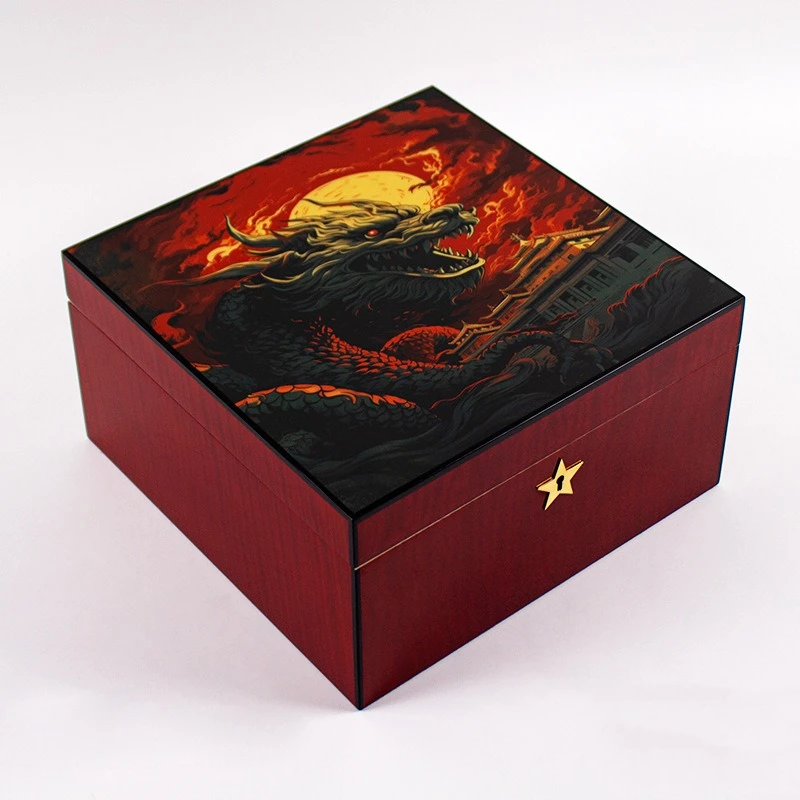
I have seen this happen often in humid cigar storage rooms. A solid cedar lid can absorb surface moisture quickly. The inside of the lid, however, stays drier. The top layer swells while the underside resists. Over time, the board bends. If the stress builds too much, the lid cracks.
Warping is a more gradual process. The fibers on one side are longer than the other. The wood curves, like a bow. This can ruin the lid’s alignment. Cracking is more sudden. When stress exceeds the strength of the fiber bond, the wood splits.
Key Factors That Increase the Risk
- Seasonal humidity swings: Large fluctuations accelerate stress.
- Thickness of the wood: Thicker boards absorb unevenly across layers.
- Grain direction: Cross-grain exposure increases the imbalance.
- Improper sealing or finishing: Leaves wood fibers exposed on some surfaces.
When I explain this to buyers, I always stress one point: cigars need a humid environment. Wood in that same environment will always move. The challenge is controlling how much it moves.
What role does wood type (cedar, oak, walnut, etc.) play in durability against moisture?
Not all woods are equal. Each species has its own density and fiber structure.
Cedar handles moisture well and is commonly used in cigar boxes, while dense woods like oak or walnut are more prone to cracking under uneven humidity.
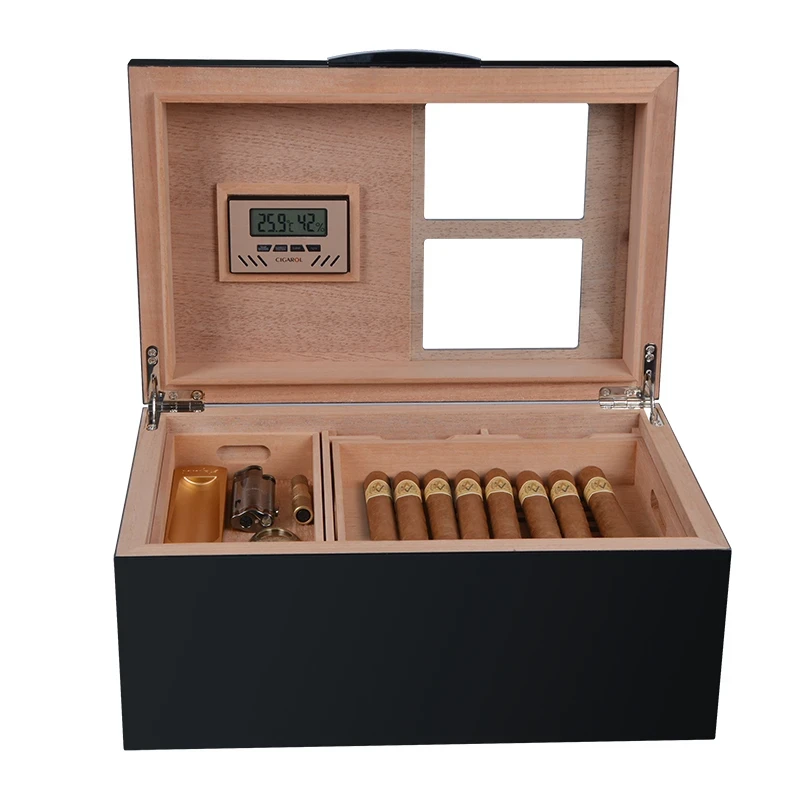
Spanish cedar is the classic choice. It has medium density, good porosity, and natural oils that resist mold. It absorbs and releases moisture more evenly than many hardwoods. This stability is why premium humidors use it.
Oak, while strong, has open pores and dense fibers. It absorbs water quickly but unevenly, which often causes cracks. Walnut is luxurious and beautiful, but also dense. Once moisture penetrates, it does not leave evenly. Both oak and walnut require careful finishing and sealing to be used safely.
Comparative Table: Common Woods in Cigar Boxes
| Tipo de madeira | Resistência à humidade | Durabilidade | Risk of Warping | Caso de utilização típico |
|---|---|---|---|---|
| Cedro espanhol | Elevado | Excelente | Baixa | Humidors, premium cigar boxes |
| Carvalho | Moderado | Bom | Médio-Alto | Luxury exterior panels |
| Noz | Moderado | Elevado | Médio | High-end decorative boxes |
| Mogno | Bom | Bom | Baixo-Médio | Traditional luxury boxes |
When I work with clients, I suggest cedar for internal components like linings and dividers. For outer shells, a veneered walnut or oak often works better than pure solid boards. This way, they can enjoy the prestige of expensive species without the risk of deformation.
Can proper design and construction methods reduce the risk of deformation in solid wood cigar boxes?
Design choices matter. Construction can either control or amplify natural wood movement.
Yes, careful design reduces risks. Using thinner panels, correct joinery, and veneering techniques can prevent cracks and warping in solid wood cigar boxes.
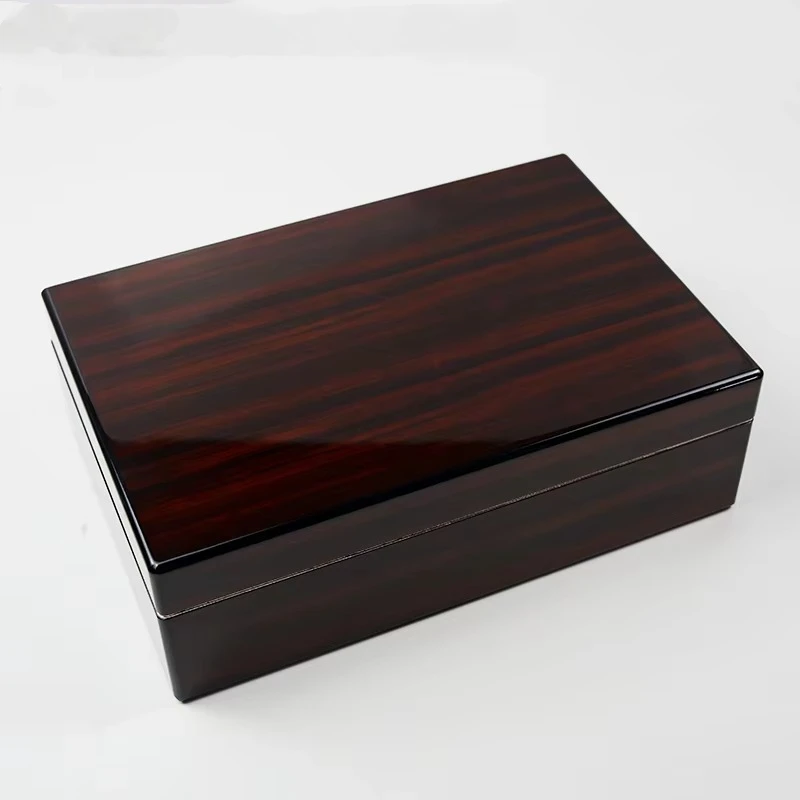
For example, when I design a cigar box lid, I avoid thick solid slabs. Instead, I use thinner panels or engineered cores with veneers. This reduces stress buildup. Proper joinery like tongue-and-groove or dovetail connections also allow small movements without breaking.
Another important method is wood conditioning. Boards should be dried to the correct moisture content before production. If not, they will move heavily after shipment. I once had a buyer in Florida who received a batch of walnut boxes. They cracked within weeks because the wood was dried only for Chinese factory conditions, not for Florida humidity. After that, I implemented dual-phase conditioning for export orders.
Design Tips for Stability
- Utilização veneered MDF or plywood cores for large flat panels.
- Avoid wide solid wood boards in lids or bases.
- Aplicar finishes to all surfaces, not just one side.
- Jogo grain direction to reduce stress across joints.
- Allow wood to acclimate to the target climate before assembly.
In luxury packaging, design is as important as material. Many cracks can be prevented at the drawing board stage.
What preventive measures (like humidity control or finishes) can help maintain the stability of solid wood cigar boxes?
Even the best design needs care after production. Environment and protection play a big role.
Humidity control and protective finishes are key. Maintaining 65–70% humidity and applying proper sealants help prevent solid wood from cracking or warping.
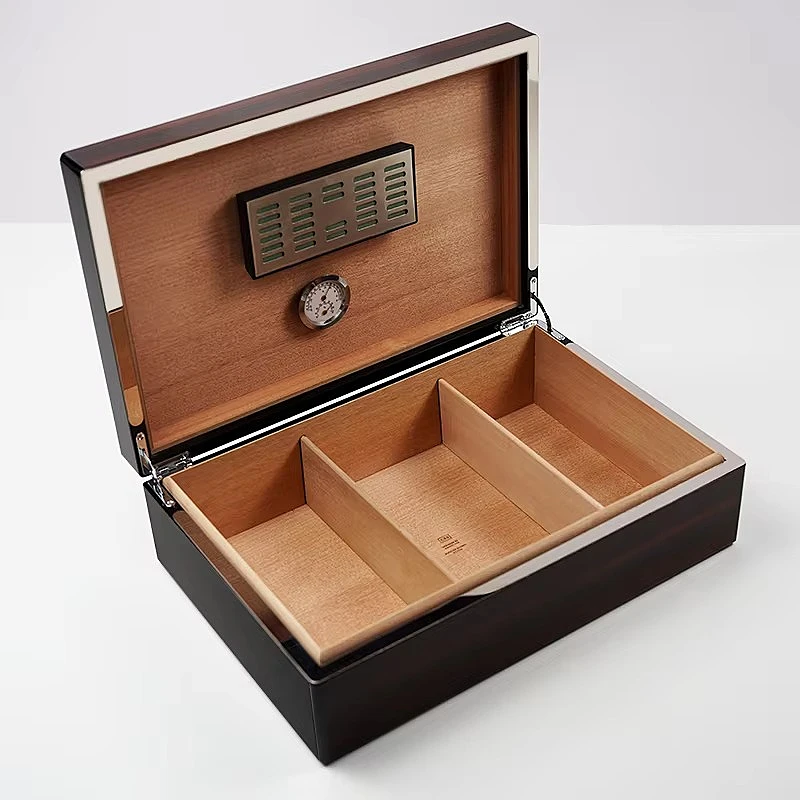
When cigars are stored, they require humidity around 70%. That environment is also where wood struggles most. Without preventive care, cigar boxes quickly deform.
One approach is finishing. Sealing all sides with lacquer, oil, or polyurethane slows down moisture exchange. I prefer high-gloss piano lacquer for luxury boxes. It looks elegant and creates a strong barrier.
Another is controlo da humidade. In humidors or storage rooms, consistent humidity must be maintained. Sudden swings are the biggest enemy. Even a 10% drop in one day can trigger cracks in cedar. I advise buyers to use digital hygrometers and automatic humidifiers.
Preventive Measures Checklist
- Apply finishes evenly on all surfaces.
- Use desiccants or humidity packs in transport.
- Store boxes at stable humidity (65–70%).
- Avoid direct sunlight or sudden temperature changes.
- Use internal cedar linings to buffer humidity shifts.
Preventive care is often cheaper than repair. Once solid wood cracks, it cannot be truly fixed.
When should brands choose solid wood vs. veneered or engineered wood for cigar packaging?
The choice depends on balance between prestige and stability.
Solid wood is best for prestige and luxury, while veneered or engineered wood is ideal for consistent quality, larger volumes, and humid climates.
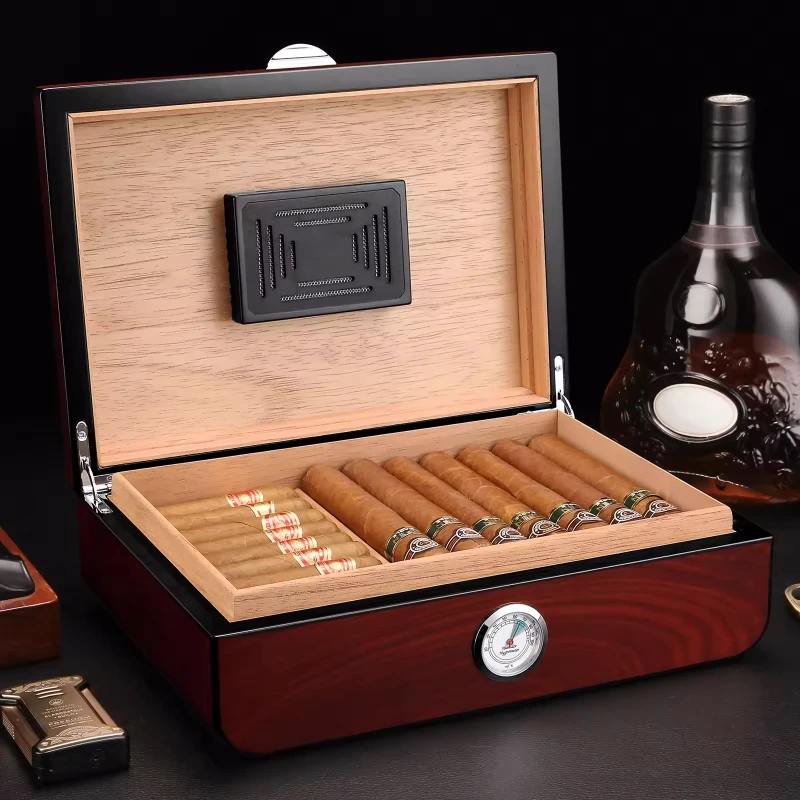
If the goal is to impress buyers with a natural and authentic material, solid wood is unmatched. A thick walnut or cedar box signals exclusivity. But it comes with risks and costs. For large-scale retail packaging, I usually recommend veneered MDF. It offers the same look but much better stability.
Practical Decision Guide
| Fator | Madeira maciça | Veneered / Engineered Wood |
|---|---|---|
| Prestige Appeal | Muito elevado | High (depends on veneer) |
| Risk of Deformation | Elevado | Baixa |
| Custo | Mais alto | More Economical |
| Ideal para | Limited edition, premium line | Mass production, export packaging |
I often tell clients: if you are producing a collector’s edition with a few hundred boxes, solid wood is worth it. If you are producing tens of thousands, engineered solutions are safer. The reputation risk of cracked boxes in international markets is not worth it.
Conclusão
Solid wood cigar boxes look luxurious but demand care. Engineered solutions give better stability for mass use. Brands should balance prestige with durability.
Nome da marca: WoodoBox
Slogan: Caixas de madeira personalizadas, fabricadas na perfeição
Sítio Web: www.woodobox.com
WhatsApp: +86 18359265311

 Português
  English
  Español
  Deutsch
  Français
  Italiano
  العربية