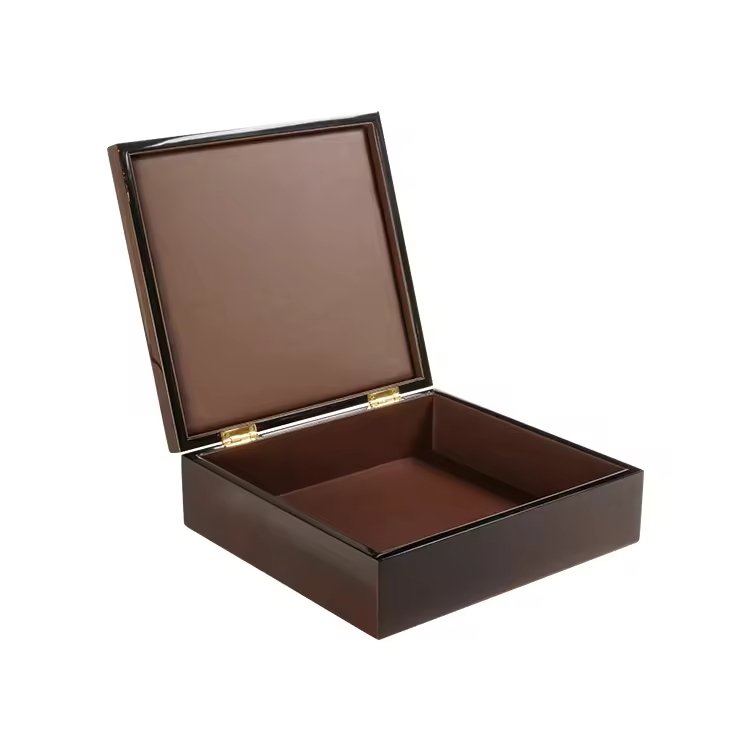
You need strength. You need reliability. Your box must survive long shipping and heavy weight.
Plywood wooden boxes offer strong structural support, better resistance to bending, and improved stability during export shipping, making them a practical choice for large, heavy-duty packaging projects.
In many projects, plywood is not the most eye-catching material. It does not look as refined as solid wood. It is not as smooth as MDF. But when strength and export safety matter most, plywood becomes a very rational option.
What Is Plywood and How Is It Different from MDF or Solid Wood?
You hear the term plywood often. But what exactly is it?
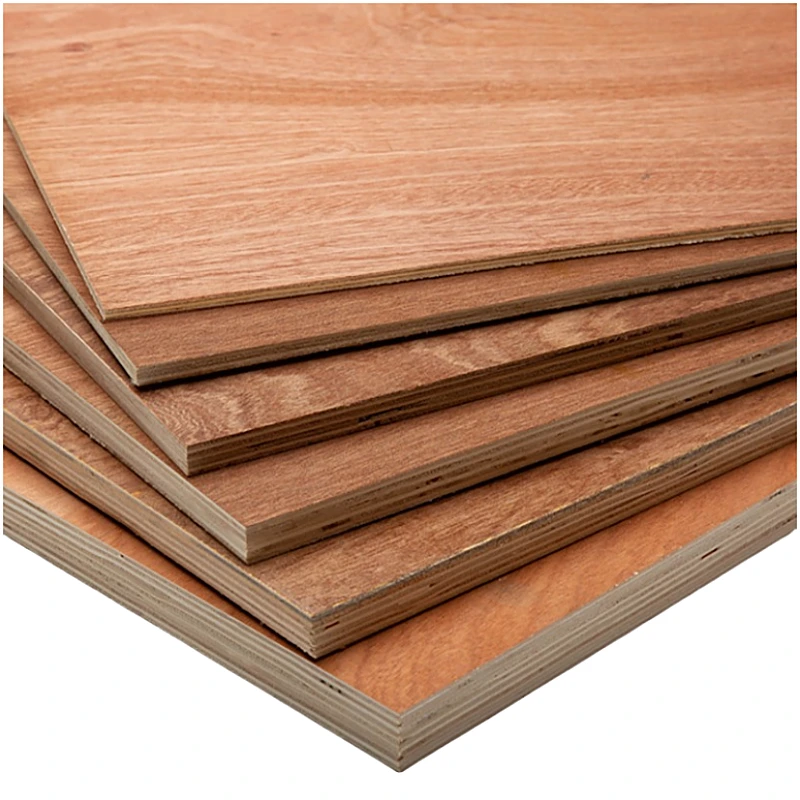
Plywood is made from multiple thin wood layers pressed together in a cross-grain structure, which makes it stronger and more stable than solid wood in some conditions and more load-resistant than MDF.
Plywood is an engineered material. It is built by stacking thin veneers. Each layer’s grain runs in a different direction. Then we press them together with adhesive under heat and pressure.
Cross-Grain Structure Explained
This cross-layer design creates balance. When one layer wants to expand due to humidity, the opposite layer restricts movement. This reduces overall deformation.
Here is a comparison:
| Feature | Solid Wood | MDF | Plywood |
|---|---|---|---|
| Internal Structure | Single timber piece | Compressed fibers | Cross-layer veneers |
| Grain Direction | One direction | No grain | Alternating directions |
| Humidity Sensitivity | Medium to High | Low | Low to Medium |
| Load Bearing | Medium | Medium | High |
Solid wood has natural grain movement. MDF has uniform density but weaker internal fiber bonding under heavy load. Plywood combines layered strength with controlled movement.
Appearance vs. Structure
Visually, raw plywood edges show layers. This is not always suitable for luxury presentation. That is why we often add veneer or coating on the surface.
So plywood is more about performance than visual beauty.
Why Plywood Offers Better Structural Strength
Some projects demand more than just aesthetics. They demand real strength.
Plywood offers better structural strength because its layered construction distributes stress across multiple directions, improving resistance to bending, cracking, and impact.
In my factory, we often use plywood for large or heavy boxes.
Load-Bearing Capacity
For projects like:
- Large wine boxes
- Multi-bottle gift sets
- Heavy electronic gift collections
- Large presentation cases
The base structure must support significant weight.
Plywood handles vertical pressure and side impact better than MDF. The cross-grain structure prevents sudden splitting.
Screw and Hardware Holding Power
When boxes require:
- Heavy hinges
- Metal handles
- Lock systems
Plywood performs better in screw holding strength compared to MDF. Screws anchor more securely between veneer layers.
Impact Resistance
During transport, boxes may experience:
- Vibration
- Stacking pressure
- Sudden shocks
Plywood absorbs stress better than solid wood in many cases. Solid wood can crack along grain lines. MDF can chip at edges. Plywood distributes force across layers.
For structural safety, plywood is often my first suggestion.
The Stability Advantage of Plywood in Export Shipping
Export shipping is not gentle. Containers experience extreme conditions.
Plywood reduces deformation and glue separation risk during long sea shipping because its cross-layer structure controls expansion and contraction more effectively than solid wood.
Sea freight to the USA or Europe usually takes 25–40 days. Inside the container:
- Temperature rises during the day.
- Humidity fluctuates.
- Air circulation is limited.
These conditions test material stability.
Reduced Humidity Sensitivity
Solid wood absorbs moisture quickly. It expands across the grain. When it dries, it shrinks. This cycle can cause small cracks.
MDF is stable in shape but can weaken if exposed to prolonged moisture without proper sealing.
Plywood offers a balance:
- Better humidity resistance than solid wood.
- Better structural integrity under stress than MDF.
Lower Risk of Glue Separation
Modern plywood uses industrial adhesives designed for stability. The layered bonding reduces the chance of sudden splitting.
In export projects, after-sales issues are costly. If a box arrives slightly warped, the brand image suffers.
Plywood significantly reduces that risk.
Practical Export Experience
From my 16 years of experience, when a client says:
- The box is large.
- The shipping distance is long.
- The internal product is heavy.
I usually evaluate plywood first.
It is not about luxury. It is about reliability.
Where Is the Balance Between Cost and Processing Complexity?
Plywood sounds strong and stable. But is it simple to produce?
Plywood offers moderate material cost but may require extra surface treatment if high-end finishing is required, which increases processing complexity.
Cost balance depends on design goals.
Material Cost Level
Plywood typically costs:
- More than MDF
- Less than high-quality solid hardwood
So from raw material perspective, it sits in the middle.
Surface Preparation Challenges
The surface of plywood is not as smooth as MDF. It may have:
- Slight grain texture
- Minor core marks
- Visible edge layers
If the project requires:
- High-gloss piano finish
- Ultra-smooth lacquer
- Mirror-like reflection
We must add:
- Extra base filler layers
- Additional sanding steps
- More careful painting process
This increases labor and time.
Structural vs. Finishing Priority
If the focus is:
- Strength
- Durability
- Large structure stability
Then plywood is efficient.
If the focus is:
- Ultra-luxury glossy surface
- Perfect edge aesthetics
- Fine decorative details
Then MDF may perform better with less finishing work.
So the balance is clear: plywood excels in structure, but finishing may need extra effort.
Which Projects Are Better Suited for Plywood Structure?
Not every project needs plywood. But some projects truly benefit from it.
Plywood is best suited for large-size, heavy-duty, durability-focused packaging projects where structural integrity and export reliability are top priorities.
Here are typical scenarios where I recommend plywood.
Ideal Applications
- Large wine presentation boxes
- Multi-bottle gift sets
- Heavy electronic packaging
- Corporate gift boxes with metal hardware
- Large commemorative collections
In these cases, the box must carry weight without deformation.
Hybrid Structure Approach
Sometimes we combine materials:
- Plywood core for strength
- MDF outer panels for smooth finishing
- Veneer surface for premium look
This hybrid method balances:
- Strength
- Aesthetics
- Cost control
Decision Framework
When choosing plywood, I ask:
- Is the box size large?
- Is the product heavy?
- Is the shipping route long?
- Is durability more important than ultra-smooth finishing?
If most answers are yes, plywood is a rational solution.
From my experience, plywood may not be the most luxurious choice in appearance. But in many real business cases, it protects the product better and reduces risk. That stability builds long-term trust.
Conclusion
Plywood wooden boxes deliver strong structural support and export stability, making them a practical and reliable choice for large, heavy-duty packaging projects.
WoodoBox - Premium Wooden Packaging Manufacturer in China
Custom Wooden Boxes, Crafted to Perfection

 English
  Español
  Português
  Deutsch
  Français
  Italiano
  العربية