I know perfume feels harmless, but its alcohol base can turn small mistakes into real risks.
Perfume is flammable because most formulas use high-proof ethanol that ignites fast, so it can burn when exposed to heat or open flames.
I want to explain this clearly, so you feel confident when you use, store, or ship perfume anywhere.
What ingredients inside perfume make it catch fire easily?
I see many buyers overlook how perfume formulas work, and this creates hidden risks.
Perfume catches fire mainly because of ethanol. This alcohol evaporates fast and burns at a low ignition point, so even small amounts can ignite easily.
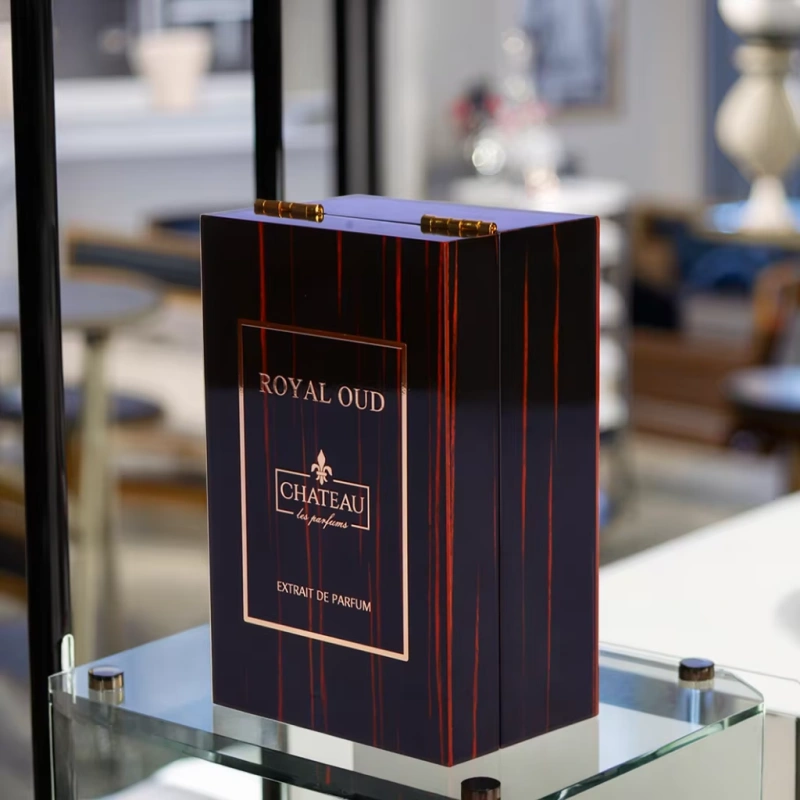
When I produce high-end perfume boxes at WoodoBox, I always study the formulas my clients use. This helps me choose safe structures, padding, and coatings. I know how each ingredient behaves under heat or pressure, and alcohol stands out every time.
The role of alcohol in flammability
Most perfumes contain 60%–95% ethanol. This gives the scent its lift and helps the fragrance spread into the air. Ethanol lights up very fast. It does not need much heat. It does not need a large flame. This one ingredient alone makes perfume fall into the flammable goods category during shipping.
Other volatile components
Perfumes also include:
- Essential oils
- Aroma chemicals
- Fixatives and solvents
Some oils burn more slowly than alcohol, but they still support combustion once the flame starts. When alcohol vapor rises, it mixes with air. This mix spreads. This is why perfume can ignite even if the flame does not touch the liquid directly.
How bottle design affects risk
Thinner glass, loose caps, or bad seals allow more vapor to escape. I see this often when buyers choose low-cost bottles. A strong bottle lowers the chance of vapor leaks and reduces fire risk.
Table: Key Flammable Ingredients and Their Behaviors
| Component | Function in Perfume | Flammability Behavior |
|---|---|---|
| Ethanol | Main solvent | Ignites very fast |
| Essential oils | Scent base | Support slow burning |
| Aroma chemicals | Add complex notes | Ignite when heated |
| Fixatives | Hold scent longer | Burn when alcohol burns |
When I design a perfume box, I consider all these parts. A perfume with high ethanol needs thicker padding, stable inserts, and coatings that do not react to vapor. This thinking protects the perfume and protects the people who handle it.
How dangerous is perfume when exposed to heat or open flames?
People do not see perfume as dangerous, but heat can turn it into a small fire hazard.
Perfume becomes dangerous only when it meets strong heat or open flames, because its alcohol content can ignite fast and spread flames through vapor.
I once worked with a client who stored perfume boxes near a sunny warehouse window. The temperature rose. Some bottles swelled. A few leaked. The alcohol vapor built up under the lids. This was a real risk, even without a flame.
Heat exposure and evaporation
When perfume gets too warm:
- The pressure inside the bottle increases
- More vapor escapes into the air
- Alcohol-rich vapor spreads easily
If this vapor finds a spark, it can light up. Sparks come from simple things, like lighters, candles, or smoking materials.
Open flames and ignition
Perfume sprayed near a flame ignites almost instantly. The mist burns faster than the liquid. This is because a spray creates tiny droplets that mix with oxygen. This makes the burn rapid and aggressive.
Common real-world risks
I see these hazards often:
- People lighting candles on a dressing table full of perfume bottles
- Retail stores using warm lighting too close to displays
- Shipping containers left under direct sun
- Cars parked in hot weather with perfume stored inside
These are small details. But they matter because alcohol reacts the same way in every setting.
Table: Heat Levels and Possible Effects
| Temperature Range | Effect on Perfume | Risk Level |
|---|---|---|
| < 25°C | Stable | Low |
| 25–40°C | Increased evaporation | Medium |
| > 40°C | Pressure buildup/leaks | High |
| > 60°C | Possible deformation | Very High |
When you know these numbers, you can avoid trouble. And as a packaging manufacturer, I use this knowledge to build safer structures for transport and storage.
Are alcohol-free perfumes safer and less flammable?
Many buyers think alcohol-free means risk-free, but this is not always true.
Alcohol-free perfumes are less flammable than ethanol-based perfumes, but some still burn because certain oils and solvents can ignite under heat.
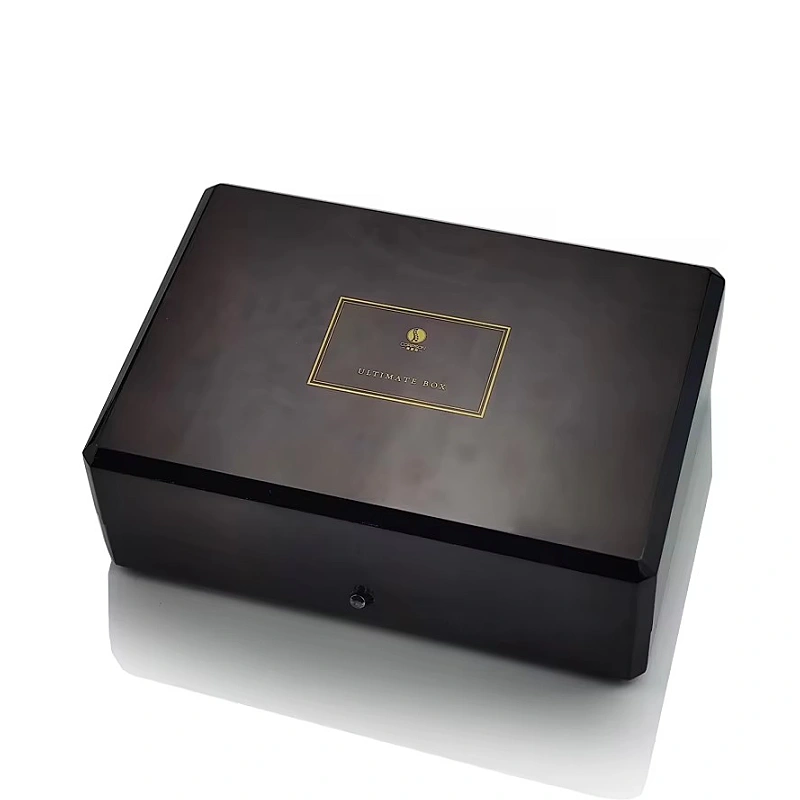
I work with brands that use oil-based formulas, water-based mists, and gel scents. Each one behaves differently, and I adjust packaging designs to match.
Types of alcohol-free perfumes
-
Oil-based perfumes
These use carrier oils like jojoba or fractionated coconut oil. They burn slowly but still burn. -
Water-based perfumes
These use solubilizers. They are much safer around heat. -
Aroma oil rollers
These low-volatility products rarely ignite, but the oils can still fuel a flame once heated.
Why “alcohol-free” does not mean “non-flammable”
Some essential oils have flash points around 70–100°C. This is higher than ethanol but still possible during shipping or storage in hot climates. I ship to clients in the Middle East, where summer container temperatures often exceed 60°C. Oil-based perfumes stay safer in these cases, but they still need strong packaging.
When alcohol-free options help brands
Many luxury brands choose alcohol-free formulas to reduce risks during:
- Air shipping
- Bulk storage
- Retail display under warm lighting
This choice lowers hazard levels and sometimes reduces shipping restrictions. But it does not remove all danger.
Table: Comparing Flammability of Perfume Types
| Perfume Type | Main Base | Flammability Level |
|---|---|---|
| Alcohol-based | Ethanol | Very High |
| Oil-based | Carrier oils | Medium |
| Water-based | Water/solubilizers | Low |
| Gel perfumes | Thickened base | Low–Medium |
When a buyer asks me which product needs safer packaging, I always check the formula. This dictates the box structure, insert shape, and storage plan.
How should you store perfume to reduce fire risks at home or during shipping?
Many fires start with small mistakes in storage. These mistakes are easy to avoid.
You should store perfume in cool, dry, shaded places and keep bottles sealed to reduce vapor spread and fire risk.
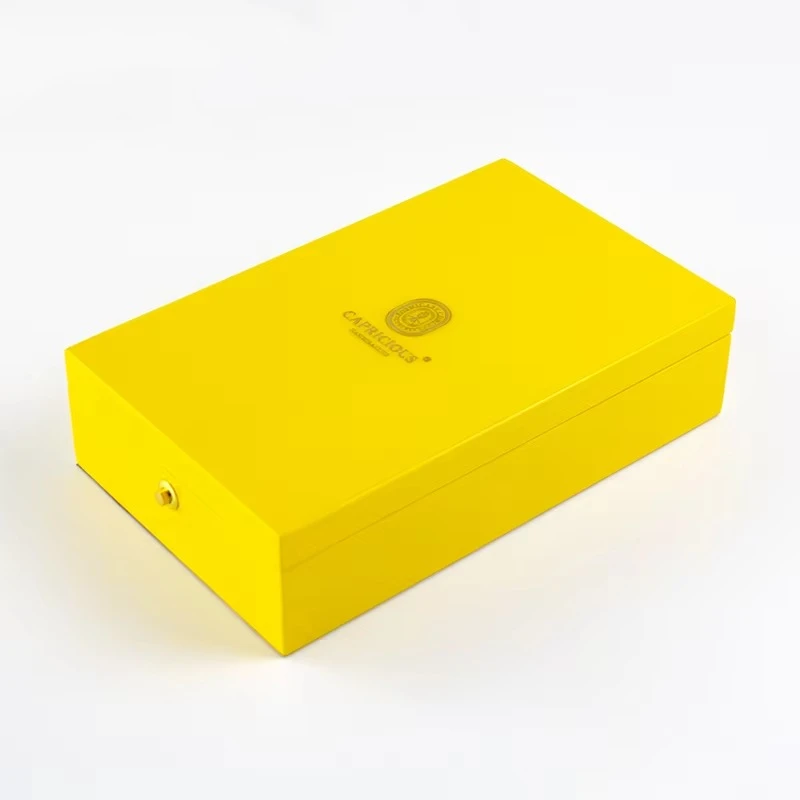
I design packaging every day that must survive long shipping routes, from China to Europe, the USA, and the Middle East. Heat, friction, and pressure are always my top concerns.
Why temperature matters
Heat changes the structure of perfume. Alcohol expands. Bottles crack. Caps loosen. All these create risks. When perfume warms up, vapor escapes and waits for a spark.
Best storage practices at home
I always give clients these simple rules:
- Keep perfume away from windows
- Avoid storing bottles in cars
- Keep them far from candles, lighters, and smoking areas
- Use shelves away from direct sun
- Close caps tightly after each use
Small habits make a big difference.
Safe storage during shipping
Shipping is where I see the most accidents. Boxes fall. Temperatures rise. Cargo stacks shift. I use thick EVA, foam inserts, or molded trays to keep perfume stable. For high-end brands, I add MDF or solid wood frames inside the packaging.
Packaging Materials That Improve Fire Safety
| Material | Benefit |
|---|---|
| EVA foam | Absorbs shock and reduces friction |
| MDF inserts | Block heat transfer to some extent |
| Solid wood frames | Add protection from impact |
| PU lining | Gives cushion and reduces leaking spread |
Even the coating inside the box matters. Piano lacquer and high-gloss finishes can resist mild heat better than thin paper boxes.
Preventing vapor buildup
I avoid airtight outer boxes unless needed. A little airflow prevents vapor concentration. This is important for large shipments where hundreds of bottles sit together.
Storage is simple. But simple steps keep you safe.
Is it safe to travel with perfume on airplanes, especially in checked or carry-on luggage?
Travel rules confuse many buyers, but the basics are clear.
It is safe to travel with perfume on airplanes if you follow liquid limits and pack bottles well, because airlines treat perfume as a regulated flammable liquid.
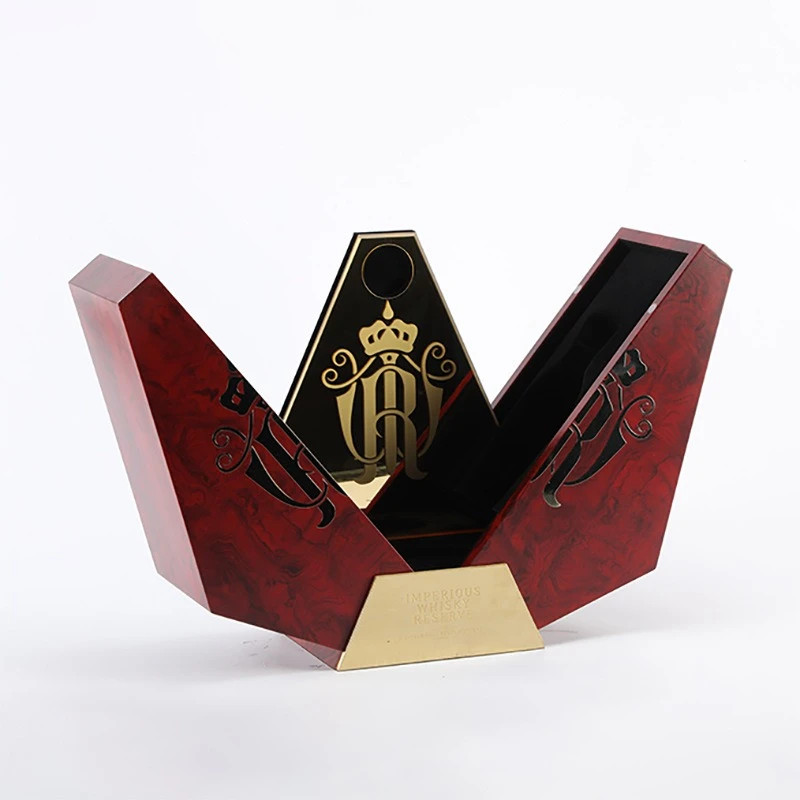
I ship perfume packaging worldwide, so I deal with airline rules often. Perfume is Class 3 flammable liquid, but passengers can still carry it in small amounts.
Carry-on luggage rules
Most airlines follow the TSA 3-1-1 rule:
- Bottles must be 100 ml or less
- All liquids must fit in one clear plastic bag
- The bag must close fully
Perfume fits into this rule.
Checked luggage rules
You can pack perfume in checked bags. But bottles must stay protected. I always tell clients:
- Wrap bottles in clothing or bubble wrap
- Place them in the center of the suitcase
- Avoid placing near sharp or heavy items
Heat inside cargo holds is usually controlled, so fire risk stays low.
Why some perfumes are restricted
Strong concentrations like perfume extract, high-ethanol colognes, or large volumes may require special declaration during commercial shipping. Airlines want to limit flammable vapor buildup. But personal use amounts are small and safe.
Tips for Traveling Safely With Perfume
| Tip | Why It Helps |
|---|---|
| Use travel-size bottles | Lower risk and meet airline rules |
| Pack bottles upright | Reduce leaks |
| Use protective cases | Prevent cracks |
| Keep away from batteries | Avoid sparks |
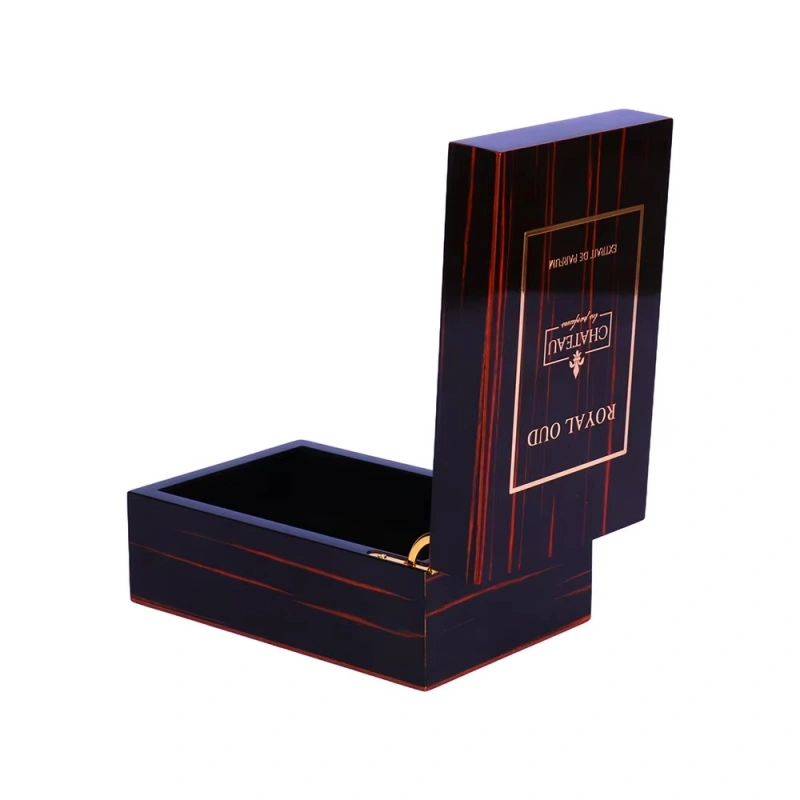
I often design wooden travel cases for luxury clients. These cases protect bottles from heat, light, and pressure. They also give a premium feel for gifting during travel seasons.
Conclusion
Perfume burns easily, but safe storage, smart packaging, and careful transport make daily use simple and safe.

 English
  Español
  Português
  Deutsch
  Français
  Italiano
  العربية