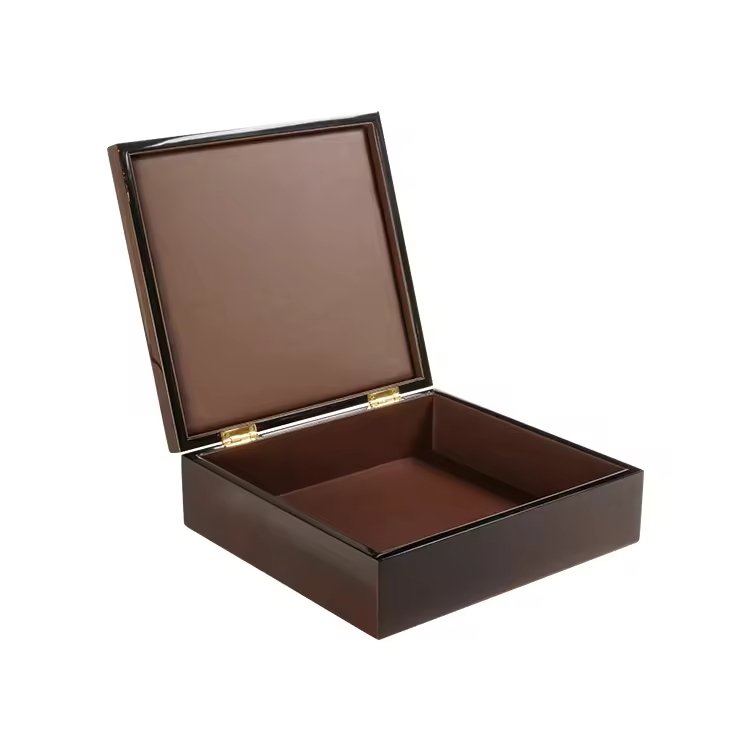
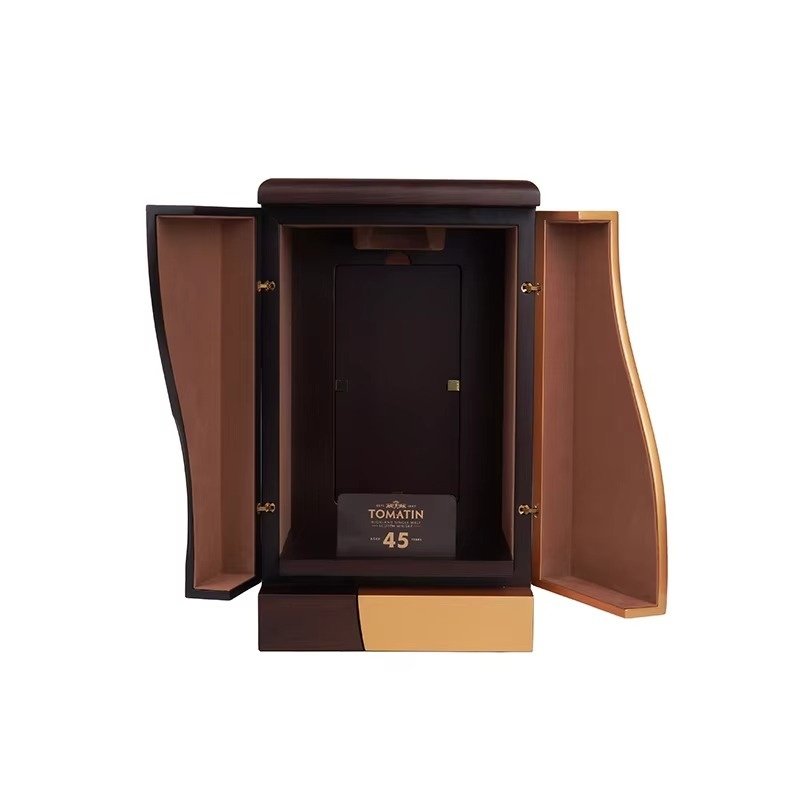
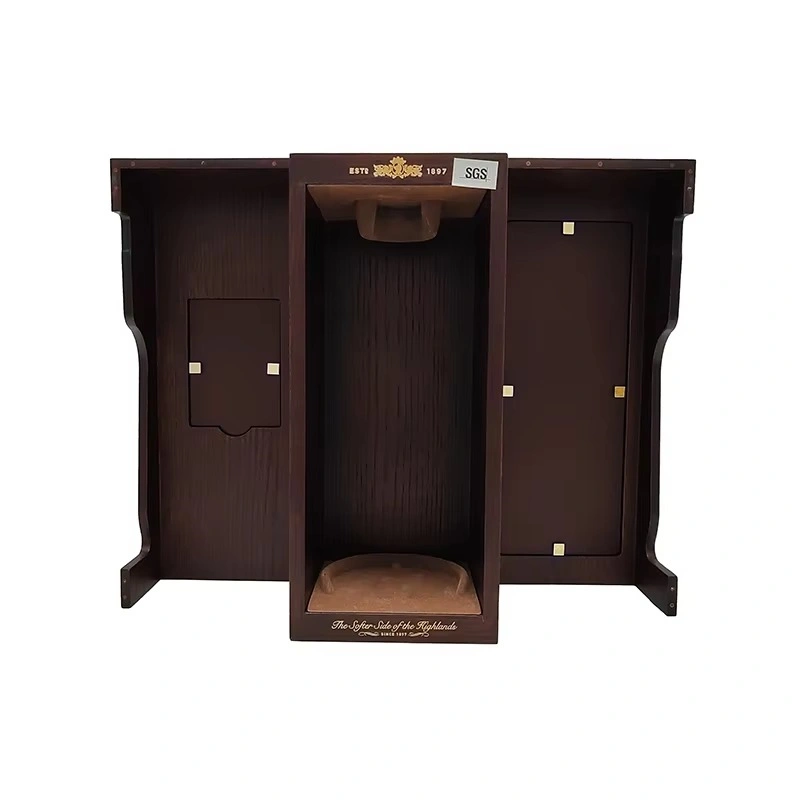
Many buyers fall in love with double door wooden boxes at first sight. The opening moment feels grand. But many later realize it was not the smartest choice.
A double door wooden box creates a strong presentation effect, but it only makes sense for high-value, display-focused products. If your product is mid-range or high-volume, the extra cost, alignment risk, and longer production time may not support your business goals.
I have worked with many brands that chose double doors for visual impact. Some projects succeeded beautifully. Some did not. The difference was never about appearance. It was about strategy. Let me explain clearly from real manufacturing experience.
What Types of Products Truly Benefit from a Double Door Structure
Many people assume double doors automatically mean luxury. That is not always true. The structure must match the product.
Double door wooden boxes work best for high-value, low-volume products where presentation and gifting experience are essential parts of the brand value.
High-Value, Display-Oriented Products
In my experience, double door structures fit products such as:
| Product Type | Why It Fits Double Doors |
|---|---|
| Limited edition items | Emphasizes exclusivity |
| Premium wine or spirits | Creates ceremony effect |
| Jewelry sets | Enhances gifting experience |
| Cultural gift collections | Adds storytelling value |
When two doors open from the center, the product appears like a stage reveal. This works very well in retail environments where visual impact matters.
Emotional Value in Gifting
I have seen clients use double door boxes for holiday collections. The opening action becomes part of the gift itself. Customers remember the moment.
If your product is meant to be:
- Displayed in-store
- Presented during events
- Used for formal gifting
Then the structure supports emotional engagement.
Brand Positioning Matters
If your brand message focuses on craftsmanship, ceremony, or heritage, double doors can reinforce that story.
But I always ask one simple question:
Is your packaging adding emotional value, or just visual complexity?
When It Truly Works
Double doors perform best when:
- Product price is high enough
- Sales volume is moderate or low
- Packaging cost ratio is acceptable
- Presentation is part of marketing
If those conditions are not present, the structure may not bring real business benefit.
When a Simpler Box Design Makes More Business Sense
Many buyers choose double doors too early. They focus on appearance before analyzing cost and usage.
If your product is mid-range, sold in higher volume, or mainly distributed online, a simpler lid box or hinged box often provides better cost efficiency and lower production risk.
Precision Requirements Increase Risk
Double doors require precise hinge installation. Alignment must be accurate.
Even 0.3 mm deviation can cause:
- Uneven door gaps
- Doors touching each other
- Slight visual imbalance
For mass production, tighter tolerance means more time and higher labor cost.
Production Time Comparison
| Structure Type | Estimated Lead Time |
|---|---|
| Standard Lid Box | 30–35 days |
| Double Door Box | 35–43 days |
The extra 5–8 days come from:
- Hinge installation
- Alignment adjustment
- Door symmetry testing
If your launch schedule is tight, this difference matters.
Budget Allocation Logic
When budget is limited, adding structural complexity means reducing spending elsewhere.
For example:
- You may reduce interior material quality.
- You may simplify finishing.
- You may compromise hardware quality.
Sometimes a simpler structure with better finishing looks more premium than a complex structure with average detailing.
Volume Strategy
If your product sells in high quantities, small cost increases multiply quickly.
I once advised a client to switch from double doors to a single hinged lid. The saved budget allowed them to upgrade velvet lining and logo finishing. The final result looked better and reduced complaints.
Simple does not mean cheap. Simple often means smarter.
How This Structure Impacts Your Packaging Budget
Many clients underestimate the cost impact of double door construction.
Double door wooden boxes cost more due to extra materials, hinge hardware, alignment labor, and longer quality control time. The structure directly increases both unit cost and production risk.
Where the Extra Cost Comes From
Here is a breakdown:
| Cost Factor | Impact |
|---|---|
| Two large door panels | More material |
| High-quality hinges | Higher hardware cost |
| Alignment control | Skilled labor |
| Manual inspection | Longer QC time |
Each door must align perfectly at the center. The gap must look even. This requires patient fitting.
Labor Intensity
Hinge installation is not automatic. Workers must:
- Drill precise hinge holes
- Adjust alignment
- Check opening angle
- Confirm symmetry
This process cannot be rushed.
Hidden Cost: Rework Risk
If door alignment is slightly off, rework is difficult. The hinge holes cannot easily be undone. That increases scrap risk.
Factories calculate this risk into quotation.
Cost vs Perceived Value
You must ask:
Will customers pay more because of double doors?
If your product retails at a premium price, the answer may be yes.
If your product competes mainly on price, the added cost may not translate into higher selling price.
Packaging should support margin, not reduce it.
Retail Display and Shipping Considerations
Many buyers focus only on the showroom sample. They forget about logistics.
Double door wooden boxes require careful structural support during shipping, because large door panels are sensitive to pressure and misalignment during sea freight.
Retail Display Advantage
In-store, double doors look impressive.
They:
- Frame the product symmetrically
- Create central focus
- Invite interaction
For boutique stores, this structure can enhance visual merchandising.
Shipping Sensitivity
During sea freight:
- Containers face vibration
- Temperature changes occur
- Pressure stacking happens
Large doors may shift slightly if there is no inner support or door limiter design.
Common risks include:
- Minor hinge movement
- Door misalignment
- Surface friction marks
Prevention Methods
I normally recommend:
- Adding inner stopper design
- Using magnetic or ribbon limiters
- Strengthening corner structure
- Improving carton protection layers
Climate Factor
Wood expands and contracts. Large door panels react more than small lids.
This is especially important for export markets with different humidity conditions.
Retail presentation looks strong. But shipping must be engineered carefully.
Three Questions to Ask Before You Make the Final Decision
Many structural mistakes happen because clients decide emotionally.
Before choosing a double door wooden box, you should evaluate product price level, brand story needs, and whether the added cost truly increases perceived value.
Question 1: Is My Product Price High Enough?
If packaging cost represents a high percentage of product price, profit margin becomes tight.
I always calculate packaging ratio early in discussion.
Question 2: Is Unboxing Part of My Brand Story?
If your marketing relies on ceremony and presentation, double doors make sense.
If your product sells mainly online with minimal physical interaction, the impact decreases.
Question 3: Does the Added Cost Increase Perceived Value?
Sometimes customers notice beautiful finishing more than structural complexity.
You can compare options:
| Option | Visual Impact | Cost Level |
|---|---|---|
| Double Door | High | High |
| Single Hinged Lid | Medium | Moderate |
| Lift-off Lid | Clean & Elegant | Lower |
I often tell clients: structure should follow strategy.
Do not choose complexity because it looks impressive in one sample photo.
Choose it because it strengthens your product positioning and supports long-term sales performance.
Conclusion
A double door wooden box can elevate premium products, but it must align with price, volume, and brand strategy. Smart structure decisions always outperform visual impulse.
WoodoBox - Premium Wooden Packaging Manufacturer in China
Custom Wooden Boxes, Crafted to Perfection

 English
  Español
  Português
  Deutsch
  Français
  Italiano
  العربية