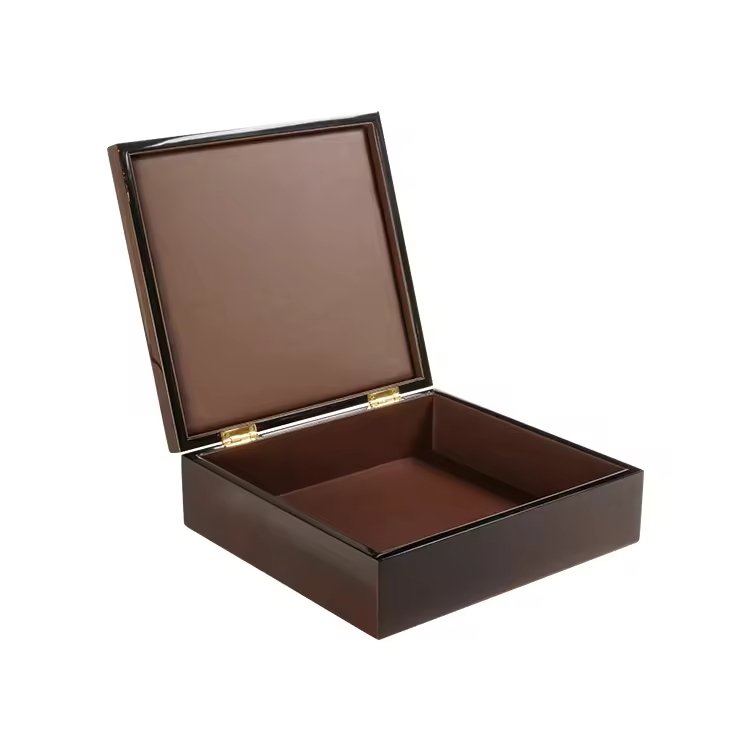
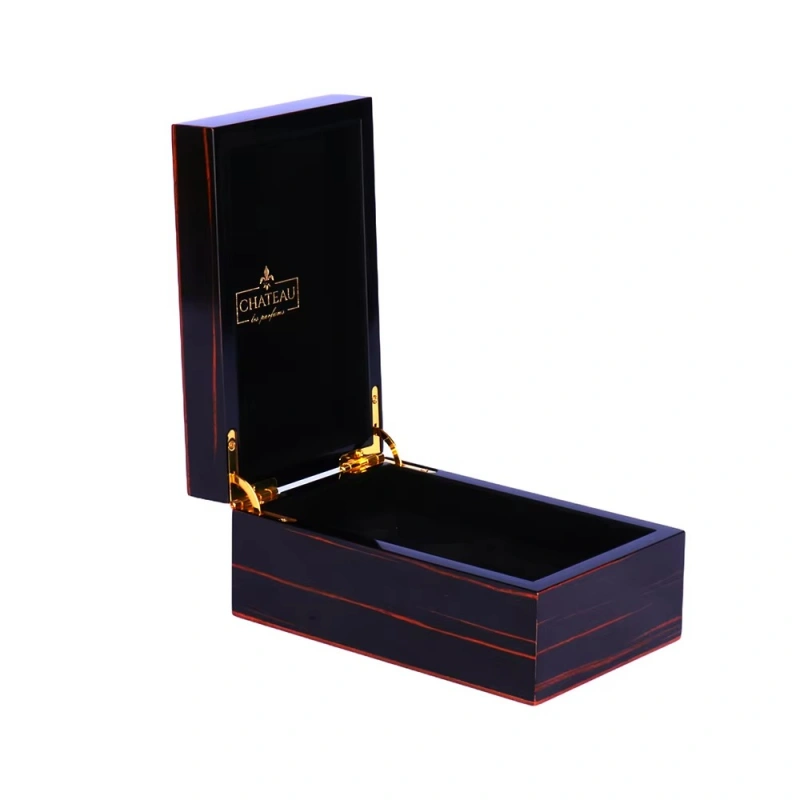
I know many people try to move perfume by guessing, but one wrong move can waste drops or even change the scent.
You can transfer perfume cleanly by preparing the right tools, choosing a method that matches the bottle design, and minimizing air and contamination during the process.
This guide shows my full process. I use these steps when I help luxury brands design wooden perfume boxes, because I see how careful handling protects the formula.
What Tools Should You Prepare to Transfer Perfume Cleanly and Without Spills?
I see people start transferring perfume with whatever they find at home, and this often leads to spills or cloudy liquid.
You should prepare simple clean tools like a syringe, pipette, funnel, alcohol wipes, and a clean empty bottle so you can move perfume in a controlled and safe way.

When I work with perfume brands, I see how handling tools matter as much as the bottle. Clean tools keep the fragrance stable and true. I want to explain each tool, why it helps, and how you can avoid mistakes that I often see buyers make when they refill their travel sprays or tester vials.
Tools You Actually Need
These tools give you full control and stop spills or contamination:
| Tool | Why It Matters |
|---|---|
| Syringe (1–5 ml) | Gives precise control and reduces air bubbles. |
| Pipette | Works well for small transfers or thin neck bottles. |
| Mini Funnel | Helps when pouring from splash bottles. |
| Alcohol Wipes | Clean surfaces and remove oils or dust. |
| Empty Bottle (glass preferred) | Keeps the scent stable. |
How I Prepare Tools in My Factory
I clean every tool with 75% alcohol. I let everything dry fully. Any leftover moisture can change the scent. Even one drop of water can break the balance in a perfume formula. This step is simple, but it protects the fragrance better than anything else.
The Real Impact of Tool Choice
Clean tools reduce oxidation. They lower waste. They protect the top notes that usually disappear first. This mindset comes from my work producing wooden perfume boxes with tight sealing structures. I see how even tiny particles or moisture affect premium scents during packaging tests.
When you start with clean, simple tools, the whole transfer becomes smooth and safe.
How Can You Identify the Best Transfer Method Based on the Bottle’s Spray or Cap Design?
Many people force open a sprayer because they think it must come off. This often breaks the atomizer or wastes half the bottle.
You can choose the right transfer method by checking whether the sprayer is removable, fixed, or sealed, and then using a syringe or spray-to-vial technique that matches that structure.
The design of a perfume bottle decides the entire transfer process. I see many structures when I design packaging for brands, so I want to walk you through them in a clear way.
Common Bottle Types and Best Methods
| Bottle Type | How It Works | Best Transfer Method |
|---|---|---|
| Removable Sprayer | Sprayer unscrews by hand | Use a syringe or funnel |
| Crimped Sprayer | Factory-sealed, cannot be removed | Spray into vial or use syringe adapter |
| Splash Bottle | No sprayer at all | Funnel or pipette |
| Rollerball | Roll-on head | Remove ball, use pipette |
How to Check Your Bottle
I twist gently. If it moves, it is usually removable. If it does not move at all, it is likely crimped. Crimped sprayers are common in designer brands because they stop leaks. They also protect the fragrance from air. When I design wooden boxes for these brands, I often see this closure used for export.
Matching Method to Structure
When your method matches the bottle, the transfer is simple. When it does not, the transfer turns messy. A removable sprayer works best with a syringe. A crimped sprayer works best when you spray into a small container with slow, controlled pressure.
When you respect the bottle’s structure, the perfume stays clean and strong.
What Steps Help You Move Perfume Safely While Avoiding Contamination or Air Bubbles?
People often shake the perfume or transfer too fast. This pulls air into the liquid and weakens the scent.
You can avoid bubbles and contamination by working slowly, cleaning every contact surface, and moving the perfume in a steady flow with the syringe or pipette angled downward.
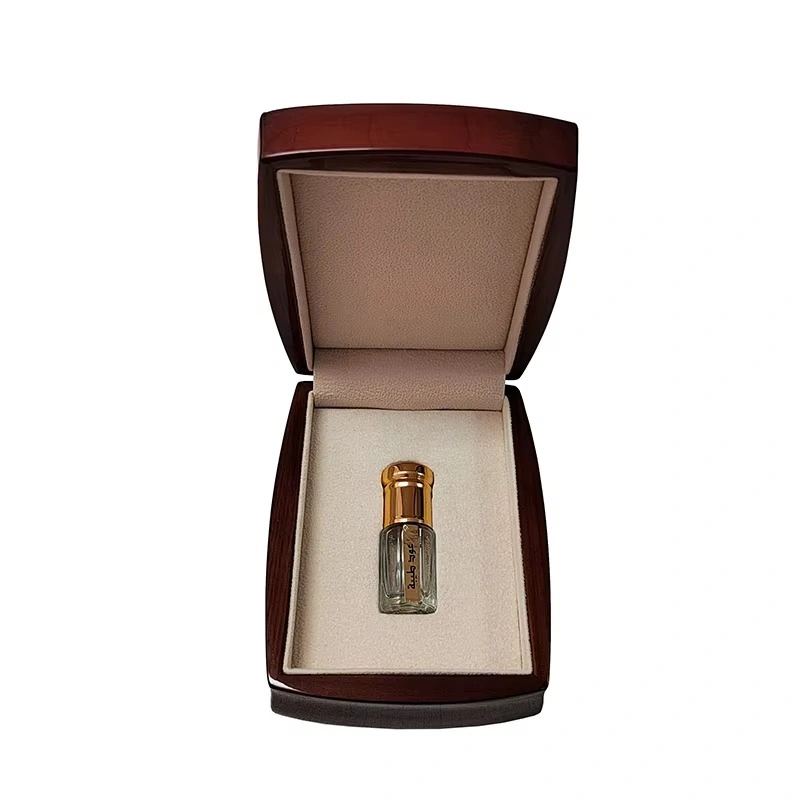
Careful handling keeps the formula stable. I learned this from years of working with high-end scents that require strict testing before we pack them inside our wooden boxes.
Step-by-Step Transfer Method
Step 1: Clean Everything
I wipe the bottle neck and tools with alcohol. I let them dry. Moisture, oil, and dust change perfume chemistry.
Step 2: Remove Excess Air
I pull the syringe once. Then I push the air out. The syringe should hold perfume only, not air.
Step 3: Transfer Slowly
I keep the syringe tip under the liquid level inside the empty bottle. This stops bubbles from forming. It also avoids “splashes,” which mix air into the perfume.
Step 4: Keep the Bottle Stable
I place the bottle on a flat surface. I never hold it in my hand. Warmth from my hand changes temperature and pressure inside the bottle. I learned this during quality checks when we package perfumes in boxes for export. Even small warmth shifts cause vapor pressure changes.
Step 5: Seal Immediately
When the bottle reaches the level you want, stop and close it. Do not leave it open. Leaving the bottle open allows evaporation. Evaporation kills top notes.
Why These Steps Matter
The goal is simple: keep perfume away from air, heat, dust, and moisture. When you do that, the scent stays bright and pure. I do the same when I test wooden boxes with velvet interiors. They protect the bottle, but the real protection comes from how the perfume is handled before packaging.
Slow, clean steps protect the fragrance better than anything else.
What Common Transfer Mistakes Can Damage the Scent, and How Can You Prevent Them?
Most people think perfume goes bad because of ingredients. In reality, handling mistakes often cause the problem.
You can protect your perfume by avoiding mistakes such as using wet tools, shaking the bottle, exposing perfume to heat, and spraying too close to the funnel or vial.
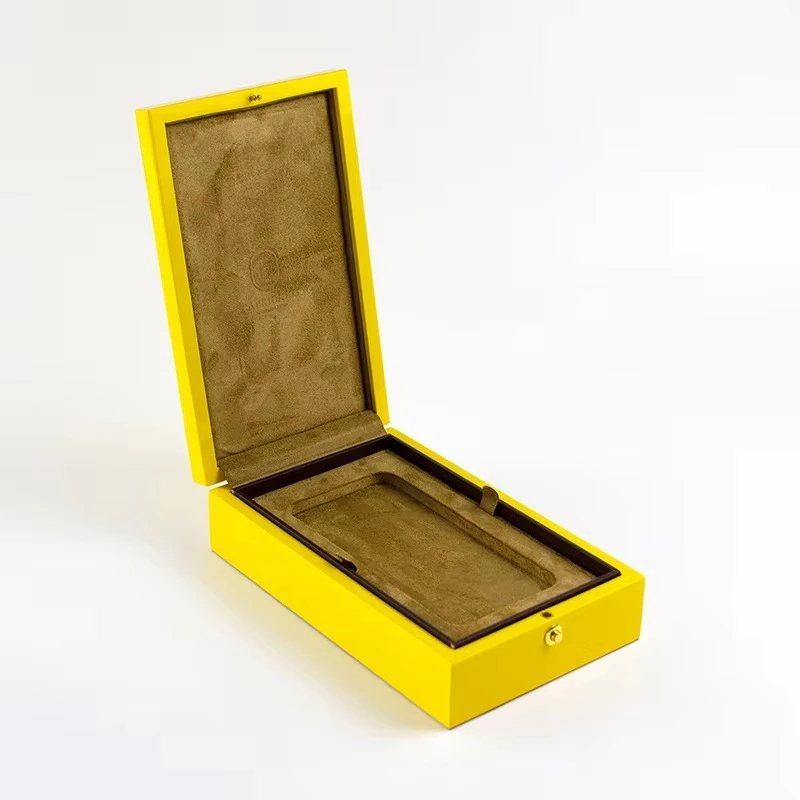
I see these mistakes often when customers refill travel sprays. Let me break down the most common issues and how you can prevent them.
Common Mistakes and Fixes
| Mistake | What Happens | Easy Fix |
|---|---|---|
| Tools are not fully dry | Moisture mixes with perfume | Air-dry tools after alcohol cleaning |
| Shaking perfume | Bubbles form and oxidation speeds up | Move perfume slowly, no shaking |
| Spraying too close | Turbulence pulls in air | Keep a small distance when spraying into a vial |
| Touching inside surfaces | Oils contaminate scent | Do not touch bottle neck or inner surfaces |
| Transferring near heat | Heat weakens top notes | Work at room temperature |
Real Experience
When we run scent stability tests for wooden perfume boxes, we see that air exposure speeds up oxidation. It makes citrus notes fade. It also makes floral notes feel flat. All this can happen just from careless refills.
How You Can Avoid These Problems
I follow a simple rule: treat the perfume like a delicate ingredient. Move slowly. Keep everything clean. Finish the transfer fast, then close the bottle.
You protect the scent by protecting the process.
How Should You Store the Newly Filled Bottle to Keep the Perfume Fresh and Stable?
People often store perfume in bright places because the bottle looks beautiful, but this shortens the scent’s life.
You can keep perfume fresh by storing the filled bottle in a cool, dark, and dry place, away from sunlight and temperature changes.
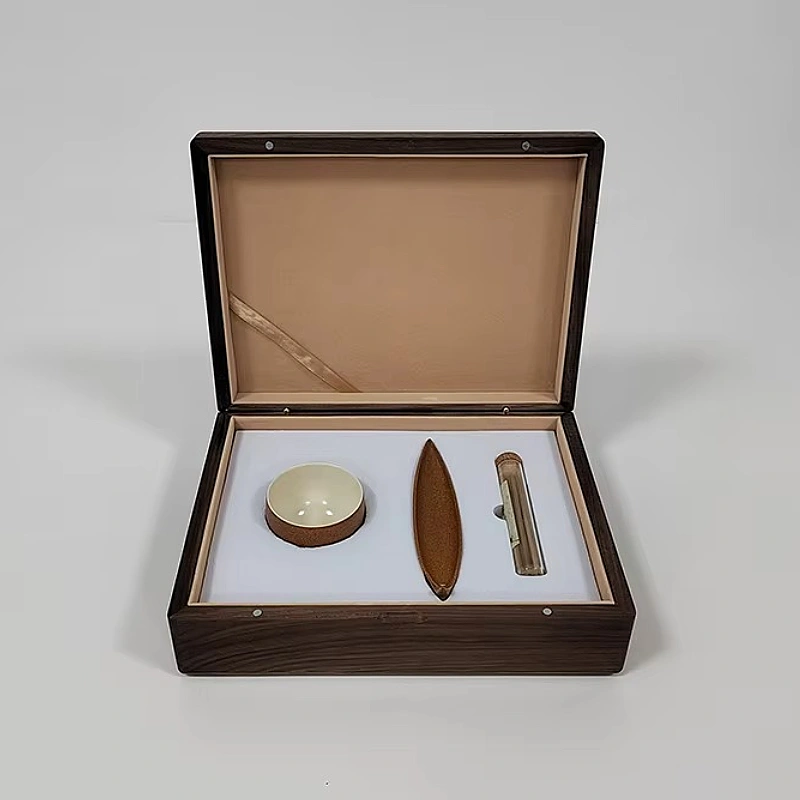
When we design wooden perfume boxes, we test storage behavior. We learn how light, heat, and movement change the scent. These lessons also apply to home storage.
Ideal Storage Conditions
| Factor | What to Do | Why It Helps |
|---|---|---|
| Light | Keep away from windows | UV breaks down perfume molecules |
| Temperature | Store around 18–22°C | Heat speeds up evaporation |
| Humidity | Keep dry | Moisture affects bottle seals |
| Movement | Store upright | Stops leaks and internal pressure changes |
Why This Matters
A newly filled bottle is more sensitive. The seal is fresh. The air level inside the bottle might be slightly higher. It needs a stable environment until the pressure inside settles.
My Recommendation
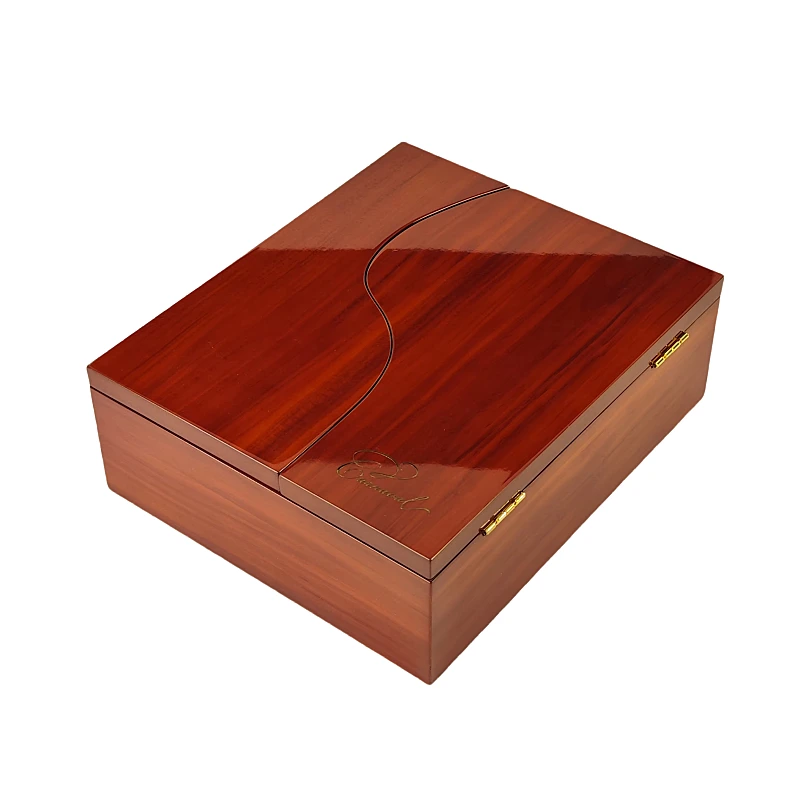
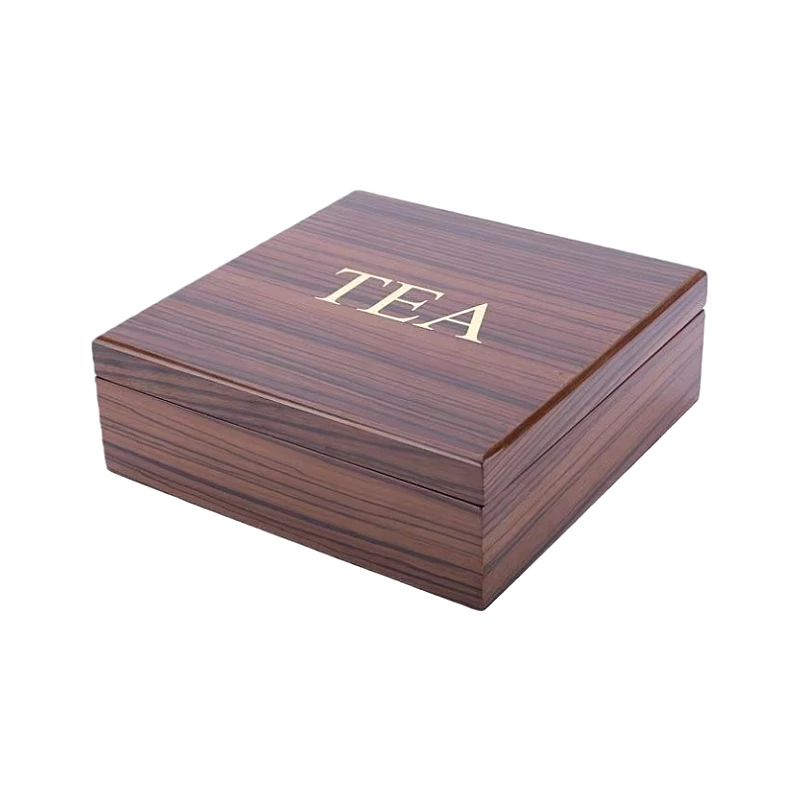
If you have a wooden storage box, use it. Wood keeps temperature steady. It also blocks light. This is why so many luxury brands choose wooden presentation boxes. They do not only look elegant. They also protect the scent.
Good storage extends the scent’s life and preserves the work of the perfumer.
Conclusion
Store, move, and handle perfume with simple clean steps to keep the scent pure and long-lasting.
Brand Name: WoodoBox
Slogan: Custom Wooden Boxes, Crafted to Perfection

 English
  Español
  Português
  Deutsch
  Français
  Italiano
  العربية