I often hear from buyers who worry about cigars going bad because of poor storage or long transport. This creates stress and confusion.
A cigar is bad when its wrapper is damaged, its texture is wrong, its smell is off, or its burn and flavor show clear signs of deterioration. These signs usually come from humidity issues, age, or poor construction.
I want to walk you through these signals in a simple and direct way so you can judge any cigar before wasting time or money on a bad smoke.
What visual signs—cracks, discoloration, mold—indicate a cigar is no longer smokeable?
Many buyers feel frustrated when they open a box and see something unusual on the wrapper. This fear grows when they are not sure if the cigar is still good.
A cigar shows it is bad when you see cracks, deep discoloration, or fuzzy white or green mold on the wrapper. These marks tell you the cigar has suffered from incorrect humidity or contamination.
Dive Deeper
A clean wrapper is the first sign of a healthy cigar. When I check cigars during packaging or QC for clients, I look for three main issues: cracks, strange spots, and mold. Each one tells a different story about storage or handling.
1. Cracks and Splits
Cracks usually appear because humidity dropped too low. When the wrapper gets dry, it loses oils and becomes brittle.
- Small cracks: They might heal slightly after rehydration.
- Large splits: They make the cigar unsmokeable.
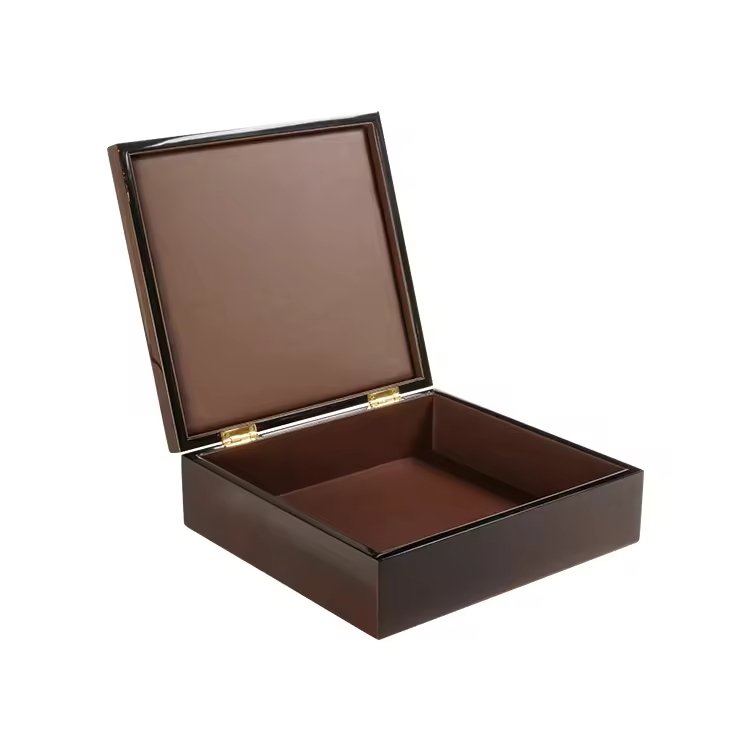
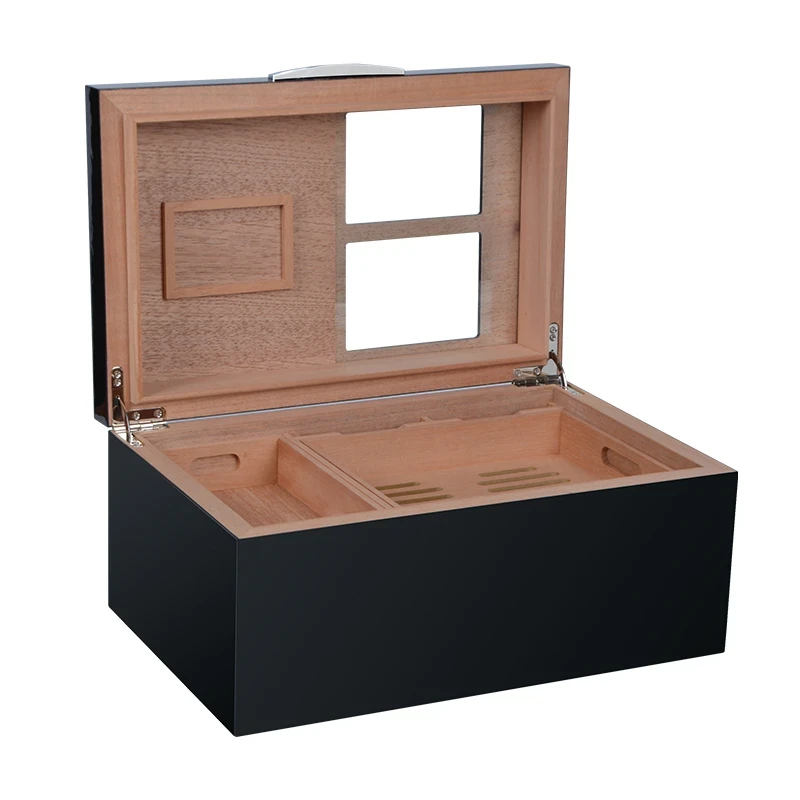
I often see this happen when cigars stay in transit for too long, especially during winter. Even a beautiful cigar packed in a premium wooden box cannot survive extreme dryness.
2. Discoloration
Color changes can come from age or uneven humidity. Some aging marks are normal, but heavy blotching is not.
| Common discoloration problems: | Issue | What It Means |
|---|---|---|
| Dark patches | Over-humidification or old water | |
| Yellow or oily spots | Aging, usually harmless | |
| White chalky dust | Mold or plume—needs close checking |
"Plume" is a harmless crystal-like deposit of oils, but true plume is very rare. Most of the time, it is mold. I tell clients not to take the risk.
3. Mold
Mold has texture. It looks fuzzy or cotton-like. Mold grows when humidity stays too high for too long.
- White fuzzy mold: Most common
- Green or blue mold: Very bad, throw the cigar away
In my 15 years of work with cigar brands, mold almost always came from poor storage rooms, not from the factory.
A cigar with mold is not worth saving. It means the tobacco has absorbed moisture deep inside.
How does a cigar’s feel, firmness, or dryness reveal problems with storage or age?
Many cigar lovers worry when their cigars feel too hard or too soft. This often signals a deeper storage issue.
A cigar that is too dry, too spongy, or has hard knots shows incorrect humidity or aging. A healthy cigar has a gentle, even spring when squeezed.
Dive Deeper
I always teach buyers to use the “squeeze test” before buying from any supplier. This simple habit prevents many disappointments. The feel of a cigar shows whether the tobacco inside is still alive.
1. Dry Cigars
A dry cigar crackles when you squeeze it. The wrapper may peel.
- Dry cigars burn hot.
- They taste sharp and bitter.
- They lose oils, so they lose flavor permanently.
A humidor cannot fully repair a cigar that has been dry for too long. I often hear buyers ask if rehydration can save every cigar. The truth is simple: prolonged dryness kills tobacco.
2. Over-Humidified Cigars
If a cigar feels soft or mushy, it absorbed too much moisture.
- It may develop mold.
- It may burn unevenly.
- It often tastes dull or sour.
This happens often during sea shipments when boxes stay in humid containers.
3. Hard Knots
Knots come from bad construction.
- They block airflow.
- They cause tight draws.
- They make the cigar burn unevenly.
When I work with cigar brands on wooden box development, I always inspect the cigars for even firmness because luxury packaging looks wrong if the product inside performs poorly.
4. Uneven Packing
A cigar should feel consistent from head to foot.
- Soft spots cause tunneling.
- Hard spots cause canoeing.
Poor consistency usually tells you the cigar came from a factory with low-quality control standards.
What smells hint that a cigar has gone stale or absorbed unwanted odors?
Smell is one of the easiest ways to judge a cigar. Many buyers skip this step, but it reveals a lot.
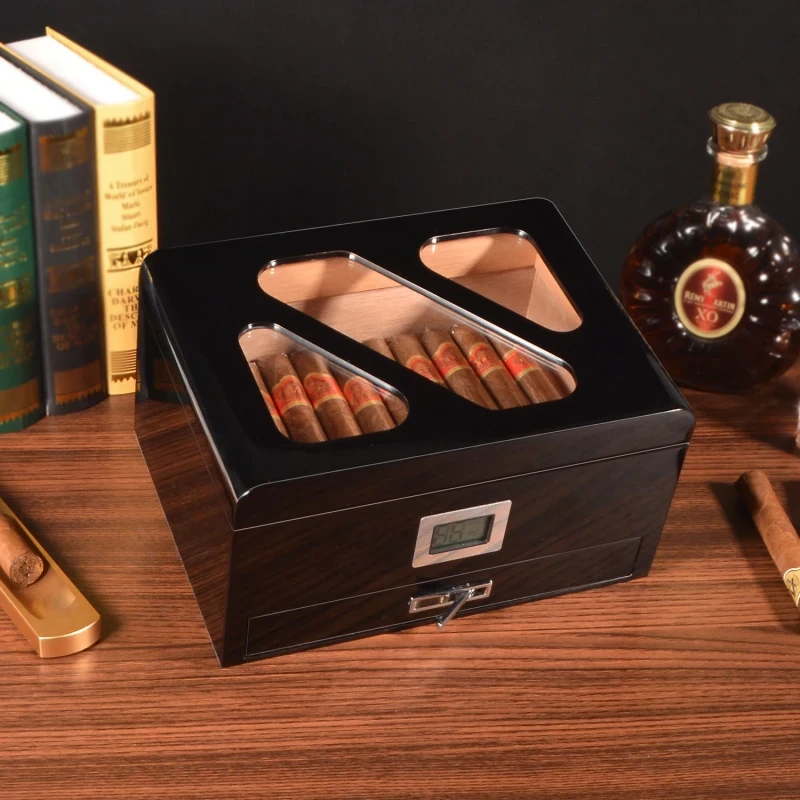
A bad cigar smells musty, sour, or foreign. A good cigar smells clean, woody, and natural. Strange odors mean the tobacco has aged badly or absorbed scents from its environment.
Dive Deeper
I judge cigars the same way I judge wooden materials when designing boxes: smell tells you the truth. Tobacco is extremely absorbent, so it captures everything around it.
1. Musty Odors
This smell means the cigar has been exposed to moisture for too long.
- It smells like a damp basement.
- It often pairs with mold growth.
If I open a box and smell something wet, I stop checking immediately. It is a clear warning.
2. Sour or Rotten Smells
Sour notes mean bacterial growth in the leaf.
This is often the result of unstable humidity levels.
No cigar expert recommends smoking such cigars.
3. Chemical or Plastic Smells
This happens when cigars absorb odors from:
- Low-quality humidors
- Freshly painted rooms
- Cheap packaging
- Strong perfumes
As a wooden box manufacturer, I pay great attention to glue, paint, and lacquer because these materials release odors. I always test a new box design by placing a cigar inside for 24 hours to check if the box transfers smells.
4. No Smell at All
A cigar that has no smell might be dead.
- Oils evaporated
- Aging went too far
- Tobacco became flat
A cigar should always have a warm, natural aroma. If the cigar smells empty, the flavor will be empty too.
How can you recognize construction issues like tight draws or uneven packing before lighting?
Many problems appear before you even light the cigar. An experienced buyer checks construction first to avoid a disappointing smoke.
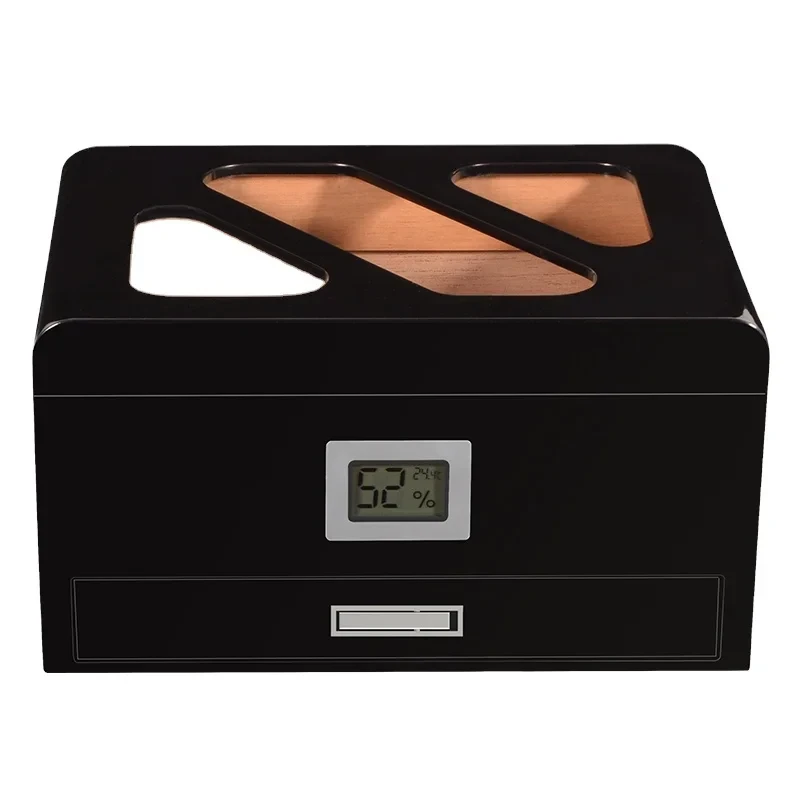
You can spot construction problems by checking the foot, rolling consistency, and airflow. Loose or tight packing, tunnels in the foot, or uneven density all show the cigar will burn badly.
Dive Deeper
I spend a lot of time working with cigar factories when building custom high-end boxes. During this process, I often inspect cigars from different suppliers, so I have seen many construction faults.
1. Checking the Foot
The foot lets you see the filler leaves.
A good foot is:
- Evenly cut
- Evenly colored
- Packed firmly but not too tight
If you see empty spaces or tunnels, the cigar will burn unevenly.
2. Airflow Test
Without lighting, draw on the cigar gently.
- If air moves too easily, it is under-packed.
- If it feels blocked, it has knots or tightness.
This test saves time and frustration. Many premium cigar shops do this quietly before recommending a cigar.
3. Rolling Consistency
Roll the cigar on a flat surface.
If it wobbles badly, the cigar is not uniform.
This usually leads to uneven burns.
4. Cap Quality
A poorly attached cap can unravel when cutting.
This is often a sign of rushed production.
A triple cap is a good sign of craftsmanship.
5. Wrapper Tension
The wrapper should be smooth, with no waves.
Wavy wrappers mean the binder is not even.
This leads to airflow problems during smoking.
High-end brands know that luxury buyers expect not only good flavor but also perfect construction. That is why box manufacturers like me pay attention to humidity control during packing, which keeps the cigars stable.
When does a cigar’s flavor or burn behavior make it clear that something isn’t right?
Sometimes a cigar looks fine but tastes wrong. Flavor and burn behavior often reveal deeper issues you cannot see from the outside.
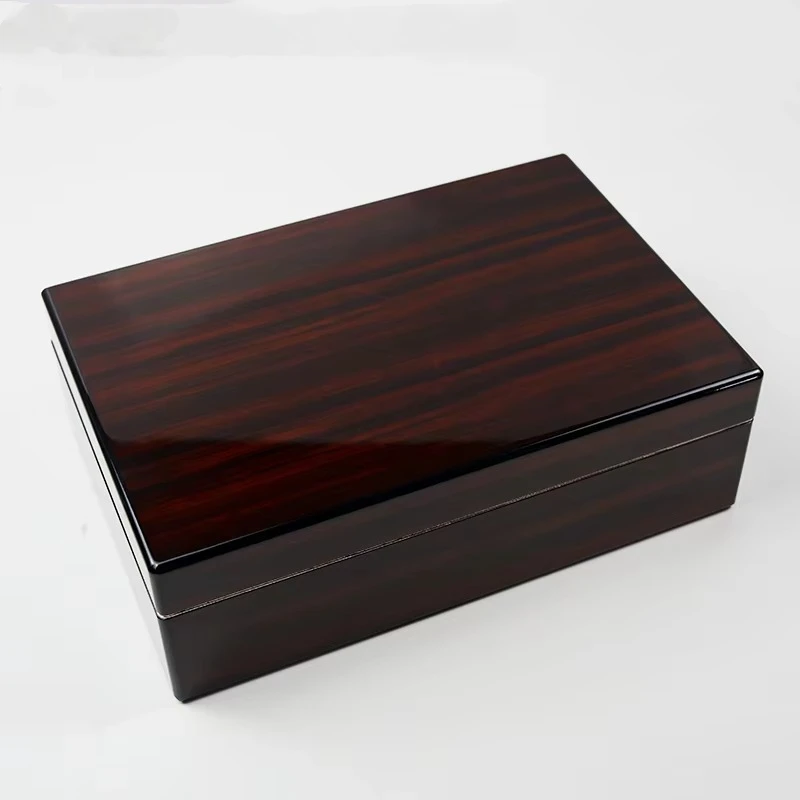
A cigar is bad when it tastes bitter, harsh, sour, or inconsistent, or when it burns unevenly, tunnels, or goes out repeatedly. These behaviors show humidity problems or poor construction.
Dive Deeper
I talk with many cigar brand owners who test cigars before choosing packaging. They rely heavily on burn tests because the burn shows how the filler leaves were arranged.
1. Bitter or Harsh Flavor
This happens when:
- The cigar is too dry
- The tobacco is low quality
- The cigar aged too long
- The fermentation was incomplete
Bitterness is one of the most obvious signs of a bad cigar.
2. Sour or Metallic Notes
Sourness means the cigar absorbed moisture or odors.
Metallic tastes often come from poor fermentation.
3. Uneven Burn
| Uneven burn shows poor rolling or wrong humidity. | Burn Issue | Meaning |
|---|---|---|
| Canoeing | One side burns faster | |
| Tunneling | Only the center burns | |
| Coning | Wrapper burns faster |
4. Constantly Going Out
A cigar that keeps going out is usually too wet.
This makes the smoke heavy and dull.
5. Excessive Smoke or No Smoke
Too much smoke means loose packing.
Too little smoke means tight packing.
Good construction produces smooth, steady smoke.
I always advise buyers to test cigars from any new supplier before placing big orders. A poor burn is not something fine packaging can hide.
Conclusion
Bad cigars show clear signs in appearance, feel, smell, construction, and flavor. Knowing these signs helps you avoid wasted time and money.
Brand Name: WoodoBox
Slogan: Custom Wooden Boxes, Crafted to Perfection



 English
  Español
  Português
  Deutsch
  Français
  Italiano
  العربية