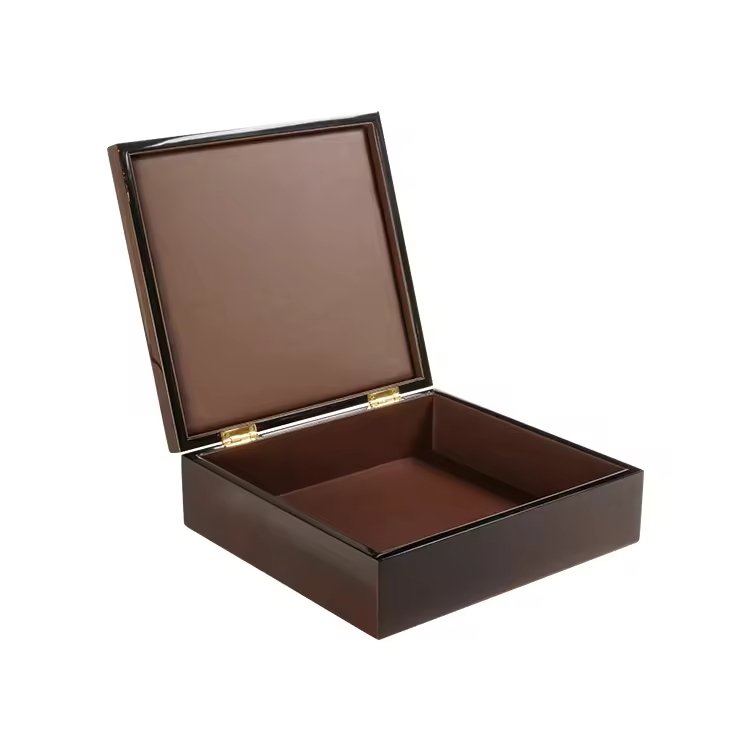
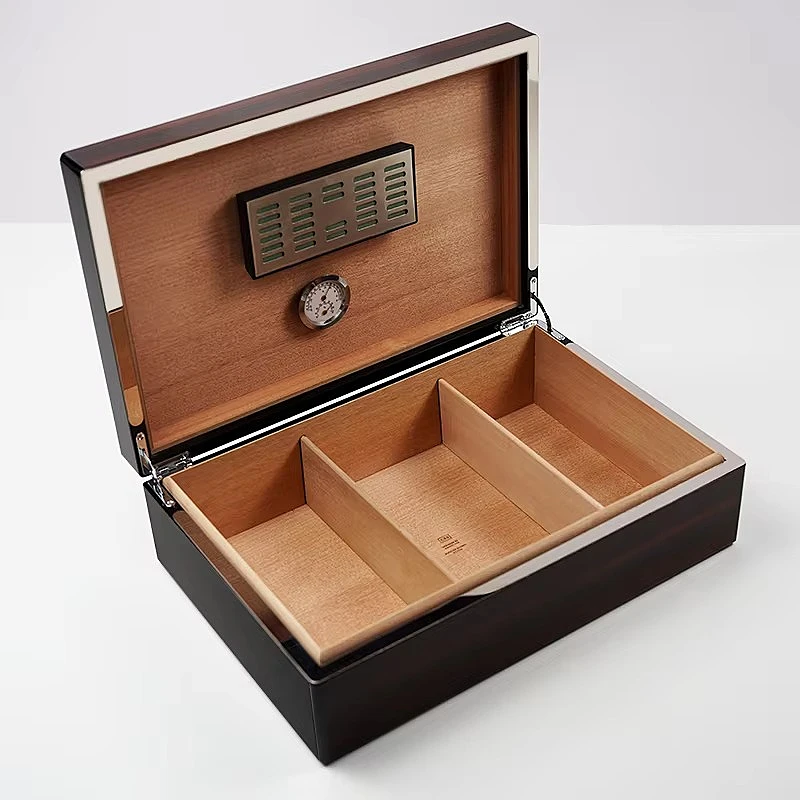
Wood is alive. It absorbs and releases moisture with climate changes. If not controlled, it bends or cracks, risking cigars inside.
Preventing wood deformation requires proper species selection, balanced construction, and structural reinforcement to keep boxes flat and stable.
The right design protects both the cigars and the long-term integrity of the box. Let’s explore how.
What wood species and moisture content (MC) are best to resist warping?
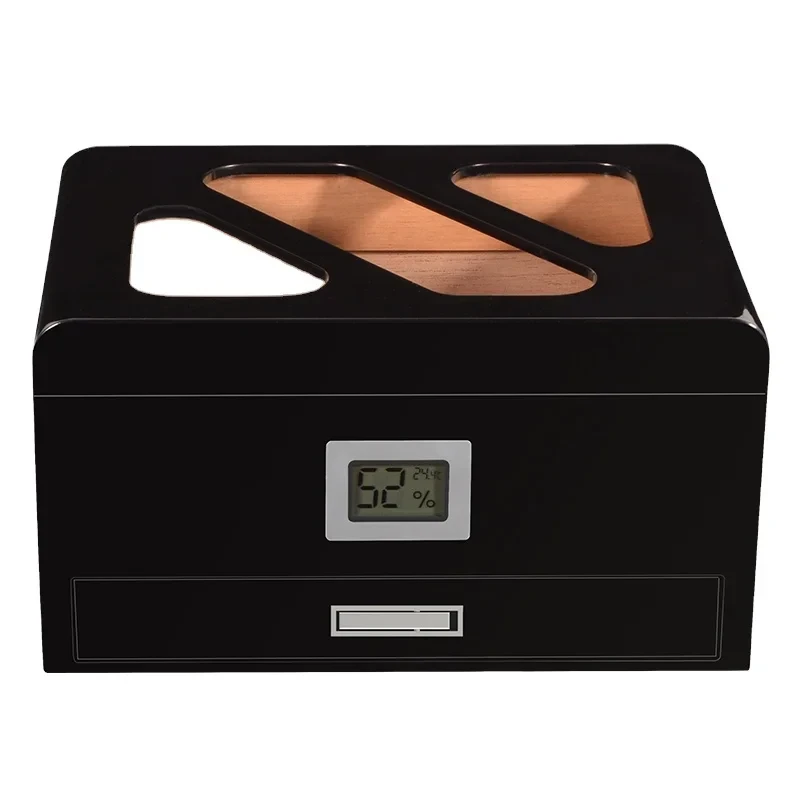
Not all woods behave the same when humidity shifts. Choosing the right type and drying level matters.
Stable species with controlled moisture content resist warping and keep the box balanced.
Recommended Woods
| Wood Type | Feature | Use Case |
|---|---|---|
| Spanish Cedar | Absorbs/release moisture evenly | Classic humidor lining |
| Mahogany | Stable, fine grain, luxury look | Premium presentation box |
| MDF + veneer | Engineered, less movement | Large production runs |
Moisture Content Rule
- Ideal MC: 8–12% for stable production.
- Too wet: wood shrinks later, causing cracks.
- Too dry: wood swells in humid climates.
My Story
Once a client sourced local pine for a humidor. After shipping overseas, the lids warped badly. Since then, I always kiln-dry wood to proper MC before production.
Key Idea
Right wood and MC form the foundation of dimensional stability.
How do cross-grain lamination or engineered panels reduce movement?
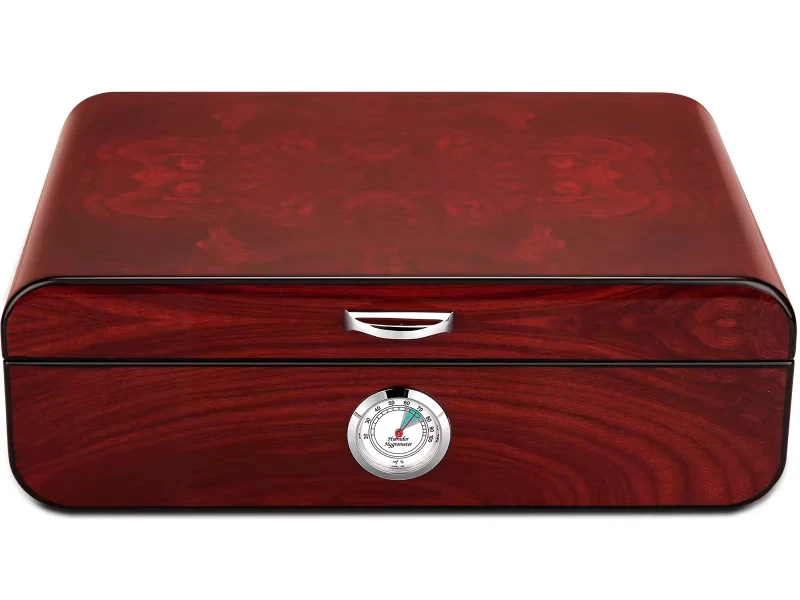
Solid wood moves along grain. To resist, we must balance directions.
Cross-grain lamination and engineered panels reduce movement by distributing expansion evenly.
Methods
- Plywood core: layers of grain in opposite directions.
- MDF core + veneer: stable center with decorative surface.
- Cross-banded lamination: multiple thin sheets bonded for strength.
My Experience
For long lids, I often use MDF core with real wood veneer. It prevents warping while keeping natural beauty. Clients get luxury look without the risk of cracks.
Takeaway
Engineered panels are like controlled wood—they move less but still look authentic.
Which joinery choices (floating panels, slots, expansion gaps) allow safe expansion?
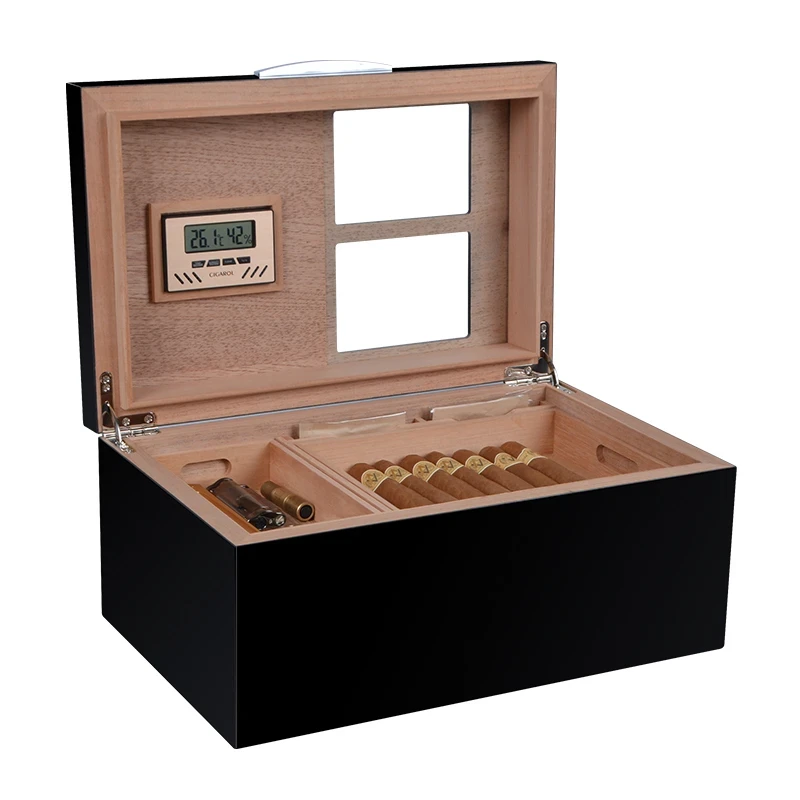
Rigid joinery traps wood. Movement then turns into cracks or bends.
Joinery that allows floating or expansion lets panels move safely with humidity changes.
Joinery Options
| Joinery Type | Function |
|---|---|
| Floating panels | Allow sides to expand freely |
| Expansion slots | Release internal stress |
| Tongue and groove | Strong connection with movement |
Example
I once made a cigar cabinet with wide side panels fixed too tightly. Within months, cracks appeared. A redesigned floating panel solved the problem—panels expanded but stayed intact.
Insight
Joinery should respect wood’s nature, not fight it.
Should both sides of each panel be equally sealed to balance moisture intake?
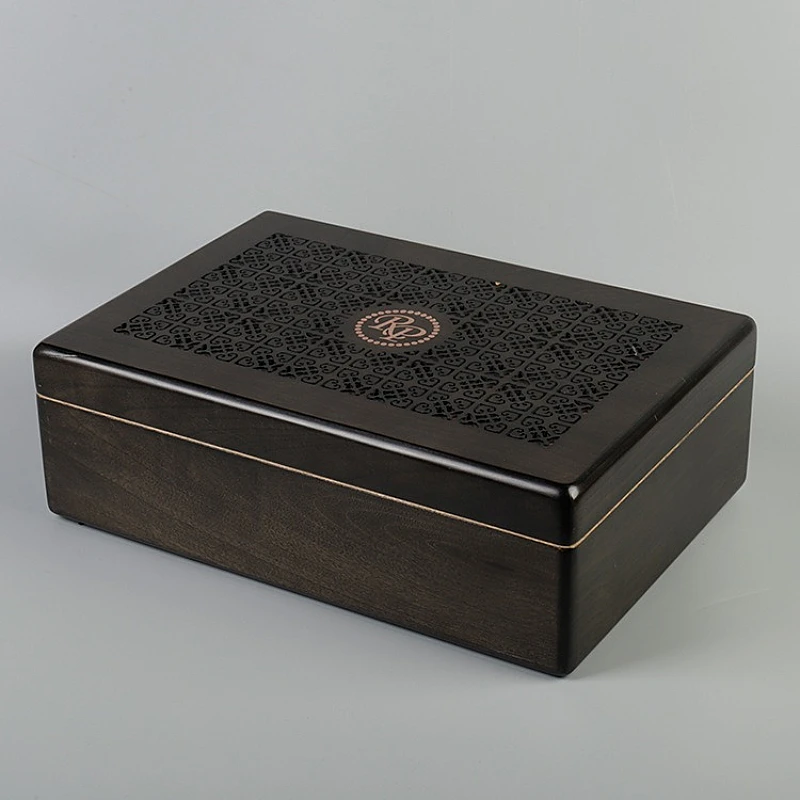
If one side absorbs moisture faster, the panel bends.
Both sides of a panel must be sealed equally to balance intake and prevent warping.
Sealing Methods
- Apply lacquer or varnish evenly on both sides.
- Use veneer or paint on both faces.
- Avoid leaving inner surfaces raw.
My Story
A client once lacquered only the outside of a box lid to save cost. Within weeks, the lid cupped. After sealing both sides evenly, the problem never came back.
Key Point
Equal sealing is like balance for wood—it prevents stress on one side.
How can internal bracing, ribs, or frames keep long lids and walls flat?
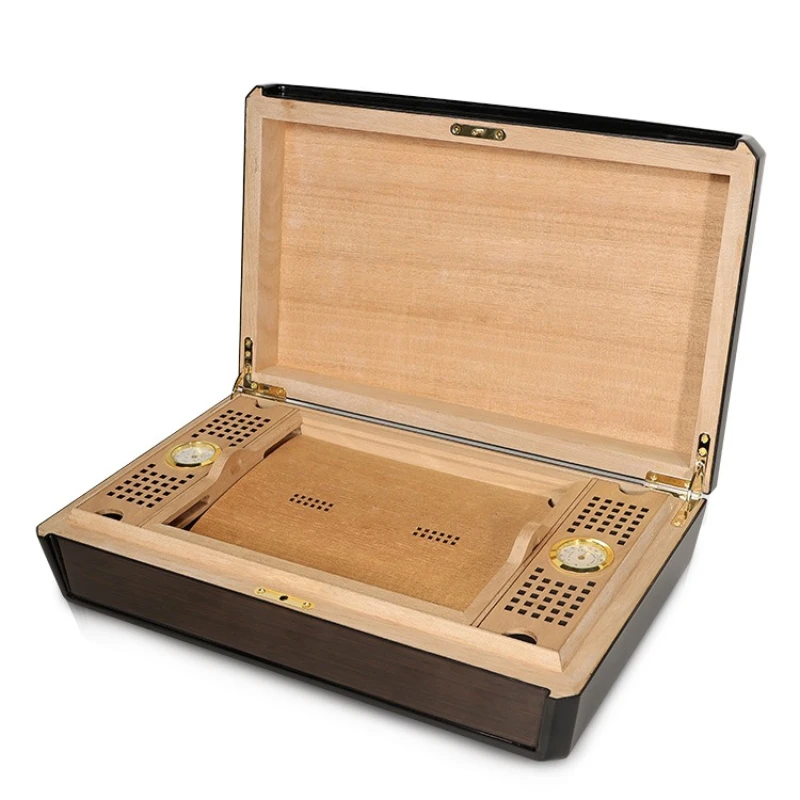
Long panels are more likely to bend. Structural reinforcement keeps them straight.
Braces, ribs, and frames stabilize large surfaces against deformation.
Techniques
- Add cross ribs under long lids.
- Frame thin panels with stronger borders.
- Use hidden support bars inside walls.
Example
For a 50-cigar humidor, I reinforced the lid with cedar ribs. Even after two years in humid climates, the lid stayed flat. Without them, it would have warped.
Insight
Bracing is invisible from outside, but it’s a quiet hero for box durability.
What design and maintenance practices help the box acclimate without deforming?
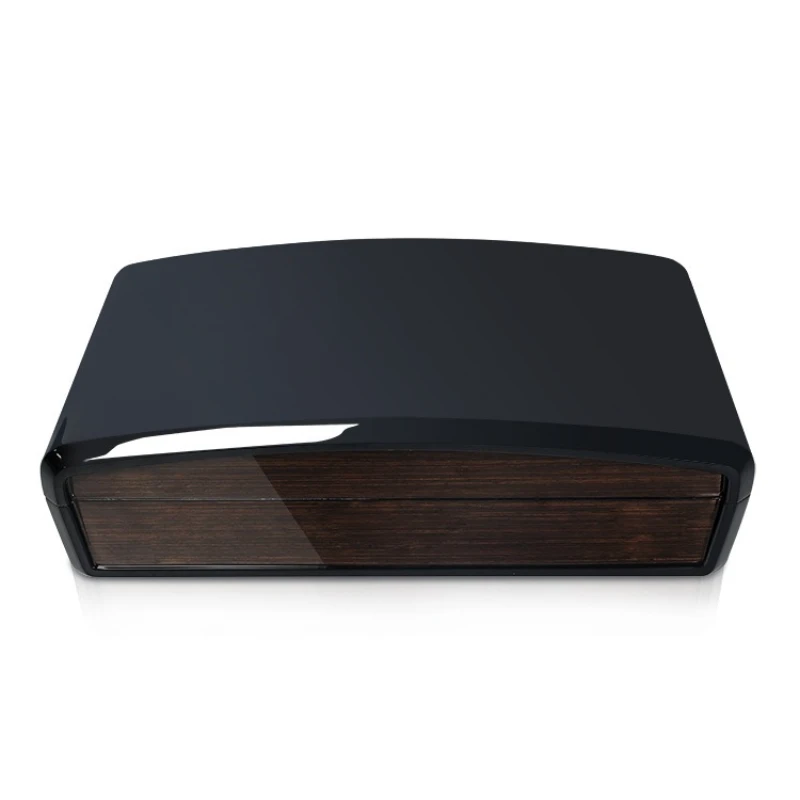
Even the best structure needs good care. Design and habits work together.
Acclimation and maintenance keep wood stable against sudden humidity changes.
Best Practices
- Let wood rest in factory climate before production.
- Store finished boxes in stable environments before shipping.
- Avoid sudden moves from dry to humid places.
- Regularly condition cedar with proper humidification.
My Story
A customer once unpacked humidors straight into a tropical warehouse. Many warped quickly. After advising staged acclimation, future shipments remained perfect.
Key Point
Good design starts in production but continues in how the box is used.
Conclusion
Preventing wood deformation needs the right wood, engineered panels, flexible joinery, balanced sealing, reinforcement, and careful acclimation.
Brand Name: WoodoBox
Slogan: Custom Wooden Boxes, Crafted to Perfection
Website: www.woodobox.com
WhatsApp: +86 18359265311



 English
  Español
  Português
  Deutsch
  Français
  Italiano
  العربية