I see many people struggle with solid perfume because the formula feels too soft or the scent fades fast.
You can make a solid perfume by blending wax, carrier oils, and fragrances in the right ratio, then melting, mixing, and cooling them carefully to keep the scent rich and stable.
I want to show you how each part works together, so you can make a solid perfume that feels smooth, smells balanced, and stays stable over time.
What Key Ingredients Do You Need to Create a Gentle and Long-Lasting Solid Perfume?
I know many beginners feel confused when they face too many ingredient choices.
You only need three main things to start: a wax for structure, a carrier oil for glide, and a fragrance blend for scent.
Dive Deeper
When I create a new solid perfume for a client’s luxury gift set, I always return to the simplest framework: wax, oil, and fragrance. Each one has a clear job. Wax gives the balm shape. Oil gives it softness. Fragrance gives it life. This simple logic keeps the process easy to adjust.
The Core Ingredient Groups
| Ingredient Type | Role | Common Choices | Notes |
|---|---|---|---|
| Wax | Structure | Beeswax, soy wax, candelilla wax | Adjust hardness and melting point |
| Carrier Oil | Comfort & glide | Jojoba oil, sweet almond oil, fractionated coconut oil | Controls skin feel |
| Fragrance | Aroma | Essential oils, perfume oils | Controls projection and longevity |
Why Each Ingredient Matters
Wax is your foundation. Beeswax is the most stable choice because it gives a firm texture and a warm, natural scent. If I need a vegan option, I use candelilla wax, but I must reduce the amount because it is harder.
Carrier oils make the perfume pleasant to use. I prefer jojoba oil because it is light and close to human skin’s natural sebum. It holds fragrance well and does not turn rancid fast, which helps with long-term storage.
Fragrance is the soul of the product. Many new makers add too much fragrance because they think more scent means better scent. It does not work that way. A solid perfume holds fragrance differently than a liquid one. The wax slows down evaporation, so the scent stays closer to the skin. This gives a personal, intimate feeling that many luxury brands love.
When you choose ingredients with purpose, you get a solid perfume that feels balanced and stays stable during shipping, storage, and use. As a packaging manufacturer, I often see retail brands ignore ingredient behavior, then blame packaging when the texture melts or cracks. If the base formula is stable, most packaging challenges become easy to solve.
How Do Beeswax, Carrier Oils, and Fragrance Notes Work Together to Form the Right Texture and Scent?
Some solid perfumes feel sticky, and others feel too oily. Many readers ask why this happens.
Wax, oil, and fragrance work like a small ecosystem. Each one changes the others, so you must balance them to get smooth texture and steady scent.
Dive Deeper
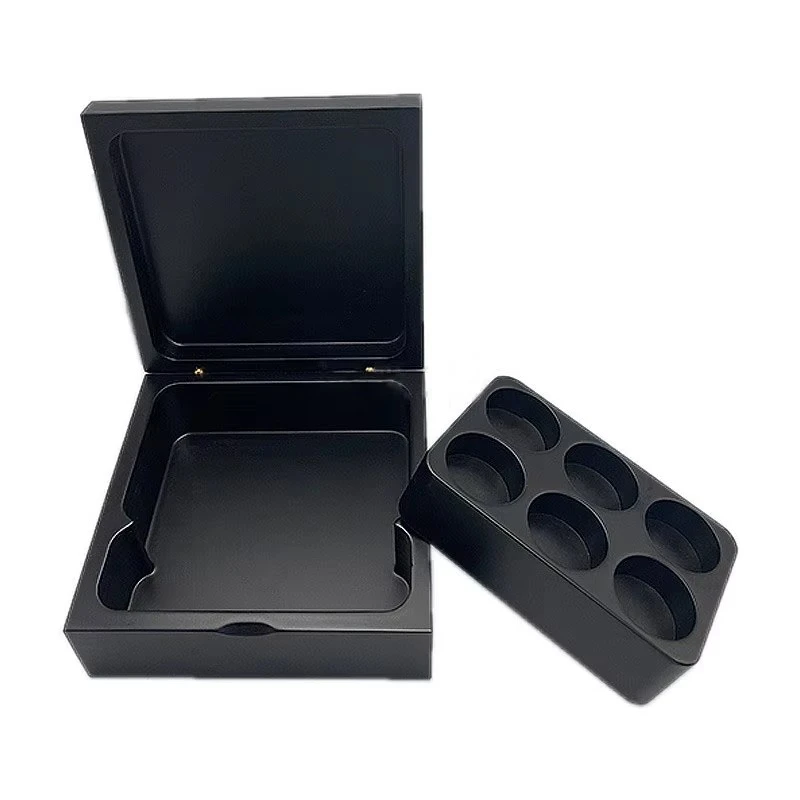
I learned the idea of “ingredient balance” while helping a fragrance brand adjust a perfume they planned to pack in a piano-lacquer wooden compact. The perfume was melting too fast in warm climates. Instead of redesigning the packaging, I adjusted the wax–oil ratio. This tiny change solved the problem.
How the Three Components Behave Together
1. Beeswax: The Structure
Beeswax gives the perfume its shape. It raises the melting point. It also slows evaporation. When the environment gets warm, beeswax keeps the perfume from turning into liquid. If you use more wax, the texture becomes firm and less oily.
2. Carrier Oils: The Feel
Carrier oils soften the beeswax. They help the perfume melt when touched by warm fingers. The wrong oil can make the perfume feel greasy. The right oil makes it glide smoothly. Jojoba oil and fractionated coconut oil are my safest choices because they hold fragrance well and stay stable.
3. Fragrance Notes: The Experience
Fragrance molecules behave differently in a wax base. Top notes evaporate slower compared with liquid perfume. Base notes become more noticeable. I often adjust scent formulas for solid perfumes so they feel rounder and not sharp.
Balancing Formula for Texture and Scent
| Goal | Wax Ratio | Oil Ratio | Notes |
|---|---|---|---|
| Firmer texture | Higher | Lower | Good for hot climates |
| Softer texture | Lower | Higher | Good for colder climates |
| Stronger scent | Moderate wax | Moderate oil | Avoid too much oil or scent weakens |
Once you understand this balance, you can adjust any recipe. This gives you full creative control.
What Is the Ideal Melting and Mixing Process to Preserve the Aroma’s Quality?
Many people ruin the scent during heating without knowing it.
The right method is low and slow: melt wax and oil gently, then add fragrance after you remove the mixture from heat to protect the aroma.
Dive Deeper
When I work with brands that produce perfume gift sets, I notice beginners often overheat their wax. This burns off light fragrance notes. A simple temperature mistake can change the perfume’s personality. So I always use a double boiler and never heat the wax too fast.
Step-by-Step Safe Heating Process
Step 1: Prepare a Double Boiler
I put a metal bowl over a pot of simmering water. This keeps the heat gentle and even.
Step 2: Melt the Wax
Beeswax melts around 62–64°C. I wait until it is fully liquid. I do not heat it higher than needed.
Step 3: Add Carrier Oils
I mix the oil gently into the melted wax. The oil reduces the temperature a bit, which helps before adding fragrance.
Step 4: Remove from Heat
This is the key step. I always remove the bowl from the heat before adding fragrance. High heat destroys delicate top notes like citrus and herbs.
Step 5: Add Fragrance
I add fragrance when the mixture cools to about 55°C. This temperature helps the scent blend evenly into the base.
Why Gentle Mixing Protects Quality
| Mistake | Result |
|---|---|
| Overheating wax | Flat scent, weak top notes |
| Adding fragrance on heat | Fast aroma evaporation |
| Stirring too fast | Air bubbles in finished product |
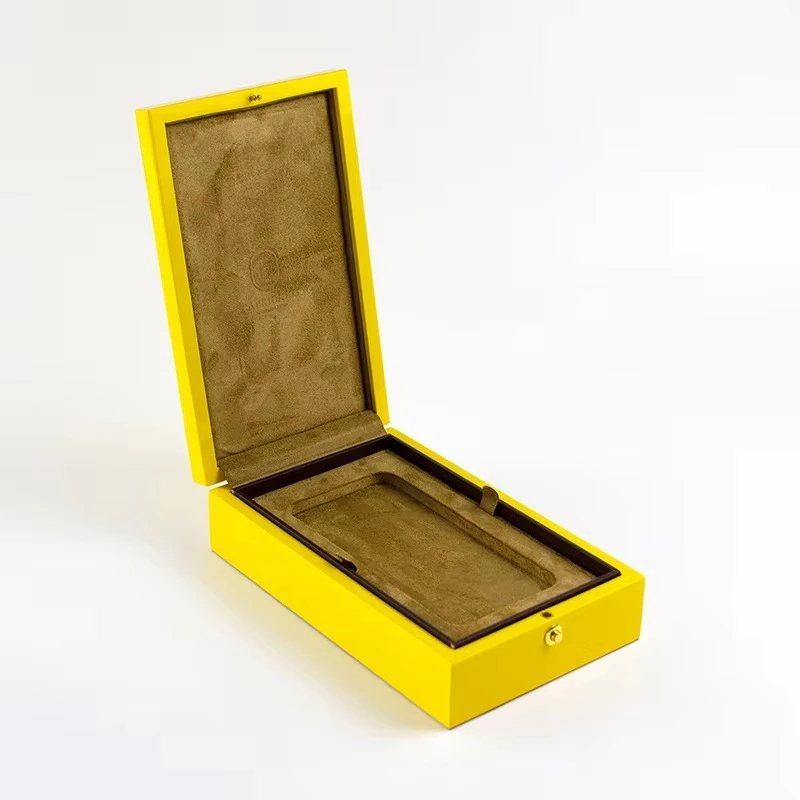
A careful mixing process makes the perfume smooth, stable, and rich in aroma. When a brand pairs a well-made formula with a luxury wooden box, the user’s first impression becomes powerful.
Why Is the Cooling and Setting Stage Important for Achieving a Smooth and Even Finish?
I often see people rush this part. They pour the mixture and expect it to set perfectly.
Slow, even cooling helps the perfume set without cracks, bubbles, or uneven texture.
Dive Deeper
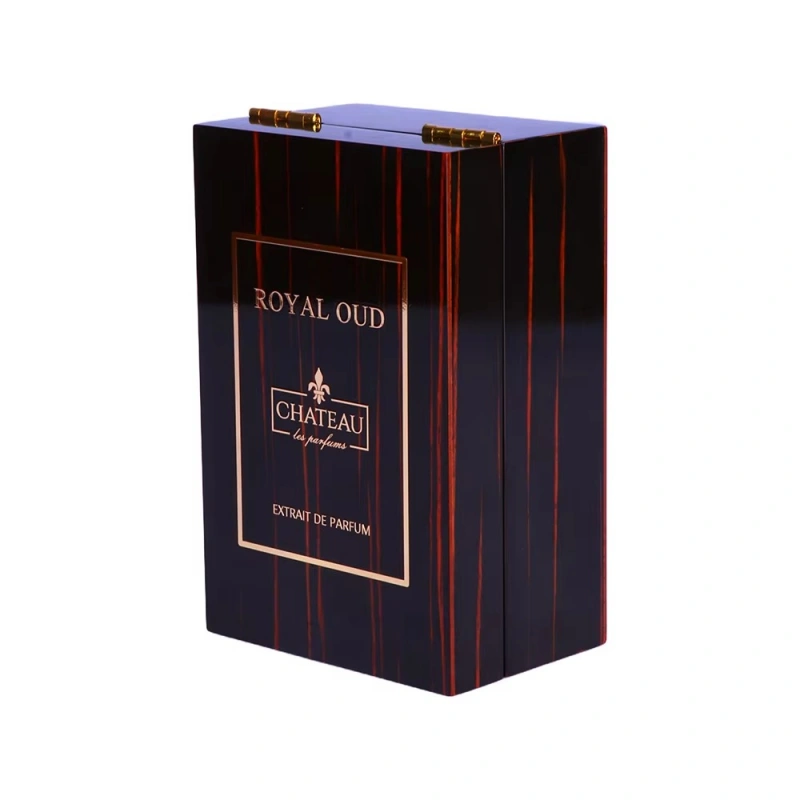
I learned this lesson while finishing a batch of solid perfumes for a jewelry packaging client. They wanted to place the perfume in a lacquered wooden box with a velvet base. The surface had to look perfect. When I cooled the product too fast, cracks formed. Slow cooling solved everything.
What Happens During Cooling
When wax cools, it contracts. If it cools too fast, the surface cracks. If you move the container too early, the texture becomes uneven. This step decides the final look.
Best Practices for Smooth Cooling
1. Keep the Containers Still
I place tins or wooden compacts on a flat table. I do not move them.
2. Avoid Fans or Cold Air
Cold air causes fast cooling. This leads to cracks.
3. Let Them Cool Naturally
Room-temperature cooling gives a smooth top surface.
Troubleshooting Guide
| Problem | Cause | Fix |
|---|---|---|
| Cracks | Cooled too fast | Cool at room temperature |
| Sinking center | Poured too hot | Lower pouring temperature |
| Air bubbles | Stirred too fast | Stir slowly |
When you control cooling, your perfume looks refined, which fits perfectly with premium packaging like wooden display boxes.
How Can Proper Storage and Thoughtful Packaging Help Maintain the Strength and Stability of Solid Perfume?
Many people forget that perfume continues to change after it sets.
Good storage and the right packaging protect the scent from heat, air, and light, which keeps the perfume stable for months.
Dive Deeper
When clients ask me to design wooden boxes for solid perfume, I always ask about their storage conditions first. A great formula becomes unstable when exposed to heat. A premium box solves most of these problems. This is why luxury brands invest in structured, protective packaging.
Why Packaging Matters
Solid perfume is sensitive to:
- Heat
- UV light
- Air exposure
- Rough shipping
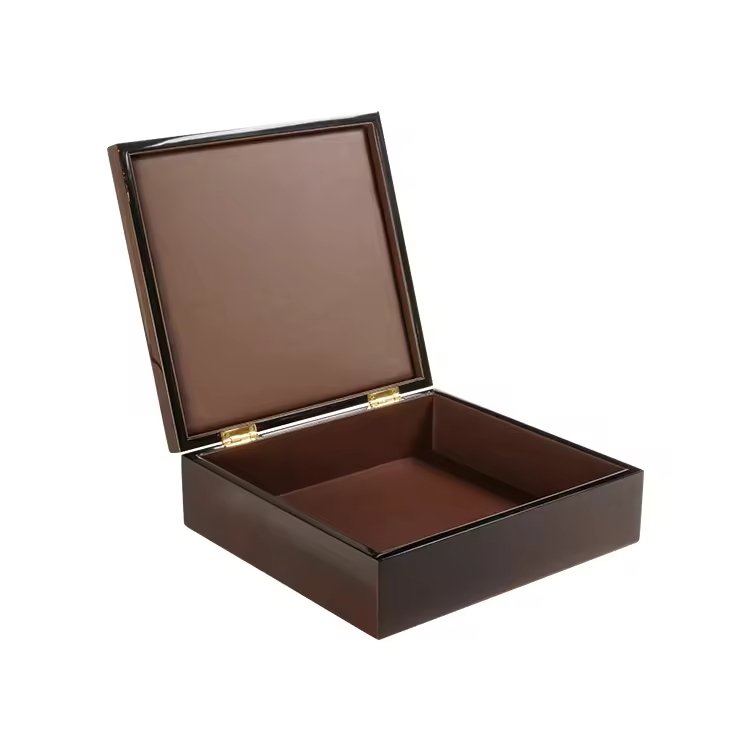
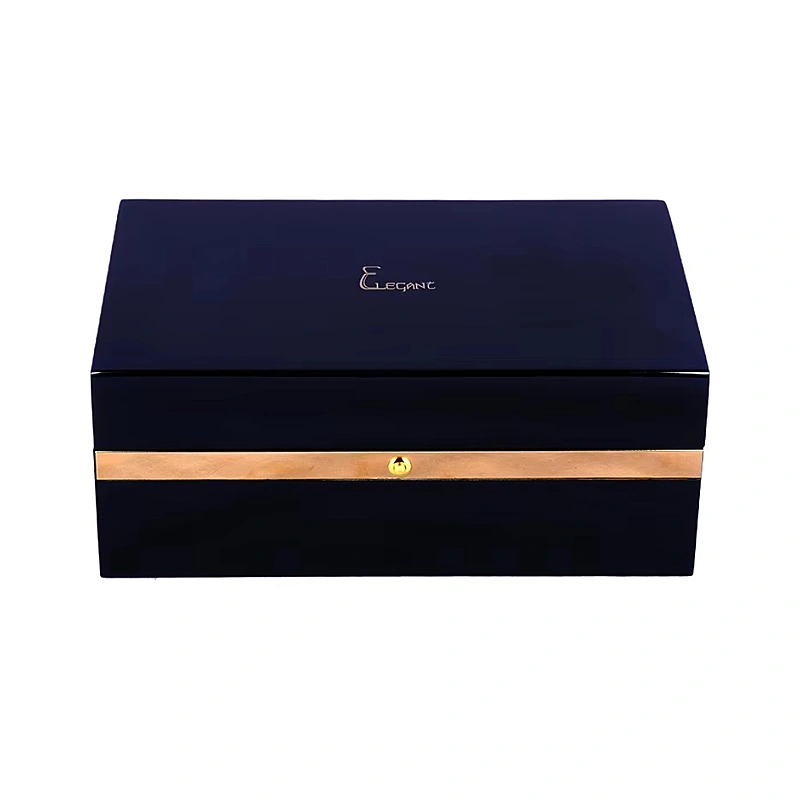
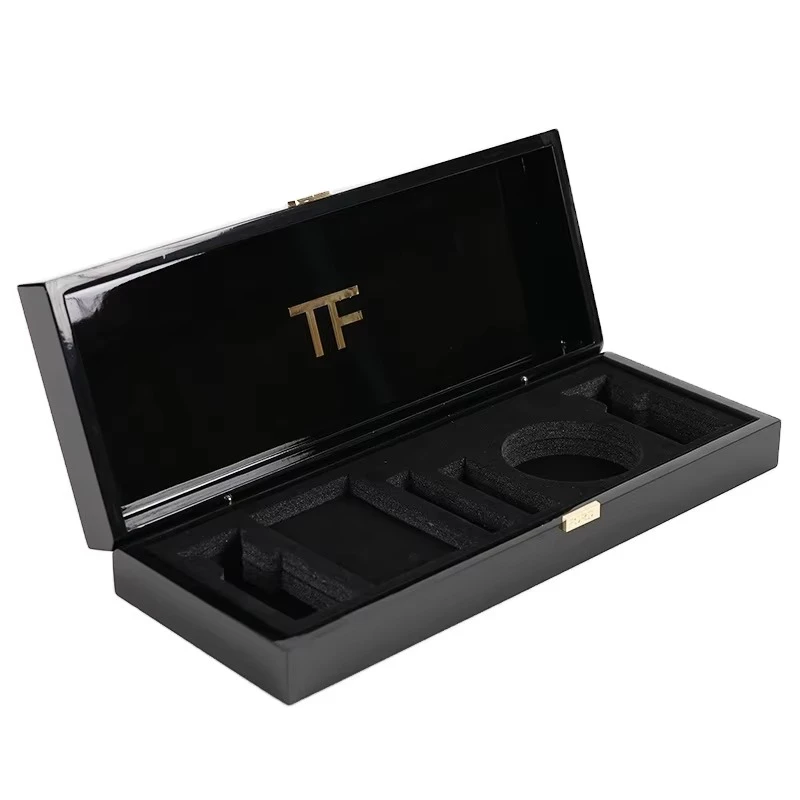
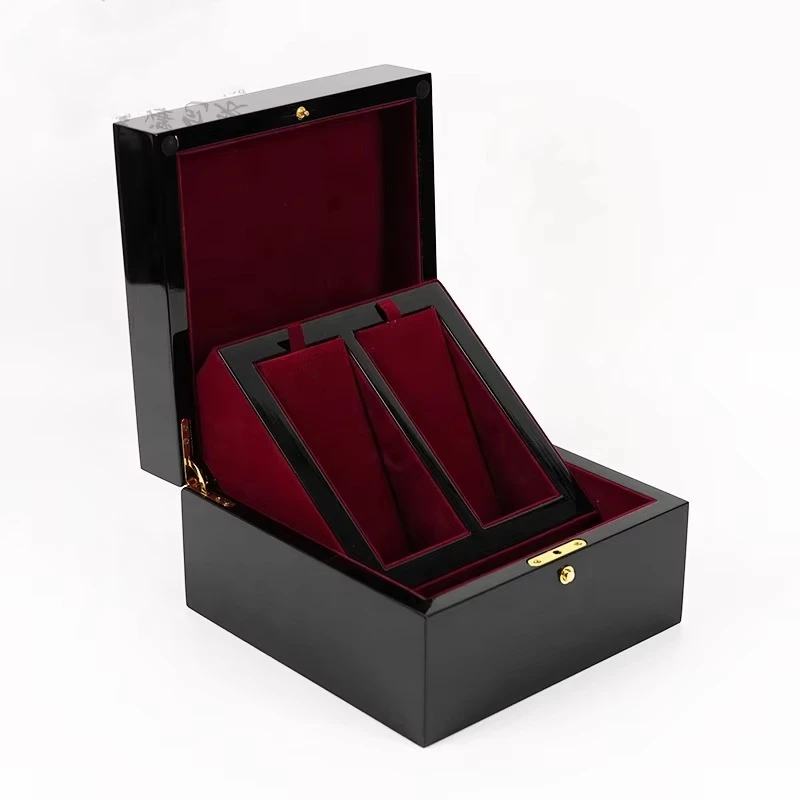
A wooden box with proper padding protects the perfume from these factors. Wood has natural insulation, which helps maintain a stable temperature. A tight lid reduces oxidation. Inside lining like velvet or PU leather protects the container from scratches.
Ideal Storage Guidelines
| Storage Factor | Recommendation |
|---|---|
| Temperature | Keep below 25°C |
| Light | Avoid direct sunlight |
| Air | Keep container sealed |
| Movement | Protect during shipping |
Choosing Packaging for Brand Value
Many high-end brands use wooden boxes because they:
- Look premium
- Feel sturdy
- Add weight and confidence
- Improve gift value
- Protect products better
I have produced many piano-lacquer wooden boxes for perfume brands. The moment you place a simple solid perfume into a glossy, well-finished wooden box, the product jumps from “handmade item” to “luxury gift.” Many brands tell me this packaging upgrade improves customer perception more than any formula change.
Conclusion
Solid perfume works well when wax, oil, scent, and packaging come together to create a smooth, stable, and personal fragrance experience.




 English
  Español
  Português
  Deutsch
  Français
  Italiano
  العربية