I know many people love perfume candles, but they feel lost when they try to make one at home.
You can make a high-quality perfume candle when you control your materials, your temperatures, and your curing time, because every step shapes scent throw and burn performance.
I want to show you a simple path that removes guesswork and helps you build candles that look clean and smell rich.
What Essential Materials Do You Need to Create a High-Quality Perfume Candle at Home?
I know beginners often get overwhelmed by tools and ingredients and end up buying things they do not need.
You need clean wax, proper wicks, tested fragrance oils, a heat-safe container, and a thermometer because these basic materials decide the candle’s stability, safety, and scent performance.
When I started helping fragrance brands design packaging and gift boxes, I often watched their lab teams struggle because they picked low-grade wax or untested oils. A simple candle can fail fast when the raw materials are not right. So I always tell new makers to care about the foundation first.
Wax Options
| Wax Type | Pros | Cons |
|---|---|---|
| Soy Wax | Clean burn, good scent throw | Softer, can frost |
| Paraffin | Strong scent throw, smooth finish | Not natural |
| Beeswax | Natural, long burn | Expensive, mild scent |
| Coconut Wax | Creamy finish, slow burn | Higher cost |
Wick Types
| Wick Type | Best For | Notes |
|---|---|---|
| Cotton | Most wax types | Stable, easy to source |
| Wooden | Luxury look, crackling sound | Needs precise sizing |
Other Important Tools
- Thermometer
- Pouring pitcher
- Fragrance oils
- Heat-safe jars
- Stirring stick
I always remind clients that good fragrance oil is not the same as essential oil. Many essential oils cannot handle high heat, and some fade fast. So a tested fragrance oil makes the whole candle stronger and safer.
How Do You Choose the Right Wax and Fragrance Oils to Achieve a Clean and Long-Lasting Scent Throw?
I know many new makers choose wax based on price and not on performance.
You choose wax and fragrance based on melting point, absorption ability, and scent-release behavior because each wax binds fragrance differently and affects hot and cold throw.
When I worked with a perfume brand on a wooden gift box project, they asked why two candles with the same fragrance smelled different. The answer was simple: wax choice changed everything. Wax has its own personality, and it holds fragrance in its own way.
How Wax Influences Scent Throw
- Soy wax gives a soft, steady throw
- Coconut wax gives a creamy, rich throw
- Paraffin gives a sharp, strong throw
- Blends try to balance strength and smoothness
How to Select the Right Fragrance Oil
I like fragrance oils that are made for candles because they bond better with wax. I avoid oils with too much alcohol because they evaporate fast.
| Fragrance Feature | Why It Matters |
|---|---|
| Flash Point | Determines safe mixing temperature |
| Oil Strength | Affects scent throw |
| Oil Type | Some oils discolor wax |
I also test every new fragrance oil at different loads. I write down cold throw, hot throw, and visual changes. This simple tracking system saves time and avoids waste later.
What Is the Correct Temperature for Adding Fragrance, and Why Does It Matter for Candle Performance?
I meet many beginners who heat wax too much or too little and never know why the candle smells weak.
You add fragrance at the right temperature because wax needs to open up and bind with oil, and wrong temperatures lead to evaporation, weak throw, or separation.
Temperature control is the moment where chemistry meets craft. Even premium fragrance fails if the wax is not ready.
Common Temperature Ranges
| Wax Type | Ideal Add Temperature |
|---|---|
| Soy | 65–75°C |
| Coconut | 70–80°C |
| Paraffin | 80–85°C |
| Blends | 70–80°C |
I always keep a thermometer close because guessing never works. When you add fragrance too hot, it escapes. When too cold, it refuses to mix. I tell this to clients all the time when they ask why their candles smell strong at first but fade later.
Signs You Added Fragrance at the Wrong Temperature
- Oil pools at the top
- Candle tunnels
- Weak hot throw
- Uneven surface
A stable fragrance bond always starts with stable temperatures.
How Can You Pour, Cure, and Test Your Candle to Ensure a Smooth Burn and Balanced Aroma?
Many new makers pour fast and burn fast. They skip the cure time and miss the true scent potential.
You pour slowly, cure long enough, and test burn in stages because these steps let wax solidify evenly and help the fragrance settle into its final strength.
I watch luxury candle brands spend more time curing than pouring. This always surprises beginners, but cure time controls the final quality.
Pouring Tips
- Pour warm wax slowly down the side of the container
- Avoid shaking or stirring too late
- Keep the wick centered
Cure Time Guide
| Wax Type | Cure Time |
|---|---|
| Soy | 7–14 days |
| Coconut | 5–7 days |
| Paraffin | 1–3 days |
When I test a candle, I mark the jar and burn it for one hour per inch of diameter. I watch the melt pool reach the edges. I check the flame height. I smell the throw at 30 minutes and 60 minutes. These simple habits help me judge if a candle is ready for clients.
Common Problems You Can Fix With Proper Curing
- Frosting on soy wax
- Weak hot throw
- Uneven melt pool
- Sink holes
A candle is like woodwork. The true beauty appears after you let it rest.
How Does Proper Storage and Protective Packaging Help Maintain Candle Quality Over Time?
I have seen perfect candles turn dull because they sat in the wrong room or packaging.
You protect candles with proper storage and strong packaging because light, heat, and humidity damage wax, fade fragrance, and spoil the surface.
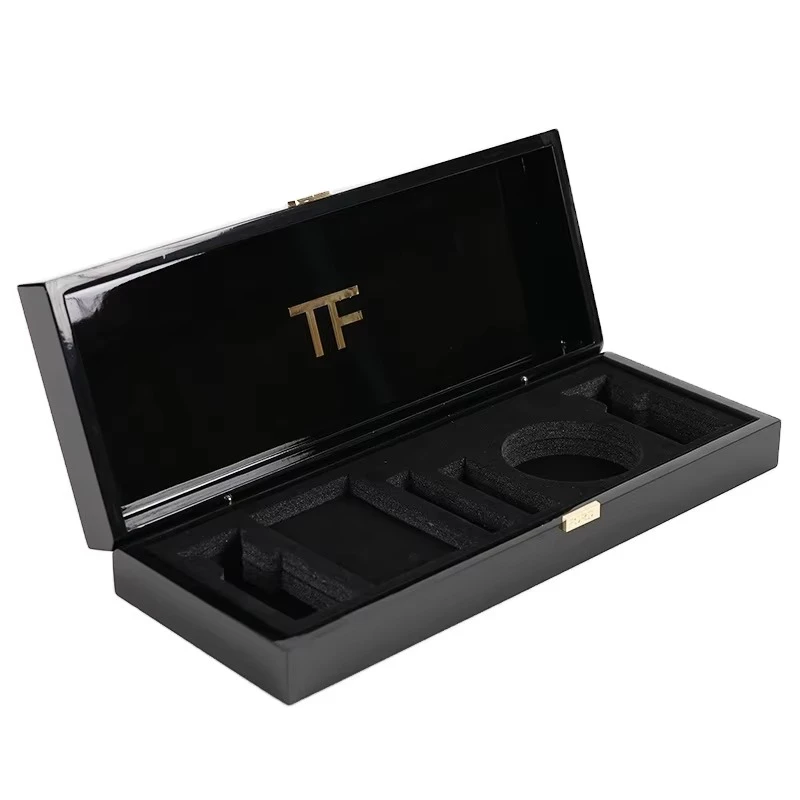
This is where my background in wooden box manufacturing becomes useful. When I build wooden boxes for perfume brands, they want two things: protection and presentation. Candles need both.
Why Storage Matters
- Heat softens wax and weakens fragrance
- Sunlight causes yellowing
- Humidity changes texture
Ideal Storage Conditions
| Factor | Best Range |
|---|---|
| Temperature | 15–25°C |
| Light | Dark or shaded |
| Humidity | Low and stable |
Packaging Choices
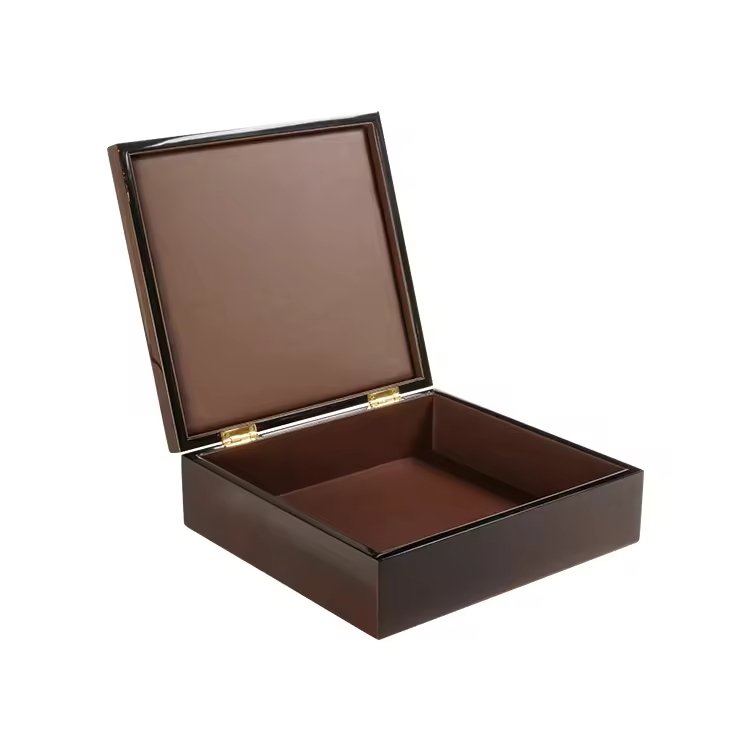
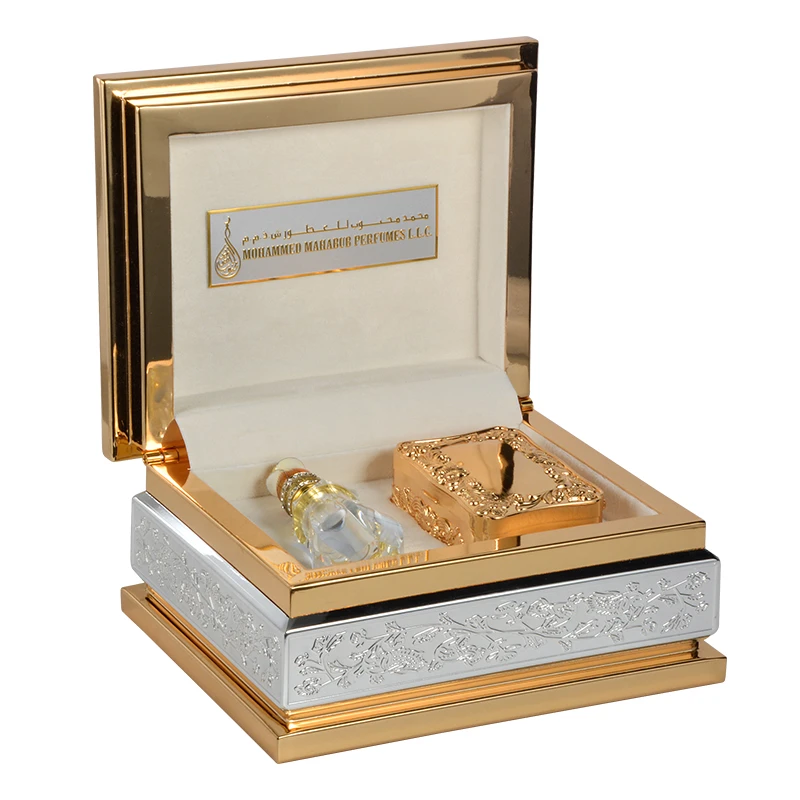
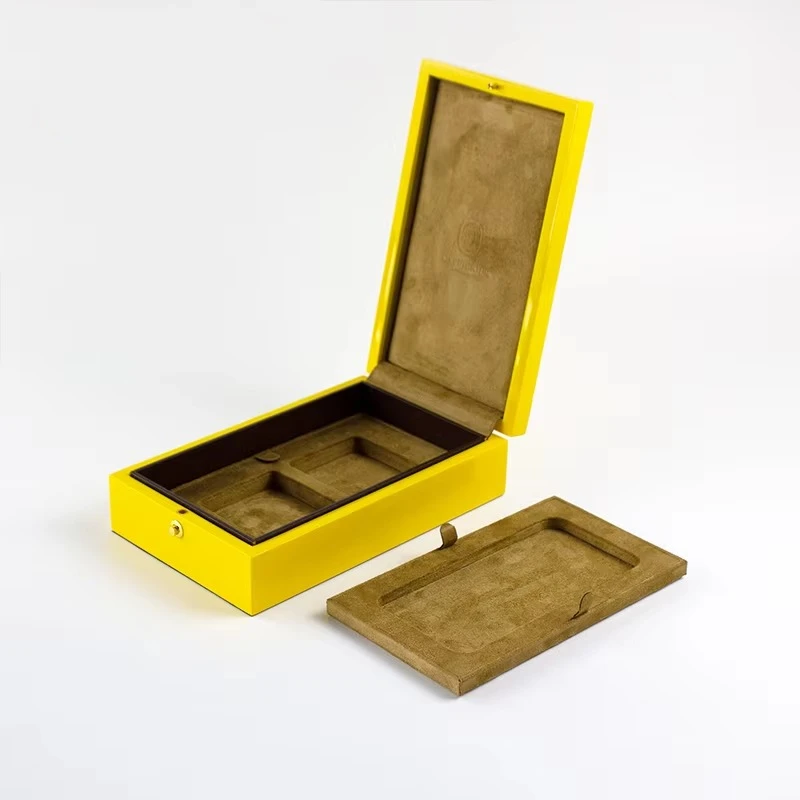
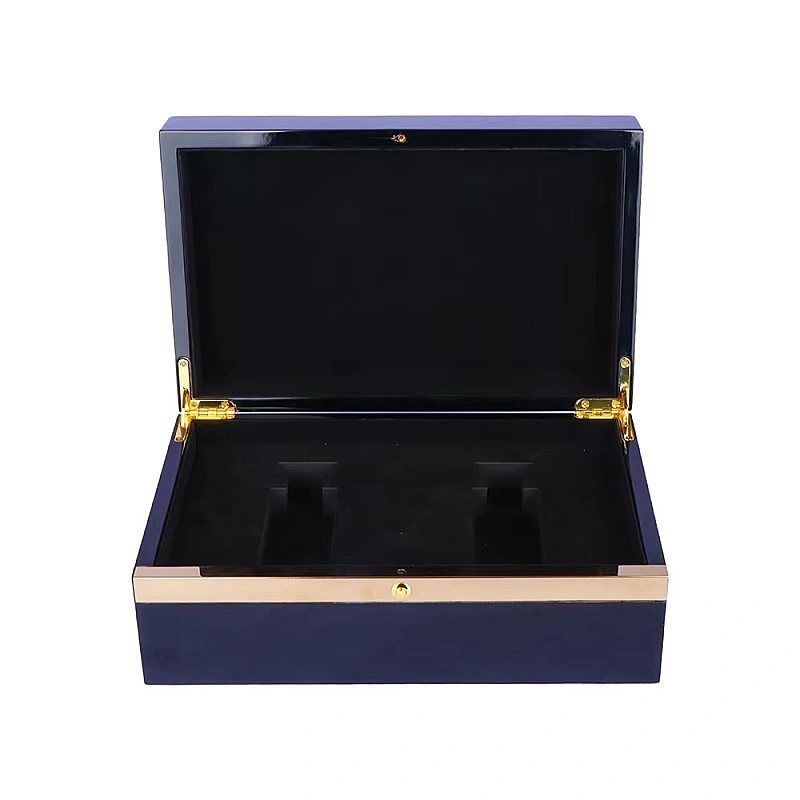
I design many wooden boxes for luxury candles. Strong wood packaging holds the candle steady and blocks light. Soft linings keep the glass from cracking. A good box also shows the brand’s identity.
Here is what I often suggest:
- Solid wood or MDF boxes with soft-touch lining
- Magnetic lids for a premium feel
- Inserts that keep the jar from moving
- Space for branding or printed story cards
Packaging is the final touch that protects the candle and lifts the experience. Many clients later tell me that their customers kept the box even after the candle was gone. This adds long-term value to the brand.
Conclusion
A perfume candle shines when you control ingredients, temperature, curing, and storage.
Brand Name: WoodoBox
Slogan: Custom Wooden Boxes, Crafted to Perfection


 English
  Español
  Português
  Deutsch
  Français
  Italiano
  العربية