I see many new perfumers rush the maceration stage. They mix ingredients and hope the scent will settle on its own. This often leads to harsh and uneven results.
Maceration lets perfume oils and alcohol merge into one smooth scent. It softens sharp notes, deepens the base, and creates a balanced fragrance ready for wear.
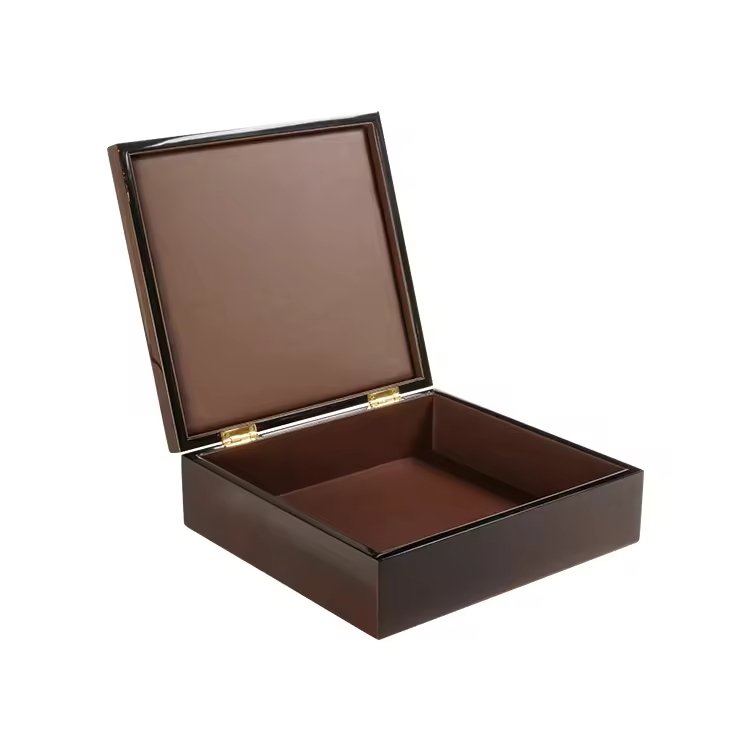
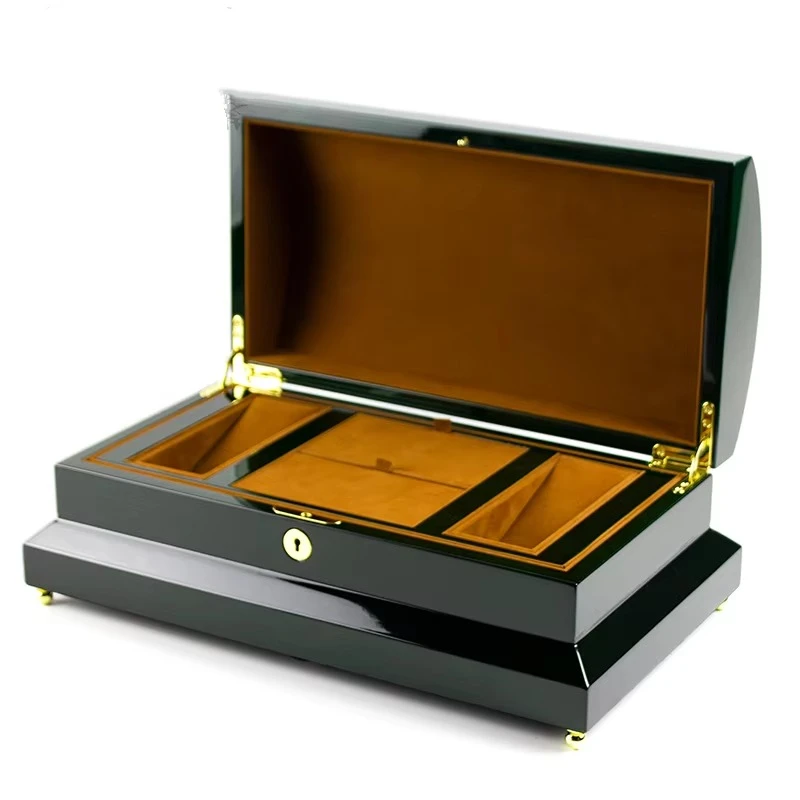
I want to show you how maceration works in a simple and practical way. I also share what I learned from years of making wooden perfume boxes for luxury brands. These insights help you see how perfume makers manage this quiet but powerful phase.
What Does “Maceration” Mean in Perfumery, and Why Is It Essential for a Refined Scent?
I see many beginners confuse mixing with maceration. They mix ingredients and think the job is done. This creates frustration when the fragrance smells broken or thin.
Maceration is the resting period after blending when the perfume molecules merge and smooth out. It is key because it turns a raw mix into a unified and refined scent.
I want to explain why maceration matters. I also want to show how this slow phase changes each layer of a perfume. I learned this as I worked with perfume brands that store their blends for weeks before bottling. They told me they can smell the difference day by day.
How maceration transforms the blend
Maceration lets each note find its place. I often compare it to how wood finishes settle on a wooden box. Fresh lacquer looks sharp and uneven. After it cures, the surface turns soft and deep. Perfume goes through the same kind of shift.
What happens during molecular settling
Below is a simple way to see the process:
| Stage | What Happens | What You Notice |
|---|---|---|
| Day 1 | Molecules float separately | Sharp top notes, weak base |
| Week 1 | Molecules start merging | Smoother scent, less harshness |
| Week 3–6 | Full integration | Balanced, rich, long-lasting |
When a perfume reaches the last stage, you can smell a fuller body. This is why maceration is not optional. It shapes the identity of the fragrance.
How Do Temperature, Light, and Time Influence the Maceration Process?
I talk with many people who store perfume blends on a desk or near a window. They do not know these small things can change the scent in a bad way.
Temperature, light, and time control how fast or slow perfume molecules settle. Stable cool air, darkness, and patience create a clean and even maceration.
Many perfumers ask me why their scent changes over time in a way they did not plan. I always tell them to check the room, not the formula.
How temperature affects the scent
Cold slows movement. Heat speeds it up. I see this also when I store wooden perfume boxes before coating. High heat warps wood. High heat also warps perfume.
Why light exposure weakens delicate notes
UV breaks down citrus, floral, and green notes. These notes fade first. So darkness protects their life.
Why time is part of the formula
Here is a simple breakdown:
| Factor | Ideal Condition | Common Problem When Ignored |
|---|---|---|
| Temperature | 15–20°C | Off-notes, rapid evaporation |
| Light | Full darkness | Faded top notes |
| Time | 3–6 weeks | Rough and uneven blend |
Time does not fix every formula. It simply lets the formula show its true form. I like to say time reveals the truth of a scent.
What Steps Should You Follow to Allow Different Notes to Blend Smoothly During Maceration?
I meet many creators who want a smooth blend but do not follow a clear method. They shake the bottle often or open it too much. This slows the process.
The best way to blend notes during maceration is to mix well once, seal tightly, let it rest, and test only at set times. This gives the scent space to merge.
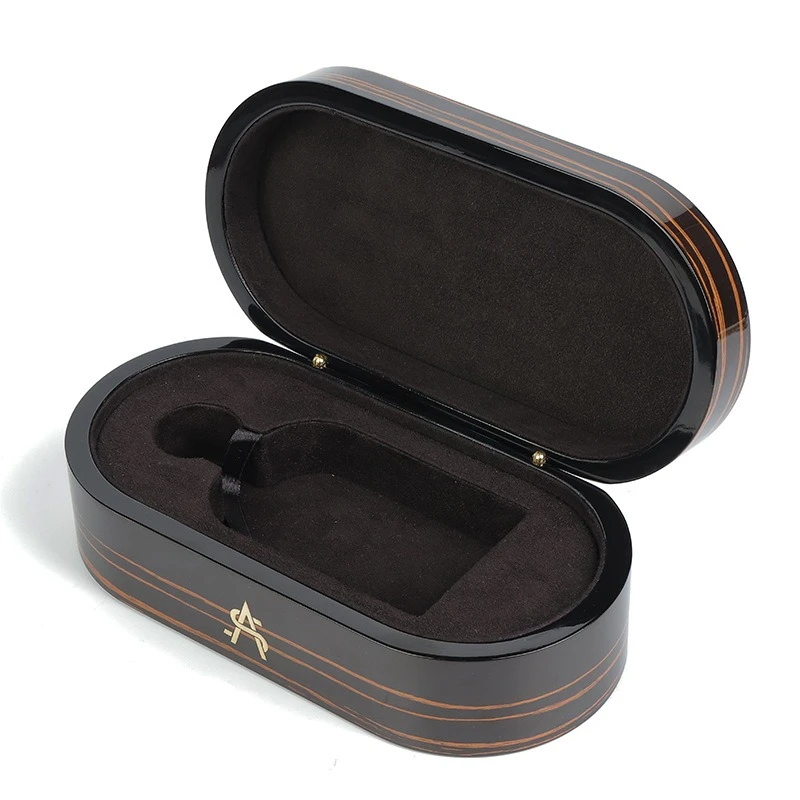
I learned that simple steps give reliable results. Perfume brands I work with follow almost the same routine each time.
Step-by-step method for smooth blending
Step 1: Mix the concentrate
Blend all aroma chemicals and essential oils. Keep the mix stable for 24 hours.
Step 2: Add alcohol slowly
Add alcohol based on your formula ratio. Stir gently.
Step 3: Seal the bottle
Use an airtight container. Oxygen changes the blend.
Step 4: Let it rest
Place the bottle in a dark, cool area. Keep it still.
Step 5: Check only on a schedule
I recommend checking after 7 days, 21 days, and 30 days. Do not smell it every day. It confuses your judgment.
What each note group does during maceration
| Note Type | What It Does | What You Notice |
|---|---|---|
| Top notes | Settle and soften | Less sharp |
| Middle notes | Connect layers | More harmony |
| Base notes | Deepen and round out | Longer lasting |
I watch perfumers smell their blend after a few weeks and smile. They can feel the scent becoming whole.
How Can You Tell When a Perfume Has Finished Macerating and Reached Its Best Balance?
I know many people wait but still ask, “Is it ready?” This doubt is common.
A perfume finishes maceration when the scent smells stable from the first spray to the dry-down, without sharp edges or sudden drops.
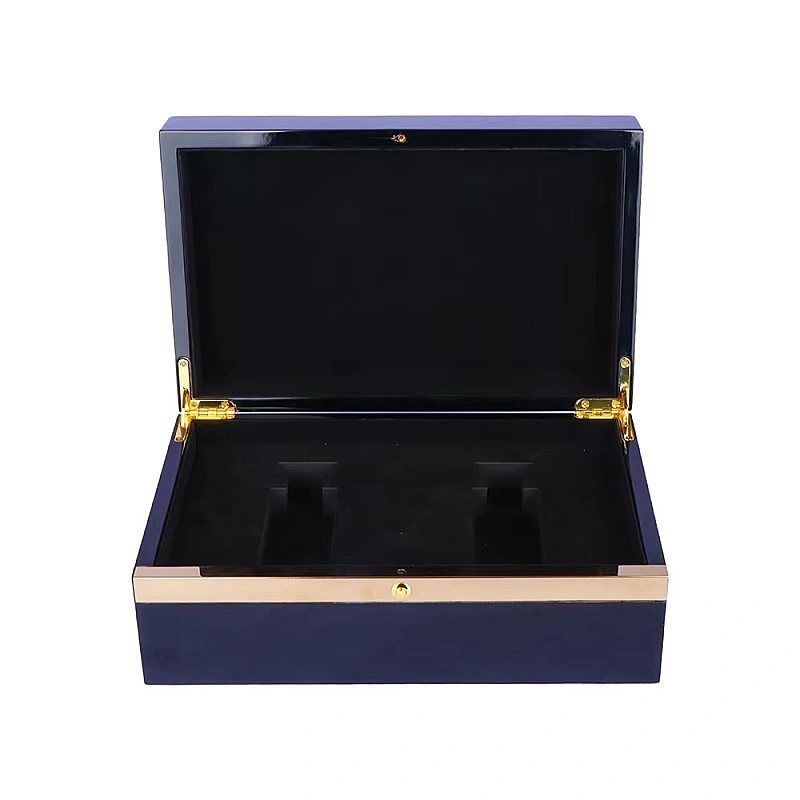
There is no one exact day for every formula. Heavy bases need more time. Light citrus blends need less.
How to check maturity step by step
1. Test the first spray
If it bites your nose or feels too thin, it needs more time.
2. Check the heart after 10 minutes
The middle should feel smooth and connected.
3. Smell the dry-down after 2 hours
It should feel warm, stable, and complete.
Signs that your perfume is ready
| Sign | What It Means |
|---|---|
| No sharp alcohol smell | Alcohol merged fully |
| Stable scent curve | Notes connect well |
| Clear body and tone | Formula reached harmony |
When I help brands pack their perfume into wooden boxes, they often share their final tests with me. I learned to smell the balance even before they say it is done.
Why Do Proper Storage Conditions and Packaging Matter Greatly During the Maceration Stage?
I see people store perfume blends in poor bottles or in unstable rooms. This hurts the final scent more than they expect.
Proper storage keeps the perfume safe from heat, light, and oxidation, which protects its quality during maceration. Good packaging helps the scent stay pure.
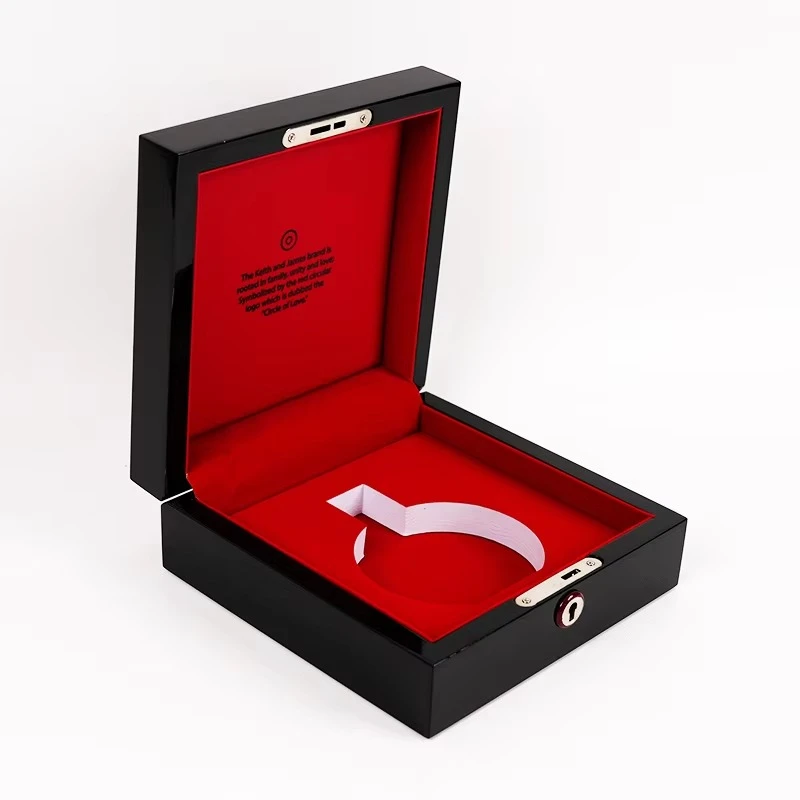
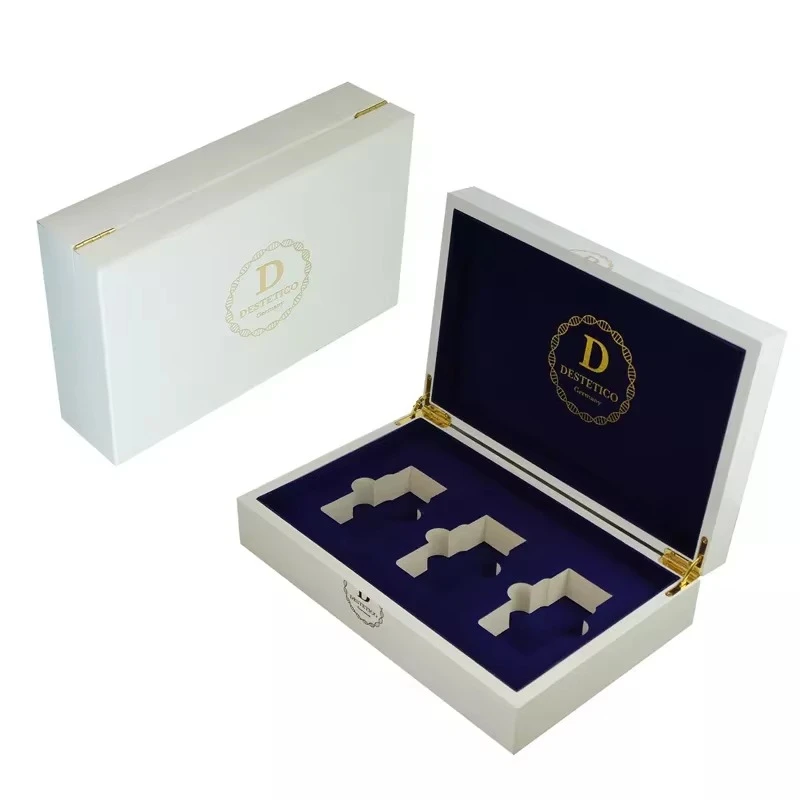
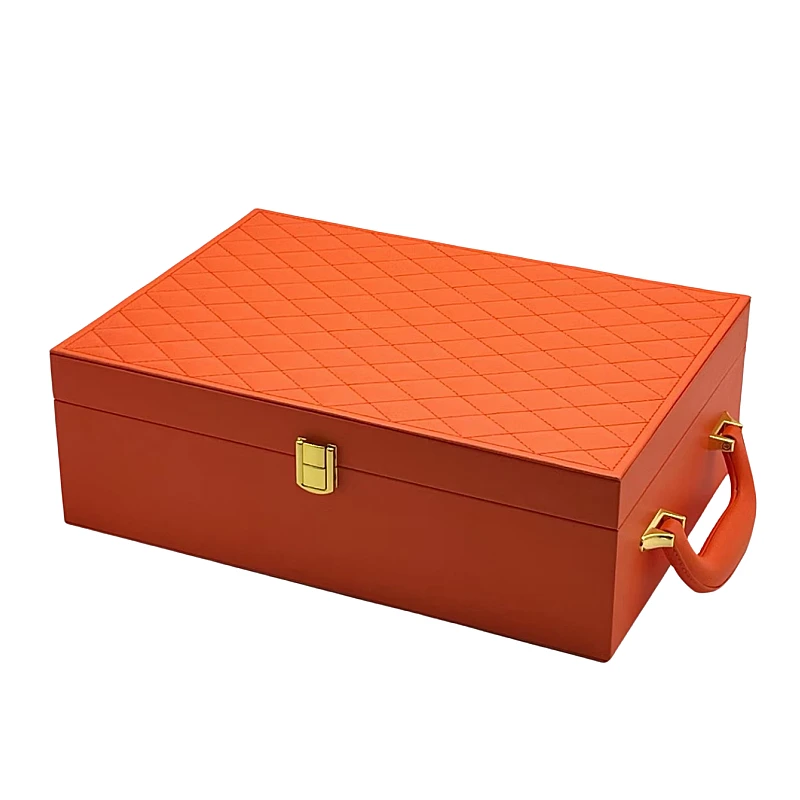
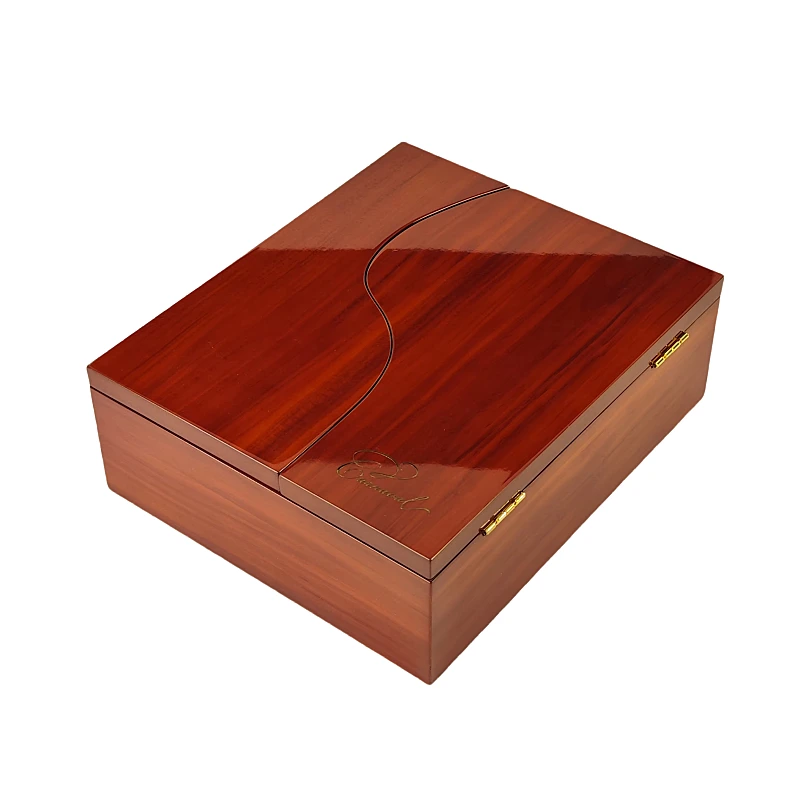
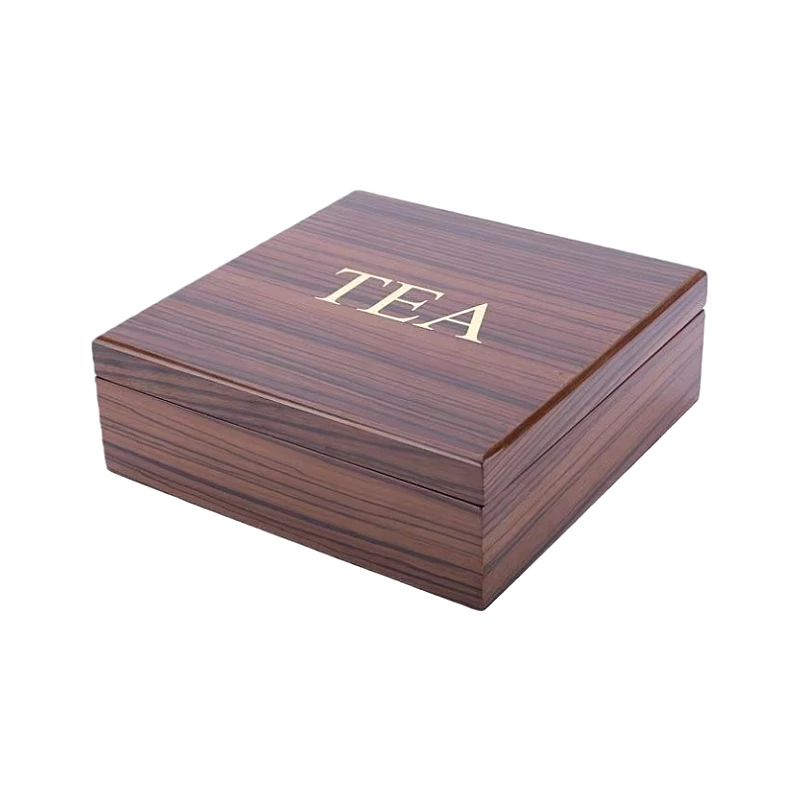
This part connects with my daily work. I design and make wooden perfume boxes for luxury brands. I see how brands protect their perfumes not only for shipping but for storage during maceration.
Why storage conditions matter
Temperature stability
It stops ingredients from separating or aging too fast.
Darkness
It protects sensitive notes from fading.
Airtight containers
They stop oxygen from entering and dulling the fragrance.
How packaging supports maceration
Here is a simple comparison:
| Packaging Type | Benefit During Maceration | Weak Point |
|---|---|---|
| Glass bottles | Best protection | Breakable |
| Aluminum | Blocks all light | Affects smell if low grade |
| Plastic | Cheap and light | Can react with oils |
| Wooden boxes (outer) | Helps regulate light and heat | Not airtight |
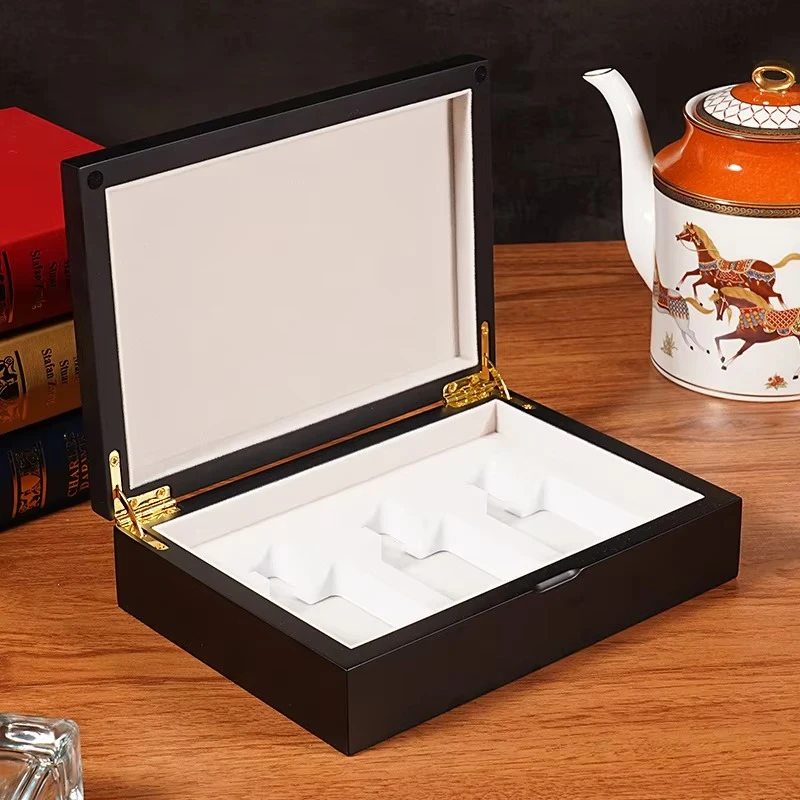
Many of my clients request wooden boxes during the maceration period because wood adds a natural shield from light. It also keeps the storage area stable. This shows how packaging is part of the scent’s journey, not just the final display.
Conclusion
Maceration shapes a raw blend into a smooth and balanced perfume, and good storage protects this slow and quiet process.

 English
  Español
  Português
  Deutsch
  Français
  Italiano
  العربية