跳到内容
跳到内容 
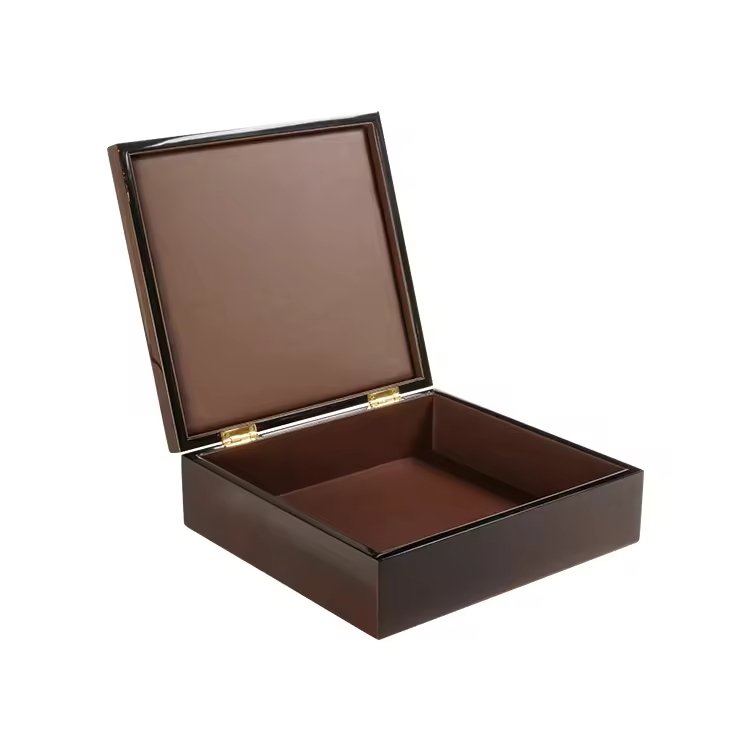
I see many people spill perfume or change its scent by mistake, which makes the whole decanting process stressful and messy.
You can decant perfume by using clean tools, choosing the right method for your bottle, and transferring the liquid slowly to avoid air exposure and contamination.
I will show simple steps that help you move perfume safely, keep the scent clean, and avoid common problems that damage the fragrance.
What Tools Do You Need to Decant Perfume Safely and Without Spilling?
I know the biggest fear when decanting perfume is losing even one drop, especially when the juice is expensive or rare.
You need a clean syringe, pipette, funnel, small atomizer bottles, and alcohol wipes to decant perfume without spilling or contaminating the fragrance.
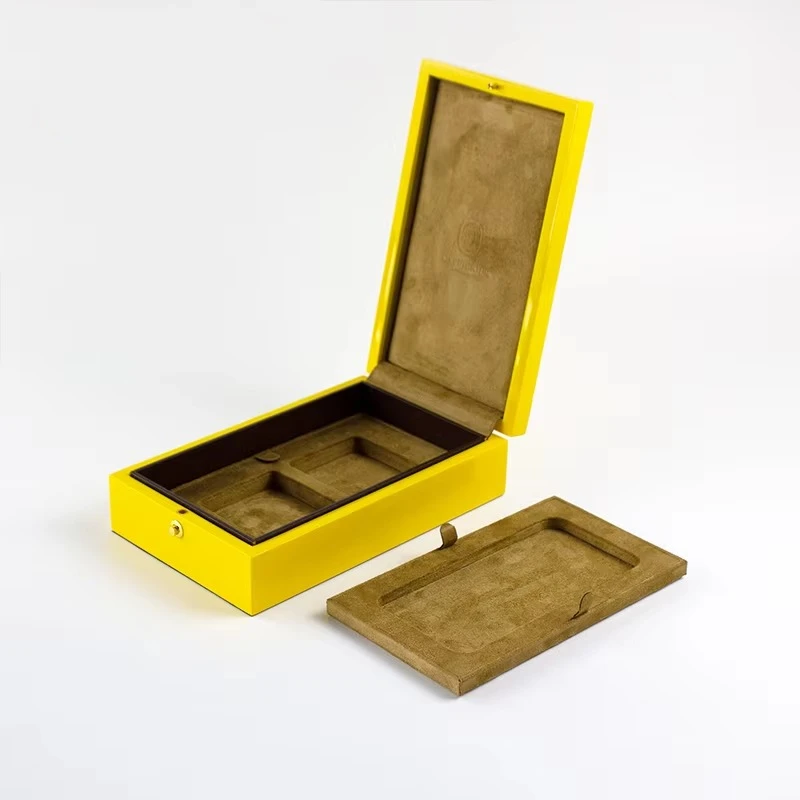
A good setup makes the whole process easy. Many buyers I work with underestimate the importance of basic tools. I see this often when clients handle luxury fragrance packaging in our workshop. The right tools create control, and control protects the scent.
Why Each Tool Matters
| Tool | Purpose | Notes |
|---|---|---|
| Syringe | Accurate transfer | Best for bottles without sprayers |
| Pipette | Gentle flow | Avoids bubbles and splashing |
| Funnel | Quick pouring | Works for larger openings |
| Atomizer bottle | Final container | Choose glass for long-term stability |
| Alcohol wipes | Cleaning | Removes dust and residue |
Best Practices for a Clean Setup
I always prepare a small workstation before I start. I wipe every tool with an alcohol pad and wait until it dries. This removes invisible residue that can change the scent over time. I also cover the table with a clean cloth to keep the bottle stable. Small details matter a lot. When you decant a perfume with a strong top note, even a tiny amount of dust or moisture can shift the smell.
Extra Tips From My Experience
When I handle wooden perfume boxes for brands, I often test the bottles before sealing the packaging. I learned that a slow, steady hand keeps the perfume calm. Sudden movements trap air inside the siphon or pipette. Air makes the fragrance age faster. So I always move slowly, and I never rush the setup. This simple habit saves products and time.
How Can You Choose the Best Decanting Method Based on the Bottle Type?
Every perfume bottle behaves differently, and this confuses many beginners right away.
You should match the decanting method with the bottle type, because sprayers, splash bottles, and sealed pumps each need a different approach to avoid waste.
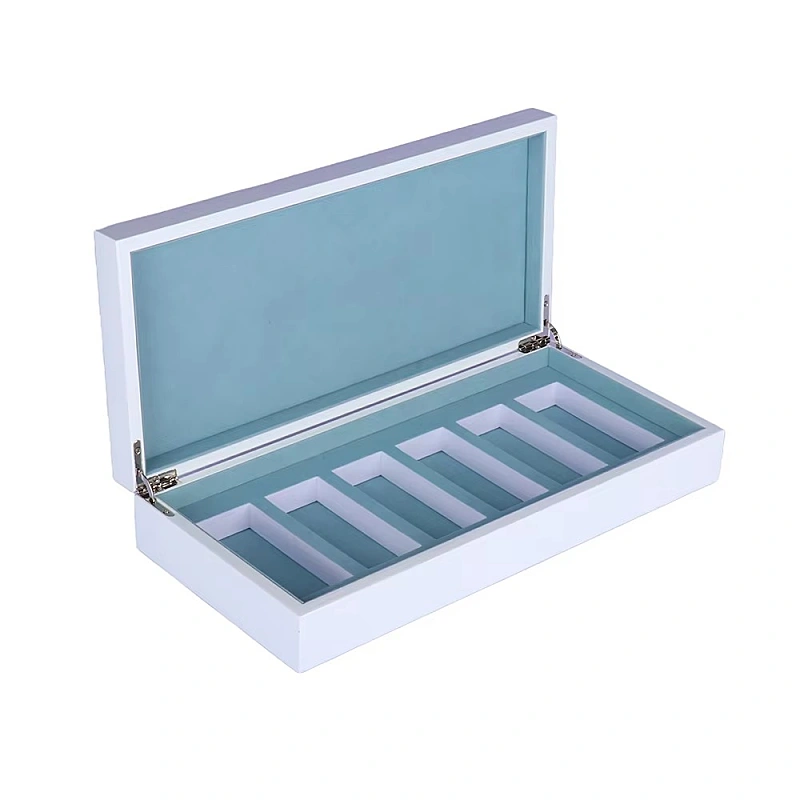
When I work with clients who design wooden boxes for niche perfumes, they often ask why some bottles need special handling. The answer is the internal structure. The spray mechanism, the opening size, and even the angle of the tube change how perfume flows. You must understand these parts to avoid damaging the bottle or losing perfume.
Main Bottle Types and How to Handle Them
1. Spray Bottles With Removable Caps
These are the easiest to work with. You can spray directly into an atomizer or remove the sprayer to use a syringe.
Best method: Direct spraying for travel-size atomizers.
2. Spray Bottles With Fixed or Tight Pumps
Some brands use pumps that cannot be removed. These pumps are delicate.
Best method: Spray into a small funnel or directly into the new bottle.
3. Splash or Dab-On Bottles
These bottles have wide openings. They are simple but risky because the liquid flows fast.
Best method: Pipette or syringe for steady control.
4. Vintage or Ornamental Bottles
Many luxury brands use decorative designs that are fragile.
Best method: Slow pipette extraction to avoid air bubbles.
What to Consider Before Choosing a Method
- Bottle pressure: Strong sprayers fill atomizers fast but create more foam.
- Opening size: Wide openings need pipettes; narrow ones need syringes.
- Fragility: Vintage bottles require gentle handling.
Personal Insight
I often receive high-end perfume bottles from brands that want custom wooden boxes. Some bottles have pumps glued permanently to prevent leakage during shipping. When you decant these bottles, only direct spraying works. On the other hand, niche perfume houses often use simple aluminum sprayers that twist off easily. This design makes syringe extraction smooth and safe. When you know the bottle's structure, you never fight the bottle. You work with it.
What Steps Should You Follow to Keep the Perfume Clean and Prevent Contamination During Decanting?
Many people think decanting is only pouring perfume. But cleanliness is the part that protects the scent.
You keep perfume clean by sanitizing tools, drying every container, avoiding direct contact with hands, and transferring the liquid slowly to reduce air exposure.
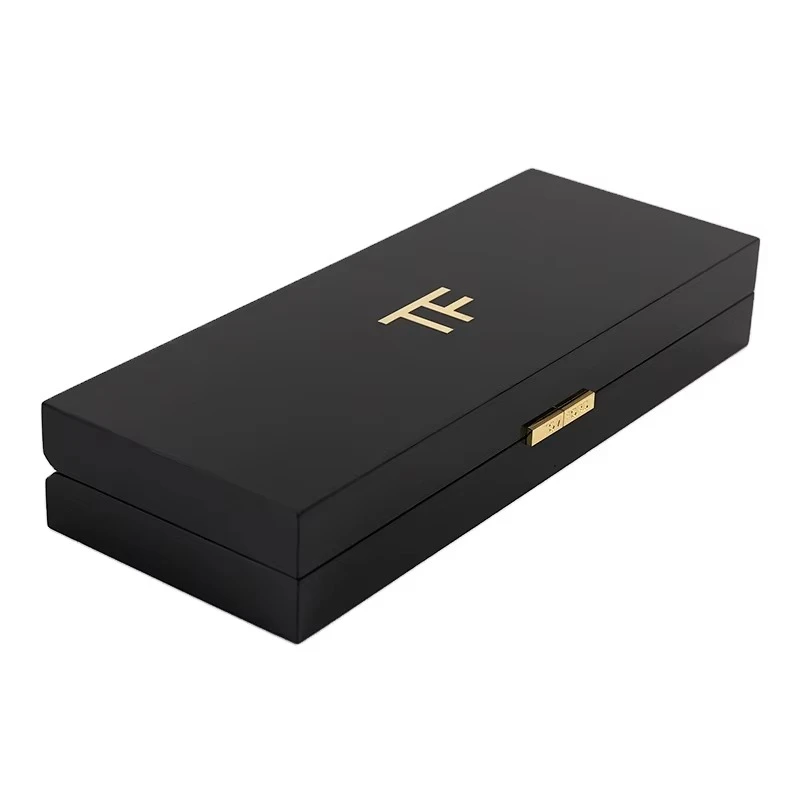
Cleanliness is the core rule in fragrance handling. I learned this while preparing custom wooden boxes for brands that demand strict quality standards. They often check the bottle surface for fingerprints, dust, or oil marks. If these things matter outside the bottle, they matter even more inside.
Step-by-Step Clean Decanting Process
Step 1: Clean All Tools
Use alcohol wipes. Let everything dry completely. Any moisture can dilute the perfume.
Step 2: Clean the Receiving Bottle
Rinse it with alcohol if needed. Let it air-dry upside down.
Step 3: Keep Hands Away From Openings
Touching the rim of a bottle introduces oil and dust.
Step 4: Transfer Slowly
Slow movement reduces bubbles and keeps the perfume oxygen-free.
Step 5: Seal the Bottle Quickly
The less time perfume sits open, the better the scent stays.
Why Dryness Matters
When I export wooden boxes for perfume brands, humidity control is a big part of the packaging process. Moisture changes wood, and it also changes fragrance. Water in a container weakens the alcohol base of perfume. Even one drop can sit at the bottom and slowly affect the scent. So I always stress full dryness before pouring.
Typical Contamination Sources
| Source | Problem |
|---|---|
| Dust | Makes the liquid cloudy |
| Fingerprints | Introduces oil that reacts with notes |
| Moisture | Dilutes formula |
| Dirty pipette | Adds leftover scent from another perfume |
Clean tools protect the perfume. This is the simplest rule, but the most ignored.
What Common Mistakes Can Affect the Scent Quality When Decanting, and How Do You Avoid Them?
Many beginners blame the perfume when the real problem is the decanting process.
The most common mistakes are shaking the bottle, exposing the perfume to air, using dirty tools, and leaving the container open too long.
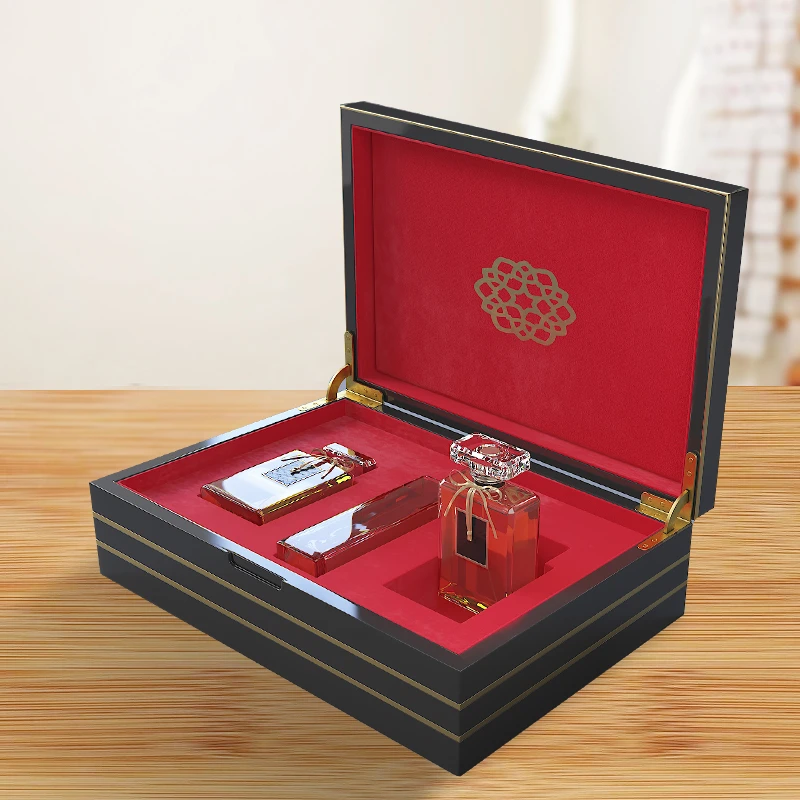
In my experience, even high-end perfume brands lose product quality when the handling steps are rushed. When I prepare wooden packaging for luxury scents, I see that the fragrance teams treat every bottle gently. They move slowly, and they avoid sudden motions. This protects the top notes.
Mistake 1: Shaking the Bottle
Perfume is not meant to be shaken. Shaking traps air and speeds up oxidation.
Mistake 2: Pouring Too Fast
Fast pouring causes splashing and bubble formation. Bubbles make the perfume degrade faster.
Mistake 3: Using Tools With Residual Scent
If a pipette smells like another perfume, the new scent will mix with it.
Mistake 4: Leaving the Bottle Open
Even a few minutes of exposure can weaken citrus and floral top notes.
How to Avoid These Errors
- Move slowly.
- Keep bottles sealed until ready.
- Use tools that are fully clean and dry.
- Do not tilt bottles aggressively.
My Experience With Scent Stability
When I test perfume bottles before they go into custom gift boxes, I often check how the scent performs after handling. I learned that even two minutes of unnecessary air exposure softens bright notes. Woods and resins stay stable, but citrus and aromatic notes fade fast. This is why careful handling is not optional. It protects the integrity of the fragrance.
How Should You Store a Decanted Perfume to Maintain Its Freshness and Longevity?
Many people decant perfume correctly but store it wrong afterward.
You should store decanted perfume in a cool, dark place inside a glass atomizer with a tight seal to keep the fragrance fresh.
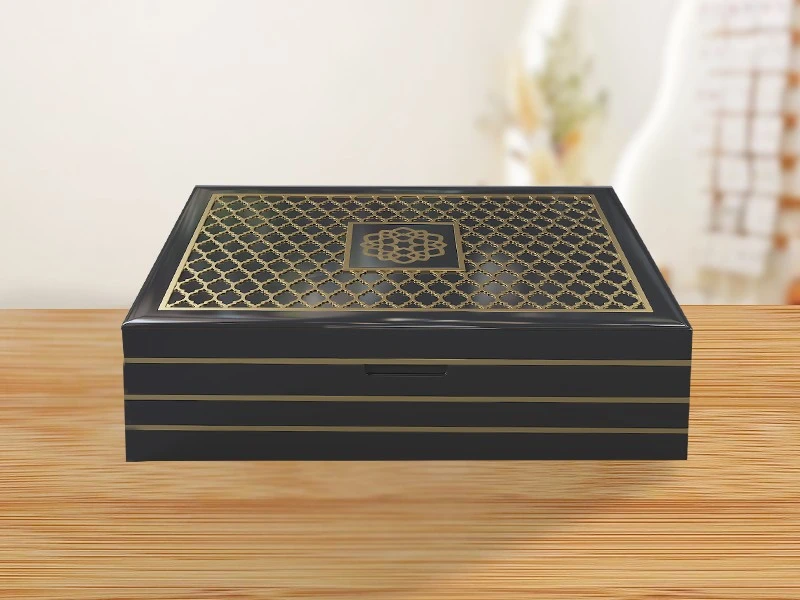
Storage is the final step, and it decides how long the perfume stays true. When I ship wooden boxes for perfume brands, I always monitor temperature and humidity. Perfume behaves the same way. It reacts to heat, light, and air. A small travel atomizer needs even more care because it does not have the thick glass or special coating of the original bottle.
Ideal Storage Conditions
1. Temperature
Store perfume around 15–20°C. Avoid extreme heat or freezing.
2. Light
Keep bottles away from sunlight. UV light breaks the formula.
3. Air
Ensure the atomizer has a tight seal. Loose caps let air leak inside.
Best Containers for Decants
| Container Type | Performance | Notes |
|---|---|---|
| Glass atomizer | Best | Stable and non-reactive |
| Plastic atomizer | Good | Light but not ideal for long-term |
| Metal atomizer | Very good | Protects from light |
Extra Tip From Real Projects
When brands order custom wooden boxes, many choose dark-stained interiors or velvet lining. These materials protect the fragrance from light and temperature shifts. You can take the same idea at home. Keep your decanted perfume in a drawer, cabinet, or small protective case. This slows down evaporation and oxidation.
Conclusion
Store perfume well, decant slowly, and keep tools clean to protect the scent and enjoy its true character.
Brand Name: WoodoBox
Slogan: Custom Wooden Boxes, Crafted to Perfection

 English
  Español
  Português
  Deutsch
  Français
  Italiano
  العربية