I know many people feel lost when they face hundreds of perfume choices, because every scent smells good at first but changes fast.
You choose a perfume by understanding your scent preference, your lifestyle, and how a fragrance changes on your skin. These steps help you avoid guesswork and find a scent that truly fits you.
I will show simple ways to test, compare, and judge perfumes, so you can pick a scent that feels natural and confident on you.
What Key Factors Should You Consider Before Selecting a Perfume That Suits You?
I see buyers struggle when they choose perfume, because they look at brand names first and ignore what they really like.
You choose the right perfume by looking at your scent family preference, your daily routine, your skin type, and the situation where you plan to wear the fragrance.
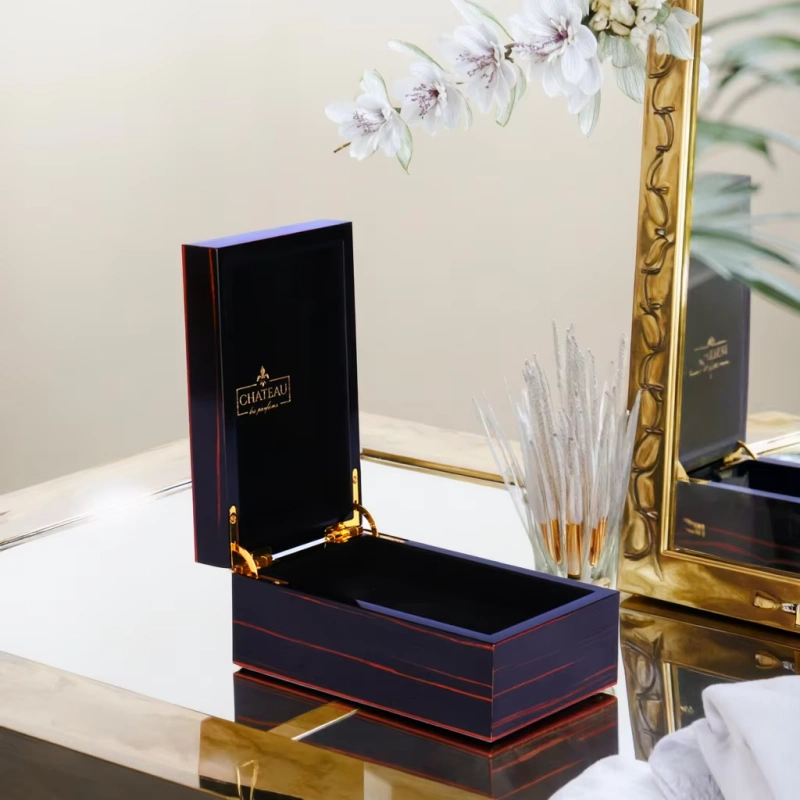
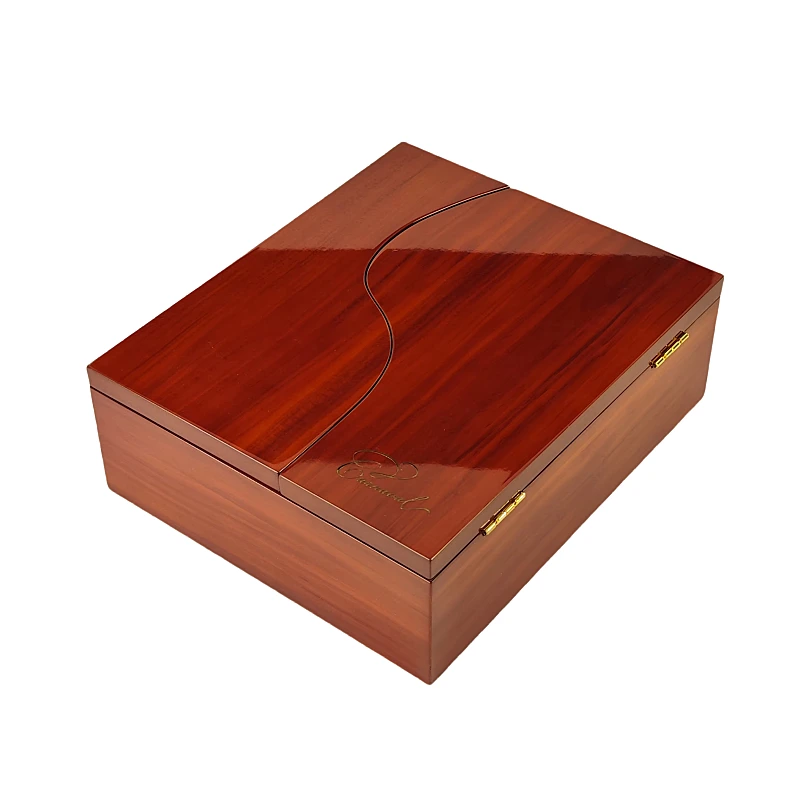
When I work with perfume brands that use our high-gloss wooden perfume boxes, I notice that the best buyers always start with a simple question: “When will I wear this?” This one question shapes all later decisions. A scent for office use cannot smell too heavy. A scent for night events needs more depth. Many new buyers skip this step, and they end up with perfumes that feel wrong after one week.
Main Scent Families
I often guide clients to look at broad scent families. This simple view helps them see what they like without trying every bottle in the store.
| Scent Family | Simple Description | Who Usually Likes It |
|---|---|---|
| Fresh | Clean, bright | Minimalists, office use |
| Floral | Soft, feminine | Romantic personalities |
| Woody | Warm, calm | Mature, grounded users |
| Oriental | Sweet, deep | Night events, bold users |
Why Your Lifestyle Matters
A perfume reacts to heat, humidity, and your body movement. If you live in a warm place, lighter scents last longer and feel more natural. If you work long hours indoors, you may need a scent with stronger base notes. I saw many high-end brands adjust their fragrance ranges based on region for this exact reason.
Skin Type Influence
Dry skin loses scent faster. Oily skin keeps perfume longer. Many people do not know this. When I test perfumes for packaging projects, I always test on different skin types to see how the scent behaves. This step shows real results that a paper strip can never match.
When you think through these factors, you feel more sure about your selection and avoid spending money on scents that do not match your life.
How Do Top, Middle, and Base Notes Help You Understand Whether a Scent Matches Your Style?
People often fall in love with the first spray, then feel confused when the scent changes later.
Top, middle, and base notes show how a perfume transforms over time, so you can judge its real character and see if it fits your style.

When I first started helping clients design perfume boxes, I learned that perfume is like a story. It opens fast, then slows down, then leaves a long memory. If you judge only the first few seconds, you miss the entire story.
Three Layers of a Perfume
| Layer | Duration | Simple Meaning | What You Should Notice |
|---|---|---|---|
| Top Notes | 5–15 mins | First impression | Freshness, brightness |
| Middle Notes | 20–60 mins | Heart of the scent | Personality, harmony |
| Base Notes | 4–8 hours | Long-lasting trail | Warmth, depth |
Why the Heart Note Matters Most
The middle notes show the true style of the perfume. These notes decide if a scent feels elegant, playful, strong, or calm. When I test scents for luxury brands, I always wait for this part before giving any feedback. Most people skip this wait, but this is the moment that tells the truth.
Base Notes and Personal Identity
The base notes stay for hours on your skin. They interact with your natural scent. This is why one perfume smells warm on one person and sharp on another. If you want a signature scent, pay attention to how the base note feels after several hours.
When you understand these layers, you choose a perfume that matches not just the opening impression but the full journey.
Why Is Testing Perfume on Skin More Accurate Than Smelling It on a Test Strip?
Many people trust paper strips because stores hand them out, but paper cannot show the real scent.
Testing on your skin is more accurate because body temperature, oils, and chemistry change how a perfume develops and lasts.
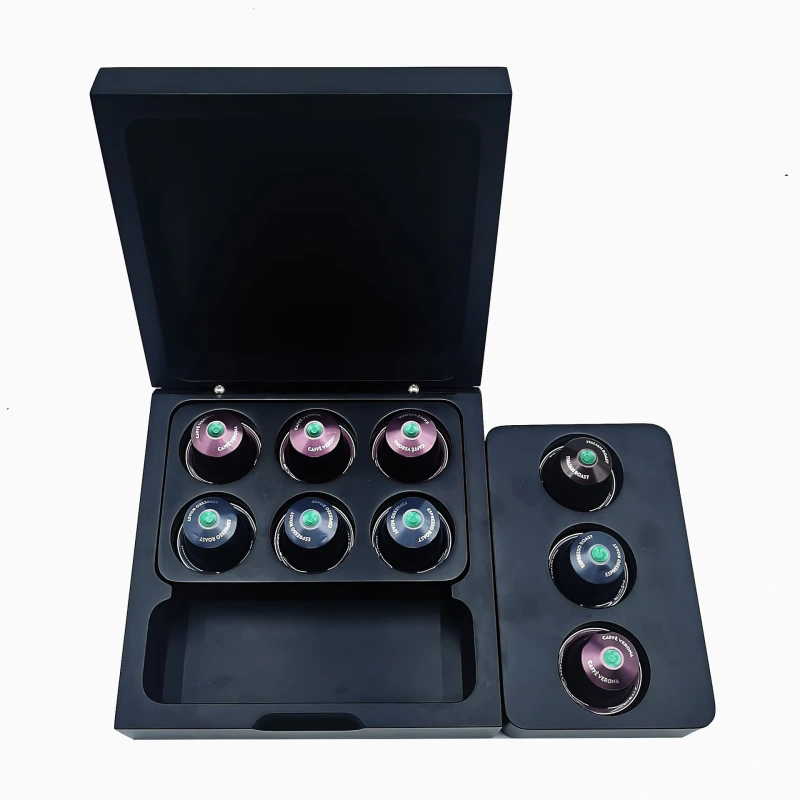
I learned this early when working with a perfume brand that wanted different wooden boxes for the same scent in two regions. The scent smelled sweet on paper but turned warm and deep on the skin. The brand changed its marketing message after this test. This is the power of skin chemistry.
How Skin Changes a Scent
| Skin Condition | Effect on Perfume |
|---|---|
| Warm skin | Makes scent open faster |
| Dry skin | Reduces longevity |
| Oily skin | Holds scent longer |
| Skin pH | Can shift scent direction |
Where to Test on Your Skin
I always suggest testing on your wrist or inner arm. These areas are warm and soft, so they show the scent evolution clearly. Do not rub your wrists together. This breaks the molecules and changes the smell.
Why Paper Strips Mislead You
Paper shows only the top notes. It does not warm up. It does not interact with oils. It does not tell you how the base stays after four hours. I still use paper strips sometimes to compare opening notes, but I never judge a perfume from paper alone.
Testing on your skin gives you the full picture, so you choose more confidently.
How Can You Compare Different Perfumes Without Overloading Your Nose?
People often smell too many perfumes at once, and everything turns into a blur.
You compare perfumes best by limiting the number, taking breaks, and testing them slowly on skin and paper.
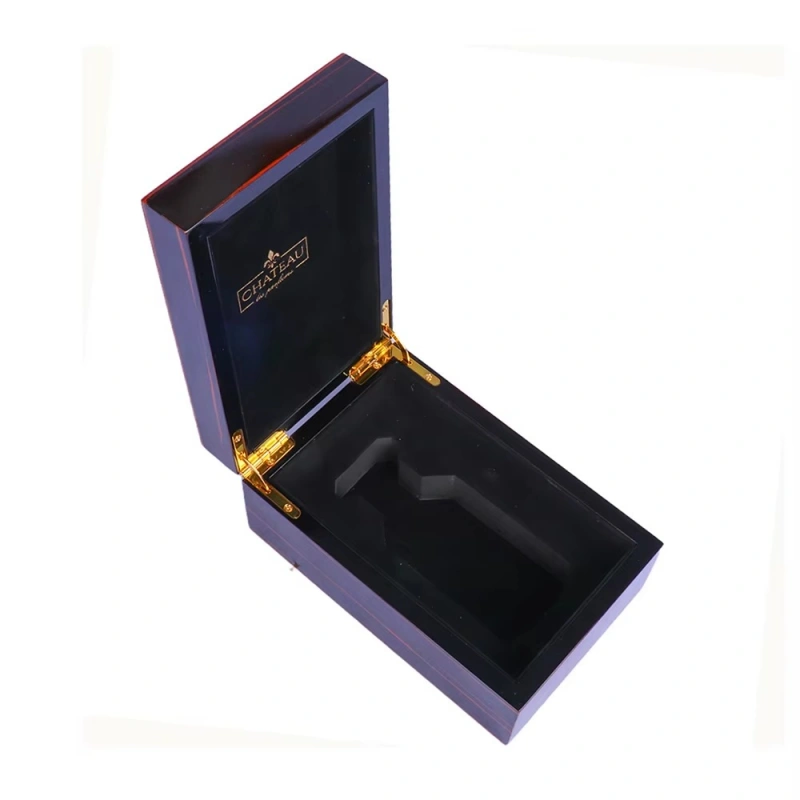
I often test new scent collections when designing wooden perfume boxes for brands. If I smell more than four, my nose becomes confused. Overload makes all scents feel similar, and you lose the ability to choose.
Simple Steps to Compare Perfumes
Start with paper strips for the first filter. This lets you remove scents you do not like. Then pick two or three and test them on skin. Walk around. Give them time to settle. This method works better than fast smelling sessions.
Use Breaks to Reset Your Nose
Many people use coffee beans. I do too sometimes. But the real reset comes from fresh air. Step outside the store. Breathe slowly. Your sense of smell will recover faster.
Keep Notes While Testing
I keep a small notebook during scent evaluation for packaging projects. I write down time, feeling, and changes. It helps me see patterns that I forget later. You can do the same with simple words like “fresh,” “sweet,” or “warm.” You do not need complex terms.
Compare by Occasion
When testing, ask yourself: “Which one feels right for work?” or “Which one feels right for a date?” Perfumes fit different moments. You do not need one perfume to do everything.
Slow comparing avoids confusion and lets you see what truly feels right.
What Should You Look For in Terms of Longevity, Sillage, and Daily Use to Make a Smart Choice?
Many people pick perfumes based only on the first smell, but that does not show how the scent performs.
You choose wisely when you check longevity, sillage, and how the perfume fits daily use.
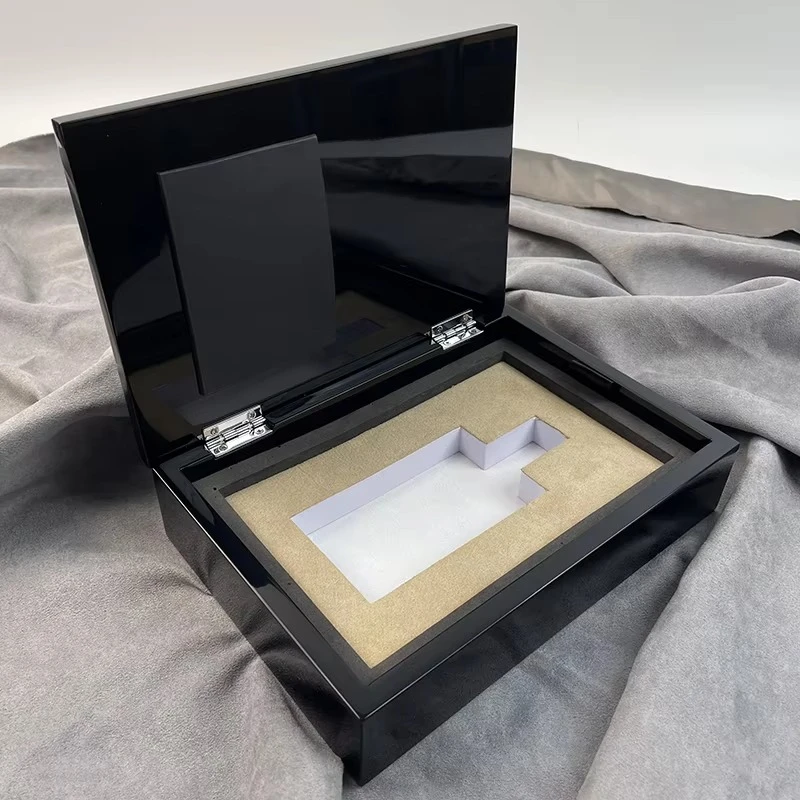
I often discuss this with brands when we create high-end perfume boxes. A luxury scent must perform well, or the customer feels disappointed. Strong performance also helps brands justify premium packaging like piano-finish wooden boxes.
Longevity
Longevity means how long the perfume stays on your skin. Some last two hours. Some last ten. If you want all-day wear, look for scents with strong base notes like amber, musk, or wood.
Sillage
Sillage means how far your scent travels when you walk. Some people want a soft trail. Some want a strong one. I always ask clients about their social environment before they choose. A strong sillage may work for events but feel too heavy for office use.
Daily Use and Versatility
Think about your day. Do you stay in air-conditioned rooms? Do you move a lot? Do you meet many people? Your scent should not disturb others. A balanced perfume works better for daily use.
Performance Table
| Feature | What It Tells You | What to Look For |
|---|---|---|
| Longevity | Staying power | Strong base notes |
| Sillage | Presence in the air | Fit for your environment |
| Versatility | Works in many situations | Balanced composition |
When you check these factors, you avoid buying a nice-smelling perfume that does not perform well in real life.
Conclusion
Choose perfume slowly, test on skin, and focus on how it fits your life and style.
Brand Name: WoodoBox
Slogan: Custom Wooden Boxes, Crafted to Perfection

 English
  Español
  Português
  Deutsch
  Français
  Italiano
  العربية