I know many people feel lost when they first step into perfumery because the path looks unclear. The world of fragrance feels magical, but the process feels overwhelming.
You can become a perfumer by building the right knowledge base, training your nose every day, learning formulation tools, and gaining experience through structured practice. It is a slow path, but it is possible for anyone who stays consistent.
I want to walk you through the same steps I once shared with young fragrance designers who visited my factory. These steps work because they build skill layer by layer.
What Foundational Knowledge Should You Build Before Starting a Perfumery Journey?
I see many beginners rush into blending oils and expect fast results. This creates frustration because they miss the base knowledge that supports every formula.
You should learn fragrance families, aroma chemicals, natural extractions, safety rules, and how evaporation curves work before you start blending. This knowledge makes practice easier and more accurate.
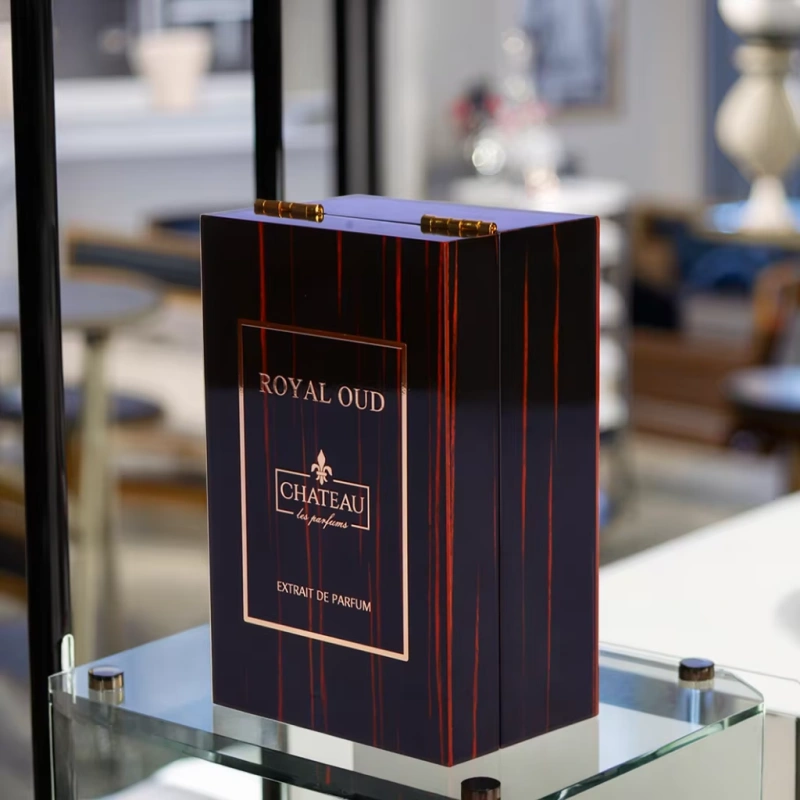
When I talk with new designers, I always ask about their basic scent knowledge. Many skip this part because they feel eager to mix. I understand that feeling. I felt the same when I first started working with perfume packaging and studied scent structures to help clients design better wooden perfume boxes. But I learned that a strong foundation saves years of confusion.
Core Topics You Should Master
| Topic | Why It Matters |
|---|---|
| Fragrance families | Helps you organize scents and understand relationships |
| Natural vs. synthetic materials | Shows you cost, stability, and performance differences |
| Evaporation curve | Helps you understand how top, middle, and base notes behave |
| IFRA + safety rules | Ensures every formula stays safe and compliant |
| Solvents and carriers | Helps you control diffusion and stability |
Why These Basics Shape Your Entire Path
When you understand how evaporation works, you start to see why citrus evaporates fast and why woods anchor a formula. When you understand synthetics, you learn that many iconic scents rely on molecules, not naturals. When you know safety rules, you create with confidence.
These basics act as the grammar of perfumery. You cannot write poetry without grammar, and you cannot create fragrance without understanding how materials behave. Many friends in the perfume industry told me they wasted years because they jumped in without learning the basics. I do not want you to repeat that.
How Do You Train Your Nose and Develop the Ability to Recognize Hundreds of Scents?
Most people think perfumers are born with a special sense of smell. This is not true. They train every day with intention.
You train your nose by smelling single ingredients repeatedly, comparing similar notes, taking structured notes, and revisiting materials until your brain builds scent memory.

I train my own scent memory in a similar way when selecting wood, veneers, and lacquers for luxury perfume boxes. I smell each wood type and finish to judge how it will influence the final packaging experience. Over time, my nose grew sharp, not because of talent but because of repetition.
A Simple System to Train Your Nose
| Exercise | How It Helps |
|---|---|
| Daily single-note smelling | Builds strong memory for individual ingredients |
| Compare similar notes | Teaches your brain to detect small differences |
| Blind smelling tests | Removes bias and improves accuracy |
| Smell over time (10 min, 30 min, 2 hr) | Teaches how a material evolves |
Why Nose Training Takes Time but Works
Scent training is like learning a musical instrument. You repeat until recognition feels natural. Your brain slowly builds “scent files,” and over months they grow into a large archive. Professional perfumers can identify hundreds of materials because they smelled them thousands of times.
When you train correctly, you will surprise yourself. One day you will notice the metallic edge of Iso E Super. You will see how patchouli shifts from sharp to warm. These small breakthroughs keep you moving.
What Skills and Tools Are Essential for Learning to Create Balanced Fragrance Formulas?
Formulation looks easy from the outside. A beginner adds drops and hopes for beauty. A perfumer works with intention and proportion.
You need skills in dosage control, balance, layering, and formula recording. You also need basic lab tools like scales, pipettes, and dilution bottles to create repeatable results.

When I design wooden perfume boxes for luxury brands, I work with perfumers who share their early samples with me. I see their formulas evolve. Their progress always comes from control, not luck. They know exactly why they adjust each material.
Key Skills to Build
1. Understanding Dosage and Dilution
You cannot judge materials at full strength. Most require dilution to 10% or even 1%. Students often think a material smells bad, but in reality, it is just too strong.
2. Building Structure
A formula needs a frame. Top, middle, and base notes must support each other. Too much citrus and the scent collapses. Too much resin and it becomes heavy.
3. Recording Every Move
A perfume formula is meaningless if you cannot repeat it. Writing everything down is a core skill.
Tools You Need
| Tool | Purpose |
|---|---|
| Precision scale (0.001 g) | Ensures accurate formulas |
| Dilution bottles | Helps you work safely and consistently |
| Pipettes or droppers | Gives you control |
| Blotter strips | Lets you test scent evolution |
Why These Skills Form the Heart of Perfumery
A formula is not a random blend. It is a controlled structure. When I watch professional perfumers adjust a base note by 0.05g, I understand why mastery matters. That small change can shift the entire scent. Your goal is to reach that level of understanding.
How Can You Gain Real Experience—Through Self-Study, Mentorship, or Industry Practice?
Many people learn perfumery alone. Others learn from mentors. Both paths work. What matters is consistent, real practice.
You gain experience by blending simple accords, studying classic perfumes, working with feedback, joining workshops, or practicing inside the fragrance industry.
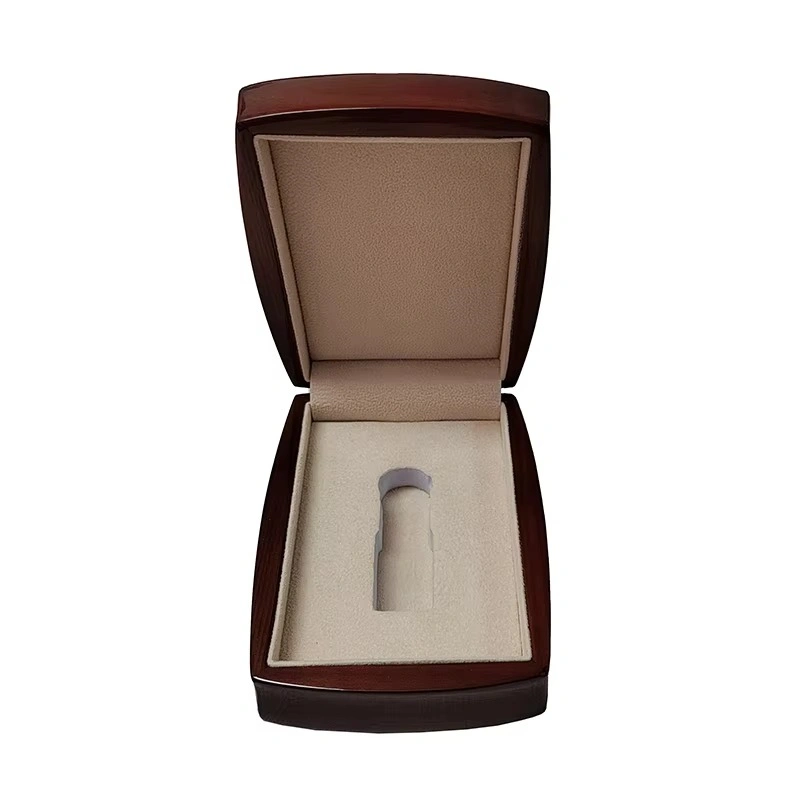
I see the same pattern when international clients visit my wood box factory. Some know materials only from books, while others have touched every wood type in person. The second group learns faster. Perfumery follows this same law: real experience shapes understanding.
Ways to Gain Practical Experience
1. Self-Study
Start with simple accords: citrus accord, rose accord, amber accord. Then modify them. This builds confidence.
2. Mentorship
A mentor can correct your mistakes early. Many perfumers say mentorship cut years off their learning time.
3. Industry Practice
If you can join a fragrance house, even as an assistant, you will learn how formulas behave in real production.
Compare Your Options
| Path | Pros | Cons |
|---|---|---|
| Self-study | Flexible, low cost | Slow progress |
| Mentorship | Fast correction, deep insight | Hard to find |
| Industry experience | Real exposure, real feedback | Competitive entry |
Why Practice Brings Everything Together
Practice teaches you things theory never will. You will learn how a formula changes after maceration. You will learn how temperature affects diffusion. You will learn what makes a scent stable in a luxury packaging box or humid climate. These details shape you into a real perfumer.
What Steps Help You Grow From a Beginner to a Professional Perfumer in the Modern Fragrance Industry?
The industry today moves fast. New molecules appear every year. Brands expect creativity but also technical understanding.
You grow into a professional by mastering ingredients, building a portfolio of formulas, studying market trends, and developing a strong creative identity.
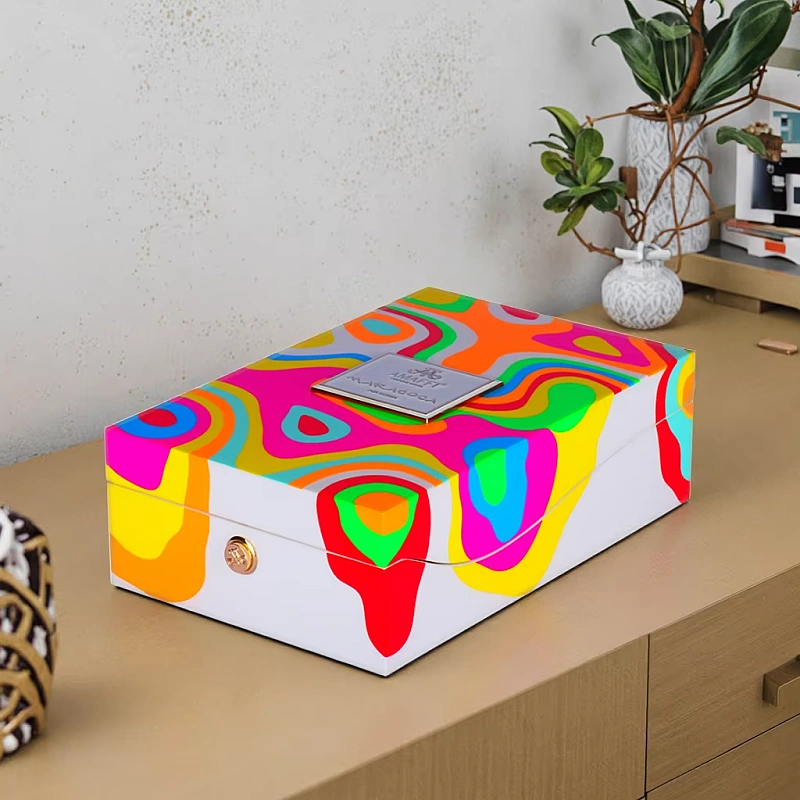
I saw this same evolution in the wooden packaging world. New finishes, new veneers, new hardware trends appear every year. I stay competitive by learning nonstop. A perfumer must do the same.
Steps to Move Toward Professional Level
1. Build a Formula Portfolio
Create themes: floral, woody, spicy, fresh. Show your range.
2. Understand Market Trends
Study bestsellers. Understand why they work.
3. Learn Stability and Production Rules
A perfume is not just art. It must survive packaging, transport, and long storage. I learned this when clients asked why certain scents changed after months in a box. Stability matters.
4. Develop Your Signature
Every perfumer has a “handwriting.” You will discover yours through practice.
A Simple Roadmap
| Stage | Focus | Outcome |
|---|---|---|
| Beginner | Basics + nose training | Confidence with materials |
| Intermediate | Structure + accords | Early formulas |
| Advanced | Refinement + portfolio | Professional readiness |
| Professional | Creative identity | Sustainable career |
Why This Path Works
This path matches how real perfumers grow. It respects the slow, steady nature of skill-building. If you follow it, you move closer to becoming a professional, even if you start with zero experience.
Conclusion
Becoming a perfumer takes time, daily practice, and curiosity, but each step moves you closer to real mastery.
Brand Name: WoodoBox
Slogan: Custom Wooden Boxes, Crafted to Perfection

 English
  Español
  Português
  Deutsch
  Français
  Italiano
  العربية