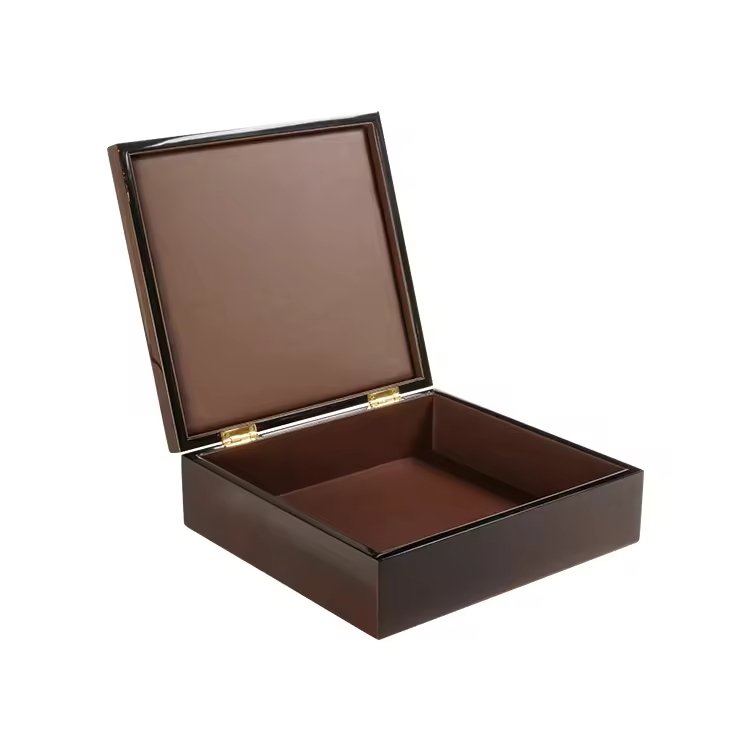
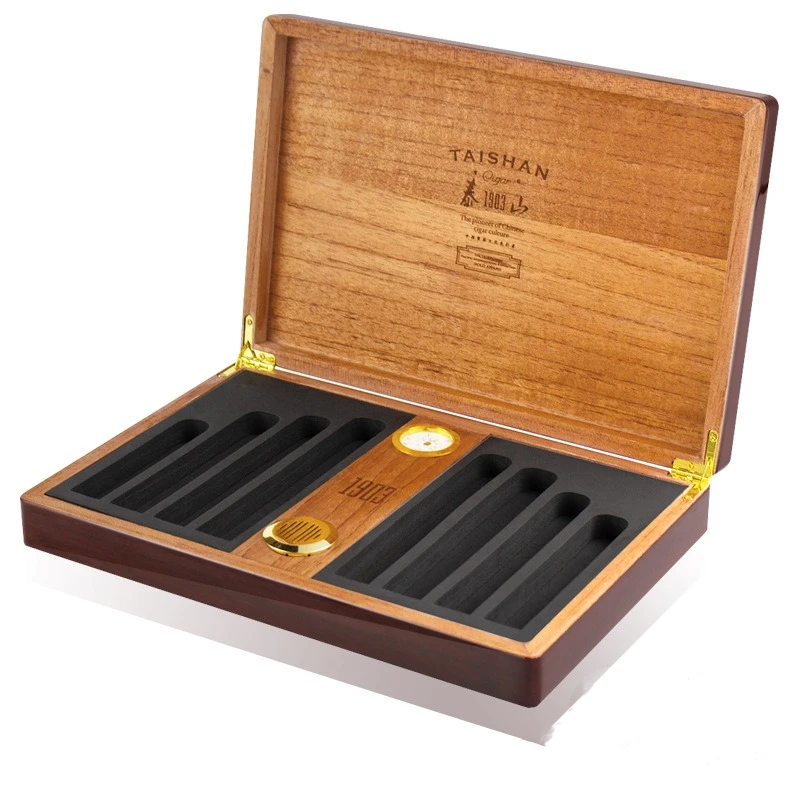
I see many buyers confused by cigar box counts, because the numbers look random at first glance.
Most cigar boxes hold 20 to 25 cigars. These counts balance tradition, storage needs, and manufacturing efficiency, so buyers get a standard unit that works for retail and personal use.
I want to show you why these numbers matter, and how each choice reflects branding, cost, and even the smoking experience.
What are the most common cigar box counts, and why do manufacturers choose these numbers?
I often meet buyers who wonder why some boxes have 10 cigars while others have 25, and this uncertainty slows their sourcing decisions.
Most manufacturers use 20–25 cigars per box because this number is easy to price, easy to display, and easy for smokers to finish before the cigars lose freshness.
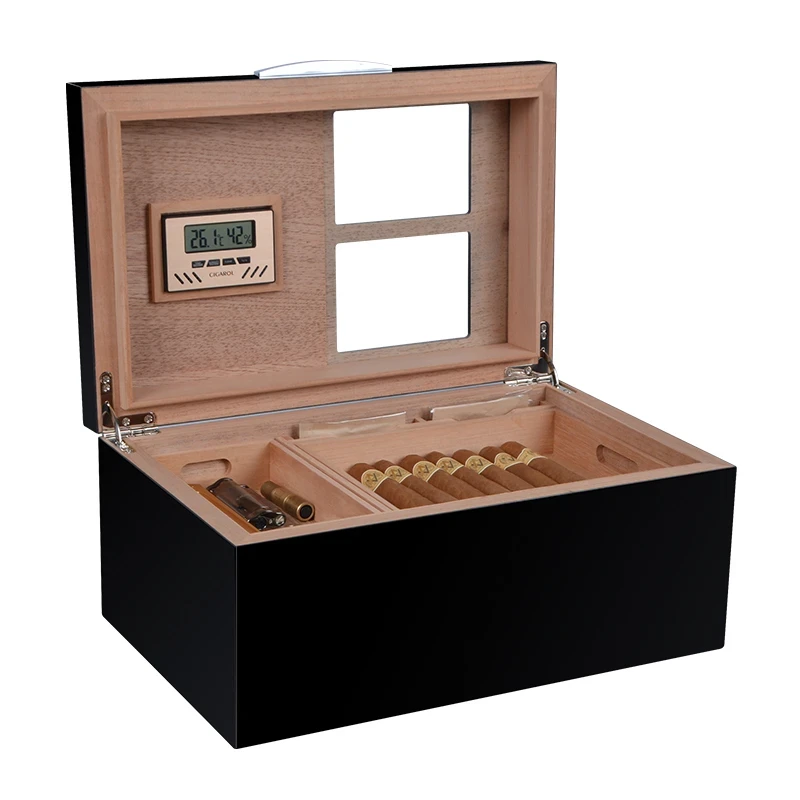
Many brands follow long traditions, so they still use 25-count boxes as the default. This is also a sweet spot for retailers, because the box price stays manageable for beginners and for experienced smokers. Some companies move to 20-count boxes because these boxes look cleaner and take less shelf space. A 20-count box also lowers the retail price point without changing the per-cigar value, so buyers feel more comfortable testing a new blend.
Common Box Counts and Their Purpose
| Box Count | Typical Use | Reason Behind It |
|---|---|---|
| 25 | Classic cigars | Rooted in tradition and easy for retail |
| 20 | Modern premium cigars | Lower box price and better shelf presence |
| 10–12 | Thick or long cigars | Reduce weight and improve protection |
| 5 | Samplers or gifts | Encourage trial without large commitment |
How Manufacturers Think About These Numbers
Manufacturers follow three simple ideas. They want stable shipping. They want a simple retail price. They want a box that feels right in the hand. I saw how many brands test different counts to match the tobacco blend and the target audience. A strong full-body blend often sells well in 20-count boxes because many smokers enjoy it slowly. A mild blend can appear in 25-count boxes because people smoke these more often. The choice looks simple from outside, but inside the factories, every count is a strategy.
How do cigar size and shape influence how many cigars fit in a traditional box?
Many buyers feel confused when they see a thick cigar sold in boxes of 10 instead of 20, because they expect every cigar line to follow the same standard.
Bigger ring gauges and longer cigars take more space, so brands often reduce the count to protect the cigars and keep the box size practical.
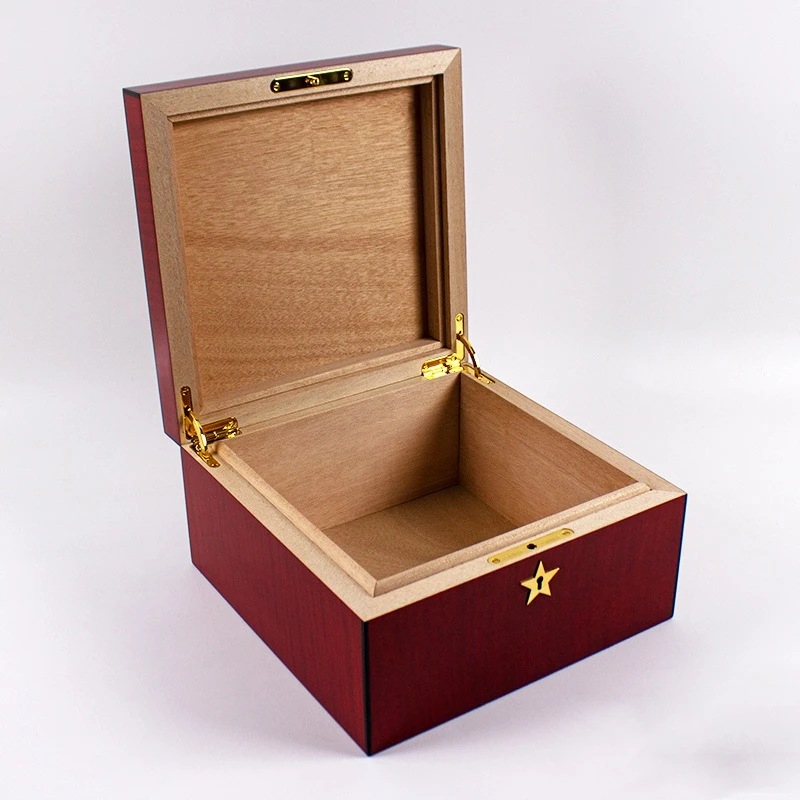
Large cigars need more protection because they crack more easily during transport. When I design high-gloss cedar boxes for these cigars, I must increase wall thickness and inner spacing. This change reduces how many cigars can fit safely. A box for a 60-ring-gauge cigar becomes heavy very fast, so manufacturers choose 10- or 12-count boxes to make handling easier.
How Shape Affects Box Layout
| Shape | Box Count Impact | Why |
|---|---|---|
| Robusto | Fits 20–25 easily | Standard size and simple layout |
| Toro | Often 20 | Longer length limits stacking options |
| Churchill | Often 10–20 | Extra length requires more support |
| Gordo / 60 RG | Mostly 10–12 | Weight and pressure risk increase |
| Figurados (Torpedoes, Perfectos) | 10–12 | Tapered ends need careful spacing |
Design Notes From My Workshop
I adjust trays, separators, and grooves based on cigar size. A larger cigar needs a stronger tray, so I add thicker MDF or solid wood dividers. This takes extra space, so even if the cigars could fit, the box becomes too heavy for retail. I learned that some brands also want a certain "luxury feel," and a smaller count makes each cigar look more valuable. When I work with cigar makers, they often tell me that the box must look balanced when opened. That simple idea shapes many count decisions.
I hear many clients ask why a rare cigar line only comes in a 10-count box when the cigar size is normal.
Limited cigars come in small counts because brands want to control supply, raise exclusivity, and protect delicate aging. Smaller boxes also increase perceived value.
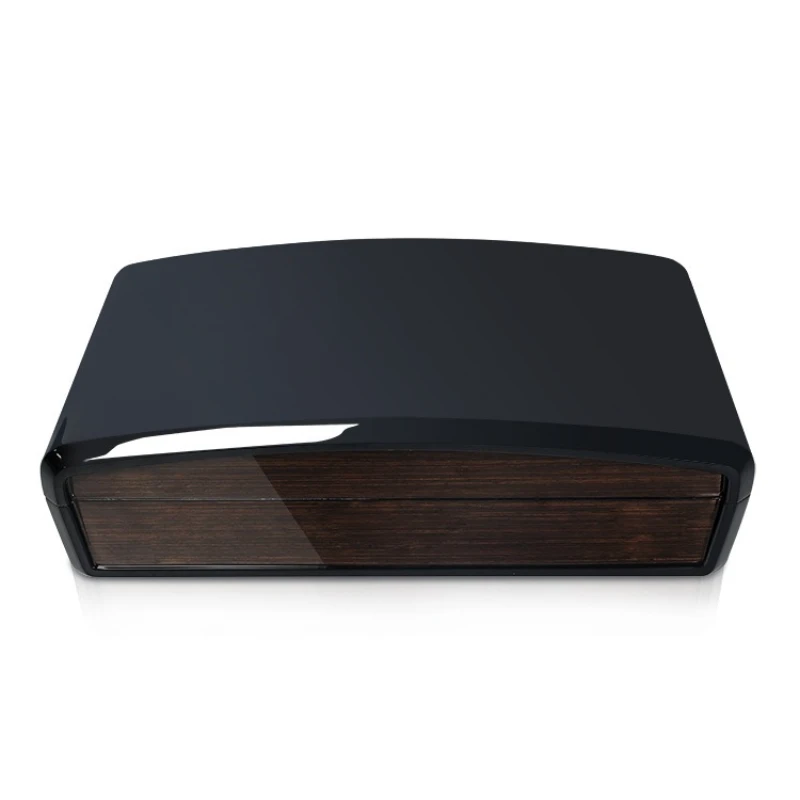
Small quantities help brands manage production because premium blends often rely on rare leaves. These leaves appear only in certain harvests. A 10-count box matches production scale and keeps the release consistent. Smaller boxes also create a stronger unboxing moment. Many luxury brands ask me to use piano-finish wood, gold hinges, and velvet trays. These materials raise the price, so a smaller count keeps the final retail price reasonable.
Why Rarity Leads to Smaller Box Counts
| Factor | Impact |
|---|---|
| Limited tobacco | Production stays small, so box count stays small |
| Higher craftsmanship | Expensive finishes require smaller format |
| Collector appeal | Buyers prefer compact, display-ready boxes |
| Gift market | Smaller boxes sell faster during holidays |
What I See Behind the Scenes
Luxury brands want each cigar to look like an individual treasure. When I design a collector box, I use thick lacquer layers and hand-polished surfaces. This takes time, so the box cost rises. A 25-count box would be too expensive for most markets. A 10-count box hits a perfect balance. Some brands also use magnetic lids or custom metal badges. These details transform the box into a display piece. When a smoker buys such a box, they feel like they own something rare, not just cigars.
How do bundle packs and cabinet-style boxes differ from standard cigar boxes?
Many new buyers feel lost when they see cigars wrapped in cellophane bundles or tied inside a cabinet box, because these formats look nothing like premium wooden boxes.
Bundles and cabinet boxes aim for aging performance, shipping efficiency, and lower cost, not presentation.
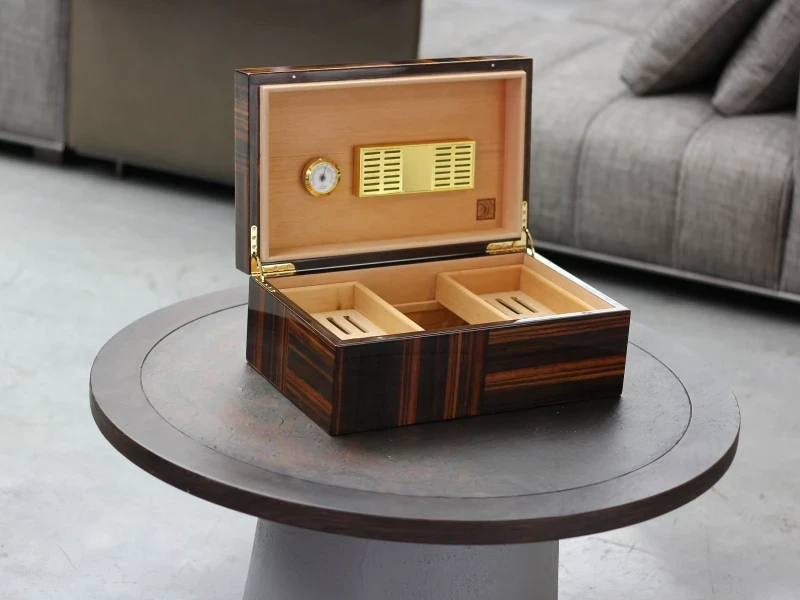
A bundle usually holds 20 cigars wrapped tightly, with no wood box at all. This keeps cost down and lets smokers buy cigars for daily use. Cabinet-style boxes hold 25 or 50 cigars stacked vertically or horizontally. The stacking helps the cigars age slowly and develop a more rounded flavor.
Format Comparison
| Format | Typical Count | Best For |
|---|---|---|
| Bundle | 20 | Budget cigars or daily smokers |
| Slide-lid cabinet | 25–50 | Aging and long storage |
| Standard hinge box | 20–25 | Retail display and gifting |
What I Learned Working With Different Brands
Cabinet boxes need strong cedar because they hold many cigars for long periods. I use Spanish cedar more often here, because it controls moisture and adds aroma. Bundles, on the other hand, skip the box cost, so brands can keep prices low. When brands want a premium feel, they ask for high-gloss lacquer or velvet inserts, which is the opposite of bundle philosophy. Understanding these packaging goals helps buyers choose the right format for their business model. A shop that wants fast turnover prefers bundles. A collector prefers cabinets. A luxury brand wants classic hinged boxes.
What should beginners know when comparing cigar box counts across different brands?
Many beginners feel pressure when comparing brands, because the box counts seem inconsistent and confusing.
Beginners should look at cigar size, blend style, and the brand’s market position. Box count reflects these choices more than any fixed rule.
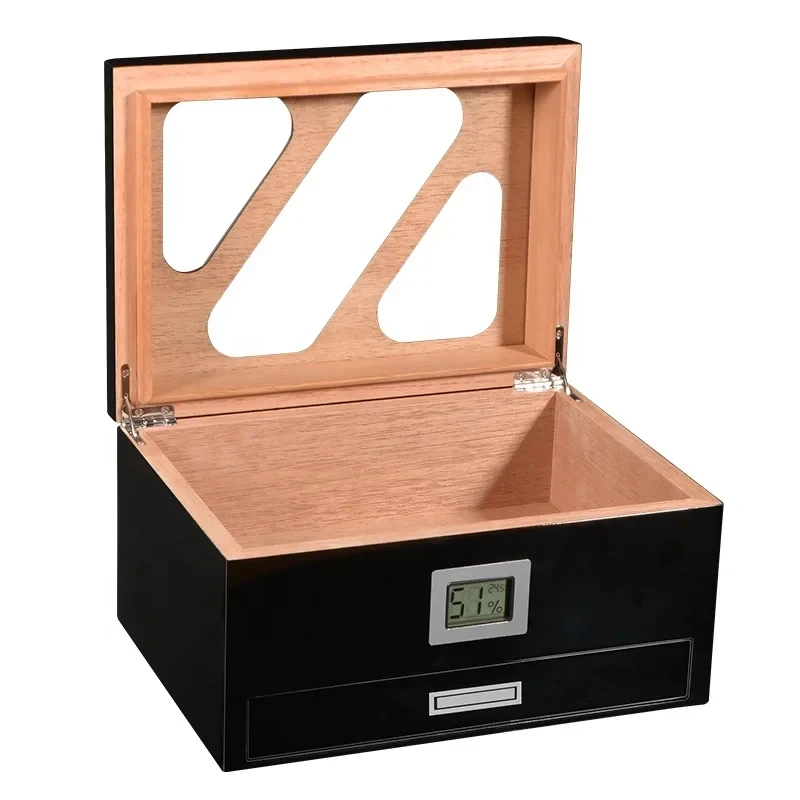
Every brand has its own style. Some highlight tradition, so they keep 25-count boxes. Others want a modern look, so they choose 20. A beginner should not assume that a smaller box means higher quality. Instead, they should compare construction quality, flavor profile, and packaging design.
Tips for Beginners
| What to Check | Why It Matters |
|---|---|
| Cigar size | Larger cigars usually come in smaller boxes |
| Price vs count | A small box does not always mean better value |
| Packaging style | Luxury finishes raise the box cost |
| Storage needs | Buyers with small humidors may prefer 10-count boxes |
How I Guide New Buyers
I often ask new buyers what their customers value most. If they want a premium look, I suggest 20-count lacquer boxes. If they need low cost, I suggest 10-count MDF boxes with simple finishes. Many beginners think the industry has a strict standard, but cigar packaging is flexible. The box count simply reflects the story that the brand wants to tell. When buyers understand this, they make better decisions.
Conclusion
Cigar box counts show tradition, size, and brand strategy, so each format fits a purpose.



 English
  Español
  Português
  Deutsch
  Français
  Italiano
  العربية