I know many cigar lovers worry when a cigar burns too fast or too slow, because it ruins the moment.
A cigar usually lasts between 20 and 90 minutes, depending on size, construction, and how you smoke it. A slow and steady pace keeps the temperature stable and preserves flavor.
I want to explain these factors in a simple way, so you can choose the right cigar for the right moment and enjoy every minute of it.
What Factors Determine How Long a Cigar Will Burn?
I know it feels frustrating when two cigars of similar size burn at different speeds.
A cigar burns longer when it has dense tobacco, good construction, proper humidity, and a slow rhythm of smoking. Each factor shapes how long the cigar stays lit.
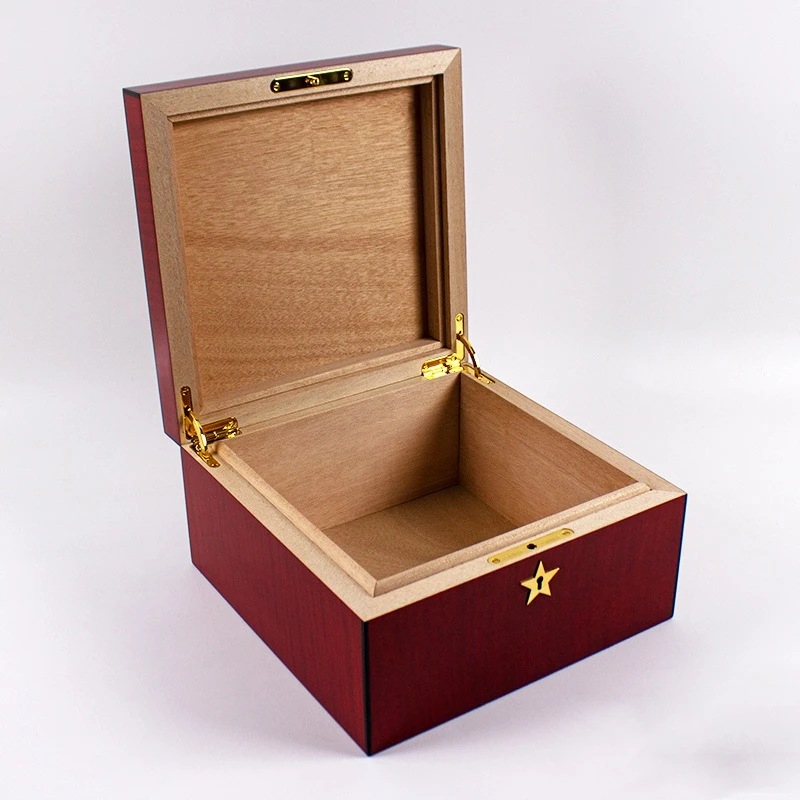
When I talk with cigar buyers who use my wooden boxes, I hear many of them misunderstand burn time. They think size alone decides everything. But size is only one part of the equation. In my years working with premium cigars and packaging, I pay attention to the inside of every cigar we handle. I see how different factories pack tobacco, how they roll the filler, and how they control humidity. These small details change burn time more than most beginners expect.
Tobacco Density Matters Most
Dense tobacco burns slower. Loose tobacco burns faster. I have opened many cigars during inspection. I see that long-filler cigars keep a slow burn because the leaves stay whole. Short-filler cigars burn quicker because small cuts let oxygen move faster through the cigar.
Humidity Shapes the Experience
Too much humidity makes the cigar burn slow and uneven. Too little humidity makes it burn hot and fast. Ideal humidity stays near 65%–70%.
The Role of Tobacco Type
Here is a simple table that shows how tobacco type influences burn speed:
| Tobacco Type | Burn Speed | Reason |
|---|---|---|
| Ligero | Slow | Thick, heavy leaves |
| Seco | Medium | Balanced thickness |
| Volado | Fast | Thin, light leaves |
When I work on cigar boxes with tight seals, I can control humidity better for clients. That helps cigars keep a stable burn even after long shipping.
Summary of Why This Matters
If you want a cigar that lasts longer, choose one with a firm body, long-filler tobacco, and stable humidity. These three simple points already improve the experience more than any guesswork.
How Does Cigar Size (Length & Ring Gauge) Influence Smoking Time?
Sometimes people buy a large cigar expecting a long, relaxing session, but it burns faster than they imagined.
Longer cigars and thicker ring gauges burn slower because they contain more tobacco and burn at a lower temperature. Smaller cigars burn faster due to less filler.
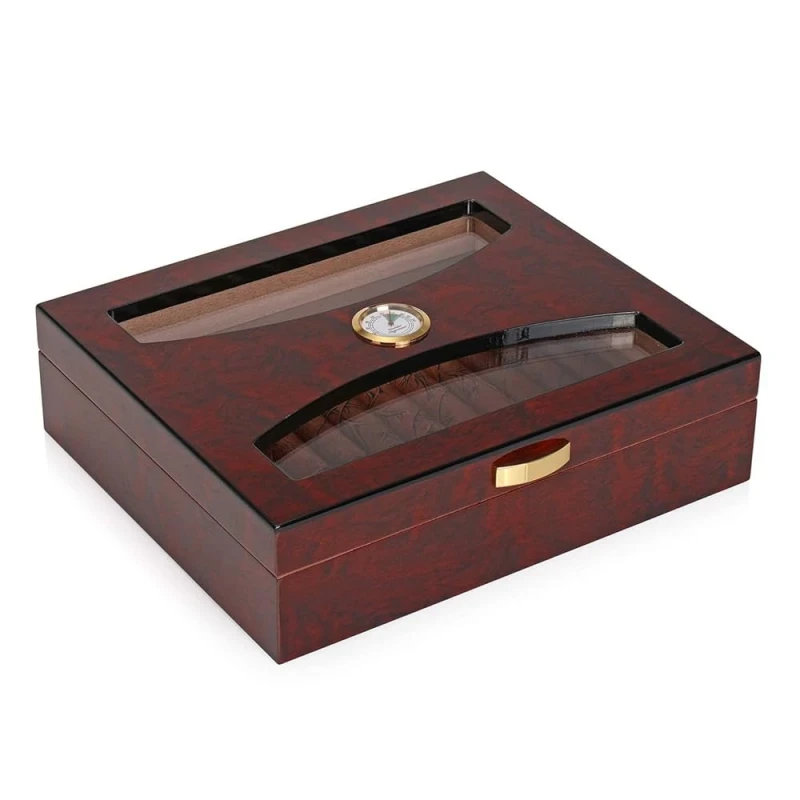
In my production work for premium brands, I prepare samples in different sizes. Clients often ask me how long each size will last, because they need the right box size and right consumer message. Over time, I learned the typical burn time ranges for most shapes.
Common Cigar Sizes and Expected Burn Time
| Cigar Size / Shape | Typical Time | Notes |
|---|---|---|
| Petit Corona | 20–30 min | Great for quick breaks |
| Robusto | 45–60 min | Balanced and popular |
| Toro | 60–75 min | Slow, even burn |
| Churchill | 75–90 min | Long and relaxing |
| Gordo (60+ ring) | 90+ min | Very slow burn |
Why Ring Gauge Matters
A thicker cigar holds more filler and burns cooler. A cool burn always lasts longer. When I help clients design boxes for larger cigars, I often suggest deeper cavities to protect the slow-burning shape.
Why Length Matters
A longer cigar simply has more material to burn. But length alone does not guarantee a long burn. The combination of length and ring gauge is what gives consistent results.
How to Choose the Right Size
You can use this simple guide:
- Quick moment → Petit Corona
- Short evening → Robusto
- Full relaxation → Toro
- Long conversation → Churchill or Gordo
I learned this from many tasting sessions with clients. We test burn time before approving final box designs, because brands want their message and smoker experience to match.
Why Do Smoking Pace and Technique Greatly Affect a Cigar’s Duration?
Many beginners smoke too fast because they want more flavor. But fast smoking destroys flavor instead.
A cigar lasts longer when you take slow puffs every 30–60 seconds. Fast puffing makes the cigar overheat, burn faster, and taste harsh.
I remember one early customer who complained that all his cigars finished in 25 minutes. When I visited the factory where his cigars were made, I tested them myself. They lasted almost an hour. Then I watched him smoke. He puffed like he was drinking from a straw. This is the most common mistake.
The Science Behind Pace
A cigar burns through oxygen flow. When you puff fast, you increase oxygen intake and speed up the burn. When you puff slow, the cigar stays cool and burns gently.
How Fast Puffing Changes Flavor
| Puffing Style | Burn Speed | Flavor Change |
|---|---|---|
| Fast puffing | Very fast | Bitter, hot, sharp |
| Medium pace | Normal | Smooth and balanced |
| Slow pace | Slow | Rich, cool, aromatic |
How to Improve Technique
1. Rest Between Puffs
Wait 30–60 seconds. Let the cigar recover and cool.
2. Draw Gently
Use a soft, calm draw like sipping warm tea.
3. Don’t Relight Too Often
If you smoke too fast, the cigar may tunnel. If you smoke too slow, it may go out. A stable pace keeps everything balanced.
Why This Matters for Enjoyment
Cigar smoking is not only about time. It is about how that time feels. Slow rhythm turns a 45-minute cigar into a moment you enjoy, not a race you finish.
How Does Cigar Construction Impact Burn Consistency and Longevity?
I inspect thousands of cigars while designing wooden boxes. I have seen good construction, and I have seen very bad construction.
A well-made cigar with even packing, aligned filler leaves, and a smooth wrapper burns longer and more consistently than a poorly rolled cigar.
Good construction feels firm but not hard. Bad construction leads to canoeing, tunneling, and hot spots. These issues ruin both burn time and flavor.
Key Construction Elements
1. Filler Alignment
Long-filler leaves must align from head to foot. Misaligned leaves create uneven burn paths.
2. Firmness and Density
Cigars should feel even from top to bottom. Hard spots burn slow. Soft spots burn fast.
3. Wrapper Quality
A good wrapper leaf burns clean and slow. A damaged wrapper burns unevenly.
What Bad Construction Looks Like
| Construction Issue | Effect on Burn | Smoking Result |
|---|---|---|
| Soft spots | Burns too fast | Weak flavor |
| Hard knots | Burns too slow | Tight draw |
| Uneven packing | Canoeing | Frustrating |
| Poor wrapper seam | Cracks | Hot burn |
When I work with cigar factories, I often give feedback that helps them improve construction quality. A good cigar box protects cigars well, but the cigar itself must be well made first. Good construction always means more predictable burn time.
How You Can Check Construction Yourself
- Roll the cigar gently between fingers.
- Look for cracks or loose seams.
- Test the cold draw before lighting.
- Check for even firmness.
These simple checks help you avoid cigars that burn too fast or too slow.
What Is the Ideal Smoking Duration for Enjoying Flavor Without Overheating the Cigar?
Many smokers ask me if they should smoke slower or faster. The answer is simple.
The ideal duration is the natural burn time of the cigar at a slow pace—usually one puff every 30–60 seconds. This keeps flavor stable and temperature low.
If you smoke too fast, the cigar becomes bitter. If you smoke too slow, it may go out. The right rhythm lets the cigar show its true flavor.
How Long Should a Cigar “Ideally” Last?
| Cigar Size | Ideal Duration |
|---|---|
| Small | 20–40 min |
| Medium | 45–70 min |
| Large | 70–100+ min |
These numbers come from many years of testing cigars during packaging projects. Brands use these estimates when planning product descriptions and marketing messages.
How to Maintain Ideal Temperature
1. Understand the Heat Cycle
A cigar becomes harsh when the internal temperature rises too high. Slow puffing keeps heat under control.
2. Let the Ash Form
A longer ash acts as insulation. It slows the burn and stabilizes flavor.
3. Don’t Rush the Last Third
The last third always burns hotter. Extra patience improves taste.
Why This Creates Better Enjoyment
A cigar is not only tobacco. It is time, mood, and intention. When you match your pace with the natural burn rhythm, you enjoy both flavor and the moment itself.
Conclusion
A cigar lasts longer and tastes better when you choose the right size, smoke slowly, and pay attention to construction quality.


 English
  Español
  Português
  Deutsch
  Français
  Italiano
  العربية