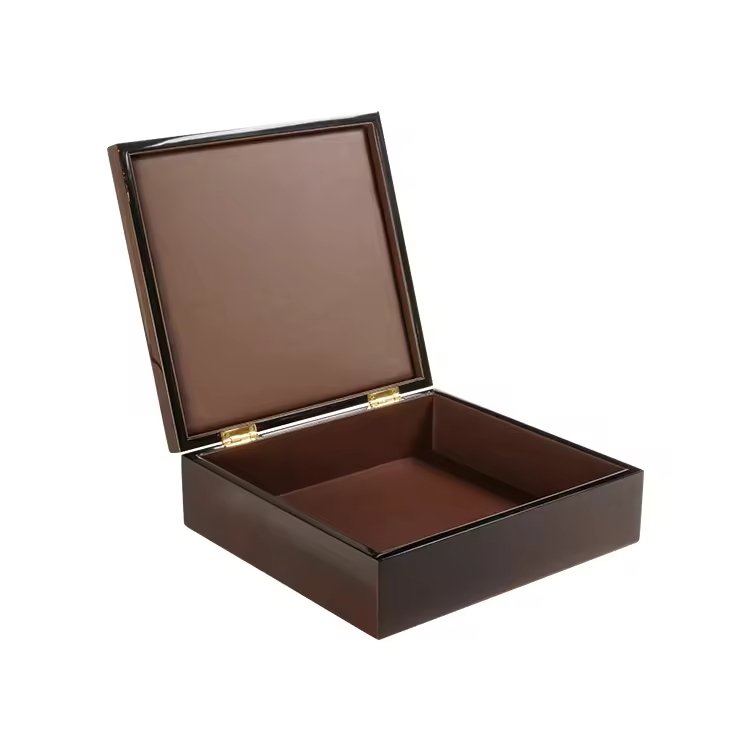
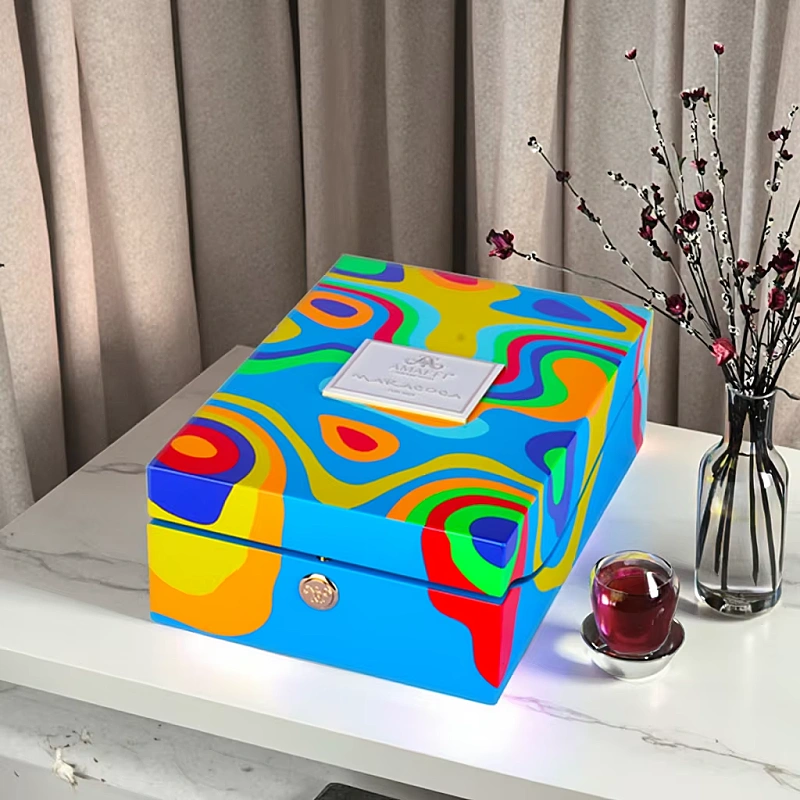
Sampling fails more often than brands admit. Many perfumes never get smelled. The reason is simple. Poor packaging silently kills attention before curiosity even starts.
Packaging directly decides whether a perfume sample is opened, trusted, remembered, and repurchased.
In sampling programs, the box matters before the scent. Without protection and presence, even great perfume stays ignored.
Most brands underestimate this moment. I have seen it many times. The sample does not fail because of the fragrance. It fails because the packaging does not earn five seconds of trust.
Why does sampling packaging determine whether testers are actually tried or ignored?
Many perfume samples die unopened. This happens before scent, before emotion, before judgment. The problem is not the formula. It is the packaging.
Sampling packaging decides if a tester feels worth opening at all.
If it looks careless, unsafe, or cheap, people skip it without thinking.
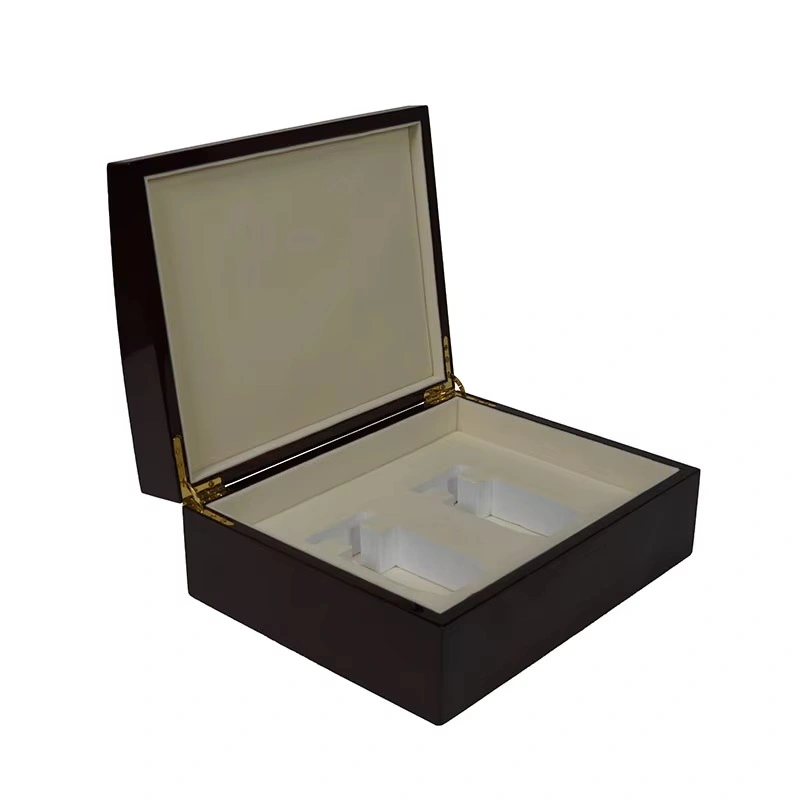
People receive samples when distracted. In stores. At events. In subscription boxes. In PR mailers. Attention is short. The eye filters fast. Packaging is the first filter.
Visual triage happens in seconds
When someone sees multiple samples together, they do not compare notes or brands. They react on instinct.
I have watched this in showrooms and events.
- Thin paper cards get tossed aside
- Leaking vials get avoided
- Bent boxes signal low value
- Clean, structured packaging gets picked up
This is not conscious behavior. It is survival behavior. People protect their time.
Sampling packaging sends a permission signal
A good sample package says:
- This brand respects details
- This product is safe to open
- This perfume is intentional
A bad one says:
- This is disposable
- This might leak
- This is not important
Once that signal is sent, the decision is already made.
Why “free” makes standards higher, not lower
Many brands think free samples can look cheap. This is a mistake.
Free items are judged more harshly because there is no commitment.
The customer owes nothing.
If packaging feels low effort, the customer returns that energy with zero effort.
Common mistakes I see brands repeat
From production discussions and campaign feedback, these problems show up often:
| Mistake | Result |
|---|---|
| Unprotected glass vial | Fear of leakage |
| Soft paper envelope | Sample feels disposable |
| No structure | No perceived value |
| Generic look | No brand memory |
Sampling packaging is not about decoration. It is about earning the open.
Once ignored, the perfume has no second chance.
How does packaging shape first trust when the perfume is only a small sample?
Trust does not come from scent at first. It comes from handling. Weight. Closure. Fit. Protection.
When the perfume is tiny, packaging carries the entire trust burden.
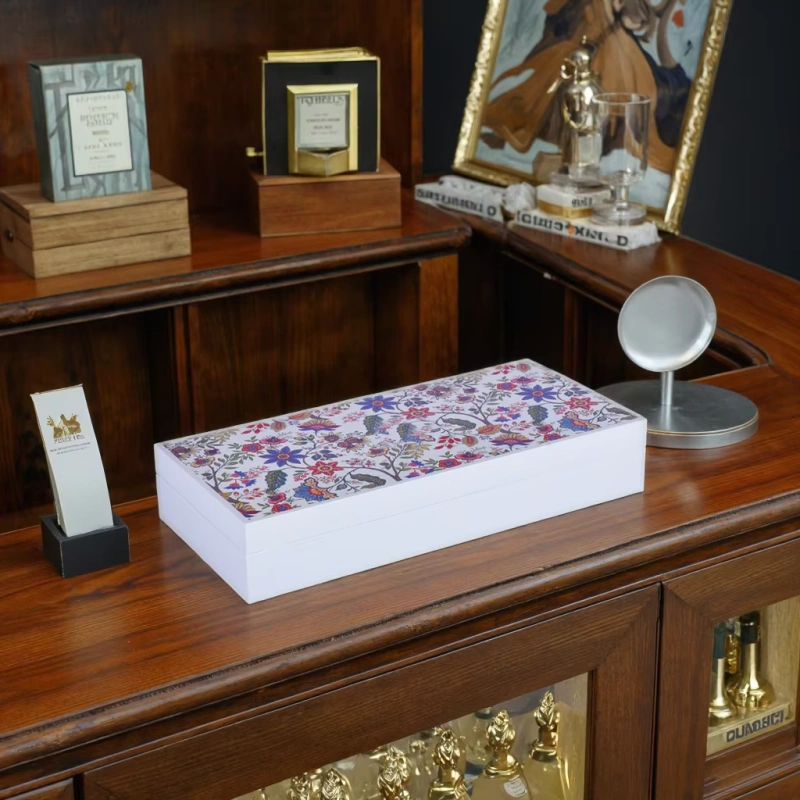
A full-size bottle can recover from doubt.
A sample cannot.
The sample is the brand, not the product
At the sampling stage, the customer does not separate brand, packaging, and perfume. They are one object.
If the packaging feels unreliable, the perfume inside is assumed unreliable too.
This is not logical. It is emotional.
Physical cues that build instant trust
From years of observing buyer reactions, these cues matter most:
- Firm structure
- Clean edges
- Secure closure
- No movement inside
- No visible damage
Even simple materials work if executed well.
Trust does not require expensive materials.
It requires control.
Protection equals professionalism
Leaks destroy trust instantly. So do loose sprayers and cracked vials.
Customers do not think:
“This sample had bad luck.”
They think:
“This brand lacks control.”
That assumption sticks.
Why minimalism still needs structure
Many niche perfume brands prefer minimal design. That is fine.
But minimal does not mean fragile.
A simple rigid sleeve or small box can protect without shouting luxury.
Here is how trust forms step by step:
| Step | Customer feeling |
|---|---|
| Picks up sample | Neutral |
| Feels structure | Safe |
| Opens cleanly | Confident |
| Smells perfume | Open-minded |
If any step breaks, trust collapses.
My personal observation
I once worked with two brands using similar scent quality.
- One used loose carded samples
- One used small rigid holders
The second brand had far higher usage feedback. Same distribution. Same audience.
The difference was not marketing.
It was trust built in the hand.
Why does protective packaging matter more in sampling than in full-size sales?
Sampling packaging faces harsher conditions than retail boxes. Yet many brands protect it less.
This is backwards.
Samples travel more, suffer more, and get judged faster than full-size products.
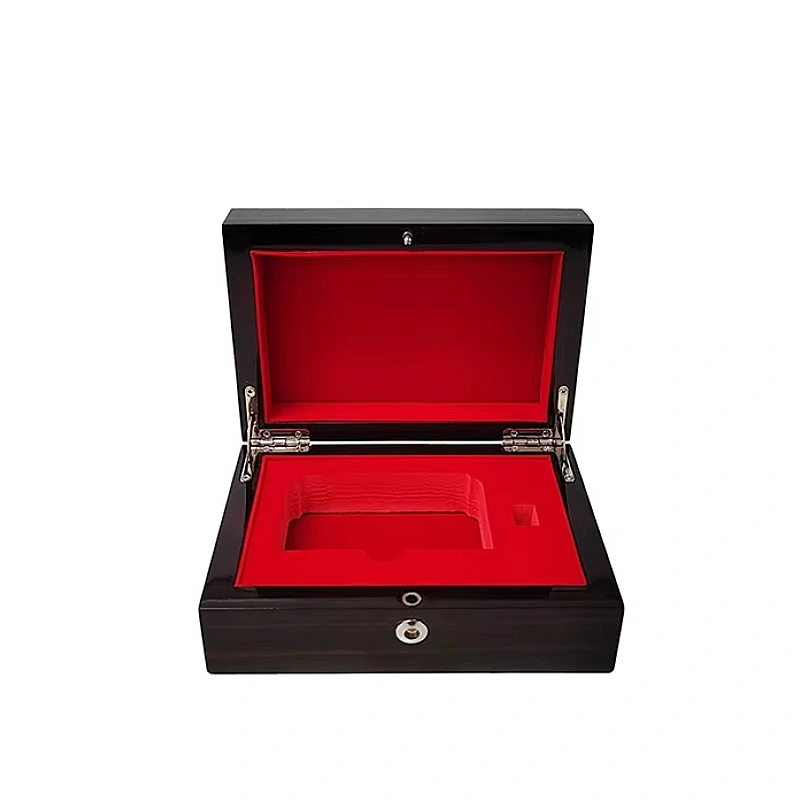
Samples live dangerous lives
Think about where samples go:
- Pockets
- Handbags
- Mailing boxes
- Event bags
- Drawers
They collide with keys. They get crushed. They leak.
Full-size bottles sit safely on shelves. Samples do not.
Damage equals rejection
In sampling, there is no forgiveness window.
A damaged full-size bottle might still be used.
A damaged sample gets thrown away.
Protection is not optional. It is survival.
Why perception of control matters
Protection sends a hidden message:
“This brand anticipates problems.”
That message builds confidence.
Lack of protection says:
“This brand did not think this through.”
Customers feel that instantly.
Simple protection methods that work
Protection does not need complexity.
Here are methods I have seen work well:
| Method | Benefit |
|---|---|
| Rigid paperboard sleeve | Crush resistance |
| Foam or EVA insert | No movement |
| Mini wooden holder | Premium + stability |
| Tight die-cut fit | No rattle |
Even low-cost upgrades can change perception completely.
Sampling magnifies mistakes
In full-size sales, brand equity can compensate for flaws.
In sampling, there is no equity yet.
That is why protection matters more here than anywhere else.
If a sample arrives intact, clean, and secure, the brand earns credibility before scent.
That credibility gives the perfume a fair chance.
People do not buy perfume based on logic. They buy based on memory and emotion.
Sampling packaging creates the emotional anchor that guides later purchase decisions.
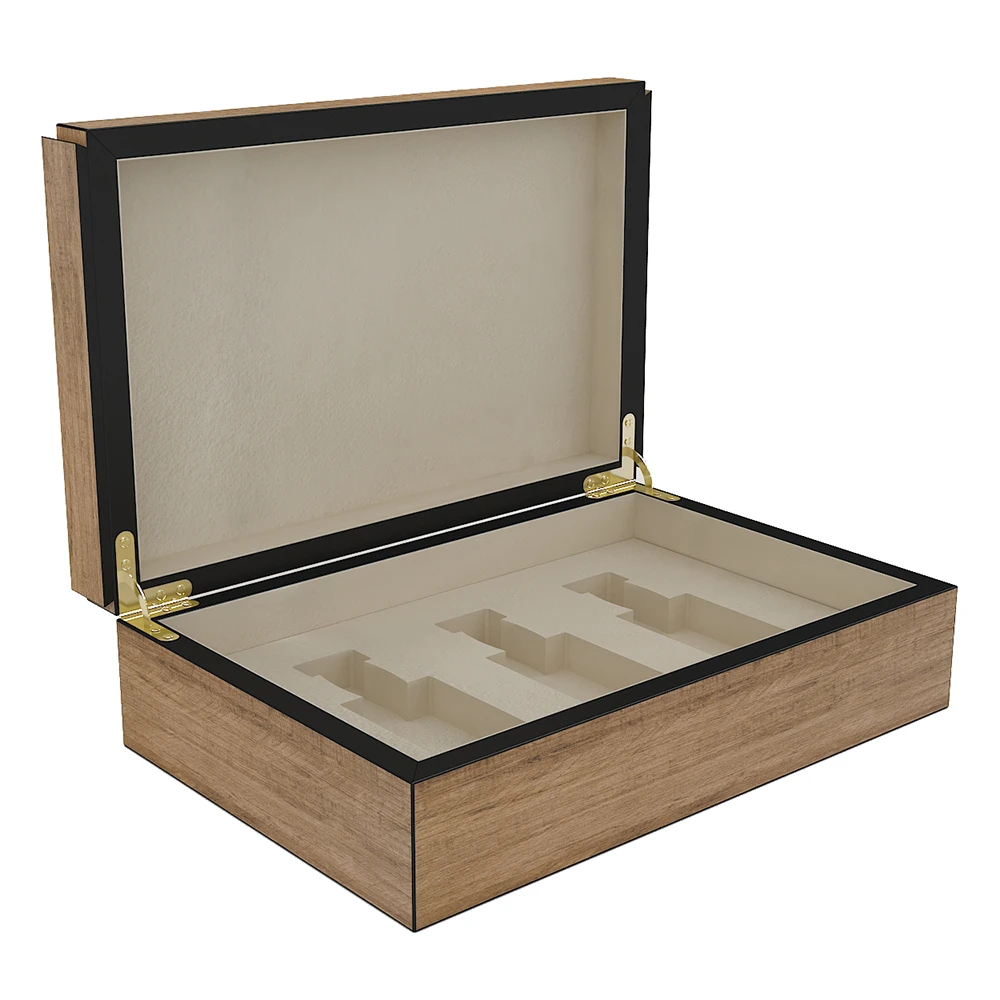
Memory beats analysis
Weeks after sampling, customers do not remember:
- Notes
- Ingredients
- Concentration
They remember:
- How it felt
- How it looked
- How it made them feel
Packaging shapes all three.
Premium does not mean expensive
Premium means intentional.
A small, well-made box can feel premium even with modest materials.
Key elements that boost conversion:
- Clean opening experience
- Consistent brand colors
- Thoughtful proportions
- No excess, no mess
These details build emotional clarity.
The role of tactile memory
Touch creates memory faster than sight.
When packaging has:
- Weight
- Texture
- Resistance
It leaves a trace in the brain.
Later, when browsing full-size perfumes, that memory resurfaces.
The brand feels familiar.
Familiar feels safe.
Safe sells.
Previewing the full-size experience
The smartest brands align sample packaging with retail packaging.
Not by copying size, but by echoing:
- Materials
- Opening style
- Finishes
This creates continuity.
The customer feels they already know the brand.
That reduces hesitation.
Conversion is built before the sale
I have seen brands increase conversion without changing scent or price.
They only changed sampling packaging.
Why?
Because packaging sets expectations.
If the sample feels premium, customers expect the full-size to be worth paying for.
Why does sampling packaging influence brand memory long after the scent fades?
Scent fades fast. Memory stays longer.
Packaging extends brand memory after the fragrance is gone.
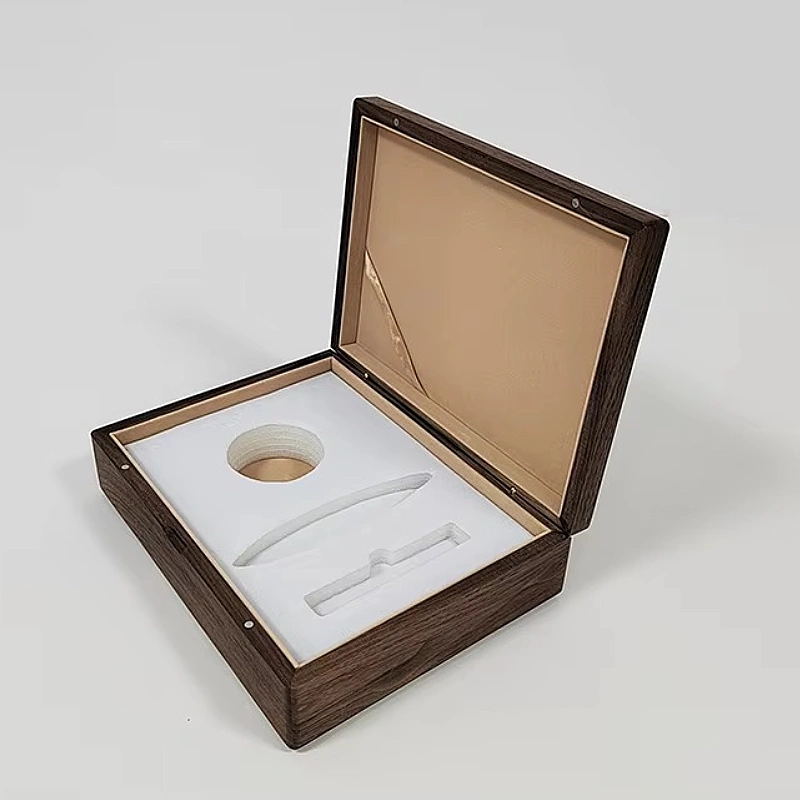
Smell is temporary, objects remain
A scent might last hours.
Packaging stays days, weeks, or months.
People keep well-made sample boxes on desks or shelves.
That creates repeated exposure.
Objects act as memory triggers
When someone sees the sample packaging again, the scent memory returns.
This happens even without opening it.
That is powerful.
Why disposable packaging kills recall
Thin cards and plastic wraps disappear quickly.
Once gone, the brand is gone.
No reminder. No trigger.
Packaging as silent branding
Good sampling packaging works even without logos.
Shape, texture, and material become identifiers.
This is especially important for niche brands.
They cannot rely on mass recognition.
Long-term value of thoughtful sampling
From a production view, sampling packaging seems like a cost.
From a brand view, it is an investment.
It creates:
- Recall
- Recognition
- Emotional residue
Those drive future decisions.
My closing observation
Across many perfume projects, one pattern is consistent.
Brands that invest in sampling packaging get:
- Higher usage
- Better feedback
- Stronger recall
- Better conversion
Not because packaging replaces scent.
But because packaging allows the scent to be experienced at all.
Conclusion
Perfume sampling succeeds before the scent. Packaging protects attention, builds trust, and creates memory. When done right, it turns a small sample into a lasting brand connection.
WoodoBox
Custom Wooden Boxes, Crafted to Perfection

 English
  Español
  Português
  Deutsch
  Français
  Italiano
  العربية