Customs delays cost time, money, and trust. Many brands blame paperwork, but few realize packaging design often creates the real problem.
Packaging design has a direct impact on customs inspection speed because it shapes how inspectors judge risk, stability, and compliance within seconds.
I have worked with perfume brands for over 15 years. In my experience, customs efficiency is not only about documents. It is about how confident an officer feels when looking at your shipment.
If your packaging looks clear, stable, and professional, inspections move faster. If it looks risky or unclear, delays follow.
How does clear, standardized packaging help customs officers identify products faster?
Customs officers face pressure every day. They must process large volumes fast, with limited time per shipment.
Clear and standardized packaging allows customs officers to recognize, classify, and approve shipments quickly with minimal doubt.
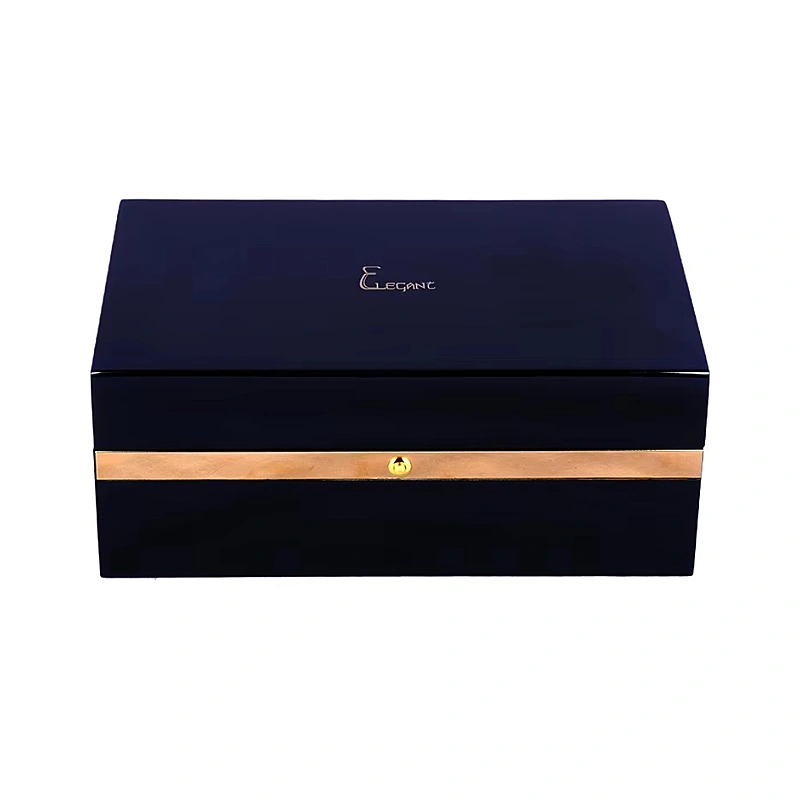
When I design packaging for export perfumes, I always think like an inspector. They do not study your brand story. They scan, glance, and judge.
Why visual clarity matters in customs
Customs inspection often starts with a fast visual check. Officers look at:
- Outer box shape
- Label placement
- Consistency across cartons
- Signs of damage or leakage
If packaging is standardized, officers immediately understand what they are seeing.
For example, when cartons are uniform in size and layout, classification becomes easier. Mixed shapes or random carton sizes slow everything down. Officers must pause and think.
Standardized packaging reduces questions
Questions cause delays. Every unclear detail increases the chance of manual inspection.
Here is what standardized packaging achieves:
| Packaging Feature | Impact on Customs |
|---|---|
| Uniform carton size | Faster stacking and review |
| Clear product labels | Easier HS code verification |
| Consistent structure | Lower suspicion |
| Clean outer surface | Reduced leakage concern |
I have seen shipments with perfect documents delayed simply because outer cartons looked inconsistent. Same product. Same paperwork. Different box sizes. That alone raised doubts.
Consistency builds recognition
When customs officers see the same packaging again and again, recognition forms. This is important for repeat exporters.
I once worked with a perfume brand shipping monthly to the EU. At first, inspections were frequent. After we standardized carton size, label placement, and internal layout, inspections dropped.
Nothing else changed. Only packaging.
This happens because consistency creates predictability. Predictability lowers perceived risk.
My real takeaway
From my experience, clear and standardized packaging does one thing very well. It removes hesitation.
When officers do not hesitate, shipments move faster.
Why do rigid and well-organized box structures reduce the need for manual inspection?
Customs officers dislike instability. Anything that looks fragile, soft, or deformed invites closer attention.
Rigid and well-organized box structures reduce manual inspection because they signal physical safety and low transport risk.

Perfume is already sensitive. It is liquid. Often alcohol-based. That puts it in a higher-risk group.
If the outer packaging adds more risk, inspection becomes likely.
How box rigidity affects inspection decisions
Rigid boxes hold shape. Soft boxes collapse. This difference matters.
During handling, customs officers observe:
- Box deformation
- Corner damage
- Compression marks
Rigid structures resist pressure. They arrive intact. This shows control.
In contrast, soft cartons suggest movement inside. Movement equals uncertainty.
Organized structure shows intent
Well-organized packaging looks planned. Poor structure looks careless.
Here is how organization helps:
| Structural Detail | Officer Interpretation |
|---|---|
| Strong outer walls | Stable contents |
| Fixed internal supports | No shifting |
| Clean edges | Professional exporter |
| No rattling sound | Secure bottles |
I always advise brands to shake test their packaging. If you hear movement, inspectors will notice it too.
Why wooden and rigid boxes perform better
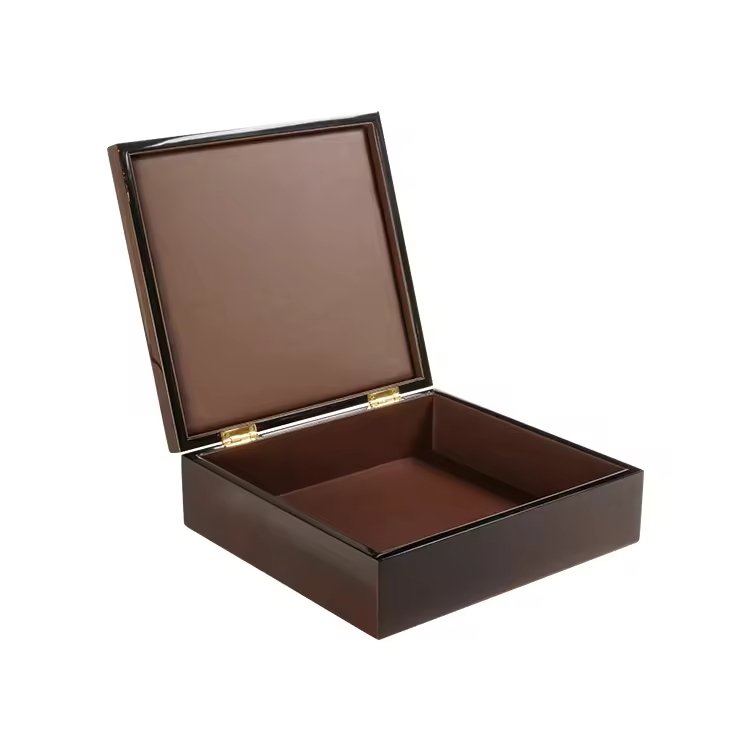
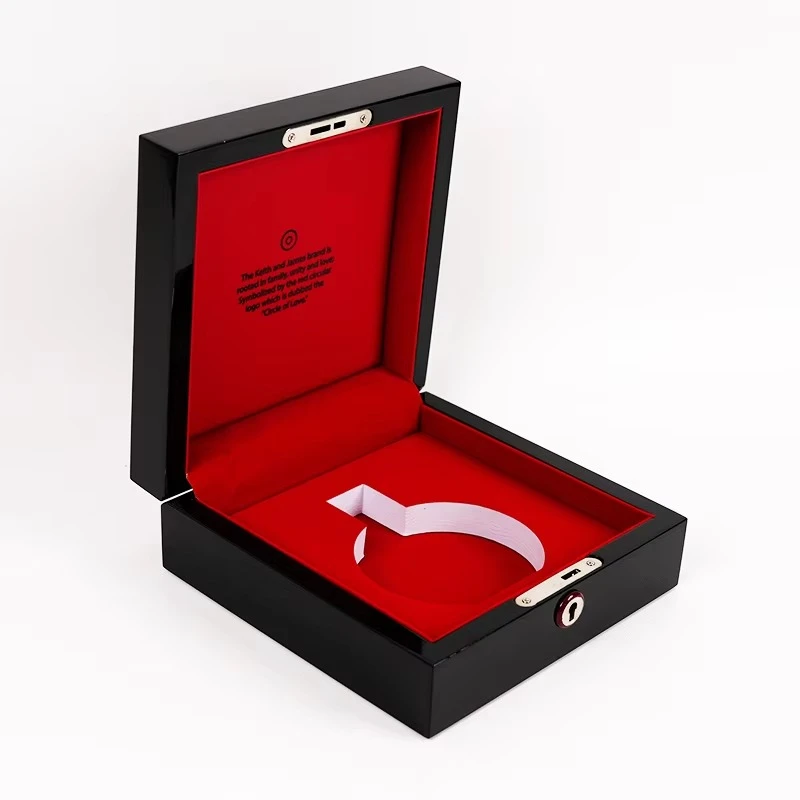
In my work, rigid materials like MDF with veneer or wooden boxes perform best for high-end perfumes.
They offer:
- Stable geometry
- High compression strength
- Clean appearance after transit
This matters especially for air freight and mixed cargo.
I once handled a case where two shipments had identical bottles and documents. One used rigid boxes. The other used reinforced cartons.
The rigid boxes passed with no manual checks. The cartons were opened.
Structure reduces suspicion, not just damage
Some brands think structure only protects the product. That is only half the truth.
Structure also protects confidence.
Customs officers look for signs of control. Rigid structure signals that the exporter understands risk.
From my experience, when packaging looks strong and organized, officers feel no need to verify further.
How does internal layout affect X-ray scanning and risk assessment?
X-ray scanning is a key step in modern customs inspection. Packaging design directly affects how clear the scan appears.
A clean, fixed internal layout produces predictable X-ray images, which lowers risk scores and speeds clearance.
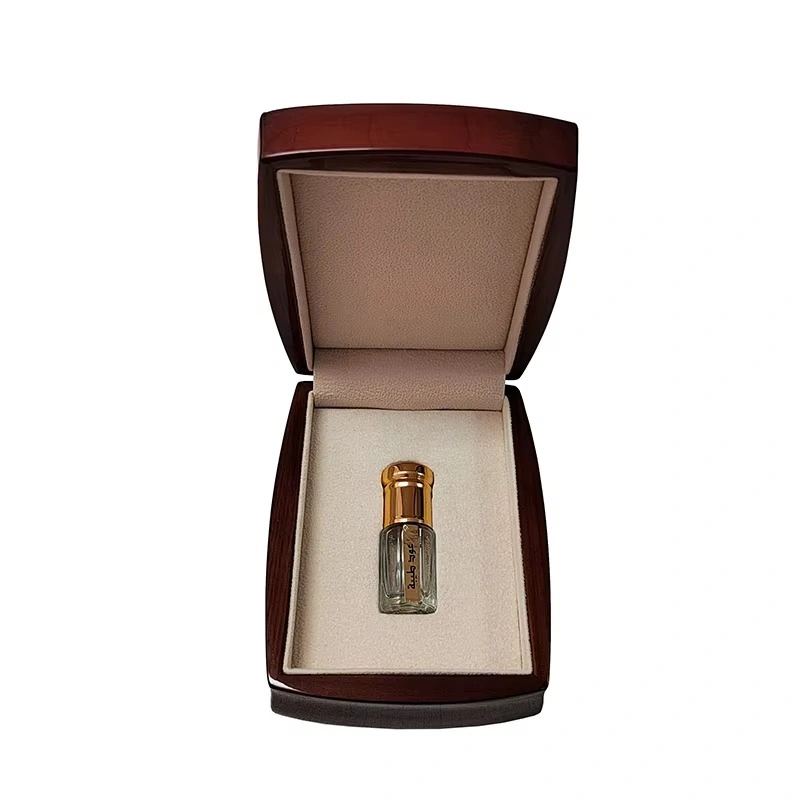
Perfume bottles create dense shapes on X-ray screens. If those shapes overlap or move, officers lose clarity.
What customs officers see on X-ray
During scanning, officers assess:
- Shape consistency
- Spacing between items
- Symmetry
- Liquid density patterns
Internal chaos creates visual noise.
I have seen scans where bottles overlapped at odd angles. Officers stopped the belt immediately.
Fixed layouts improve scan readability
Fixed layouts create order.
Here is how layout design helps:
| Internal Layout Choice | X-ray Result |
|---|---|
| Individual bottle slots | Clear outlines |
| Even spacing | Predictable density |
| Upright alignment | Normal liquid shape |
| No empty gaps | No hidden space |
When bottles are fixed in position, the scan looks clean. Officers trust clean scans.
Why loose packing triggers manual checks
Loose packing causes bottles to shift during transit. That leads to inconsistent scans.
In one case, a brand used soft foam with loose cutouts. Bottles tilted during shipping.
On X-ray, liquid shapes looked uneven. Officers opened multiple cartons.
After switching to rigid internal frames, scans became uniform. Delays stopped.
My design rule for X-ray efficiency
I follow one rule when designing perfume packaging for export.
If the X-ray image cannot explain itself, expect inspection.
Internal layout must explain the product clearly without opening the box.
That is why I invest time in internal structure design, not just outer beauty.
Why do leak-proof and stable designs lower inspection frequency for liquid perfumes?
Liquids trigger fear in customs. Leaks mean danger, contamination, and paperwork.
Leak-proof and stable packaging lowers inspection frequency because it removes the biggest risk signal for liquid goods.
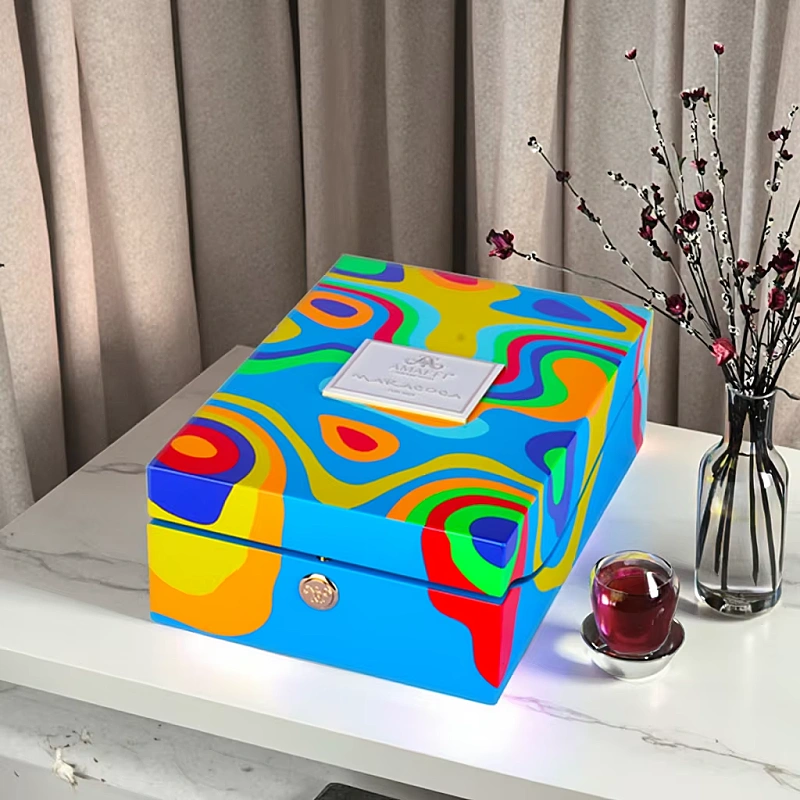
Perfume leakage is not rare. Alcohol expands. Pressure changes. Weak packaging fails.
What inspectors fear most
From my experience, inspectors react fast to:
- Oil stains
- Damp corners
- Warped boxes
- Strong fragrance smell
Any of these signs almost guarantee inspection.
How packaging prevents leakage suspicion
Leak-proof design includes more than bottle seals.
It includes:
| Design Area | Function |
|---|---|
| Rigid outer box | Prevents compression |
| Tight internal fixation | Stops movement |
| Absorbent liners | Contain minor leaks |
| Stable bottle orientation | Controls pressure |
When boxes arrive clean and dry, officers relax.
Real cases from my work
I handled a shipment where cartons arrived with faint scent but no visible damage. Customs still opened them.
Later, we switched to rigid wooden boxes with sealed inner trays. The next shipments arrived scent-free.
Inspection frequency dropped.
Nothing changed in documents. Only packaging changed.
Stability builds trust with liquids
Liquids are unpredictable. Packaging must show control.
Stable designs show that spills are unlikely. Officers do not want problems.
When packaging removes fear, inspection becomes unnecessary.
Customs inspection includes human judgment. That judgment is influenced by appearance.
Professional packaging signals experience, compliance, and low risk, which builds trust with customs authorities.
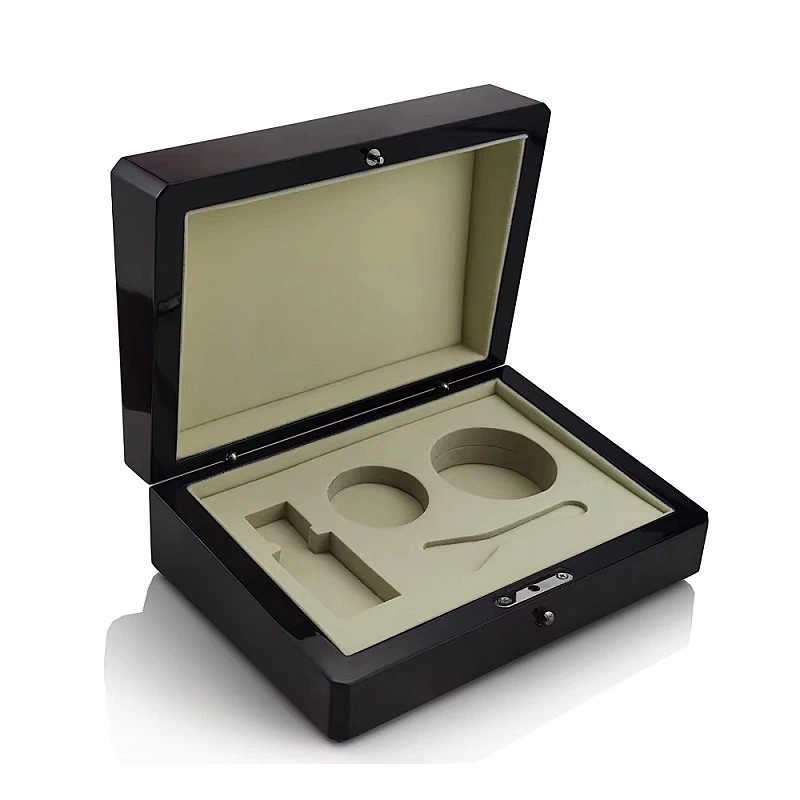
Customs officers may not say it, but they judge exporters visually.
Packaging as a psychological signal
Professional packaging suggests:
- Experienced exporter
- Controlled process
- Compliance awareness
Poor packaging suggests the opposite.
I have seen shipments with correct paperwork delayed because packaging looked careless.
Elements that signal professionalism
Here are key signals:
| Packaging Detail | Message Sent |
|---|---|
| Clean printing | Attention to detail |
| Consistent branding | Established business |
| Strong materials | Risk awareness |
| Organized internals | Process control |
These signals matter in seconds.
Trust reduces inspection depth
Trust does not remove inspection completely. But it reduces depth.
Officers may scan instead of opening. Or sample one carton instead of many.
That difference saves days.
My personal belief from experience
After 15 years, I believe this strongly.
Customs inspection is not only about rules. It is about confidence.
Packaging is the fastest way to communicate that confidence.
When packaging looks professional, customs officers feel safe to move on.
Conclusion
Smart packaging builds confidence. Confidence speeds customs. For perfume brands, good design is not decoration. It is a clearance strategy.
Brand Name: WoodoBox
Slogan: Custom Wooden Boxes, Crafted to Perfection

 English
  Español
  Português
  Deutsch
  Français
  Italiano
  العربية