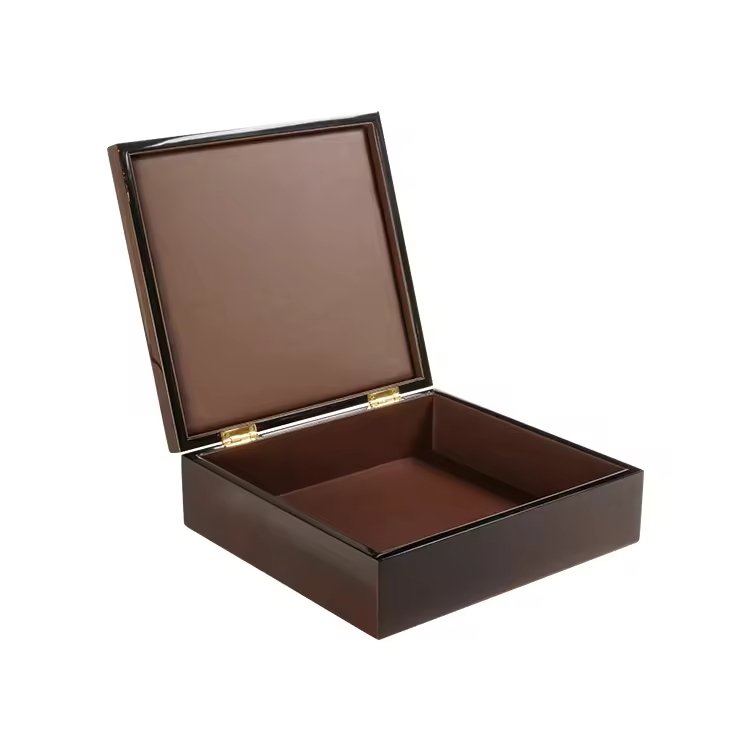
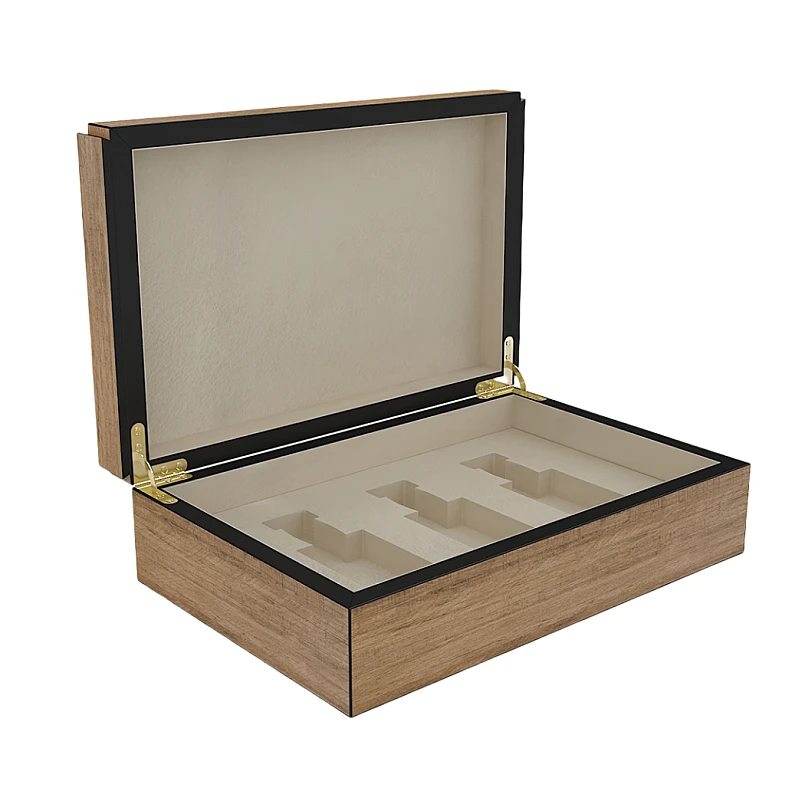
Luxury clients want unique boxes, but manufacturers must also control cost and lead time. Modular thinking offers a practical solution.
Modular design uses standardized structures as a base while allowing brand-specific customization, combining efficiency with flexibility.
This approach saves time, reduces mistakes, and still delivers exclusivity.
What does “modular design” mean in the context of wooden box manufacturing?
In wooden box production, “modular” is not about mass sameness. It is about smart re-use.
Modular design means creating shared structural frameworks—like lid types, hinges, or interior layouts—that can be customized with finishes, branding, and details.

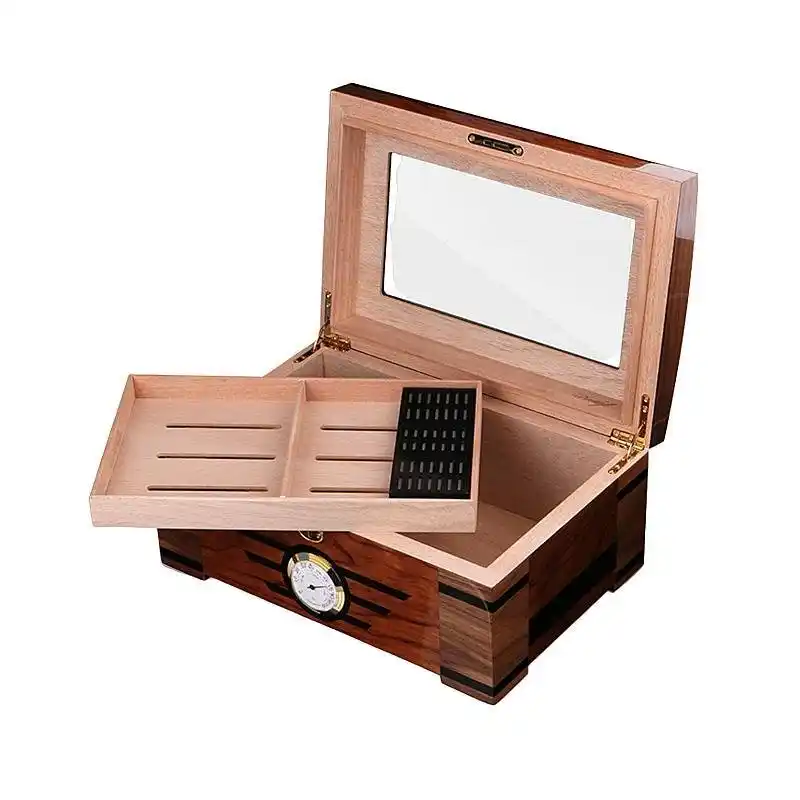
For example, a standard 25-count cigar box structure can serve as the base. One brand may use ebony veneer and gold foil, another may choose matte PU and engraving. The core structure stays, but the appearance changes.
Core Modular Elements
- Lid types: hinged, sliding, magnetic.
- Inner trays: single chamber, divided sections.
- Joints: dovetail, finger, miter.
- Box ratios: standard dimensions for cigars, watches, or jewelry.
I once used the same modular structure for three different watch brands. Each brand chose unique veneers, linings, and logos. Production was faster, but results looked completely different.
Custom projects usually require longer preparation. Modular design reduces this burden.
Shared modules cut time and cost because tooling, jig setups, and assembly steps are repeated, not reinvented.
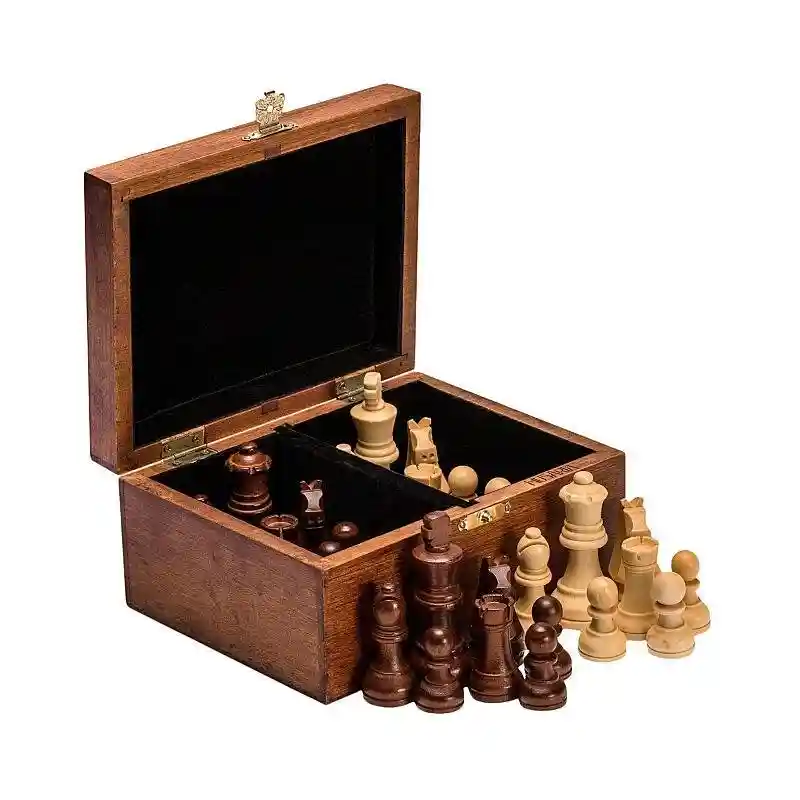
Instead of building every box structure from zero, manufacturers reuse proven modules. This saves on design hours, reduces errors, and speeds prototyping.
Efficiency Gains
| Step | Without Modular Design | With Modular Design |
|---|---|---|
| Design Phase | 7–15 days | 2–5 days |
| Prototyping | New tools every time | Shared jigs reused |
| Assembly | Different workflows | Streamlined steps |
In one cigar project, I reused a lid-hinge module already tested in earlier batches. The client received samples in one week instead of three. Modular reuse made the difference between a rushed deadline and on-time delivery.
In what ways does modularity allow flexibility for brand-specific customization?
Some worry modularity kills uniqueness. In reality, it enhances brand personalization.
Modularity allows flexibility because brands can change finishes, branding, and decorative details without altering the proven structure.
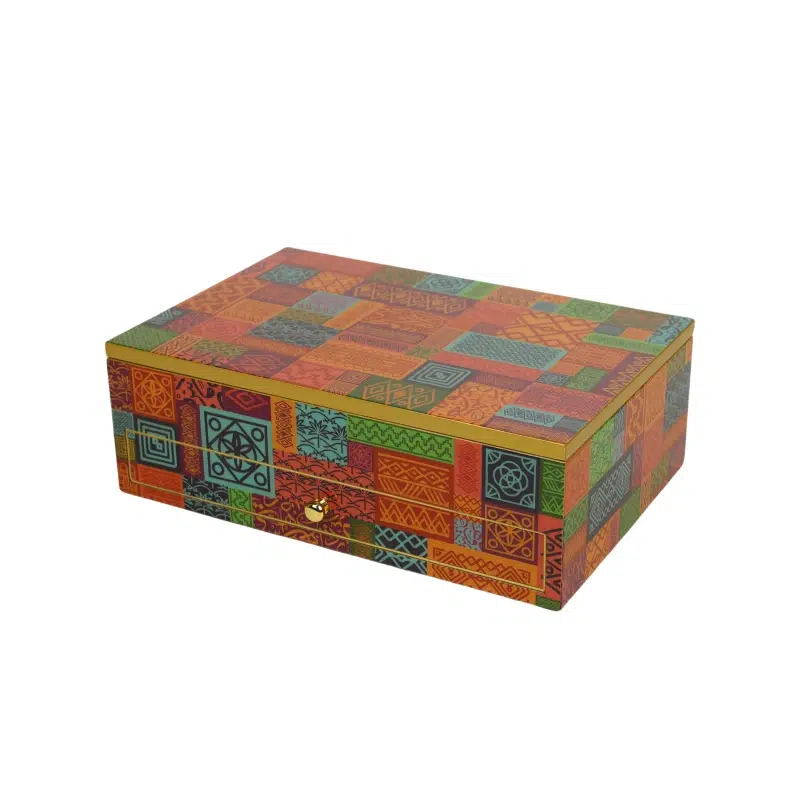
A single modular structure can adapt to multiple brand identities:
Customization Layers on Modular Bases
- Exterior Finish: piano lacquer, matte PU, natural veneer.
- Interior Lining: velvet, suede, PU leather, cedar wood.
- Branding: foil stamping, engraving, metal plates, UV printing.
- Accessories: trays, locks, humidifiers.
I worked with two jewelry brands that used the same inner structure. One used red velvet and gold foil, the other black PU with silver metal plates. Both looked distinct, though the structural base was identical. Modularity supported creativity.
Why does modular design help maintain consistency in quality while scaling orders?
Scaling production often risks uneven quality. Modular design provides stability.
By reusing standard modules, manufacturers reduce errors, stabilize assembly processes, and maintain consistent quality across batches.
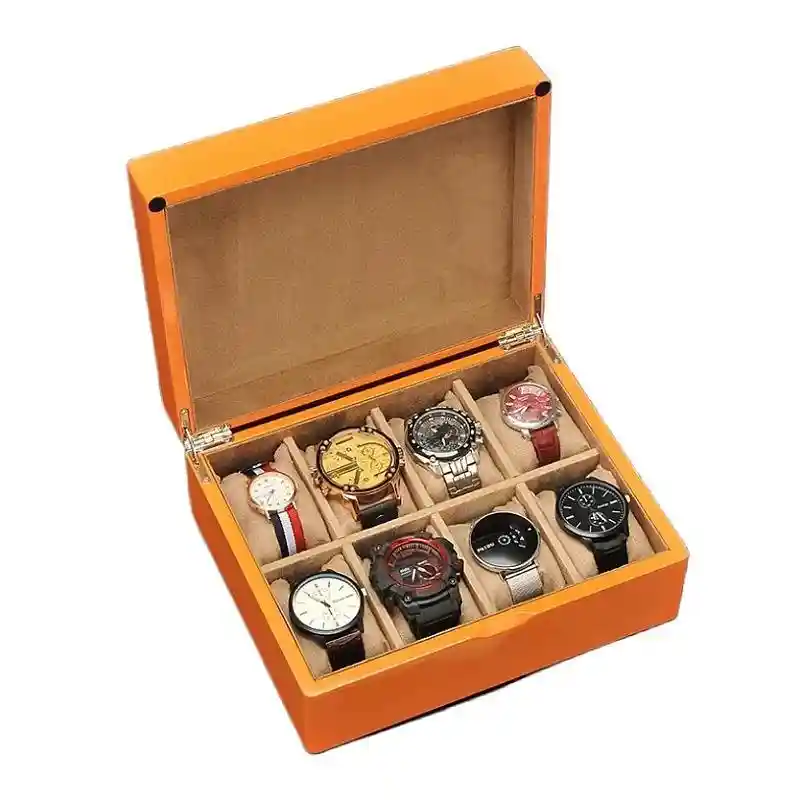
When structural parts are repeated, workers become more skilled with fewer mistakes. QC processes are also easier, because inspection focuses on fewer variables.
Quality Benefits
- Fewer alignment errors on hinges and joints.
- Reduced rejection rates due to standardized assembly.
- Predictable performance in lid balance and durability.
In a large run of 1,500 cigar boxes, I used a modular cedar interior that had been tested many times before. QC pass rates were 98%. Clients noticed the consistency and praised the reliability.
What are the risks if modular solutions limit too much creative freedom?
Modularity can save time, but over-reliance may restrict design originality.
If modular design is applied rigidly, brands may feel their boxes look too similar, losing unique identity.
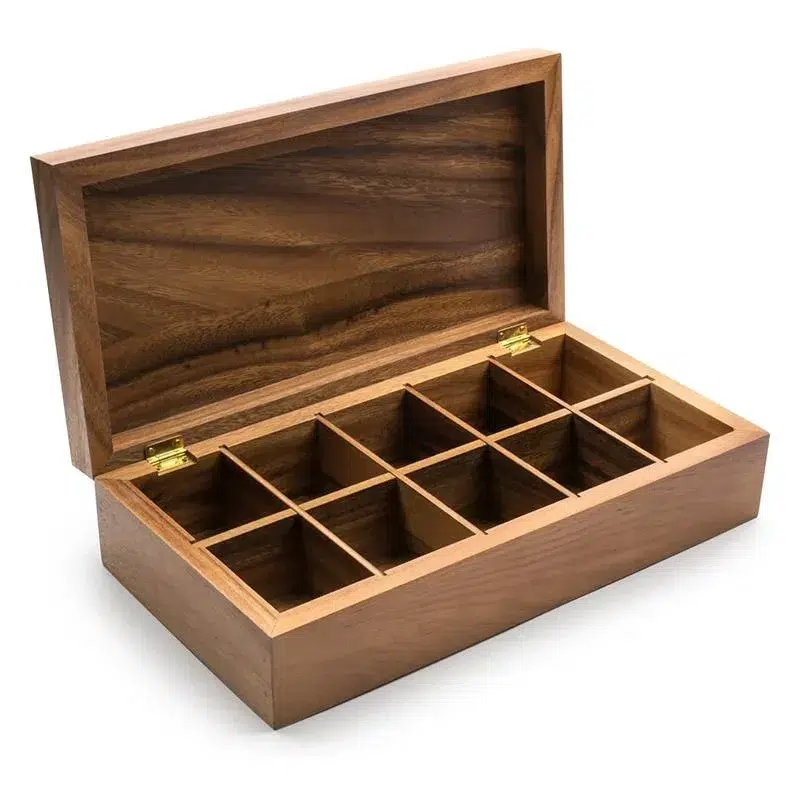
A brand known for bold, avant-garde packaging may reject modular structures if they feel “too standard.” Overusing modules may also make collections predictable.
Risks of Over-Modularity
- Less differentiation among brands.
- Creative teams feel restricted.
- Market perception of “templated” design.
I once had a fashion brand client who rejected modular suggestions, saying, “Our customers expect something nobody has seen before.” In such cases, a hybrid approach is better—use modular elements inside, but design a new exterior form.
How to strike the balance between modular efficiency and unique brand storytelling?
The answer is not choosing one over the other. Balance is the real strategy.
The best approach is to keep critical structures modular for efficiency, while customizing finishes, branding, and storytelling elements for uniqueness.
Balanced Strategy
- Standardize invisible elements (hinges, joints, interior frameworks).
- Customize visible surfaces (finishes, colors, logos).
- Add storytelling features (packaging inserts, certificates, artwork).
I always explain to clients: “Think of modularity as the skeleton. The brand personality comes from the skin.” By separating structure and identity, we deliver both efficiency and uniqueness.
Conclusion
Modular design makes wooden box production faster, cheaper, and more consistent, while still allowing strong brand personalization.
Brand Name: WoodoBox
Slogan: Custom Wooden Boxes, Crafted to Perfection
Website: www.woodobox.com
WhatsApp: +86 18359265311



 English
  Español
  Português
  Deutsch
  Français
  Italiano
  العربية