跳到内容
跳到内容 
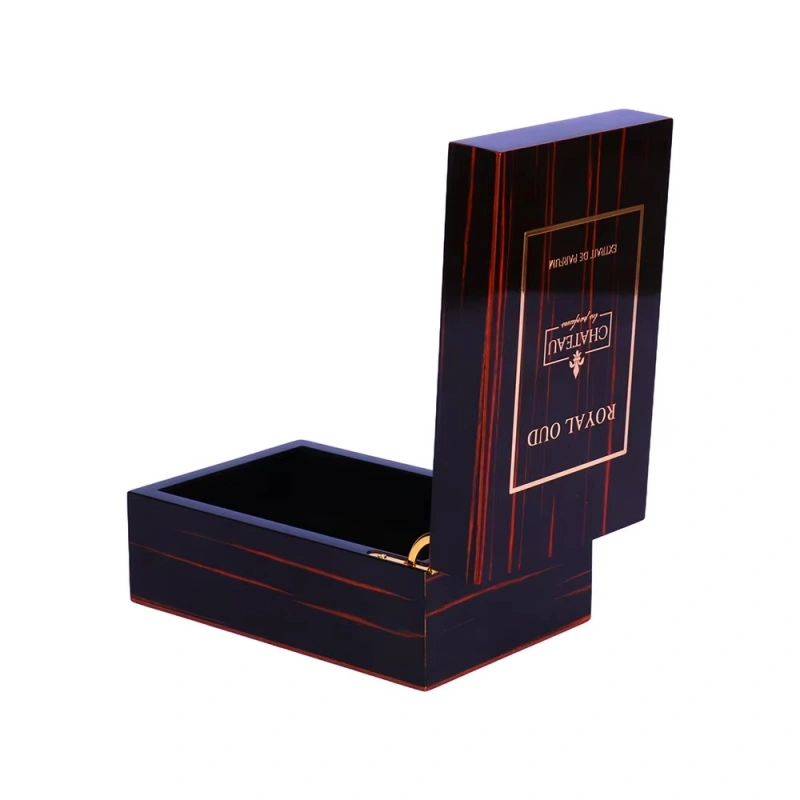
I have seen many new perfume brands struggle at launch. The product is good, but buyers hesitate. The problem is not scent. It is trust and first impression.
A well-designed wooden perfume box helps a new brand close the credibility gap with luxury houses by using material authority, tactile confidence, and long-term value to reshape perception from the first touch.
I will explain this step by step, based on my own work with both emerging brands and long-established luxury names.
How can a wooden perfume box instantly elevate a new brand’s first impression?
I often tell new clients this simple truth: buyers judge before they smell. That judgment happens in seconds, and packaging carries most of that weight.
A wooden perfume box instantly signals seriousness, value, and intention, even when the brand name is unfamiliar.
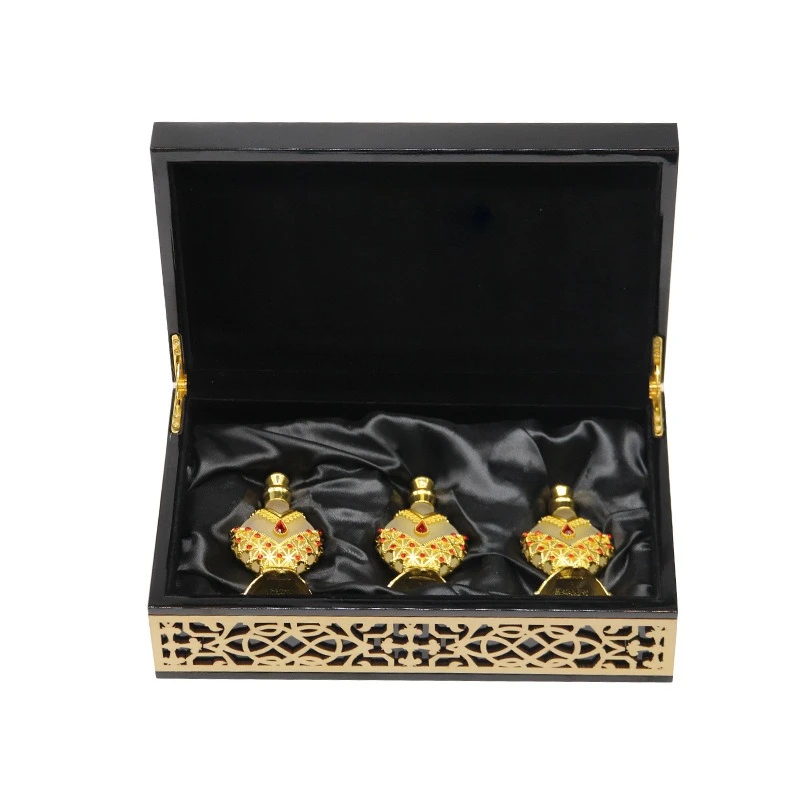
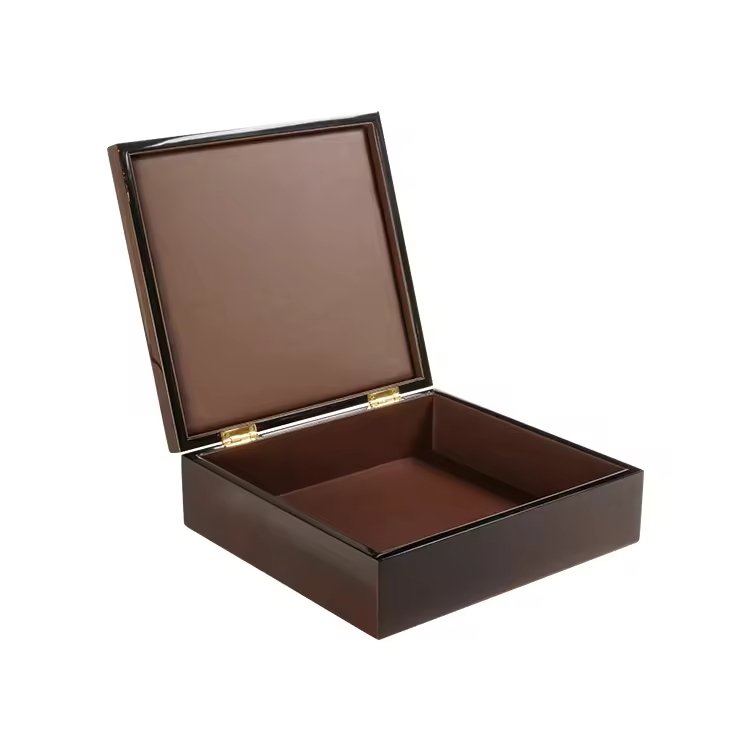
When a buyer sees a wooden box, the brain reacts before logic steps in. Wood feels expensive. It feels slow to make. It feels deliberate. This reaction is automatic.
Why first impression matters more for new brands
Established luxury houses already own mental space. New brands do not. That means packaging must do extra work.
I have seen this pattern many times:
| Brand Type | Buyer Reaction Without Touch | Buyer Reaction With Wooden Box |
|---|---|---|
| Established brand | Trust comes from name | Trust is confirmed |
| New brand | Doubt and hesitation | Curiosity and interest |
A wooden box reduces the risk in the buyer’s mind. It says the brand invested before asking for money.
How wood changes visual hierarchy
Paper boxes rely on graphics. Wood relies on form.
In my experience, wooden perfume boxes create strength through:
- Clean surfaces
- Controlled proportions
- Visible thickness
- Real edges, not folds
Even simple designs look premium when the structure is solid.
My production insight
When I work on wooden perfume boxes for first launches, I focus on:
- Box wall thickness
- Lid alignment
- Opening resistance
- Weight balance
These details shape first impression more than logos or colors. A new brand needs this physical confidence to stand next to famous names without feeling small.
Why does wood help new brands borrow credibility from traditional luxury cues?
Luxury is not just branding. It is history, craft, and materials. Wood already carries these meanings.
Wood allows a new brand to borrow cultural luxury signals without copying any existing brand.
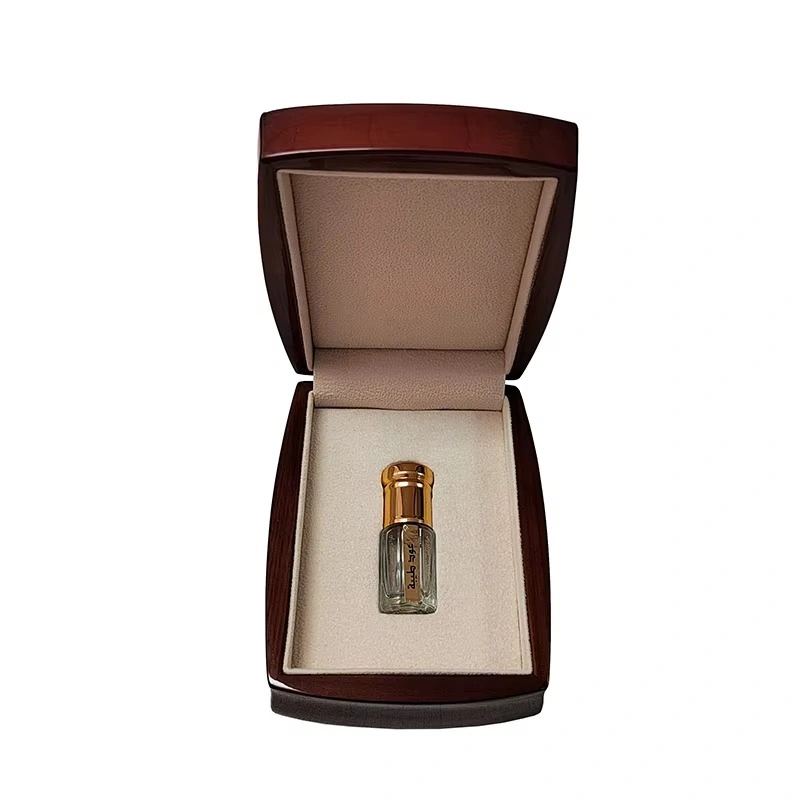
Wood as a cultural shortcut
Across markets, wood represents:
- Craftsmanship
- Time investment
- Human skill
- Permanence
These values existed long before modern luxury brands.
When buyers touch wood, they connect the product to tradition, even if the brand is new.
How this differs from paper or plastic
Paper depends on print quality. Plastic depends on finish. Wood depends on substance.
Here is how buyers often read materials:
| Material | Subconscious Message |
|---|---|
| Paperboard | Disposable, replaceable |
| Plastic | Industrial, scalable |
| Wood | Crafted, limited, lasting |
This is why wooden perfume boxes feel more “luxury” without extra explanation.
Borrowing authority without imitation
Many new brands make a mistake. They imitate famous houses. That creates comparison, not confidence.
Wood avoids this trap. It does not belong to any single brand language. It belongs to craftsmanship itself.
I often advise clients:
Do not look older. Look serious.
Wood does that naturally.
My experience with luxury clients
When I supply both big houses and new brands, I notice something interesting. Big brands use wood sparingly. New brands can use it boldly.
This reverses expectations. The new brand suddenly feels more intentional, not smaller.
How can tactile experience level the playing field against famous luxury names?
Logos work at distance. Touch works at close range. New brands win at close range.
The tactile experience of a wooden perfume box replaces brand familiarity with physical reassurance.
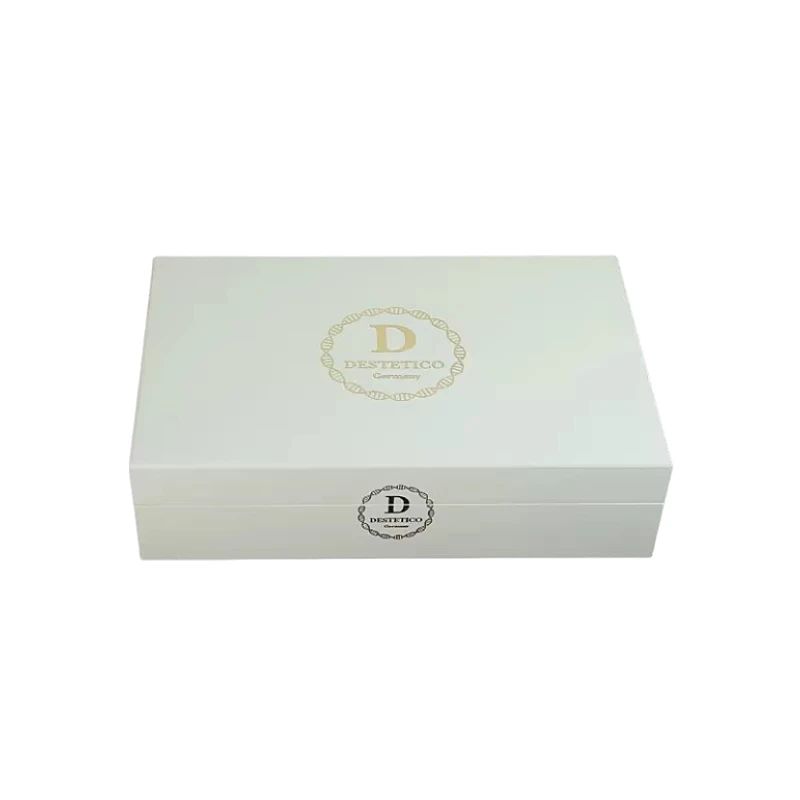
%[White luxury box with Destetico logo
Why touch matters more than sight
Sight creates desire. Touch creates belief.
I have watched buyers hesitate, then decide after holding the box. This moment matters most for unknown brands.
Key tactile elements that matter
In my work, these factors shape confidence:
1. Weight
A wooden box has honest weight. It feels grounded.
2. Surface
A smooth lacquer or natural grain tells care and patience.
3. Opening motion
A slow, controlled opening feels intentional.
4. Sound
The soft sound of wood closing feels calm and premium.
These are small things, but together they replace the comfort of a famous name.
How this changes buyer psychology
When a buyer touches a wooden box, the thought changes from:
- “Do I trust this brand?”
to - “This feels well made.”
That shift is powerful.
My personal observation
I have seen buyers forget a brand name but remember the box. Later, they ask:
“The perfume with the wooden box.”
That memory comes from touch, not graphics.
In what ways does wooden packaging help a new brand stand out instead of blend in?
Most perfume packaging looks similar at shelf level. Wood breaks that pattern.
A wooden perfume box gives a new brand visual and material separation without shouting.
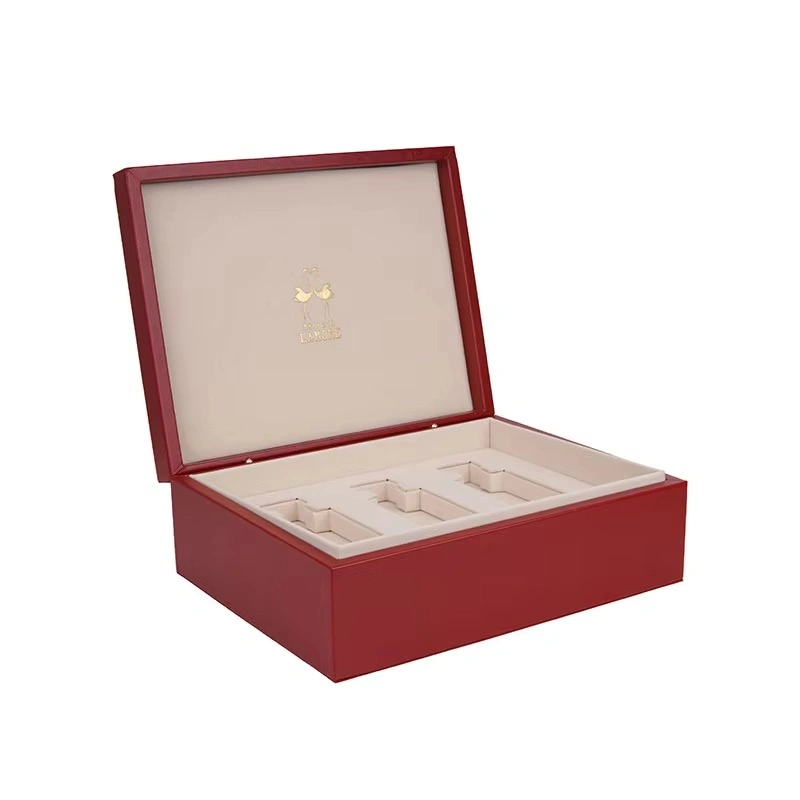
The problem with blending in
Many new brands follow trends:
- Matte paper
- Gold foil
- Soft-touch coating
These are safe, but common.
When everyone looks premium, no one stands out.
How wood creates contrast
Wood changes the category signal. It feels closer to:
- Jewelry
- Watches
- Art objects
This repositions the perfume without changing the product.
Structural freedom for new brands
New brands are flexible. They can:
- Use thicker walls
- Try sliding lids
- Add inner trays
- Use magnetic closures
Large brands often cannot, due to scale.
I encourage new clients to use this advantage.
Example positioning logic
| Packaging Type | Buyer Category Perception |
|---|---|
| Paper box | Standard luxury perfume |
| Wooden box | Collectible or artisanal object |
This shift increases perceived value without increasing marketing spend.
My design advice
I often say:
Do not decorate wood too much. Let it speak.
Minimal branding on wood feels confident. It suggests the brand does not need to explain itself.
How can long-lasting wooden boxes build trust and brand memory over time?
Trust is not built at purchase. It is built after.
A durable wooden perfume box stays in the customer’s life, reinforcing brand memory long after the fragrance is used.
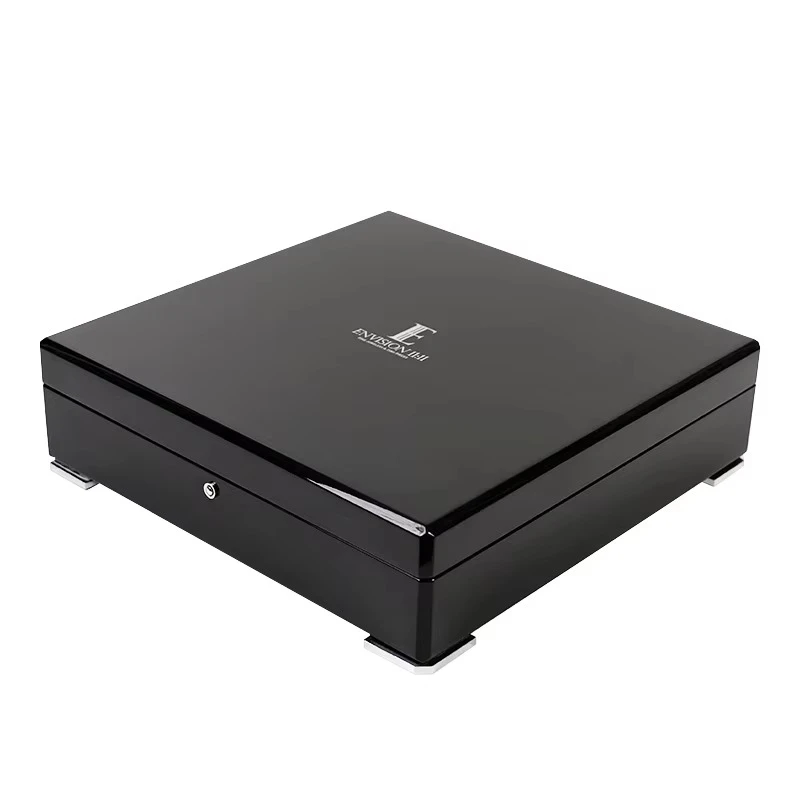
Why durability matters for new brands
Disposable packaging disappears. Wood remains.
When a box stays, the brand stays.
Reuse creates repeated exposure
Customers reuse wooden boxes for:
- Jewelry
- Letters
- Accessories
Each reuse is a brand reminder.
Psychological effect of permanence
A lasting box sends a clear message:
- The brand plans to exist
- The brand respects the product
- The brand respects the buyer
This builds emotional trust.
Cost perception over time
At purchase, a wooden box feels premium. Over time, it feels reasonable.
I often explain it like this:
The box becomes cheaper every day it is used.
That logic strengthens brand loyalty.
My long-term client feedback
Clients tell me repeat buyers often mention packaging. They keep it. They show it. They remember it.
For new brands, this memory is priceless.
Conclusion
A wooden perfume box does not compete loudly. It competes quietly. Through material, touch, and time, it helps new brands earn trust beside established luxury houses.
WoodoBox
Custom Wooden Boxes, Crafted to Perfection

 English
  Español
  Português
  Deutsch
  Français
  Italiano
  العربية